
Embarking on a journey from the sun-drenched shores of Los Angeles to the vibrant, ancient lands of Japan is an adventure many dream of. The prospect of traversing the vast Pacific Ocean sparks both excitement and a natural curiosity about the practicalities of such an expedition. Chief among these considerations is the duration of the flight itself. Understanding the flight time is crucial for planning your itinerary, packing efficiently, and mentally preparing for your transcontinental voyage. This comprehensive guide delves into the specifics of flight durations, factors influencing them, and what you can expect during your trip to the Land of the Rising Sun.
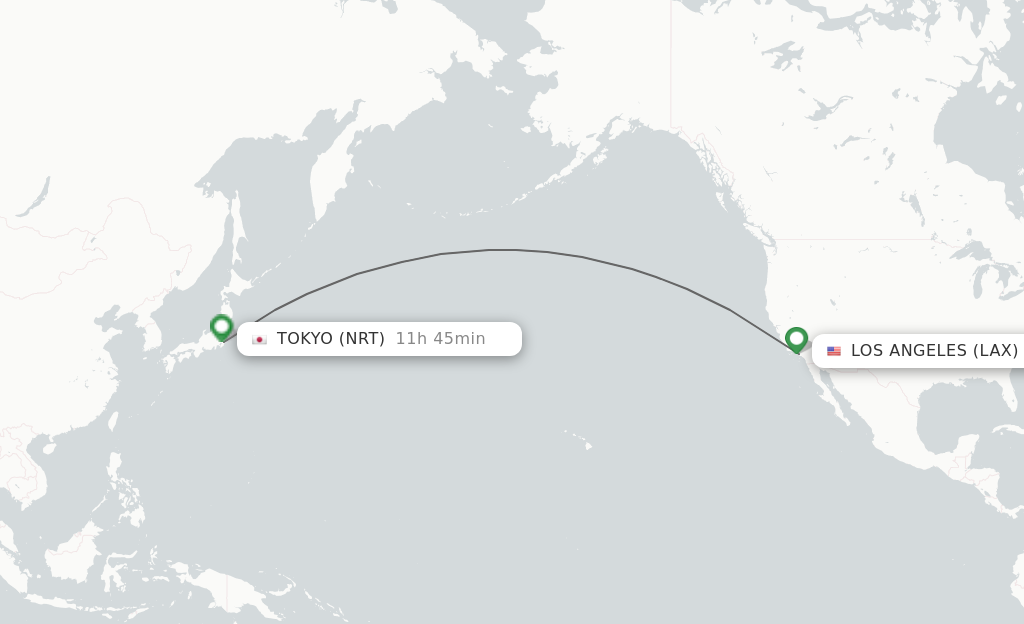
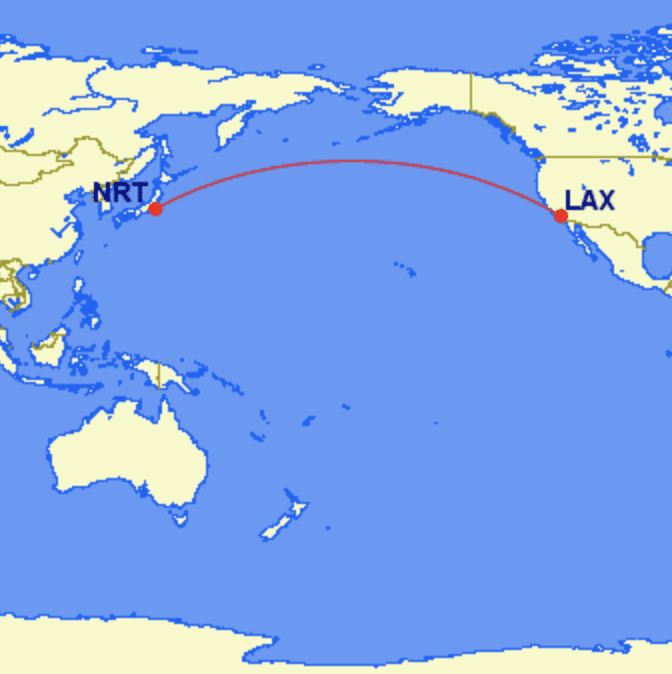
The direct flight time from Los Angeles International Airport (LAX) to major international airports in Japan, such as Narita International Airport (NRT) or Haneda Airport (HND) in Tokyo, typically ranges between 10 to 12 hours. This figure represents the actual time spent airborne. However, the total travel time, encompassing your journey to the airport, check-in procedures, security checks, boarding, and deplaning, will naturally extend beyond this airborne duration.
Understanding Flight Durations and Variables
The seemingly straightforward question of “How long is the flight?” is, in reality, influenced by a confluence of factors. Airlines, aircraft types, wind patterns, and specific flight paths all contribute to the final flight duration. Therefore, while a general estimate is useful, expect some variation depending on the specific flight you book.
Direct Flights vs. Flights with Layovers
For most travelers prioritizing efficiency, direct flights are the most appealing option when traveling from Los Angeles to Japan. These flights offer the shortest overall travel time, minimizing the disruption to your schedule and reducing the risk of missed connections. Airlines like Japan Airlines (JAL) and All Nippon Airways (ANA), along with some American carriers, frequently operate non-stop services between LAX and Tokyo.
However, direct flights are not always the most economical choice, and sometimes they may not be available for your desired travel dates or specific Japanese destinations beyond Tokyo. In such cases, flights with one or more layovers become a viable alternative. Common layover cities for this route might include hubs in Hawaii, Alaska, or even cities on the mainland United States or Canada.
A flight with a single layover can significantly increase your total travel time. Depending on the length of the layover, which can range from a couple of hours to an overnight stay, the total journey from Los Angeles to Japan could extend to anywhere from 15 to 25 hours or more. While longer, these flights can sometimes offer substantial cost savings, making them attractive for budget-conscious travelers.
Factors Influencing Flight Time
Several dynamic elements play a role in determining the precise duration of your flight from Los Angeles to Japan:
- Aircraft Type: Different aircraft models have varying cruising speeds. Larger, more modern planes often fly at higher altitudes and can achieve faster speeds, potentially reducing flight times.
- Jet Streams: The Earth’s atmosphere features powerful wind currents known as jet streams. Flying with a tailwind (a jet stream moving in the same direction as your flight) can significantly shorten the flight duration. Conversely, flying against a headwind will lengthen it. These powerful currents are a major factor in transpacific flight times.
- Flight Path and Air Traffic Control: Air traffic control dictates flight paths to ensure safety and efficiency. Weather conditions, such as storms, and the need to avoid certain airspace can lead to detours, subtly altering the flight duration.
- Time of Year and Day: While less impactful on direct flight times than jet streams, seasonal weather patterns can influence wind speeds. Additionally, the specific departure and arrival times might be factored into routing by airlines.
Navigating Time Zones and Jet Lag
When you land in Japan, you’ll be met with a significant time difference. Japan Standard Time (JST) is 16 hours ahead of Pacific Standard Time (PST). This means if you depart Los Angeles on a Monday morning, you will likely arrive in Japan on a Tuesday afternoon or evening. This substantial time difference is a key factor in experiencing jet lag, the temporary sleep disorder that affects travelers crossing multiple time zones.
To mitigate the effects of jet lag, several strategies can be employed. Gradually adjusting your sleep schedule in the days leading up to your departure can be helpful. Staying hydrated during the flight and avoiding excessive alcohol and caffeine are also recommended. Upon arrival, expose yourself to natural daylight and try to adhere to the local sleep schedule as quickly as possible. Many travelers find that by the second or third day in Japan, they have largely adjusted.
Preparing for Your Long-Haul Journey
A flight of this length requires preparation to ensure comfort and enjoyment. Thinking about your onboard experience, from entertainment to sustenance, can make a significant difference.
In-Flight Amenities and Entertainment
Most major airlines operating the Los Angeles to Japan route offer a comprehensive in-flight entertainment system. These systems typically include a wide selection of movies, television shows, music, and games accessible via personal seat-back screens. For those who prefer to read or work, many airlines provide Wi-Fi access, though this often comes with an additional charge. Power outlets or USB ports are usually available at each seat, allowing you to keep your electronic devices charged throughout the flight.
Comfort is paramount on such a long journey. Airlines generally provide blankets, pillows, and headphones. It is advisable to bring your own neck pillow, eye mask, and earplugs for enhanced comfort, especially if you are sensitive to light or noise. Comfortable, loose-fitting clothing is also essential. Consider bringing layers, as cabin temperatures can fluctuate.
Dining and Hydration
Airline meals are a standard part of long-haul travel. On flights to Japan, you can often expect a choice of Western and Japanese cuisine. While efforts are made to cater to diverse palates, some travelers prefer to bring their own snacks. High-energy, non-perishable snacks like granola bars, nuts, or dried fruit can be a good addition.
Staying hydrated is critical on any flight, especially one of this duration. The cabin air is notoriously dry, which can lead to dehydration. Drink plenty of water throughout the flight and limit your intake of dehydrating beverages like alcohol and caffeine. Many airlines offer water and juice on demand, and flight attendants regularly circulate the cabin to offer refreshments.
Exploring Your Destination Upon Arrival
Once you’ve landed in Japan, the anticipation of exploring its rich culture, stunning landmarks, and delicious cuisine will undoubtedly be high.
First Impressions of Tokyo
Tokyo, a city where ancient traditions seamlessly blend with futuristic innovation, offers an unforgettable introduction to Japan. From the bustling Shibuya Crossing, a landmark of urban life, to the serene Meiji Jingu Shrine, dedicated to Emperor Meiji and Empress Shoken, the city presents a captivating duality. You might choose to stay in a luxurious suite at a renowned hotel like the Park Hyatt Tokyo, offering breathtaking city views, or opt for a more budget-friendly yet comfortable apartment.
The sheer scale of Tokyo can be overwhelming, but its efficient public transportation system, particularly its extensive subway network, makes navigating the city a breeze. Exploring neighborhoods like Shinjuku, with its towering skyscrapers and vibrant nightlife, or Asakusa, home to the historic Senso-ji Temple, will provide a diverse taste of what Tokyo has to offer.
Beyond Tokyo: Other Japanese Gems
While Tokyo is a primary gateway, Japan boasts numerous other captivating destinations that might be extensions of your journey. Consider a bullet train (Shinkansen) ride to Kyoto, the cultural heart of Japan, where you can wander through the Arashiyama Bamboo Grove, visit the Golden Pavilion (Kinkaku-ji), or experience a traditional tea ceremony.
For those seeking historical depth, a trip to Hiroshima offers a poignant encounter with the past at the Peace Memorial Park and Museum. Nature enthusiasts might be drawn to the majestic views of Mount Fuji, especially from the Fuji Five Lakes region. Whether you are interested in the modern marvels of Osaka, the historic charm of Nara with its friendly deer, or the tropical beauty of Okinawa, Japan promises a diverse and enriching travel experience.
Accommodation and Experiential Tourism
Regardless of your travel style – be it luxury, budget, family-focused, or a business stay – Japan offers a wide range of accommodation options. From traditional ryokans (Japanese inns) that provide a glimpse into local hospitality and a chance to sleep on futons and enjoy onsen (hot springs), to modern hotels and self-catered apartments, there’s something to suit every preference and budget. Websites specializing in accommodation comparison can help you find the best deals and read reviews from fellow travelers, ensuring a comfortable and memorable stay.
Experiencing local culture is an integral part of any trip to Japan. This can involve participating in cooking classes to master the art of sushi making, attending a sumo wrestling match, exploring local markets brimming with fresh produce and crafts, or simply immersing yourself in the etiquette and customs of daily life. These authentic experiences are what transform a vacation into a truly unforgettable adventure.
In conclusion, the flight from Los Angeles to Japan is a significant undertaking, typically lasting between 10 to 12 hours for direct flights. However, this figure is a starting point, and understanding the variables at play, preparing for the long journey, and anticipating the wonders that await upon arrival are all crucial elements for a successful and enjoyable trip to this extraordinary country.