
Embarking on a journey from the bustling streets of New York to the vibrant culture and serene landscapes of Japan is an exciting prospect for any traveler. However, one of the most common and crucial questions that arises during the planning phase is: “How long is the flight?” Given the vast distance separating these two global hubs, this isn’t a simple question with a single answer. The flight duration can vary significantly based on several factors, including whether you opt for a direct or connecting flight, your choice of airports, the specific airline, and even meteorological conditions like the jet stream.
This comprehensive guide will delve into the intricacies of flying from New York to Japan, helping you understand what to expect in terms of travel time, how to make the long journey as comfortable as possible, and what incredible experiences await you upon arrival. From navigating time zones and battling jet lag to exploring world-renowned landmarks and indulging in unique Japanese cuisine, your adventure begins long before you touch down. Whether you’re planning a luxurious escape, a budget-friendly backpacking trip, a family vacation, or a crucial business stay, understanding the journey is the first step towards an unforgettable experience.
Understanding Flight Duration: Factors at Play
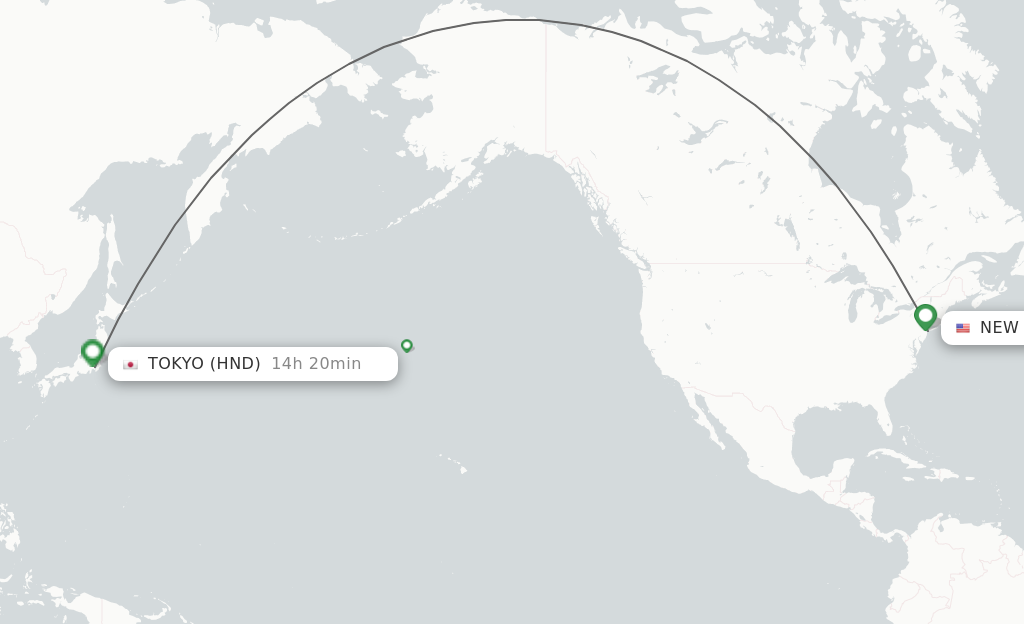
The flight path from New York to Japan traverses a significant portion of the globe, specifically crossing the Pacific Ocean and the International Date Line. This long-haul journey typically falls into the ultra-long-haul category, demanding careful planning and an understanding of the variables that influence total travel time.
Non-stop vs. Connecting Flights
The most significant determinant of your flight duration is whether you choose a non-stop (direct) flight or one with layovers.
Direct Flights: For those prioritizing speed and convenience, non-stop flights are the optimal choice. These flights typically range from 13 to 15 hours in actual airtime. Major airlines offer direct services from New York to Tokyo, which is the primary gateway to Japan. Airlines like Japan Airlines (JAL), All Nippon Airways (ANA), United Airlines, and Delta Air Lines frequently operate these routes. The specific duration can sometimes vary by an hour or so based on the exact route taken and prevailing winds. While more expensive, the time saved and the reduced hassle of connections often justify the cost for many travelers.
Connecting Flights: If budget is a primary concern or if direct flights are unavailable for your desired dates, connecting flights present a viable alternative. However, they significantly extend the overall travel time. A connecting flight typically involves one or more layovers in major hub cities, primarily on the west coast of the United States or sometimes in other Asian cities. Common connection points include Los Angeles, San Francisco, Chicago, and sometimes even Vancouver in Canada. The total travel time for a connecting flight can range from 18 hours to 24 hours or even longer, depending on the length of your layovers. While connecting flights might offer a chance to stretch your legs and break up the journey, it’s essential to factor in the additional time spent in transit and potential delays.
Departure and Arrival Airports
Your specific departure and arrival airports also play a role in the total flight duration and overall travel experience.
New York Departure Airports:
- John F. Kennedy International Airport (JFK): As New York’s largest international gateway, JFK offers the widest selection of direct flights to Japan.
- Newark Liberty International Airport (EWR): Located across the Hudson River in New Jersey, EWR also provides direct flights to Japan, often operated by United Airlines.
Japan Arrival Airports (primarily serving Tokyo):
- Narita International Airport (NRT): Historically, NRT has been Tokyo’s main international airport. Many long-haul flights from New York land here. It’s located further outside the city but offers excellent train connections to central Tokyo.
- Haneda Airport (HND): Closer to downtown Tokyo, HND has seen an increase in international long-haul flights in recent years. Landing at HND can save you transit time into the city center compared to NRT.
- Kansai International Airport (KIX): If your final destination is Osaka or Kyoto in western Japan, you might find flights with connections that land directly at KIX.
The choice of airport combinations might not drastically alter the actual flight time, but it will certainly impact your ground transportation logistics and overall perceived travel experience in Japan.

Airline and Aircraft
Different airlines flying the same route might have slightly varying flight times due to their specific flight paths, aircraft models, and operational efficiencies. For instance, some airlines might have newer, more fuel-efficient aircraft like the Boeing 787 Dreamliner or the Airbus A350, which are designed for long-haul travel and can sometimes achieve slightly faster speeds or more direct routes. While the difference might only be 30 minutes to an hour, it’s worth noting.
Route and Jet Stream
Air traffic control, geopolitical considerations, and, significantly, the jet stream influence the exact flight path. The jet stream is a narrow, fast-flowing current of air in the upper atmosphere. When flying from New York to Japan (westbound), planes often fly against parts of the jet stream, which can slightly extend the flight time. Conversely, eastbound flights (e.g., from Japan to New York) often ride the jet stream, shortening the journey by an hour or more. Most flights from the East Coast to Japan utilize polar routes, flying over Canada and Alaska, which are the most direct paths geographically.
Maximizing Comfort on a Long-Haul Flight
A flight of 13-15 hours, or even longer with connections, can be daunting. However, with the right preparation and in-flight strategies, you can make the journey surprisingly comfortable and even enjoyable. This is where lifestyle and travel tips become invaluable.
Pre-Flight Preparations
- Choose Your Seat Wisely: If possible, select your seat in advance. A window seat offers views and a wall to lean on, while an aisle seat provides easier access to stretch your legs and visit the lavatory without disturbing others. Exit row seats or bulkhead seats offer extra legroom, often for an additional fee, which can be a worthy investment for such a long flight.
- Pack Essentials for the Cabin: A small carry-on with immediate necessities is crucial. Include a comfortable neck pillow, an eye mask, earplugs or noise-canceling headphones, and a light blanket or shawl. Don’t forget any necessary medications, a toothbrush, and travel-sized toiletries to freshen up.
- Hydration Starts Early: Begin hydrating with water a day or two before your flight. Avoid excessive alcohol and caffeine, as they can contribute to dehydration and disrupt sleep cycles.
During the Flight
- Movement and Stretching: Don’t stay seated for the entire duration. Get up every 1-2 hours to walk the aisles, stretch your legs, and do some simple in-seat exercises to promote circulation and prevent stiffness.
- Nutrition and Hydration: Continue to drink plenty of water throughout the flight. While airline meals are provided, consider bringing healthy snacks like nuts, fruit, or protein bars. Limit sugary drinks, caffeine, and alcohol, as they can exacerbate jet lag and dehydration.
- Entertainment: Load your devices with movies, TV shows, podcasts, audiobooks, or e-books. While most airlines offer in-flight entertainment, having your own backup ensures you won’t be bored.
- Sleep Strategies: Try to adjust to your destination’s time zone as much as possible, even before you land. If it’s nighttime in Japan, try to sleep on the plane. Use your eye mask and earplugs to create a conducive environment.
Battling Jet Lag
Crossing 13-14 time zones (from New York to Tokyo) will inevitably lead to jet lag. While it’s impossible to avoid entirely, you can significantly mitigate its effects.
- Adjust Before Departure: A few days before your flight, gradually shift your sleep schedule closer to Japan’s time zone. Even shifting by an hour or two can help.
- Embrace Natural Light: Upon arrival, expose yourself to natural light during the day to help reset your circadian rhythm. Avoid excessive light exposure at night.
- Stay Active: Gentle exercise can help alleviate symptoms, but avoid strenuous workouts immediately after arrival.
- Eat Smart: Try to eat meals according to the local time, even if you don’t feel hungry.
- Minimize Naps: While tempting, limit naps on your first day to a short power nap (20-30 minutes) to avoid disrupting your nighttime sleep.
- Hydrate and Avoid Stimulants: Continue drinking water and limit caffeine and alcohol as they can interfere with your body’s adjustment.
Planning Your Japanese Adventure
Once you’ve conquered the long flight, the real adventure begins. Japan offers an unparalleled blend of ancient traditions and futuristic innovation, with something for every type of traveler.
Choosing Your Destination Beyond Tokyo
While Tokyo is an incredible starting point, Japan boasts a wealth of other captivating destinations:
- Kyoto: The former imperial capital, Kyoto is the heart of traditional Japan. Explore ancient temples like Kinkaku-ji (the Golden Pavilion) and Fushimi Inari-taisha with its thousands of red torii gates. Wander through the Gion district, hoping to spot a geisha, or stroll through tranquil bamboo groves.
- Osaka: Known as Japan’s kitchen, Osaka is a foodie paradise. Indulge in street food in Dotonbori, visit Osaka Castle, and experience the city’s lively nightlife.
- Hokkaido: The northernmost prefecture, Hokkaido is famous for its stunning natural beauty, winter sports (like skiing in Niseko), national parks, and delicious seafood.
- Hiroshima: A city with a powerful message of peace, Hiroshima is home to the Peace Memorial Park and Museum. Nearby Miyajima Island, with its iconic floating torii gate, is also a must-visit.
- Okinawa: For a tropical escape, the islands of Okinawa offer pristine beaches, crystal-clear waters, and a unique Ryukyuan culture.
Accommodation Options for Every Lifestyle
Japan provides a diverse range of accommodation, catering to every budget and travel style, from luxury travelers to those on a tight budget.
- Luxury Stays: In Tokyo, opulent options include the Ritz-Carlton Tokyo or the iconic Park Hyatt Tokyo, offering breathtaking city views and world-class amenities. For a blend of luxury and tradition, consider a high-end ryokan (traditional inn) in Kyoto with private onsen (hot spring) baths.
- Mid-Range Hotels: Business hotels (like the APA Hotel or Toyoko Inn chains) are ubiquitous, offering clean, efficient, and comfortable rooms, often with complimentary breakfast. You’ll also find modern apartment-style accommodations perfect for longer stays.
- Budget-Friendly Options: Hostels are plentiful in major cities, providing dormitory beds and private rooms at economical prices. For a truly unique and budget-friendly experience, try a capsule hotel, known for their compact, futuristic sleeping pods.
- Unique Cultural Stays: Don’t miss the opportunity to stay in a ryokan for an authentic Japanese experience, complete with tatami mat rooms, futon bedding, and traditional meals. Minshuku are family-run guesthouses offering a more intimate local feel.
When booking, use comparison sites and book well in advance, especially during peak travel seasons like cherry blossom (spring) or autumn foliage viewing.
Cultural Immersion and Activities
Japan’s rich culture offers endless opportunities for exploration:
- Food Tours: From exquisite sushi and hearty ramen to savory okonomiyaki and sweet mochi, Japanese cuisine is a highlight. Join a local food tour to discover hidden culinary gems.
- Landmarks: Marvel at the majestic Mount Fuji, explore the historic Senso-ji Temple in Tokyo, ascend the Tokyo Skytree for panoramic views, or walk through the vermilion gates of Fushimi Inari-taisha in Kyoto.
- Seasonal Experiences: Plan your trip around the breathtaking cherry blossom season in spring or the vibrant autumn leaves. Attend a traditional festival (matsuri) for a glimpse into local customs.
- Shopping: Explore the luxury boutiques of Ginza, the bustling electronics stores of Akihabara, or the trendy fashion districts of Shinjuku and Harajuku.
- Travel Tips: Learn a few basic Japanese phrases, understand local etiquette (bowing, shoe removal), and master the efficient public transportation system (especially the Shinkansen bullet train for inter-city travel). Consider purchasing a Japan Rail Pass if you plan extensive travel.
Final Thoughts: The Journey is Part of the Experience
The flight from New York to Japan is undoubtedly a long one, typically ranging from 13 to 15 hours for direct flights and upwards of 18-24 hours for connecting itineraries. However, this substantial travel time is merely a prelude to an incredibly enriching and unforgettable destination. With careful planning, strategic in-flight comfort measures, and a proactive approach to combating jet lag, the journey itself can be a seamless and even pleasant part of your overall travel narrative.
Japan’s unique blend of ancient tradition and futuristic marvels, its exquisite culinary scene, warm hospitality, and stunning natural beauty make every minute of the long flight worthwhile. Whether you’re seeking a serene escape in a traditional ryokan, an adrenaline rush on the ski slopes of Hokkaido, or a deep dive into the bustling metropolis of Tokyo, your adventure from New York promises to be extraordinary. Prepare well, embrace the journey, and get ready to discover the magic of the Land of the Rising Sun.
LifeOutOfTheBox is a participant in the Amazon Services LLC Associates Program, an affiliate advertising program designed to provide a means for sites to earn advertising fees by advertising and linking to Amazon.com. Amazon, the Amazon logo, AmazonSupply, and the AmazonSupply logo are trademarks of Amazon.com, Inc. or its affiliates. As an Amazon Associate we earn affiliate commissions from qualifying purchases.