
Embarking on a journey from the bustling metropolis of New York to the romantic heart of Paris is a dream for many, connecting two of the world’s most iconic cities. While the allure of Parisian cafés, historic landmarks, and vibrant culture is undeniable, a common question arises for prospective travelers: “How long is the flight?” The answer, while seemingly straightforward, involves a fascinating interplay of factors. Generally, a direct flight from New York to Paris typically ranges between 7 to 8 hours. However, this is just the beginning of understanding your transatlantic journey. From the type of aircraft and prevailing winds to the specific airports involved and whether you choose a direct or connecting flight, various elements can influence the total travel time, shaping your overall travel experience.
This comprehensive guide will delve into the nuances of this popular route, offering insights into flight durations, practical tips for a comfortable journey, and how to make the most of your arrival in the City of Lights. Whether you’re planning a luxurious French escape, a business trip, or an adventure through Europe, understanding the logistics of the flight is your first step towards an unforgettable experience.
The Core Flight Duration: What to Expect Across the Atlantic
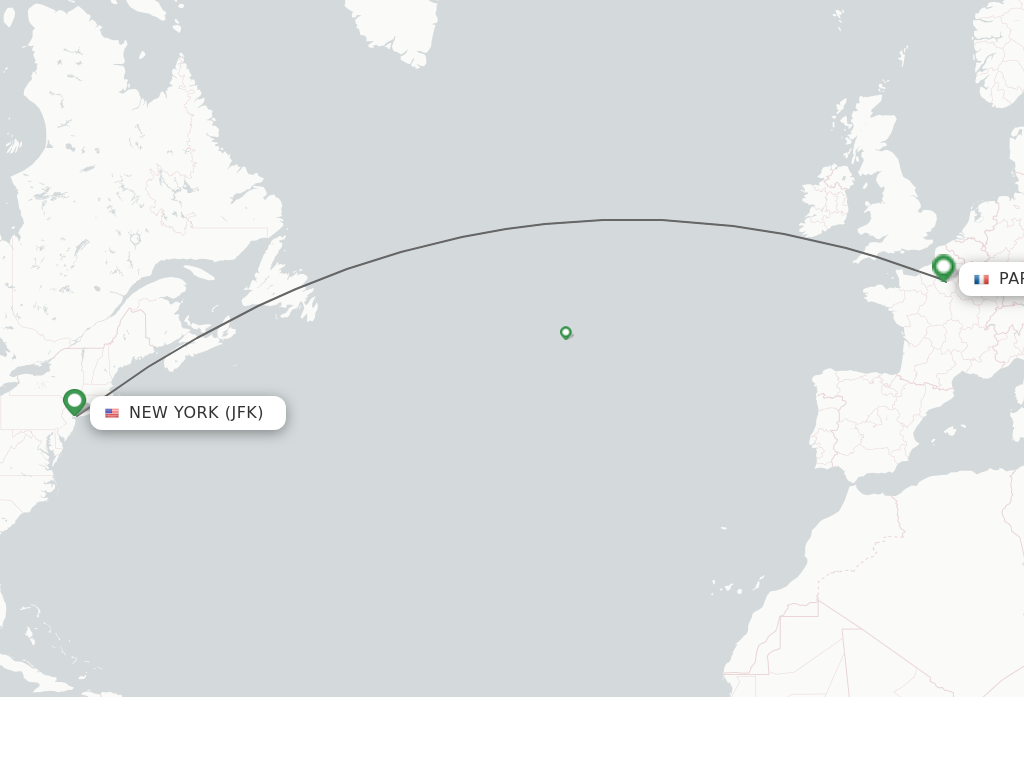
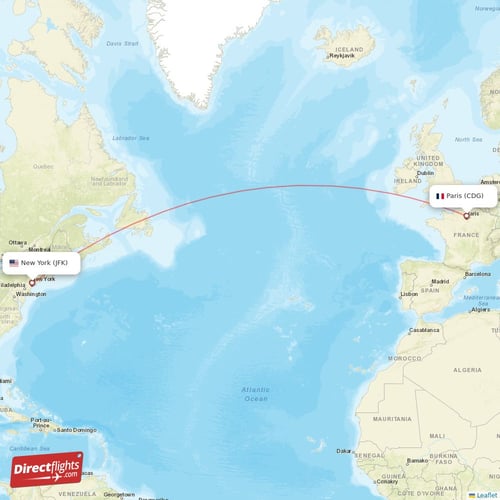
The flight connecting North America‘s financial hub with Europe’s cultural capital traverses the vast Atlantic Ocean, a journey of approximately 3,600 miles (about 5,800 kilometers). This significant distance means the flight is classified as a long-haul journey, requiring careful planning for comfort and enjoyment.
Direct Flights vs. Connecting Flights
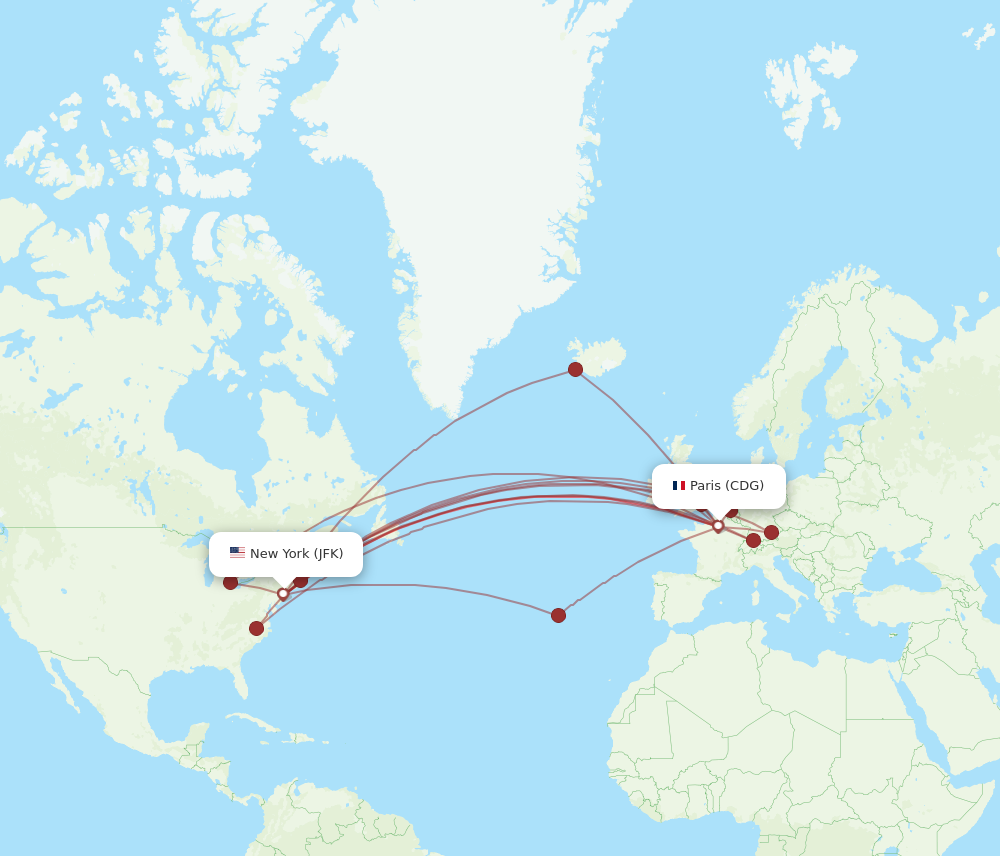
The quickest way to travel from New York to Paris is via a direct, non-stop flight. These flights typically depart from major New York area airports like John F. Kennedy International Airport (JFK) or Newark Liberty International Airport (EWR) and land at Paris’s principal international gateway, Charles de Gaulle Airport (CDG). The flight time for these direct routes generally falls within the 7 to 8-hour range. For instance, flights from New York to Paris are typically shorter than the return journey from Paris to New York, which can often take between 8 to 9 hours. This difference is primarily due to prevailing tailwinds over the Atlantic when flying eastbound.
Connecting flights, while often more budget-friendly, significantly extend your total travel time. These flights involve at least one stopover, usually in another major European city like London, Dublin, or Amsterdam. Including layovers, a connecting flight could range anywhere from 10 to 15 hours or even more, depending on the length of the stopover and the number of connections. While they save money, they add considerable time and potential for delays, making direct flights the preferred option for those prioritizing speed and convenience.
Factors Influencing Flight Time
Several variables contribute to the exact duration of your flight:
- Tailwinds and Headwinds: The most significant natural factor is atmospheric conditions. Flights from New York to Paris often benefit from powerful jet stream tailwinds, pushing the aircraft eastward and shortening the flight. Conversely, the return journey frequently encounters headwinds, extending the flight time.
- Aircraft Type: Modern aircraft, such as the Boeing 787 Dreamliner or Airbus A350, are designed for fuel efficiency and speed on long-haul routes. Different aircraft models have varying cruising speeds, which can slightly alter the total flight time.
- Specific Route and Air Traffic Control: While the general flight path is across the Atlantic, minor adjustments are made based on weather, air traffic, and strategic airspace management. These adjustments, though subtle, can cumulatively affect the flight duration.
- Airline Efficiency: While flight times are largely dictated by physics, airlines maintain schedules with buffer times built in. Some airlines might have slightly more aggressive scheduling than others, though actual flight time remains close to the average.
Preparing for Your Transatlantic Journey
A successful long-haul flight begins long before you even set foot in the airport. Strategic planning ensures a smoother and more enjoyable travel experience from the United States to France.
Choosing Your Airline and Aircraft
The choice of airline can significantly impact your in-flight comfort. Major carriers like Air France, Delta Air Lines, United Airlines, and American Airlines operate direct flights on this route, often utilizing modern wide-body aircraft. Researching specific aircraft types (e.g., Airbus A380, Boeing 777, Boeing 747) can give you an idea of the cabin configuration, seat pitch, and amenities available. Some airlines offer premium economy, business class, or first class options with lie-flat seats and enhanced services, which can make the 7-8 hour journey feel considerably shorter. Consider factors like baggage allowance, meal services, in-flight entertainment systems, and Wi-Fi availability when making your selection.
Navigating New York and Paris Airports
Your journey will likely begin at one of New York’s primary international airports:
- John F. Kennedy International Airport (JFK): The largest and busiest international gateway to New York, offering numerous direct flights to Paris. JFK is known for its multiple terminals, so ensure you know which terminal your flight departs from.
- Newark Liberty International Airport (EWR): Located in New Jersey but serving the greater New York City area, EWR is another major hub for transatlantic travel.
- LaGuardia Airport (LGA): Primarily serves domestic flights and is generally not used for direct international flights to Paris.
Upon arrival in Paris, you’ll most likely land at:
- Charles de Gaulle Airport (CDG): France’s largest international airport and one of the busiest in Europe. It has three main terminals, with excellent public transport links (RER B train, Roissybus) to the city center.
- Orly Airport (ORY): Paris’s second international airport, generally handling more domestic and short-haul European flights, though some transatlantic flights may arrive here. Orly also has good connections to the city center via the Orlyval light rail connecting to the RER B.
Familiarizing yourself with airport layouts, baggage claim procedures, and ground transportation options in advance will save you time and stress. Consider arriving at the airport well in advance for international flights – typically 3 hours before departure – to allow for check-in, security, and potential delays.
Essential Packing Tips for Long-Haul Flights
For an 8-hour flight, thoughtful packing is key to comfort.
- Comfortable Clothing: Wear loose-fitting, breathable layers. The cabin temperature can fluctuate, so having options is helpful.
- Travel Pillow, Eye Mask, and Earplugs: These are indispensable for maximizing your chances of getting quality rest on the plane.
- Entertainment: While in-flight entertainment systems are standard, having your own loaded tablet, e-reader, or headphones can be a lifesaver, especially if your preferred movies aren’t available or the system malfunctions.
- Hydration: Bring an empty reusable water bottle to fill after security. Staying hydrated is crucial for combating fatigue and jet lag.
- Snacks: Pack some healthy snacks, as airline meal times may not align with your usual schedule, and options can be limited.
- Personal Care Items: A small toiletry bag with a toothbrush, toothpaste, moisturizer, and lip balm can help you feel refreshed.
- Medication: Keep any essential medications in your carry-on luggage.
- Important Documents: Passports, visas (if required), flight confirmations, and hotel bookings should always be easily accessible in your carry-on.
Maximizing Comfort and Managing Jet Lag
The journey across multiple time zones can be taxing, but with the right strategies, you can arrive in Paris feeling refreshed and ready to explore.
In-Flight Experience: Food, Entertainment, and Sleep Strategies
Once you’re settled in your seat, focus on making the most of your time in the air.
- Stay Hydrated, Limit Caffeine and Alcohol: Dehydration is a major contributor to jet lag. Drink plenty of water throughout the flight. While a glass of wine might seem relaxing, alcohol can disrupt sleep patterns and exacerbate dehydration.
- Move Around: Every few hours, try to stand up, stretch, and walk around the cabin to promote circulation and prevent stiffness.
- Utilize In-Flight Entertainment: Most airlines offer a wide selection of movies, TV shows, music, and games. This can be an excellent way to pass the time and keep your mind engaged.
- Prioritize Sleep: On an eastbound flight, try to adjust your sleep schedule to Paris time as much as possible. If it’s nighttime in Paris when you’re flying, try to sleep. Use your eye mask and earplugs to create a conducive environment. If you’re struggling, relaxation techniques or ambient sound apps can help.
Beating Jet Lag: Arriving in Paris Refreshed
The time difference between New York (Eastern Time) and Paris (Central European Time) is six hours. This means when it’s 1 PM in New York, it’s 7 PM in Paris. Adjusting to this can be challenging, but there are effective strategies:
- Pre-Flight Adjustment: A few days before your trip, try to shift your bedtime earlier by an hour or two each night to start acclimating to Parisian time.
- Adjust Your Watch Immediately: As soon as you board the plane, set your watch to Paris time. This psychological shift helps you prepare.
- Seek Sunlight Upon Arrival: Natural light is a powerful tool for resetting your body clock. Once you arrive in Paris, try to spend time outdoors, even if it’s just for a walk.
- Stay Awake Until Parisian Nighttime: Resist the urge to nap for long periods during the day. Push through until a reasonable local bedtime to establish a new sleep rhythm quickly.
- Light Exercise and Healthy Eating: Gentle exercise and avoiding heavy, sugary meals can aid in recovery.
Beyond the Flight: Planning Your New York to Paris Adventure
The flight is merely the gateway to your Parisian adventure. Once you land, a city brimming with history, art, and romance awaits.
Exploring Paris: Must-See Landmarks and Attractions
Paris boasts an unparalleled collection of iconic landmarks that are essential for any visitor:
- Eiffel Tower: No visit to Paris is complete without seeing its most famous symbol. Ascend to the top for breathtaking panoramic views of the city.
- Louvre Museum: Home to thousands of works of art, including the enigmatic Mona Lisa and the Venus de Milo. Plan at least half a day to explore its vast collections.
- Notre Dame Cathedral: While currently undergoing restoration, its exterior remains a testament to Gothic architecture and its enduring spirit.
- Champs-Élysées and Arc de Triomphe: Stroll down this grand avenue, shop at luxury boutiques, and climb the Arc de Triomphe for another stunning perspective of the city.
- Seine River Cruise: A relaxing way to see many of Paris’s landmarks from a different vantage point, especially beautiful at sunset.
- Montmartre and Sacré-Cœur Basilica: Explore the charming, artistic neighborhood of Montmartre and visit the magnificent Sacré-Cœur Basilica for more incredible views.
- Palace of Versailles: A day trip from Paris, this opulent palace and its expansive gardens are a testament to French royal grandeur.
Accommodation Choices in Paris
Paris offers a diverse range of accommodation options to suit every budget and travel style. From luxurious resorts and boutique hotels to charming apartments and budget-friendly hostels, finding the perfect place to stay is part of the adventure.
- Luxury Hotels: For an opulent experience, consider iconic establishments like The Ritz Paris or Shangri-La Paris, offering impeccable service, exquisite dining, and stunning views, often near landmarks such as the Eiffel Tower or the Louvre.
- Boutique Hotels: Areas like Le Marais and Saint-Germain-des-Prés are renowned for their stylish boutique hotels, such as Hotel Le Littré, which offer unique character and a more intimate experience, often blending historic charm with modern amenities.
- Apartment Rentals: For longer stays or family trips, renting an apartment through services like Airbnb provides a taste of local life and the convenience of a kitchen, offering a more immersive cultural experience.
- Budget-Friendly Options: Numerous hostels and guesthouses provide affordable accommodation, especially in neighborhoods further from the immediate city center but still well-connected by public transport.
When booking, consider the neighborhood’s proximity to attractions, public transport, and local amenities. Each arrondissement offers a distinct ambiance, from the chic elegance of the 8th to the bohemian vibe of the 18th.
Local Culture and Cuisine
Immerse yourself in Parisian culture beyond the landmarks.
- Café Culture: Spend time at a classic Parisian café, sipping coffee and watching the world go by. It’s a quintessential French experience.
- Gastronomy: Paris is a culinary paradise. Indulge in traditional French cuisine, from Michelin-starred restaurants to cozy bistros. Don’t miss croissants, macarons, crêpes, escargots, and fine French wines. Explore local markets like Marché des Enfants Rouges for fresh produce and gourmet treats.
- Art and Fashion: Visit world-class museums, explore art galleries in the Marais, and discover why Paris is considered the fashion capital of the world.
The journey from New York to Paris is more than just a flight; it’s the beginning of an unforgettable adventure. By understanding the intricacies of the flight, preparing thoughtfully, and planning your exploration of Paris, you can ensure a smooth transition from one incredible city to another, making the most of every moment of your travel lifestyle.
LifeOutOfTheBox is a participant in the Amazon Services LLC Associates Program, an affiliate advertising program designed to provide a means for sites to earn advertising fees by advertising and linking to Amazon.com. Amazon, the Amazon logo, AmazonSupply, and the AmazonSupply logo are trademarks of Amazon.com, Inc. or its affiliates. As an Amazon Associate we earn affiliate commissions from qualifying purchases.