
Embarking on a journey from the bustling metropolis of New York to the enchanting landscapes of Thailand is an adventure that promises exotic experiences, rich cultural immersion, and a welcome escape from the everyday. However, before you can feel the warmth of the tropical sun on your skin or explore the intricate temples, one of the primary considerations for any traveler is the sheer duration of the flight. Understanding the flight time from New York to Thailand is crucial for effective planning, from booking the right accommodations to managing jet lag and maximizing your precious vacation days. This comprehensive guide delves into the specifics of this long-haul flight, offering insights into factors influencing travel time and what to expect.
Understanding the Transpacific Journey
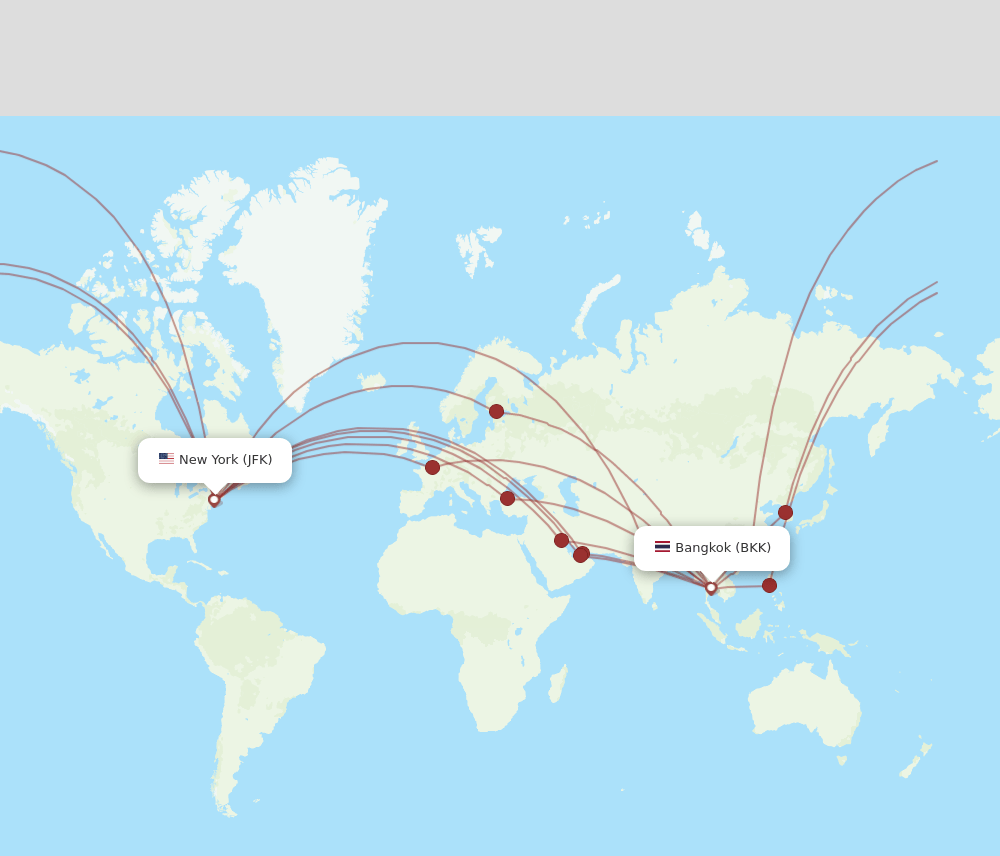
The distance between New York and Thailand is considerable, spanning the vast expanse of the Pacific Ocean. This necessitates a flight that is not only long but often involves at least one, and sometimes two, layovers. The concept of a “direct” flight from New York to Thailand is virtually non-existent in the current aviation landscape. Therefore, when we discuss flight duration, we are inherently referring to the total travel time, including any stops.
Factors Influencing Flight Duration
Several variables play a significant role in determining the overall time it takes to reach Thailand from New York. These include:
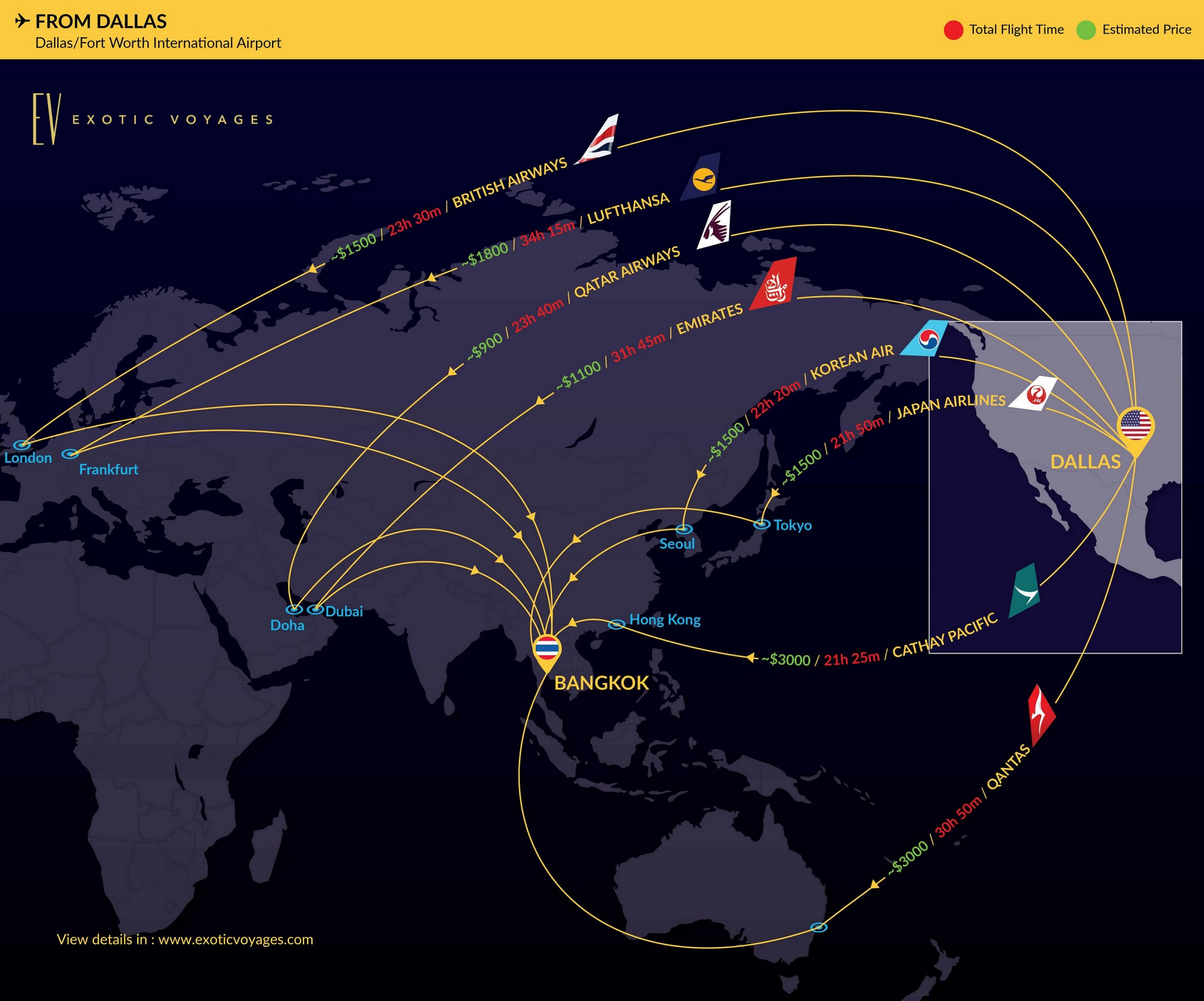
- Layover Airports and Duration: This is arguably the most impactful factor. Major hubs like Dubai, Doha, Hong Kong, or Seoul are common layover points. The length of these layovers can dramatically alter your total travel time, ranging from a brief 1-2 hour stopover to an extended 8-12 hour break. Some travelers opt for longer layovers to explore the layover city briefly, turning a necessity into an additional mini-trip.
- Airline and Route: Different airlines operate on various routes, utilizing different aircraft and flight paths. Some airlines might have more efficient connections or more direct routing between major hubs. For instance, airlines originating from the East Coast of the United States, like United Airlines or Delta Air Lines, might have slightly different routing strategies compared to airlines based on the West Coast.
- Specific Destination in Thailand: Thailand is a country with multiple international airports. The flight time to Bangkok, the capital and primary international gateway, will differ slightly from flights to islands like Phuket or the northern city of Chiang Mai. While the transpacific leg remains similar, the final destination airport in Thailand can add or subtract a short amount of flight time or influence the layover strategy.
- Weather and Air Traffic: While less predictable and typically accounted for in buffer times, adverse weather conditions or air traffic congestion at departure, arrival, or layover airports can sometimes lead to delays, extending the overall travel time.
- Time of Year: While not directly impacting flight duration, the time of year can influence flight availability and pricing, potentially affecting the layover options and thus the total travel time. Peak travel seasons might see fuller flights and potentially longer queues at airports.
Typical Flight Durations: A Realistic Expectation
Given the factors above, a typical flight from New York to Thailand will involve at least one layover. The total journey time can range significantly:
- Minimum Travel Time: For the most efficient connections with short layovers, you can expect a total travel time of approximately 19 to 23 hours. This is the ideal scenario and often requires meticulous booking to secure such short transit times.
- Average Travel Time: A more common and realistic expectation for a flight from New York to Thailand, with a single layover of moderate duration (3-6 hours), falls within the range of 23 to 28 hours. This allows for some breathing room between flights and is often easier to find when booking.
- Extended Travel Time: Flights with longer layovers, perhaps exceeding 8 hours, or those requiring two stops, can easily push the total travel time to 30 hours or even more. While less desirable for those eager to reach their destination, these can sometimes be more budget-friendly options.
It’s important to note that these figures represent the time spent in transit, from the moment your initial flight departs New York until you land at your Thai airport. This does not include the time spent traveling to the airport in New York, going through security, or waiting for baggage upon arrival in Thailand.
Preparing for Your Long-Haul Flight
A flight of this magnitude requires preparation to ensure comfort and minimize the impact of jet lag. Understanding the duration is the first step, but actively managing the experience is key to arriving refreshed and ready to explore.

Navigating Layover Strategies
Your choice of layover airport and its duration can significantly impact your overall travel experience.
- Short Layovers (1-3 hours): These are ideal for minimizing total travel time but can be stressful. You’ll need to be efficient in navigating the airport, especially if changing terminals or airlines. It’s essential to ensure you have ample time for immigration and security checks in the layover country, especially if it’s your first time.
- Moderate Layovers (3-7 hours): This offers a good balance between minimizing travel time and allowing for a less rushed experience. You’ll have time to grab a proper meal, stretch your legs, perhaps do some duty-free shopping, or even catch up on work or a movie in a comfortable airport lounge if you have access.
- Long Layovers (8+ hours) or Overnight Layovers: These can be an opportunity to experience a bit of the layover city. Many airports offer short city tours or have convenient transit hotels. This strategy can break up the journey and offer a unique, albeit brief, cultural experience. However, it also means an extended travel day and can sometimes lead to worse jet lag if not managed properly. For example, a long layover in Singapore could allow for a quick visit to the Gardens by the Bay or a taste of local cuisine.
When booking, pay close attention to the scheduled arrival and departure times of your flights. Consider the time difference between New York and your layover city, and then between your layover city and Thailand. This will help you visualize the duration of your layover in local time.
Maximizing Comfort and Minimizing Jet Lag
The long duration of the flight presents a challenge for comfort and subsequent acclimatization.
- Choosing Your Seat: If possible, select a seat that offers more legroom or is away from high-traffic areas like restrooms or galleys. Airlines like Singapore Airlines are often lauded for their cabin comfort and service on long-haul routes. Consider booking premium economy or business class if your budget allows, as this can make a significant difference in sleep quality and overall comfort.
- In-Flight Entertainment and Sleep Aids: Most long-haul flights offer a robust selection of movies, TV shows, and music. Bring your own noise-canceling headphones for better immersion and sleep. A comfortable neck pillow, eye mask, and earplugs are essential for maximizing sleep during the flight.
- Hydration and Diet: Drink plenty of water to combat dehydration, which is common at high altitudes. Avoid excessive alcohol and caffeine, as they can disrupt sleep and contribute to dehydration. Opt for lighter meals on the plane.
- Movement: Get up and walk around the cabin every few hours to improve circulation and prevent stiffness. Simple in-seat stretching exercises can also be beneficial.
- Adjusting to Thai Time: As soon as you board your flight, try to adjust your watch to the time in Thailand. This mental shift can help your body begin to acclimatize. Upon arrival, expose yourself to natural daylight and try to stay awake until local bedtime. Avoid napping for extended periods during the day.
Your Gateway to the Land of Smiles: Arrival in Thailand
Regardless of whether your flight took 20 hours or 30, the moment you step off the plane in Thailand, the magic of this captivating country begins to unfold. From the vibrant street life of Bangkok to the serene beaches of Phuket and the cultural heart of Chiang Mai, your long journey culminates in an experience that is well worth the travel time.
Reaching Your Final Destination Within Thailand
Once you land at a major airport like Suvarnabhumi Airport (BKK) in Bangkok, you will likely need to arrange further transportation to your accommodation.
- Domestic Flights: For popular destinations like Phuket, Koh Samui, or Chiang Mai, domestic flights are common and efficient. Airlines like Thai Airways and Bangkok Airways operate numerous routes.
- Airport Transfers: Pre-booked airport transfers, taxis, or ride-sharing services are readily available at major airports. This is often the most convenient way to reach your hotel, especially if you are arriving with luggage.
- Public Transportation: In Bangkok, the Airport Rail Link offers a fast and affordable way to reach the city center. Other cities may have local bus services or songthaews (shared taxis) for a more local experience.
Embracing the Thai Experience
The long flight is simply the prelude to an unforgettable adventure. Whether you’re looking to relax on pristine beaches, explore ancient temples like Wat Arun or Wat Pho, indulge in the world-renowned Thai cuisine, or immerse yourself in the vibrant local culture, Thailand offers something for every type of traveler. Luxury resorts in Phuket and boutique hotels in Chiang Mai provide a range of accommodation options, from opulent suites to charming apartments, catering to both budget and luxury travel preferences. Remember to embrace the local customs, be open to new experiences, and let the warmth and hospitality of the Thai people make your journey truly exceptional. The time spent in the air is merely a small price to pay for the rich tapestry of experiences that await you in the Land of Smiles.
LifeOutOfTheBox is a participant in the Amazon Services LLC Associates Program, an affiliate advertising program designed to provide a means for sites to earn advertising fees by advertising and linking to Amazon.com. Amazon, the Amazon logo, AmazonSupply, and the AmazonSupply logo are trademarks of Amazon.com, Inc. or its affiliates. As an Amazon Associate we earn affiliate commissions from qualifying purchases.