
Embarking on a journey from the bustling metropolis of New York City to the serene, tropical paradise of Hawaii is a dream for many, promising an escape from urban concrete to pristine beaches and lush landscapes. However, given the vast expanse of the United States, a common and crucial question for any prospective traveler is: “How long is the flight?” This isn’t just a simple query about hours in the air; it’s the gateway to understanding the scope of your travel commitment, influencing everything from your packing strategy to managing jet lag and maximizing your precious vacation time.
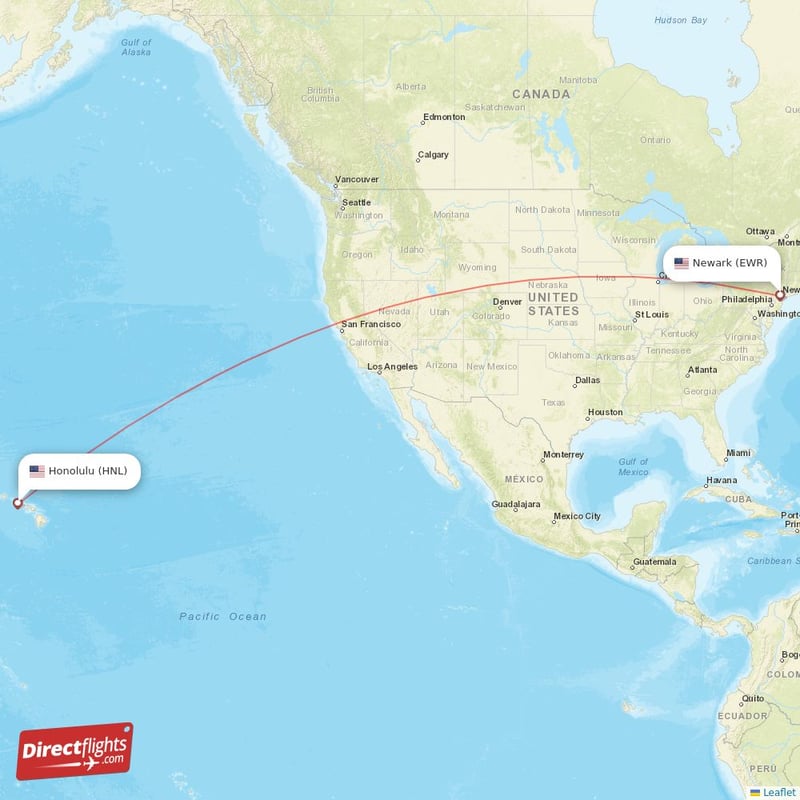
This comprehensive guide will delve into the typical flight durations, explore the factors that can affect your travel time, and offer insights into making the long journey as comfortable and enjoyable as possible. We’ll also touch upon what awaits you in Hawaii, connecting the dots between the journey and the ultimate destination, highlighting why this significant travel time is an investment in an unforgettable experience. Whether you’re planning a luxurious honeymoon, a budget-friendly family trip, or an adventurous solo retreat, understanding the logistics of this epic flight is your first step towards Hawaiian bliss.
The Direct Answer: Flight Duration to Hawaii from NYC
The journey from the East Coast of the United States to the mid-Pacific can indeed feel like a marathon. When flying from New York City to Hawaii, the flight duration can vary based on several factors, but here’s a general breakdown:
Non-stop flights:
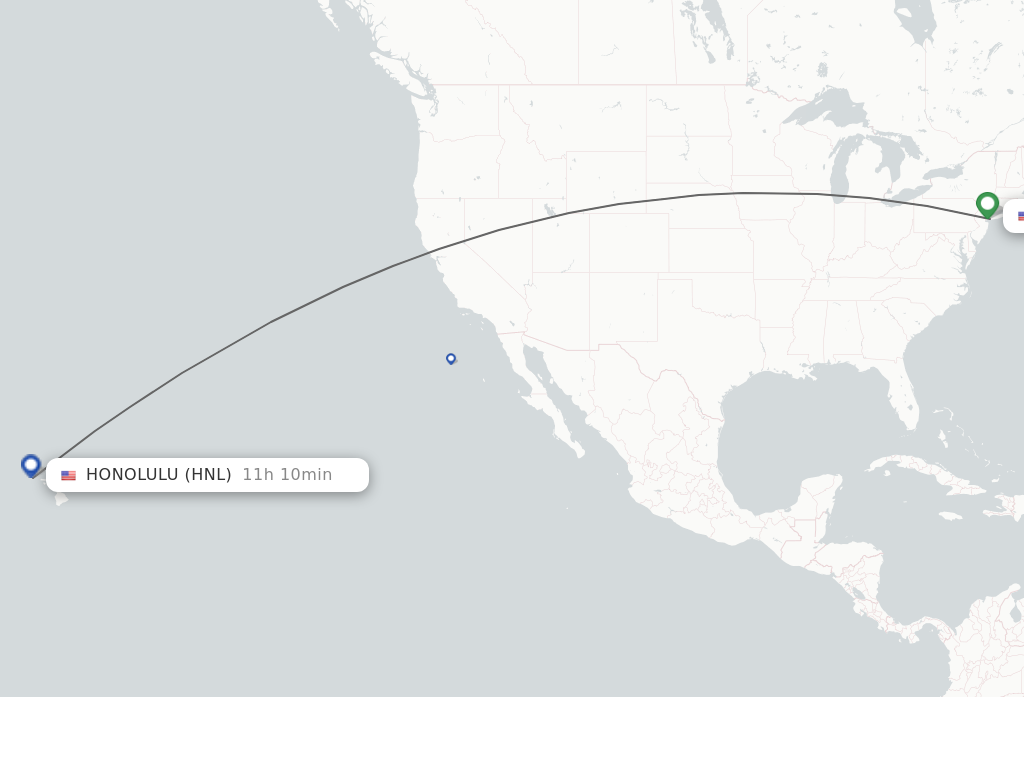
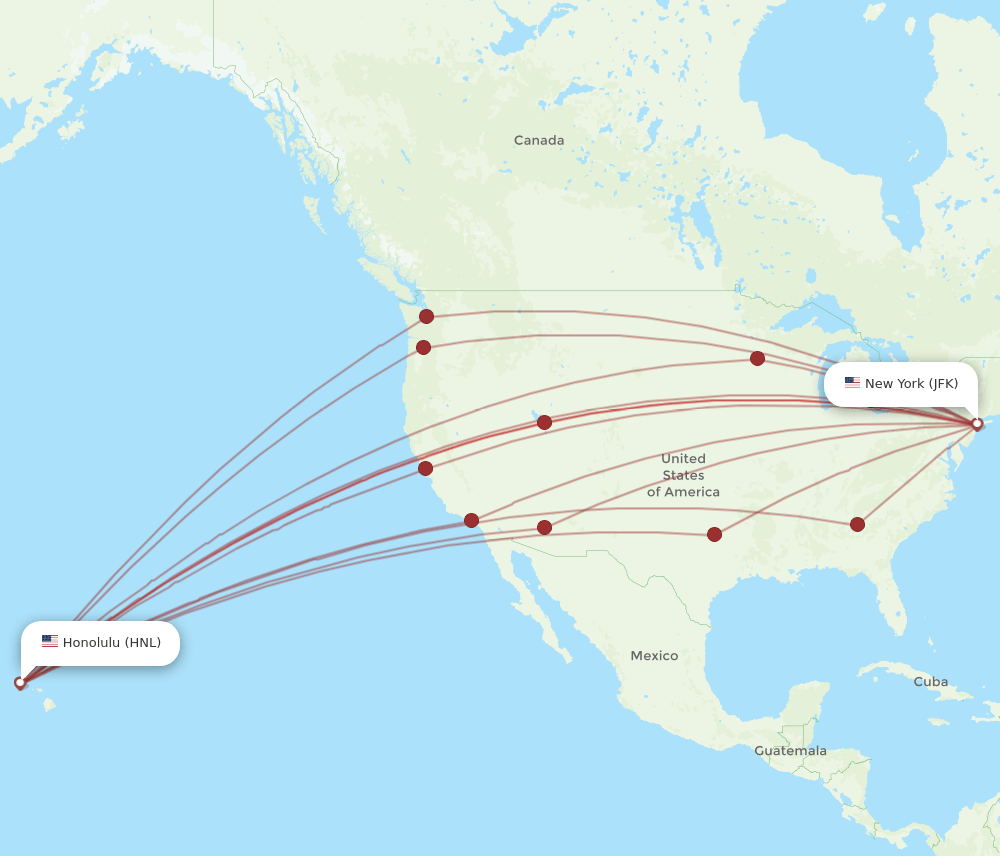
Currently, direct flights from New York City to Hawaii are typically offered from John F. Kennedy International Airport (JFK) to Daniel K. Inouye International Airport (HNL) in Honolulu, Oahu. These direct flights usually range from 10 hours to 11 hours and 30 minutes for the westbound journey. The return eastbound flight can be slightly shorter, often around 9 hours to 10 hours and 30 minutes, thanks to prevailing tailwinds (the jet stream).
Connecting flights:
The vast majority of travelers from NYC will opt for or encounter connecting flights. These usually involve a stopover at a major hub airport on the West Coast, such as Los Angeles International Airport (LAX), San Francisco International Airport (SFO), Seattle-Tacoma International Airport (SEA), or Phoenix Sky Harbor International Airport (PHX).
- Total Travel Time (with one stop): Including layover time, a connecting flight can range from 13 hours to 18 hours or more, depending on the length of the stopover and the efficiency of the connection. While longer, connecting flights often offer more flexibility in terms of departure times, airline choices, and sometimes, more competitive pricing.
This significant travel time underscores the distance between the continental United States and its island state, emphasizing the need for thorough preparation for a long-haul flight.
Factors Influencing Flight Times
Several elements can subtly or significantly impact the actual time you spend in the air and in transit:
- Aircraft Type and Speed: Newer aircraft, such as the Boeing 787 Dreamliner or Airbus A350, are generally more fuel-efficient and can fly at higher cruising speeds, potentially shaving a few minutes off the journey. Older models might take slightly longer.
- Wind and Weather Conditions (Jet Stream): This is perhaps the most significant natural variable. The powerful jet stream, a current of air flowing from west to east across the Pacific Ocean and the continental U.S., makes westbound flights longer (flying against the wind) and eastbound flights shorter (flying with the wind). Severe weather at departure, connection, or arrival airports can also cause delays.
- Specific Route and Air Traffic Control: The precise flight path taken by the aircraft, determined by air traffic control, can vary slightly. Minor detours or holding patterns due to air traffic can add to the flight duration.
- Airline Efficiency and Layovers: For connecting flights, the chosen airline’s schedule and the layover duration are critical. A short, efficient layover of 1-2 hours is ideal, but some itineraries might include longer stops, significantly extending total travel time.
Understanding these factors helps manage expectations and choose the best flight option tailored to your preferences for speed, comfort, and budget.
Major Airports in NYC and Hawaii
Your travel experience begins and ends at the airport. Knowing the primary airports involved can help streamline your journey.
In New York City (Departure):
- John F. Kennedy International Airport (JFK): This is the main gateway for non-stop flights to Hawaii and offers the widest range of international and domestic connections. Located in Queens, it’s a bustling hub known for its extensive facilities.
- Newark Liberty International Airport (EWR): Situated in New Jersey but serving the NYC metropolitan area, EWR is another major airport from which you can find connecting flights to Hawaii, typically with United Airlines or partners.
- LaGuardia Airport (LGA): Primarily handles domestic flights, so while you won’t find direct flights to Hawaii from LGA, you might connect through here for the first leg of a multi-stop journey to a West Coast hub.
In Hawaii (Arrival):
- Daniel K. Inouye International Airport (HNL) in Honolulu, Oahu: As the primary international gateway, HNL receives the most flights from the mainland U.S., including direct services from NYC. If your destination is Oahu, you’re all set upon arrival.
- Kahului Airport (OGG) in Maui: Maui is a popular destination, and OGG receives many direct flights from West Coast hubs, and sometimes even from farther afield. If your final destination is Maui, you might find a connecting flight directly there, bypassing Oahu.
- Kona International Airport (KOA) and Hilo International Airport (ITO) on the Big Island (Island of Hawaii): These airports serve the Big Island, with KOA generally receiving more direct mainland flights.
- Lihue Airport (LIH) in Kauai: For those heading to the Garden Isle, LIH is the main point of entry, also typically requiring a connection or inter-island transfer.
For destinations beyond Oahu, you’ll likely need to arrange an inter-island flight with Hawaiian Airlines or Southwest Airlines once you land in Honolulu, adding another 30-60 minutes of flight time plus transfer time.
The Journey Across the Continent: What to Expect
A flight of 10-18 hours requires more than just showing up at the airport. It’s a significant segment of your travel experience that demands thoughtful preparation and a strategy for comfort. Understanding what to expect during this extended period in the air can vastly improve your journey.
Major Airlines and Routes
Several reputable airlines facilitate travel from New York City to Hawaii. Your choice of airline can impact not just the price, but also the in-flight experience, available amenities, and connection efficiency.
- Hawaiian Airlines: Often the preferred choice for those seeking a true Hawaiian experience from the moment they step on board. They operate non-stop flights from JFK to HNL, offering a taste of Hawaii through their cabin decor, food, and hospitality. They also offer excellent inter-island connections.
- United Airlines: A major player, United offers non-stop flights from EWR to HNL and numerous connecting options through its hubs like SFO, LAX, and Chicago O’Hare International Airport (ORD).
- Delta Air Lines: Delta provides extensive connectivity, often flying from JFK to Hawaii with layovers in LAX or SEA.
- American Airlines: Similar to Delta, American offers connecting routes primarily through LAX or Dallas/Fort Worth International Airport (DFW).
- Alaska Airlines & Southwest Airlines: While not typically offering direct NYC to Hawaii flights, these airlines are excellent for connecting flights via West Coast cities like Seattle, Portland, Oakland, or San Jose, and are strong contenders for inter-island travel.
When booking, consider not only the price but also the total travel time, layover duration, airline amenities (in-flight entertainment, meals, seat comfort), and baggage policies, as these can significantly impact your long-haul experience.
Essential Packing and In-Flight Tips
To endure a flight of this magnitude comfortably, smart preparation is key. Here are some tips to ensure a smoother journey:
- Comfort is King: Wear loose, comfortable clothing and layers, as cabin temperatures can fluctuate. A neck pillow, eye mask, and earplugs or noise-canceling headphones are non-negotiables for restful sleep.
- Stay Hydrated: The dry cabin air can be dehydrating. Drink plenty of water and avoid excessive alcohol and caffeine. Carry a reusable water bottle to refill post-security.
- Move Around: Combat the risks of deep vein thrombosis (DVT) by getting up and walking the aisles every few hours. Perform in-seat stretches to keep your blood circulating.
- Entertainment Galore: While most airlines offer in-flight entertainment, having your own loaded tablet with movies, TV shows, podcasts, or e-books is a great backup. Don’t forget a portable charger!
- Snack Wisely: Airline meals are provided on long-haul flights, but having your favorite healthy snacks can keep hunger at bay and cater to dietary preferences.
- Personal Essentials: Keep essential toiletries (toothbrush, travel-sized toothpaste, moisturizer, lip balm) in your carry-on to freshen up.
- Manage Documents: Ensure all travel documents, including your ID, boarding passes, and any necessary health forms, are easily accessible.
- Mind the Time Zones: Hawaii operates on Hawaii Standard Time (HST), which is typically 5-6 hours behind Eastern Standard Time (EST) depending on daylight saving. Start adjusting your sleep schedule a few days before departure, and set your watch to Hawaiian time as soon as you board the plane.
Beyond the Flight: Planning Your Hawaiian Escape
While the flight itself is a significant part of the journey, it’s merely the prelude to the incredible experience awaiting you in Hawaii. The destination itself, with its diverse islands, rich culture, and endless activities, makes every hour in the air worthwhile.
Choosing Your Hawaiian Island Destination
Hawaii is an archipelago of distinct islands, each offering a unique flavor and set of experiences. Your choice will shape your entire vacation.
- Oahu: The Gathering Place: Home to Honolulu and the iconic Waikiki Beach, Oahu offers a vibrant mix of city life, historical landmarks like Pearl Harbor, and world-famous surfing spots on the North Shore. It’s ideal for first-time visitors or those seeking a balance of adventure and amenities.
- Maui: The Valley Isle: Renowned for its stunning beaches, the scenic Road to Hana, and the majestic sunrise from Haleakala National Park. Maui caters to luxury travelers, honeymooners, and outdoor enthusiasts.
- Kauai: The Garden Isle: Characterized by its dramatic cliffs of the Na Pali Coast, lush rainforests, and the vast Waimea Canyon, Kauai is perfect for nature lovers, hikers, and those seeking a more tranquil, unspoiled escape.
- Big Island (Island of Hawaii): The Orchid Isle: As its name suggests, it’s the largest island, boasting incredible geological diversity, from active volcanoes at Hawaii Volcanoes National Park to black sand beaches and snow-capped peaks. It’s an adventurer’s dream.
- Lanai & Molokai: The Secluded Isles: For ultimate tranquility and a dive into untouched Hawaiian culture, these smaller islands offer exclusive resorts (Lanai) or a journey back in time (Molokai).
Many travelers opt to visit two islands, combining, for example, the vibrancy of Oahu with the natural beauty of Maui or Kauai. This typically involves an inter-island flight, which is quick and efficient.
Accommodation Options and Lifestyle Choices
Hawaii offers a spectrum of accommodation choices to suit every budget and travel style, aligning with the “Hotels,” “Accommodation,” and “Lifestyle” themes of our website.
- Luxury Resorts: Found primarily in Waikiki (Oahu), Ka’anapali or Wailea (Maui), these resorts offer world-class amenities, stunning oceanfront views, spas, gourmet dining, and concierge services. Think Four Seasons Resort Maui at Wailea or The Royal Hawaiian, a Luxury Collection Resort.
- Boutique Hotels: For a more intimate and unique experience, boutique hotels often showcase local artistry and offer personalized service, appealing to those seeking local culture and distinct charm.
- Vacation Rentals (Villas, Apartments): Platforms like Airbnb or VRBO provide a wide range of options, from cozy apartments to sprawling villas, ideal for families, groups, or those desiring kitchen facilities and a home-away-from-home feel. This often falls into a more “budget travel” or “family trip” lifestyle category.
- Budget-Friendly Stays: Hostels, smaller independent hotels, or guesthouses can be found, particularly in Honolulu and other larger towns, offering more affordable options without compromising on access to attractions.
- Camping: For the truly adventurous and budget-conscious, designated campsites are available in some state and national parks, offering an unparalleled connection with Hawaii’s natural beauty.
When booking, consider factors like proximity to attractions, access to public transport (though a rental car is often recommended for flexibility), and the specific amenities that enhance your desired lifestyle on vacation, whether it’s a romantic getaway or a family adventure.
Must-Visit Attractions and Experiences
Once you’ve made the long journey and settled into your chosen island and accommodation, Hawaii unfolds with a myriad of attractions and activities that represent a diverse range of “Tourism” and “Landmarks” experiences.
- Beaches: From the bustling sands of Waikiki to the pristine black sands of Punalu’u on the Big Island, Hawaii is synonymous with incredible coastlines. Sunbathing, swimming, snorkeling, and surfing are quintessential activities.
- Historical Landmarks: Pearl Harbor National Memorial on Oahu offers a profound historical experience, while the ancient Hawaiian temples (heiau) and royal palaces across the islands provide insight into the rich local culture.
- Natural Wonders: Hike up Diamond Head for panoramic views of Waikiki, explore the otherworldly landscapes of Hawaii Volcanoes National Park, witness the sunrise from Haleakala, or cruise along the majestic Na Pali Coast of Kauai.
- Cultural Experiences: Attend a traditional luau with hula dancing and a kalua pig roast, learn to surf, visit a coffee plantation in Kona, or simply savor the diverse local cuisine, which blends Hawaiian, Asian, and American influences.
- Adventure Activities: Scuba diving, snorkeling with manta rays, ziplining through rainforests, whale watching (seasonal, typically December to May), helicopter tours, and hiking countless trails offer adrenaline-pumping options for every type of adventurer.
No matter your interest, Hawaii provides a backdrop for unforgettable travel experiences, making the long flight a distant memory.
Making the Long Journey Worth It: Tips for a Seamless Trip
The considerable distance between New York City and Hawaii means planning is paramount. From booking your flight to managing your arrival, strategic decisions can transform a potentially arduous journey into a smooth and exciting start to your vacation.
Best Time to Book and Travel
Timing plays a significant role in both the cost and enjoyment of your Hawaiian getaway.
- Booking Flights: For the best deals on flights from NYC to Hawaii, it’s generally advisable to book 3 to 6 months in advance, especially if you’re aiming for peak season travel. Prices tend to surge closer to departure dates.
- Peak Season (Most Expensive & Crowded): Mid-December to early January (holidays), June to August (summer vacation), and mid-March to mid-April (spring break). During these times, not only are flights more expensive, but accommodation rates also increase, and attractions are more crowded.
- Shoulder Seasons (Best Value & Weather): April to May and September to November offer a sweet spot. The weather is pleasant, crowds are thinner, and prices for flights and hotels are typically lower.
- Off-Peak Season: January (after New Year’s) to mid-March can also be a good value, though you might encounter slightly more rain, particularly on the windward sides of the islands.
Flexibility with your travel dates, even by a few days, can lead to substantial savings on both airfare and accommodation.
Navigating Time Zones and Jet Lag
Crossing five to six time zones can take a toll, but with a few strategies, you can minimize the effects of jet lag and maximize your first days in paradise.
- Pre-Flight Adjustment: A few days before your departure, try to shift your sleep schedule by an hour or two in the direction of Hawaiian time.
- Hydrate and Avoid Alcohol/Caffeine: As mentioned before, staying well-hydrated throughout the flight and avoiding substances that interfere with sleep is crucial.
- Upon Arrival:
- Embrace the Sun: Exposure to natural light helps reset your body clock. Try to spend as much time outdoors as possible on your first day.
- Stay Active (Lightly): A gentle walk or swim can help shake off the flight stiffness.
- Eat at Local Times: Adjust your meal schedule immediately to local Hawaiian meal times.
- Resist Naps (if possible): While tempting, try to power through until the local bedtime. If you must nap, keep it short (20-30 minutes).
- Prioritize Sleep: Ensure you get a good night’s sleep on your first night in Hawaii to properly kickstart your adjustment.
It typically takes a day or two for your body to fully adjust, so plan your itinerary to be relaxed during the initial days.
Maximizing Your Hawaiian Experience
To truly make the long flight worthwhile, focus on enriching your stay in Hawaii by leaning into the local culture and unique opportunities.
- Rent a Car: While public transport exists on Oahu, a rental car is almost essential on the other islands for exploring hidden beaches, scenic drives like the Road to Hana, and national parks at your own pace.
- Embrace “Aloha Spirit”: The Hawaiian concept of “Aloha” encompasses love, peace, compassion, and respect. Engage with locals, learn a few Hawaiian phrases (like “Mahalo” for thank you), and respect the natural environment.
- Try Local Food: Beyond the resorts, explore farmers’ markets, food trucks, and local eateries for authentic plate lunches, fresh poke, tropical fruits, and shave ice. This is a key part of experiencing the local “Tourism” and “Lifestyle.”
- Book Activities in Advance: Popular tours, luau shows, and coveted restaurant reservations can fill up quickly, especially during peak season. Plan and book these well before your arrival.
- Respect the Environment: Hawaii’s fragile ecosystem requires care. Follow guidelines for visiting natural areas, don’t touch marine life, and use reef-safe sunscreen.
- Consider Travel Insurance: Given the investment in a long-haul trip, travel insurance can provide peace of mind for unexpected delays, cancellations, or medical emergencies.
The flight from New York City to Hawaii is undeniably long, but it is a journey to one of the world’s most captivating destinations. With careful planning, comfortable in-flight strategies, and an eagerness to embrace the “Aloha Spirit” upon arrival, those hours in the sky will melt away, replaced by the warmth of the sun, the sound of the waves, and the unforgettable beauty of Hawaii. It’s more than just a flight; it’s an adventure to paradise that is undoubtedly worth every minute.
LifeOutOfTheBox is a participant in the Amazon Services LLC Associates Program, an affiliate advertising program designed to provide a means for sites to earn advertising fees by advertising and linking to Amazon.com. Amazon, the Amazon logo, AmazonSupply, and the AmazonSupply logo are trademarks of Amazon.com, Inc. or its affiliates. As an Amazon Associate we earn affiliate commissions from qualifying purchases.