
Embarking on a journey from the bustling metropolis of New York to the vibrant, ancient, yet futuristic land of Japan is an adventure that many dream of. From the iconic skyscrapers of Manhattan to the serene temples of Kyoto and the neon-lit streets of Tokyo, the allure of Japan is undeniable. However, a common and crucial question for any prospective traveler is: “How long will it take to get there?” The trans-Pacific flight is a significant undertaking, spanning thousands of miles across the globe. Understanding the duration, factors influencing it, and how to best prepare can transform a potentially arduous journey into a comfortable prelude to an unforgettable travel experience.
This comprehensive guide will delve into the intricacies of flying from New York to Japan, offering insights into flight times, major airlines, route options, and invaluable tips to ensure a smooth and enjoyable trip, from the moment you depart the U.S. until you arrive in Asia and beyond. We’ll also connect the dots between your flight and the incredible experiences awaiting you, touching on accommodation, local culture, and landmark exploration – all vital aspects of a fulfilling journey.
Understanding the Flight Duration from New York to Japan
The vast distance between the East Coast of the United States and the island nation of Japan necessitates a considerable amount of time in the air. Generally, direct flights are the quickest way to bridge this gap, but connecting flights offer flexibility, albeit with longer overall travel times.
Direct Flights: The Fastest Route
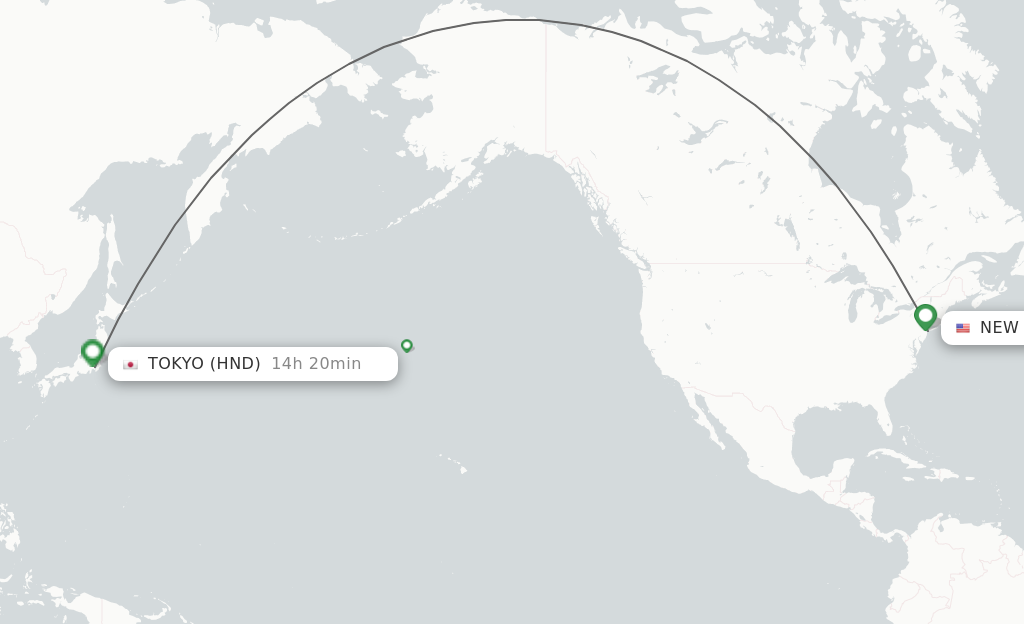
For travelers prioritizing speed and convenience, direct flights are the optimal choice. When departing from major New York City airports such as John F. Kennedy International Airport (JFK) or Newark Liberty International Airport (EWR) to Tokyo’s primary international gateways – Narita International Airport (NRT) or Haneda Airport (HND) – you can expect the flight duration to typically range from 13 to 14.5 hours.
This direct path takes you over the North America continent and across a significant portion of the Pacific Ocean. While a long time to be airborne, it’s the most efficient way to travel this route. The precise duration can vary slightly depending on the specific airline, the aircraft model, and the exact flight path taken on any given day.
Connecting Flights: An Alternative Journey
Should direct flights not be available, or if you prefer to break up the journey, connecting flights offer an alternative. However, this invariably adds to your overall travel time. A typical itinerary with one layover could see your total travel time extend to 16 to 20 hours or even more.
Common layover cities in the U.S. include major West Coast hubs like Los Angeles (LAX), San Francisco (SFO), or Seattle (SEA). Some routes might involve connections through other major U.S. cities further inland, such as Chicago (ORD) or Dallas/Fort Worth (DFW), or even through Canadian cities like Vancouver (YVR). While a layover can be a good opportunity to stretch your legs, grab a meal, or even explore a new city for a few hours, it’s essential to factor in the additional time spent waiting and transferring. For those on a tighter schedule or simply eager to reach their destination, the direct route is almost always preferable.
Factors Influencing Your Flight Time
Several elements contribute to the exact duration of your flight from New York to Japan. Understanding these can help set realistic expectations and even inform your travel planning.
Aircraft Type and Air Speed
Modern long-haul aircraft are designed for efficiency and speed. Airlines typically deploy advanced wide-body jets for trans-Pacific routes. Aircraft like the Boeing 787 Dreamliner and the Airbus A350 are renowned for their fuel efficiency, range, and comfortable cabin environments, allowing them to traverse long distances effectively. While there isn’t a massive speed difference between these jets, newer models often benefit from aerodynamic improvements that can shave a few minutes off the journey. The specific cruising speed and optimal flight path chosen by the pilots and air traffic control will also play a role.
Jet Streams and Weather Conditions
Perhaps the most significant variable affecting flight duration is the presence and strength of jet streams. These are narrow bands of strong westerly winds found in the upper atmosphere. When flying westward from New York to Japan, flights often encounter headwinds, which can slow the aircraft down and increase flight time. Conversely, eastbound flights (from Japan to New York) often benefit from strong tailwinds, significantly reducing the flight duration. It’s not uncommon for an eastbound flight to be an hour or even two hours shorter than its westbound counterpart due to this phenomenon. General weather conditions, such as severe storms or high winds, can also necessitate route deviations, adding to the overall travel time.
Airport and Air Traffic Control Delays
While less about the flight itself, ground delays can certainly impact your overall travel experience. Busy airports like JFK or Newark can experience delays due to air traffic congestion, runway availability, or unforeseen operational issues. Similarly, upon arrival in Tokyo, air traffic control at Narita or Haneda might occasionally hold flights, adding a few minutes to the taxi or arrival sequence. While these are usually minor, they are part of the broader travel equation.
Major Airlines and Routes for Your Trans-Pacific Journey
Several world-class airlines operate direct or connecting flights from New York to Japan, offering a range of services and cabin experiences to suit different budgets and preferences.
Major carriers offering direct flights from JFK or EWR to Tokyo include:

- Japan Airlines (JAL): Renowned for its exceptional service, comfortable cabins, and authentic Japanese hospitality. JAL typically operates out of JFK.
- All Nippon Airways (ANA): Another top-tier Japanese carrier, consistently ranked among the best airlines globally for its comfort, cleanliness, and service. ANA also operates from JFK and sometimes EWR.
- United Airlines: A major U.S. carrier offering direct flights from Newark Liberty International Airport (EWR) to Tokyo.
- Delta Air Lines: Another prominent U.S. airline with direct service from JFK to Tokyo.
For connecting flights, you’ll find a wider array of options, often involving partner airlines through alliances like Star Alliance, Oneworld, or SkyTeam. When booking, consider factors beyond just price: check baggage allowances, seat pitch (legroom), meal service, and in-flight entertainment options, especially for such a long journey. Booking in advance and being flexible with your travel dates can often yield better fares.
Preparing for Your Long-Haul Flight: Comfort and Well-being
A flight of 13-14 hours can seem daunting, but with the right preparation, it can be a comfortable and even enjoyable part of your travel experience. Planning for your well-being onboard is crucial for arriving refreshed and ready to explore Japan.
Choosing the Right Seat and Class
Your comfort level will significantly depend on your chosen class of travel.
- Economy Class: While the most budget-friendly, consider selecting an aisle seat for easier movement or a window seat if you prefer leaning against the wall and don’t mind limited mobility. Some airlines offer “Economy Plus” or “Exit Row” seats with extra legroom for a modest fee, which can be a game-changer on a long flight.
- Premium Economy: This increasingly popular option provides more legroom, wider seats, enhanced meal service, and often a greater recline than standard economy, all at a price point significantly lower than business class. It’s an excellent balance for budget-conscious travelers seeking more comfort.
- Business Class: For those seeking luxury travel, Business Class offers fully-flat beds, gourmet dining, priority boarding, and access to exclusive airport lounges. Airlines like JAL and ANA are renowned for their outstanding Business Class products, turning the flight into an experience in itself.
- First Class: The pinnacle of air travel, offering unparalleled privacy, bespoke service, and the most luxurious amenities. While a significant investment, it ensures you arrive in Japan feeling completely rejuvenated.
Consider your budget and priorities. If it’s a once-in-a-lifetime trip, upgrading to a higher class might be a worthwhile investment in your overall travel experience.
Essential Packing for the Flight
Smart packing for your carry-on can make all the difference:
- Comfortable Clothing: Wear loose, breathable layers. Compression socks can also aid circulation and prevent swelling.
- Hydration: Bring an empty reusable water bottle to fill after security. Staying hydrated is key to combating fatigue and jet lag.
- Entertainment: Load up your devices with movies, TV shows, podcasts, or e-books. While airlines offer in-flight entertainment, having your own backup is always a good idea.
- Comfort Aids: A good quality neck pillow, an eye mask, and noise-canceling headphones are indispensable for rest and relaxation. Earplugs can also be helpful.
- Toiletries: A small bag with a toothbrush, toothpaste, moisturizer, lip balm, and hand sanitizer can help you feel refreshed.
- Snacks: Pack some healthy snacks like nuts, fruit, or granola bars to avoid relying solely on airline food, especially if you have dietary preferences.
Beating Jet Lag for a Smooth Arrival
Crossing multiple time zones (typically 13-14 hours difference between New York and Tokyo) will inevitably lead to jet lag. However, several strategies can help minimize its effects:
- Adjust Before You Go: A few days before your flight, try to shift your sleep schedule by an hour or two each day towards Japan’s time zone.
- Hydrate, Hydrate, Hydrate: Drink plenty of water before, during, and after your flight. Avoid excessive alcohol and caffeine, which can exacerbate dehydration.
- Manage Sleep Onboard: Try to sleep when it’s nighttime at your destination. Use your eye mask and headphones to create a conducive environment.
- Move Around: Get up and walk the aisle every couple of hours to improve circulation. Perform simple stretches in your seat.
- Embrace Daylight: Upon arrival, expose yourself to natural light as much as possible. This helps reset your body clock. Even if you’re tired, try to stay awake until the local bedtime.
- Light Exercise: A gentle walk on your first day can help, but avoid strenuous activity until you’re more adjusted.
- Plan Your First Day: Don’t overschedule your arrival day. Allow time to check into your accommodation, unpack, and gently ease into the local rhythm.
Beyond the Flight: Experiencing Japan’s Wonders
The long flight to Japan is merely the gateway to a country brimming with unparalleled experiences. From ancient traditions to futuristic cityscapes, Japan offers a rich tapestry of culture, cuisine, and natural beauty.
Iconic Destinations and Cultural Immersion
Once you land, the adventure truly begins. Tokyo is a must-see, with its dazzling Shibuya Crossing, towering Tokyo Skytree, and serene Imperial Palace. Beyond the capital, immerse yourself in the historical elegance of Kyoto, home to thousands of temples and shrines, including the golden Kinkaku-ji and the torii gate tunnel of Fushimi Inari-taisha. Explore the geisha district of Gion and the ethereal Arashiyama Bamboo Grove.
Osaka, known as Japan’s kitchen, offers incredible street food in Dotonbori and the impressive Osaka Castle. Further south, Hiroshima stands as a poignant reminder of history with its Peace Memorial Park. Nature lovers can marvel at the majestic Mount Fuji or head north to Hokkaido for winter sports and the beauty of Sapporo’s Odori Park. Each region offers a distinct flavor of Japanese culture, from tea ceremonies and traditional ryokans to anime conventions and cutting-edge technology.
Accommodation Choices in Japan
Japan offers a diverse range of accommodation options to suit every lifestyle and budget.
- Traditional Ryokans: For a truly authentic experience, staying in a ryokan (traditional Japanese inn) is a must. These often include tatami mat rooms, futon beds, hot spring baths (onsen), and multi-course kaiseki dinners.
- Modern Hotels: Major cities like Tokyo, Kyoto, and Osaka boast an extensive selection of international and local hotel chains, from luxury resorts to comfortable mid-range options. Brands like Hilton, Marriott, Ritz-Carlton, Four Seasons, Park Hyatt, Conrad, Andaz, and InterContinental all have a strong presence, offering world-class amenities and service. For example, The Peninsula Tokyo, Park Hyatt Tokyo, or Conrad Tokyo offer stunning views and luxury in the capital. In Kyoto, consider The Ritz-Carlton, Kyoto or Four Seasons Hotel Kyoto, while InterContinental Osaka or W Osaka provide excellent choices in Osaka.
- Capsule Hotels: A unique and budget-friendly option, offering compact sleeping pods with basic amenities. Ideal for solo travelers or short stays.
- Apartments and Guesthouses: For longer stays or family trips, renting an apartment or staying in a guesthouse can provide more space and a local feel.
- Business Hotels: Offering efficient, clean, and well-located accommodation, these are great for budget-conscious travelers or business stays.
Booking accommodation well in advance, especially during peak seasons like cherry blossom (Sakura) season or autumn foliage, is highly recommended.
Maximizing Your Japanese Adventure
Once you’ve navigated the long flight and settled in, make the most of your time. The Shinkansen (bullet train) network makes inter-city travel incredibly fast and efficient, allowing you to cover significant distances and explore various regions with ease. Consider purchasing a Japan Rail Pass if you plan extensive travel. Embrace local culture by trying diverse foods, visiting local markets, participating in festivals like Gion Matsuri, and exploring unique attractions such as the Kyoto International Manga Museum or Universal Studios Japan at Universal CityWalk Osaka. Learning a few basic Japanese phrases will also greatly enhance your interactions and overall experience.
In conclusion, the flight from New York to Japan is indeed a long one, typically spanning 13 to 14.5 hours for a direct journey. However, with careful planning for your comfort onboard and strategic measures to combat jet lag, this considerable travel time can be managed effectively. The reward for this journey is the unparalleled opportunity to explore one of the world’s most captivating destinations, where ancient traditions harmoniously blend with cutting-edge modernity. By understanding the flight logistics and preparing well, you set the stage for an enriching and unforgettable Japanese adventure, making every minute of your travel worthwhile.
LifeOutOfTheBox is a participant in the Amazon Services LLC Associates Program, an affiliate advertising program designed to provide a means for sites to earn advertising fees by advertising and linking to Amazon.com. Amazon, the Amazon logo, AmazonSupply, and the AmazonSupply logo are trademarks of Amazon.com, Inc. or its affiliates. As an Amazon Associate we earn affiliate commissions from qualifying purchases.