
Embarking on a journey from the historic streets of Boston to the bustling metropolis of London is a classic transatlantic adventure. Whether you’re a seasoned globetrotter or planning your first international escapade, understanding the duration of your flight is a crucial piece of the travel puzzle. This guide will delve into the specifics of the flight time between these two iconic cities, touching upon factors that influence it, and what you can expect upon arrival in the United Kingdom.
Understanding the Flight Duration
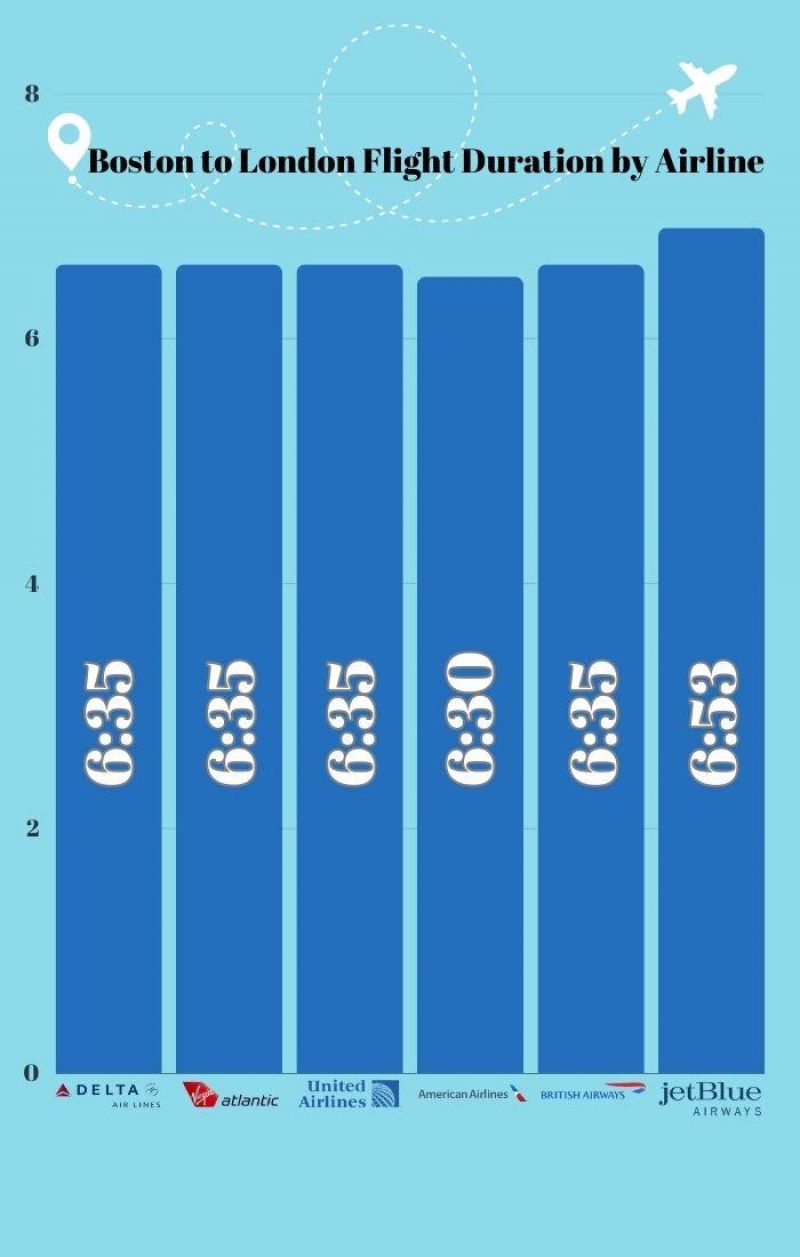
The most direct answer to “How long is the flight to London from Boston?” is that it typically ranges from 6.5 to 7.5 hours. This is for a non-stop or direct flight. Several factors can influence this precise duration, making it essential to check your specific flight details when booking.

Direct vs. Connecting Flights
The most significant differentiator in flight time is whether you opt for a direct flight or one with layovers.
Direct Flights: The Speedy Route
For travelers prioritizing efficiency, a direct flight from Boston Logan International Airport (BOS) to one of London’s major airports, such as Heathrow Airport (LHR) or Gatwick Airport (LGW), is the way to go. These flights are designed to cover the approximately 3,270-mile (5,260-kilometer) distance between the two cities with minimal interruption. The average flight time for a direct route falls within that 6.5 to 7.5-hour window. Airlines like British Airways, Virgin Atlantic, and Delta Air Lines frequently operate these non-stop services. The benefit of a direct flight is not just the saved time but also the reduced stress associated with navigating airport connections and potential delays. You can relax, perhaps catch up on some sleep, or enjoy the in-flight entertainment, knowing you’ll be touching down in London without any intermediate stops.
Connecting Flights: Options and Considerations
While direct flights are the quickest, connecting flights can sometimes offer more budget-friendly options or a wider range of departure times. However, they invariably add to the overall travel time. A connecting flight might involve a stopover in another city, such as New York, Dublin, or a European hub like Amsterdam.
The total travel time for a connecting flight can vary dramatically. It includes:
- Flight time to the connecting city: This will depend on the chosen route.
- Layover duration: This can range from a brief hour to several hours, depending on the airline and the specific itinerary. Longer layovers offer opportunities for a quick bite or a bit of duty-free shopping, but they significantly extend your journey.
- Flight time from the connecting city to London: This segment will also contribute to the overall duration.
When considering a connecting flight, it’s crucial to add up all these components. A flight that looks shorter on paper in terms of actual flying time can end up being considerably longer than a direct flight due to extensive layovers. For instance, a flight with a 3-hour layover could easily push the total travel time to 10-12 hours or more. Always check the total scheduled duration, not just the individual flight legs, when comparing options.
Factors Affecting Flight Time
Beyond the presence of layovers, several other variables can subtly influence how long your flight to London from Boston actually takes.
Wind Conditions and Jet Streams
The Earth’s atmosphere is in constant motion, and understanding wind patterns can shed light on flight duration. Flights traveling eastward across the Atlantic, like those from Boston to London, often benefit from the prevailing jet stream. The jet stream is a fast-flowing, narrow air current in the upper atmosphere. When a flight is able to fly with the jet stream, it acts like a tailwind, pushing the aircraft forward and reducing travel time. Conversely, flying against the jet stream, or encountering strong headwinds, can prolong the flight. Pilots and airlines strategically plan flight paths to maximize tailwinds and minimize headwinds, but atmospheric conditions can be dynamic and are a significant factor in real-time flight adjustments.
Aircraft Type and Speed
While most commercial airliners flying transatlantic routes operate within a similar speed range, the specific aircraft model can have a marginal impact. Larger, more modern aircraft might offer slightly different cruising speeds. However, for the typical traveler, this difference is usually negligible and unlikely to be the primary determinant of your flight duration.
Air Traffic and Airport Congestion
The airspace around major international airports like Boston Logan and London Heathrow can be incredibly busy. Air traffic control plays a vital role in managing the flow of aircraft, and sometimes, planes may need to circle or hold their position before landing due to congestion on the ground or in the air. This can add a few minutes, or in rare cases, longer, to your total flight time. Similarly, the efficiency of ground operations at both departure and arrival airports can influence how quickly you deplane and begin your London experience.
Flight Path Optimization
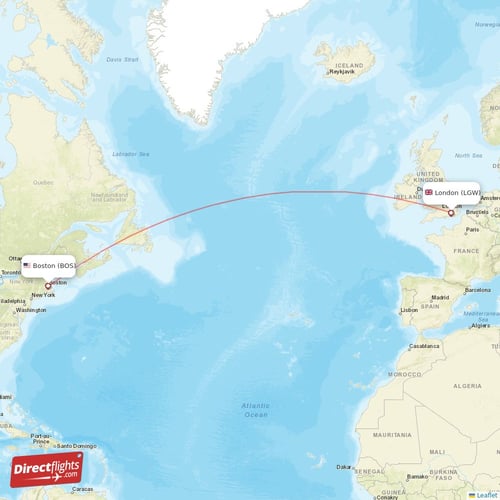
Airlines constantly optimize flight paths based on real-time weather, air traffic, and fuel efficiency. While the Great Circle route (the shortest distance between two points on a sphere) is generally followed, slight deviations might occur to take advantage of favorable winds or avoid turbulent weather. These adjustments, though usually minor, contribute to the overall flight duration.
Preparing for Your Journey
Knowing the flight time is just the first step. To ensure a smooth transition from the skies to the streets of London, some preparation is key.
What to Expect at London Airports
London is served by several major airports, with Heathrow Airport (LHR) being the largest and busiest international gateway, followed by Gatwick Airport (LGW). Others include Stansted Airport (STN), Luton Airport (LTN), and London City Airport (LCY), though direct Boston flights are most common at Heathrow and Gatwick.
Upon arrival, you will go through immigration and customs. The process can vary in length depending on the time of day and the number of flights arriving simultaneously. Be prepared to present your passport and any required travel documents. Once cleared, you’ll proceed to baggage claim.
Transportation from the Airport
London offers excellent public transportation options from its airports to the city center.
- Heathrow Airport (LHR): The Heathrow Express train is the fastest way to Paddington Station (about 15 minutes). The Elizabeth Line offers a more frequent and slightly cheaper service to various stations across London, including Bond Street, Tottenham Court Road, and Liverpool Street. The Piccadilly Line of the London Underground is the most budget-friendly option, though it takes considerably longer (around 50-60 minutes). Taxis and ride-sharing services are also readily available.
- Gatwick Airport (LGW): The Gatwick Express train runs to London Victoria Station (around 30 minutes). Other Southern and Thameslink train services also connect Gatwick to various London stations. Coaches and taxis are also options.
Choosing your transportation in advance can save time and reduce stress after your flight.
Maximizing Your Flight Experience
To make the 6.5 to 7.5 hours (or more, if connecting) as comfortable as possible, consider these tips:
- Pack Smart: Carry-on essentials should include a neck pillow, eye mask, earplugs or noise-canceling headphones, a good book or downloaded entertainment, and any necessary medications.
- Stay Hydrated: Airplane cabins can be dry. Drink plenty of water before, during, and after your flight. Avoid excessive alcohol and caffeine, which can contribute to dehydration.
- Move Around: To prevent stiffness and reduce the risk of deep vein thrombosis (DVT), get up and walk around the cabin when it’s safe to do so. Simple leg and foot exercises can also be done while seated.
- In-Flight Entertainment: Many airlines offer a selection of movies, TV shows, and music. Download content onto your devices beforehand in case the onboard selection is limited or the Wi-Fi is unreliable.
- Comfortable Clothing: Wear loose, comfortable clothing and layers, as cabin temperatures can fluctuate.
Exploring London Upon Arrival
Once you’ve landed and made your way from the airport, the vibrant city of London awaits. Depending on your arrival time and energy levels, you might want to head straight to your accommodation, or perhaps embark on a brief initial exploration.
Accommodation Options in London
London offers a diverse range of accommodation to suit every traveler’s needs and budget, from luxurious hotels to cozy apartments.
- Hotels: You’ll find everything from world-renowned luxury brands like The Ritz London and The Savoy to boutique hotels and well-known chains. Areas like Mayfair, Covent Garden, and South Kensington are popular for their proximity to attractions and their upscale offerings. For those seeking a more budget-conscious stay, areas slightly outside the immediate city center, but still well-connected by public transport, can offer better value.
- Apartments and Serviced Apartments: For longer stays, families, or those who prefer more independence, renting an apartment can be an excellent choice. Many serviced apartments come with kitchens and living areas, offering a home-away-from-home feel. Platforms like Airbnb are also popular for finding unique rentals.
- Resorts and Villas: While not as common within the immediate city limits, some suburban areas or outskirts of London might offer resort-style properties, especially if you’re looking for specific amenities like spas or extensive grounds.
When choosing your accommodation, consider its proximity to public transport links, as well as the specific attractions you plan to visit.
Initial London Experiences
Even after a long flight, there are ways to ease into the London experience.
- A Stroll in a Park: Hyde Park or Regent’s Park offer beautiful green spaces perfect for a relaxing walk and fresh air.
- A Traditional Pub Meal: Enjoying fish and chips or a Sunday roast at a classic British pub is a quintessential London experience and a great way to refuel.
- A West End Show: If you arrive with energy, catching a world-class theatre performance in the West End can be a magical introduction to the city’s cultural heart.
The flight from Boston to London is a significant undertaking, but with proper planning and an understanding of what to expect, it can be the start of an unforgettable adventure in one of the world’s most dynamic cities. Whether you’re drawn to the historical landmarks like the Tower of London, the vibrant atmosphere of Soho, or the regal elegance of Buckingham Palace, your journey across the Atlantic will have been worth every minute.
LifeOutOfTheBox is a participant in the Amazon Services LLC Associates Program, an affiliate advertising program designed to provide a means for sites to earn advertising fees by advertising and linking to Amazon.com. Amazon, the Amazon logo, AmazonSupply, and the AmazonSupply logo are trademarks of Amazon.com, Inc. or its affiliates. As an Amazon Associate we earn affiliate commissions from qualifying purchases.