
Embarking on a journey from the vibrant metropolis of Chicago, Illinois, to the iconic streets of New York City, New York, is a classic American travel experience. Whether for business or leisure, understanding the intricacies of this popular route goes far beyond just knowing the flight duration. It involves a dance of planning, choice, and anticipation, touching upon every aspect of travel from pre-departure logistics to in-destination exploration. While the core question “How long is the flight?” might seem straightforward, the answer, as with most travel, is nuanced, unfolding into a broader narrative about efficient transit, comfortable accommodation, and unforgettable tourism experiences.
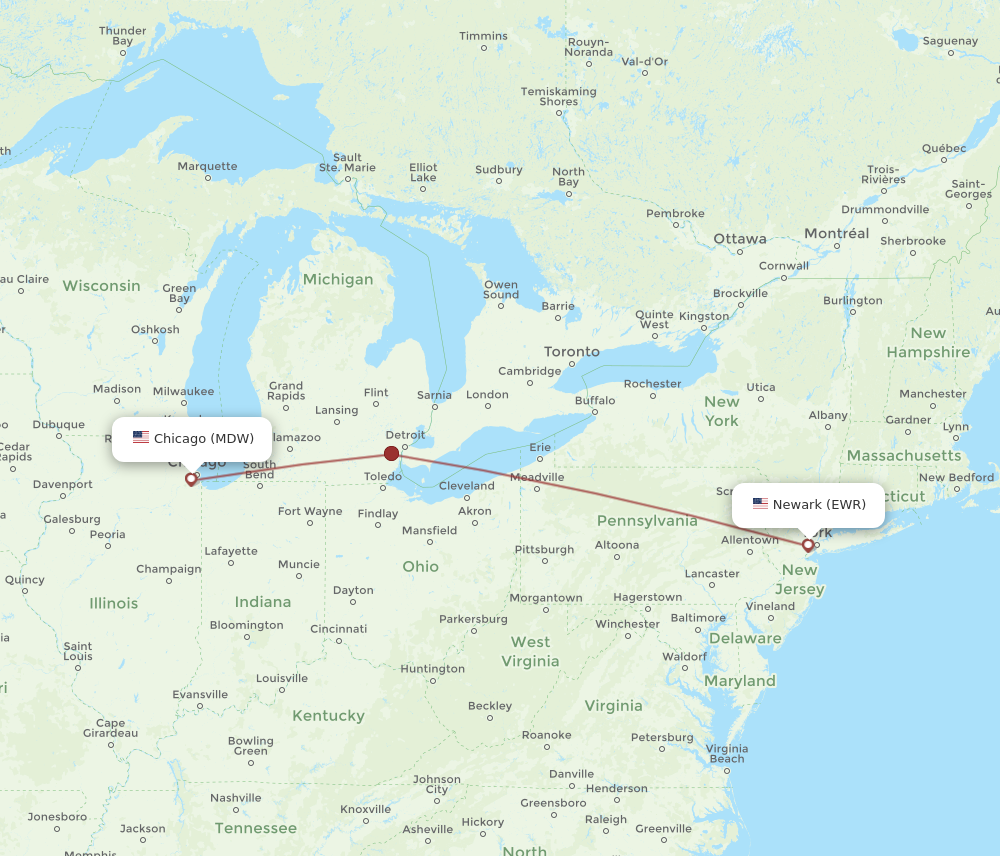
At its heart, a direct flight from Chicago to New York City typically clocks in at around 2 hours to 2 hours and 30 minutes of airtime. This seemingly short duration, however, is merely one piece of the puzzle. To truly comprehend the total travel time and optimize your journey, we must delve into factors like airport choice, layovers, pre-flight preparations, and post-arrival logistics, all while considering the wider context of what makes such a trip worthwhile in terms of lifestyle, attractions, and cultural immersion.
Deconstructing the Flight Duration: More Than Just Airtime
The stated flight time on your ticket is the duration the aircraft spends in the air, from takeoff to landing. Yet, the overall experience of traveling between Chicago and New York encompasses significantly more time on the ground, creating a journey that can easily extend to half a day or more. Understanding these components is key to meticulous travel planning and a stress-free experience.
The Core Airtime: What to Expect
For non-stop services, the actual flight time, engine on to engine off, generally falls within the 120-150 minute range. This is often the most predictable part of your journey. Major airlines such as United Airlines, American Airlines, Delta Air Lines, and Southwest Airlines frequently operate this route, offering multiple daily departures from both Chicago O’Hare International Airport (ORD) and Chicago Midway International Airport (MDW) to New York’s various airports. The efficiency of these carriers and their modern fleets contributes to a relatively smooth and consistent in-air experience, making the short flight a breeze for most passengers.
Factors Influencing Your Flight Time
While the baseline airtime is fairly consistent, several variables can subtly alter the actual duration:
- Wind Conditions: Flying eastbound, as is the case from Chicago to New York, often benefits from prevailing tailwinds, which can shave a few minutes off the journey. Headwinds, conversely, can add time.
- Air Traffic Control (ATC) Delays: Both Chicago and New York are major aviation hubs. Congestion in the skies or on the ground, especially during peak travel times or adverse weather, can lead to holding patterns or extended taxi times, incrementally increasing the overall duration.
- Aircraft Type: Different aircraft models have varying cruising speeds. While this usually only accounts for minor differences on a short haul, it can be a factor.
- Route Optimization: Airlines constantly optimize flight paths for efficiency, but minor adjustments due to weather systems or restricted airspace can occur.
For flights with layovers, the duration naturally extends significantly. A common connecting point might be Charlotte Douglas International Airport (CLT) or Detroit Metropolitan Wayne County Airport (DTW), pushing total travel time to anywhere from 5 to 8 hours, depending on the length of the layover. While direct flights are overwhelmingly preferred for this route due to their speed and convenience, connecting flights can sometimes offer cost savings for budget-conscious travelers.
Pre-Flight and Post-Flight Considerations
The journey truly begins long before takeoff and ends well after landing. Accounting for these ground-based components is crucial for accurate trip planning:
- Airport Arrival: Experts recommend arriving at least 90 minutes to 2 hours before a domestic flight, especially at busy airports like O’Hare (ORD) or LaGuardia (LGA). This allows ample time for check-in, baggage drop, and navigating security checkpoints.
- Boarding and Taxiing: Boarding typically commences 30-45 minutes before departure. Once everyone is on board, the aircraft’s taxi to the runway can take anywhere from 10 minutes to over 30 minutes, particularly at sprawling airports during busy periods.
- Deplaning and Baggage Claim: Upon arrival, deplaning can take 10-20 minutes. If you have checked luggage, factor in another 15-45 minutes for baggage claim, depending on the airport’s efficiency.
- Ground Transportation: Traveling from the airport to your final destination in either city is a significant chunk of time. In New York City, a taxi from JFK Airport to Midtown Manhattan can be an hour or more, while using public transit like the AirTrain JFK and subway might take 60-90 minutes. Similarly, getting from O’Hare to Downtown Chicago via the CTA Blue Line can be 45-60 minutes.
When all these elements are combined, a trip from Chicago to New York City, including airport transfers, can realistically span 5-7 hours door-to-door for a direct flight, and considerably longer for connecting routes.
Choosing Your Airports: Gateways to the Windy City and the Big Apple
Your choice of departure and arrival airports significantly impacts not only travel time but also convenience, cost, and overall experience. Both Chicago and New York offer multiple options, each with its unique advantages.
Departing from Chicago: O’Hare vs. Midway
- Chicago O’Hare International Airport (ORD): As one of the world’s busiest airports, O’Hare is a major hub for United Airlines and American Airlines. It offers the widest selection of flights, including numerous daily non-stops to all three New York City area airports. Its vastness means potentially longer walks between gates and more extensive security lines, but its excellent connectivity to Downtown Chicago via the CTA Blue Line makes it a popular choice. Accessing O’Hare can take 30-60 minutes from downtown, depending on traffic and public transport.
- Chicago Midway International Airport (MDW): Smaller and closer to Downtown Chicago, Midway is a primary hub for Southwest Airlines. It’s often praised for its efficiency, shorter security lines, and easier navigation. The CTA Orange Line provides a direct link to the Loop in about 20-25 minutes. If your airline choice permits, Midway can offer a more streamlined airport experience, potentially cutting down your total travel time on the ground.
Arriving in New York: JFK, LaGuardia, or Newark?
The New York City metropolitan area is served by three major airports, each catering to different preferences and final destinations:
- John F. Kennedy International Airport (JFK): Located in Queens, JFK is the largest and furthest from Manhattan. It’s a major international gateway but also handles a high volume of domestic flights. Public transit via the AirTrain JFK and subway is efficient but can be time-consuming (60-90 minutes to Midtown). Taxis are readily available but susceptible to traffic, especially on the Long Island Expressway.
- LaGuardia Airport (LGA): Also in Queens, LaGuardia is the closest to Manhattan and primarily serves domestic routes. Recent redevelopment projects have transformed it into a modern, passenger-friendly facility. Ground transportation, primarily by bus (M60 SBS) and taxi, typically takes 30-50 minutes to Midtown, though traffic can be unpredictable. Its proximity often makes it a preferred choice for business travelers heading to Manhattan.
- Newark Liberty International Airport (EWR): Located in Newark, New Jersey, EWR is a hub for United Airlines and serves both domestic and international flights. It offers convenient rail access to Manhattan’s Penn Station via NJ Transit after taking the AirTrain Newark. The total journey to Midtown can be around 45-60 minutes. Newark is often a good option for those staying on the west side of Manhattan or in New Jersey.
Your choice will depend on your budget, final destination, preferred mode of transport, and tolerance for potential delays.
Beyond the Flight: Crafting Your Chicago to New York Experience
A trip between these two titans of American culture isn’t solely about the journey itself; it’s about the entire experience, from securing your ticket to savoring the local attractions. Integrating broader travel themes like accommodation, tourism, and lifestyle allows for a holistic approach to planning.
Planning Your Journey: Airlines, Booking, and Best Practices
Securing the right flight at the right price is fundamental. Numerous airlines ply the Chicago-New York route, offering a spectrum of services. United Airlines and American Airlines provide extensive non-stop options from O’Hare, while Southwest Airlines is a dominant force at Midway. Delta Air Lines also offers competitive routes.
- Booking Strategy: Generally, booking 2-3 months in advance yields the best prices, though flexibility with travel dates can unlock significant savings. Mid-week flights (Tuesday, Wednesday) are often cheaper than weekend travel. Consider flying during off-peak seasons (e.g., late January to early March, or September/October excluding holidays) for fewer crowds and better deals.
- Travel Insurance: For longer trips or if you have specific concerns, travel insurance can provide peace of mind against unexpected cancellations or medical emergencies.
- Loyalty Programs: If you’re a frequent flyer, sticking with one airline alliance (Star Alliance, Oneworld, SkyTeam) can earn you valuable miles and perks, enhancing your lifestyle experience with upgrades or lounge access.
Accommodating Your Stay: Hotels, Resorts, and Unique Options
Once your flight is secured, finding the perfect place to stay is next. Both Chicago and New York boast an incredible array of accommodation options, catering to every budget and preference.
- Luxury Hotels: In New York, iconic establishments like The Plaza Hotel, St. Regis New York, or Mandarin Oriental, New York offer unparalleled service and amenities for a truly luxurious lifestyle. In Chicago, the Langham Chicago, Four Seasons Hotel Chicago, or The Peninsula Chicago epitomize sophistication and comfort.
- Boutique Hotels: For those seeking unique character and personalized experiences, options like The Bowery Hotel or Greenwich Hotel in NYC, or Hotel Zachary near Wrigleyville in Chicago, provide distinct charm.
- Budget-Friendly Stays: Hostels, budget hotel chains, or exploring options slightly outside the prime tourist zones can yield significant savings without compromising too much on convenience. Consider areas like Long Island City in Queens for NYC, or neighborhoods like Lincoln Park or Wicker Park in Chicago.
- Apartments and Villas: For longer stays, family trips, or a desire for a more home-like experience, platforms offering apartments or villas are excellent choices, providing kitchens and more space. This can be especially appealing for a budget travel lifestyle, as cooking some meals can cut down on dining expenses.
- Resorts and Suites: While more common outside city centers, some urban hotels offer resort-like amenities or spacious suites, blending the comfort of home with hotel services. The JW Marriott Chicago or the New York Marriott Marquis offer impressive suites and facilities suitable for business or family stays.
Always check recent reviews and compare prices across different booking platforms to ensure you’re getting the best value for your accommodation.
Exploring Your Destination: Must-See Landmarks and Local Culture
Both Chicago and New York are treasure troves of landmarks, cultural experiences, and culinary delights, central to any comprehensive tourism guide.
In Chicago: The Windy City’s Charms
Before or after your flight, immerse yourself in Chicago’s unique blend of architectural grandeur and vibrant culture:
- Architecture River Cruise: A must-do to appreciate the city’s famed skyscrapers.
- Millennium Park: Home to the iconic “Cloud Gate” (the Bean) sculpture.
- Art Institute of Chicago: A world-class museum with an extensive collection.
- Willis Tower Skydeck: Offers breathtaking panoramic views from its glass ledges.
- Deep-Dish Pizza: Indulge in Chicago’s culinary staple at places like Lou Malnati’s or Giordano’s.
- Navy Pier: A family-friendly destination with rides, restaurants, and entertainment.
In New York: The Big Apple’s Endless Wonders
Upon arrival, New York City offers an overwhelming array of attractions:
- Times Square: The dazzling heart of Manhattan.
- Central Park: An urban oasis perfect for strolls, picnics, or people-watching.
- Statue of Liberty & Ellis Island: Historic symbols of freedom and immigration.
- Empire State Building & Top of the Rock: Iconic observation decks offering stunning city views.
- Broadway Shows: Experience world-class theater.
- Museum Mile: Explore renowned institutions like the Metropolitan Museum of Art or the Guggenheim Museum.
- Diverse Neighborhoods: Wander through Greenwich Village, SoHo, Chinatown, and Little Italy for distinct cultural and culinary experiences.
Both cities offer rich local culture, from jazz clubs in Chicago to live music venues in New York’s East Village, ensuring there’s always something to do regardless of your interests.
Maximizing Your Trip: Lifestyle, Budget, and Travel Tips
Tailoring your journey to your specific needs – whether it’s a quick business trip, a luxurious escape, or a family adventure – is essential for an optimal travel lifestyle.
Tailoring Your Trip: Luxury, Budget, Business, or Family Travel
- Luxury Travel: Opt for first-class or business-class flights, stay at five-star hotels (The St. Regis New York, The Peninsula Chicago), book private car services, and indulge in fine dining and exclusive experiences like private tours or Broadway VIP packages.
- Budget Travel: Fly economy, choose budget airlines or flights with layovers, select hostels or more affordable hotels (Pod Hotels in NYC), utilize public transportation, and seek out free attractions (Central Park, Lincoln Park Zoo).
- Business Stays: Prioritize direct flights to airports closest to your meeting locations (LGA for Manhattan), choose hotels with business centers and good Wi-Fi (Hyatt Regency Chicago, Grand Hyatt New York), and consider lounge access for pre-flight productivity.
- Family Trips: Look for hotels with family-friendly amenities (pools, connecting rooms), plan activities suitable for all ages (Museum of Science and Industry in Chicago, American Museum of Natural History in NYC), and factor in extra time for transitions and meals with children.
Essential Travel Tips for a Seamless Journey
- Pack Smart: For a short domestic flight, a carry-on can save time at baggage claim. Check airline baggage policies beforehand.
- Stay Hydrated: Air travel can be dehydrating. Drink plenty of water before, during, and after your flight.
- Airport Apps: Download your airline’s app and your chosen airport’s app for real-time updates on gate changes, delays, and security wait times.
- Pre-Book Ground Transportation: Especially in New York, pre-booking airport transfers or having your public transit route mapped out can save time and reduce stress.
- Leverage Technology: Mobile boarding passes, ride-sharing apps, and digital maps are invaluable tools for modern travel.
- Flexible Scheduling: Build a buffer into your schedule, especially for connecting flights or important appointments, to account for unforeseen delays.
In conclusion, the flight time from Chicago to New York is a swift 2 to 2.5 hours in the air. However, the complete journey, a tapestry woven with airport logistics, ground transportation, and careful planning, can range from 5 to 7 hours door-to-door. By understanding these components, selecting the optimal airports, and integrating considerations for accommodation, tourism, and your preferred travel lifestyle, you can transform a simple flight into an enriching and enjoyable adventure between two of America’s most magnificent cities. Whether you’re chasing the dazzling lights of Times Square or admiring Chicago’s architectural marvels, the path connecting them is as much a part of the experience as the destinations themselves.
LifeOutOfTheBox is a participant in the Amazon Services LLC Associates Program, an affiliate advertising program designed to provide a means for sites to earn advertising fees by advertising and linking to Amazon.com. Amazon, the Amazon logo, AmazonSupply, and the AmazonSupply logo are trademarks of Amazon.com, Inc. or its affiliates. As an Amazon Associate we earn affiliate commissions from qualifying purchases.