
Embarking on a journey to the enchanting island of Puerto Rico promises an unforgettable escape filled with vibrant culture, stunning landscapes, and pristine beaches. However, a common initial query for many aspiring travelers revolves around the practicalities of the trip, most notably: “How long is the flight to Puerto Rico?” The answer, while seemingly straightforward, depends on various factors including your departure city, whether your flight is direct or involves layovers, and even prevailing weather conditions. Understanding these elements can help you better plan your itinerary, choose the most convenient travel options, and prepare for a seamless journey to this jewel of the Caribbean.
This comprehensive guide will delve into typical flight durations from major hubs, explore the factors that influence your travel time, and offer insights into making your journey as comfortable and enjoyable as possible. Beyond the flight itself, we’ll also touch upon what awaits you on the island, from luxurious accommodation to iconic landmarks and rich local experiences, ensuring your entire travel adventure is well-informed and exciting.
Understanding Flight Durations to Puerto Rico
The primary gateway to Puerto Rico for most international travelers is Luis Muñoz Marín International Airport (SJU), located just outside the capital city of San Juan. As a major hub in the Caribbean, SJU receives numerous flights daily from various parts of the United States and beyond.
Direct Flights from Major U.S. Cities
For travelers departing from the continental United States, direct flights offer the quickest route to Puerto Rico. The East Coast typically enjoys shorter flight times due to its closer proximity to the island.
- From Florida (e.g., Miami, Orlando, Fort Lauderdale): Flights are generally the shortest, ranging from 2 hours and 30 minutes to 3 hours. Cities like Miami (MIA) and Orlando (MCO) serve as popular departure points, with numerous daily services.
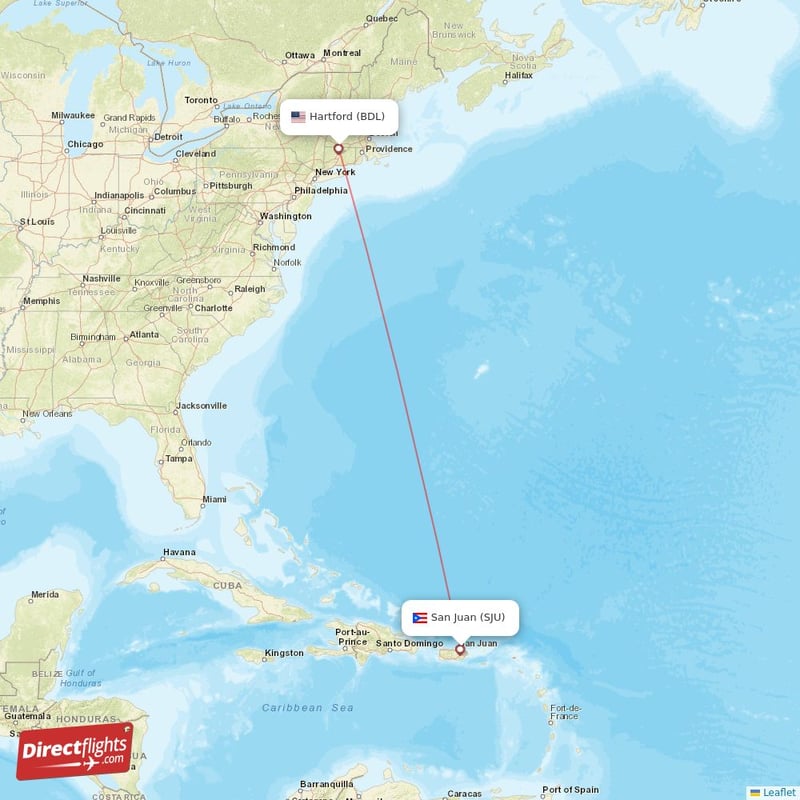
- From the Northeast (e.g., New York, Boston, Philadelphia): Travelers from major metropolitan areas such as New York (JFK, LGA, EWR), Boston (BOS), and Philadelphia (PHL) can expect flights to last between 3 hours and 30 minutes to 4 hours and 30 minutes. These routes are incredibly popular, offering frequent options from various carriers.
- From the Midwest (e.g., Chicago): From cities like Chicago (ORD), a direct flight to Puerto Rico typically takes around 4 hours and 30 minutes to 5 hours.
- From the West Coast (e.g., Los Angeles, San Francisco): Direct flights from the West Coast are less common, but when available, they represent the longest direct journeys, often taking 6 hours to 7 hours. Many travelers from these regions will opt for a connecting flight through a major hub.
Connecting Flights and Layover Impact
If a direct flight isn’t available from your preferred airport, or if you’re looking for more budget-friendly options, a connecting flight might be your best bet. While this often means a lower fare, it inevitably adds to your overall travel time. Layovers can range from a quick 1-hour stop to extended waits of 6 hours or more, depending on the airline and specific routing. A flight that might take 4 hours directly could easily extend to 7-10 hours or more with a layover. When booking, always consider the total travel time, not just the flight segments, to manage your expectations and comfort levels. Major connecting hubs often include Charlotte (CLT), Atlanta (ATL), and various Florida airports.
International Routes and Longer Journeys
While the majority of international visitors hail from the United States, Puerto Rico also welcomes travelers from other parts of the world. Flights from Europe, for example, are significantly longer and almost always involve at least one connection, often in a major U.S. city or another Caribbean hub.
- From Europe (e.g., Madrid, London, Frankfurt): Expect total travel times ranging from 9 hours to 15 hours or more, including layovers. Some airlines offer direct flights seasonally from certain European cities, which would reduce the actual flying time to approximately 7 to 8 hours, but these are less frequent than U.S. routes.
- From Canada (e.g., Toronto, Montreal): Direct flights can take 4 hours to 5 hours, but many will connect through U.S. cities, extending total travel time.
Factors Influencing Your Travel Time
Beyond the geographical distance, several other elements can impact the actual time you spend in the air and en route to Puerto Rico. Being aware of these can help you choose the best flights and prepare for potential variations.
Aircraft Type and Air Traffic Control
The type of aircraft used for your flight can subtly influence travel time. Modern jets are designed for efficiency and speed, but air traffic control directives play a much more significant role. Busy airspace, especially around major hubs, can lead to delays on the tarmac or in the air, adding minutes or even an hour to your journey. Air traffic patterns around Puerto Rico itself are generally less congested than mainland U.S. airports, but departures from large cities can often face this challenge.
Weather Conditions and Wind Patterns
Weather is an undeniable factor in air travel. Strong headwinds, particularly when flying west (which isn’t usually the case when flying to Puerto Rico from the U.S.), can slow down an aircraft, while tailwinds can significantly shorten a flight. More commonly, adverse weather conditions at either the departure or arrival airport, such as thunderstorms or heavy rain, can lead to delays, diversions, or even cancellations. While Puerto Rico enjoys a tropical climate, hurricane season (typically June to November) can bring severe weather that impacts flight schedules. It’s always wise to check weather forecasts for both your departure city and San Juan before your trip.
Choosing Your Departure Airport
The specific airport you depart from, even within the same metropolitan area, can affect flight duration and frequency. For instance, New York offers flights from JFK, LGA, and EWR, each with potentially different direct flight availability and connection options. Larger airports with more routes generally offer more choices and flexibility, but might also come with higher traffic and potential delays. Consider convenience, cost, and typical flight times when selecting your departure point.
Preparing for Your Journey to the Enchanting Island
Once you have a clear idea of your flight duration, the next step is to ensure your journey is as comfortable and enjoyable as possible. Travel preparation is key to a stress-free experience, especially when heading to a tropical paradise like Puerto Rico.
Maximizing Comfort on Long-Haul Flights
Regardless of whether your flight is 2 hours or 7, maximizing comfort is crucial. For longer flights, consider:
- Seat Selection: If possible, choose seats with extra legroom or in less crowded sections. Aisle seats offer easier access for stretching your legs.
- Packing Essentials: Bring a good neck pillow, an eye mask, earplugs, and comfortable layers of clothing. Hydration is key, so carry a reusable water bottle to fill after security.
- In-Flight Entertainment: Load up your devices with movies, music, or e-books. Many airlines offer in-flight entertainment systems, but having your own backup is always a good idea.
- Movement: Get up and stretch or walk around the cabin periodically to promote circulation, especially on flights over three hours.
Navigating Luis Muñoz Marín International Airport (SJU)
Upon arrival at Luis Muñoz Marín International Airport (SJU), you’ll find a modern and well-equipped facility. As a U.S. territory, domestic flights from the U.S. mainland do not require passing through immigration or customs. This significantly speeds up the arrival process compared to truly international destinations. Once you’ve collected your luggage, various transportation options are available to take you to your accommodation in San Juan or beyond, including taxis, ride-sharing services, and rental cars. The airport is conveniently located, making the transfer to popular areas like Condado or Old San Juan relatively quick.
Beyond the Flight: Making the Most of Your Puerto Rico Experience
Once your flight to Puerto Rico has landed and you’ve settled in, a world of adventure awaits. The island caters to every type of traveler, from those seeking vibrant nightlife and exquisite dining to nature enthusiasts and history buffs.
Top Attractions and Landmarks to Explore
Puerto Rico is rich in cultural and natural landmarks.
- Old San Juan: A UNESCO World Heritage site, Old San Juan is a must-visit. Wander through its cobblestone streets, marvel at colorful Spanish colonial architecture, and explore historic forts like El Morro (Castillo San Felipe del Morro) and Castillo San Cristóbal. This area offers a blend of history, boutique shops, and excellent dining.
- El Yunque National Forest: The only tropical rainforest in the U.S. National Forest System, El Yunque is a natural wonder. Hike through lush trails, discover stunning waterfalls, and listen to the coqui frogs. It’s an ideal destination for nature lovers and adventurers.
- Beaches: Puerto Rico boasts some of the world’s most beautiful beaches. Flamenco Beach on Culebra island is consistently ranked among the best globally, famous for its white sand and clear turquoise waters. Other popular choices include those in Luquillo, Dorado, and the metropolitan beaches of Condado and Isla Verde in San Juan.
- Bioluminescent Bays: Experience the magical glow of Puerto Rico’s bioluminescent bays. Mosquito Bay on Vieques is considered the brightest in the world, offering an ethereal kayaking experience after dark.
Diverse Accommodation Options for Every Traveler
Puerto Rico offers a wide array of accommodation choices to suit every budget and lifestyle.
- Luxury Resorts and Hotels: For those seeking a lavish escape, San Juan and coastal areas like Dorado offer world-class resorts such as Dorado Beach, a Ritz-Carlton Reserve, the historic Condado Vanderbilt Hotel, and the iconic Caribe Hilton. These properties often feature stunning ocean views, gourmet dining, spas, and private beach access.
- Boutique Hotels and Apartments: Old San Juan is home to charming boutique hotels that blend historical ambiance with modern comforts. For a more local experience or a longer stay, apartments and villas are widely available through platforms like Airbnb, providing kitchen facilities and a sense of home away from home, perfect for family trips or group travel.
- Budget-Friendly Options: Travelers on a budget can find numerous guesthouses, hostels, and more affordable hotels outside the main tourist strips. Options near the universities or in residential neighborhoods can offer great value while still providing easy access to attractions.
Embracing Local Culture and Cuisine
Puerto Rico’s vibrant culture is a fusion of Taíno, Spanish, and African influences.
- Food: Don’t leave without savoring the local cuisine. Try mofongo (fried plantains mashed with garlic and pork cracklings), lechon (roast suckling pig), and alcapurrias (fritters). Indulge in fresh seafood and enjoy a café con leche from a local coffee shop.
- Music and Dance: Salsa music is the heartbeat of Puerto Rico. Experience it live in local bars and clubs, or catch a cultural show. The island’s festivals are also a fantastic way to immerse yourself in the local rhythm and traditions.
- Art and Craft: Explore local art galleries, particularly in Old San Juan, and pick up unique handcrafted souvenirs.
Essential Travel Tips for a Seamless Puerto Rico Adventure
To ensure your Puerto Rico adventure is as smooth as possible, keep these tips in mind:
- Currency and Language: The official currency is the U.S. dollar. While Spanish is the official language, English is widely spoken, especially in tourist areas and major cities.
- Transportation: Renting a car offers the most flexibility for exploring the island beyond San Juan. However, in Old San Juan, walking is the best way to get around, and taxis or ride-shares are readily available for shorter distances.
- Best Time to Visit: The peak season is typically from December to May, when the weather is cooler and drier. June to November is hurricane season, but travel during this period can offer lower prices and fewer crowds, with sunny days still being common. Always monitor weather forecasts if traveling during this time.
- Packing: Pack light, breathable clothing suitable for a tropical climate. Don’t forget swimwear, sunscreen, insect repellent (especially for El Yunque or the bioluminescent bays), and comfortable walking shoes.
In conclusion, the flight to Puerto Rico is an accessible journey, particularly for travelers from the United States, with direct flights taking as little as 2.5 hours from Florida and up to 7 hours from the West Coast. While connecting flights and external factors can extend travel time, careful planning can mitigate these impacts. Once you arrive, the vibrant culture, breathtaking natural beauty, and warm hospitality of Puerto Rico will undoubtedly make every moment of your journey worthwhile. Prepare for an enriching experience that blends relaxation with adventure, historic discovery with modern charm, all waiting for you on this captivating Caribbean island.