
The allure of history and the vibrant pulse of a modern city converge in Boston, Massachusetts, offering an unparalleled travel experience. Among its many treasures, the Freedom Trail stands out as a beacon of American heritage, inviting millions of visitors each year to walk in the footsteps of patriots and revolutionaries. For anyone planning a trip to this historic city, a fundamental question often arises: “How long is the Freedom Trail in Boston?” The answer is more than just a number; it’s an invitation to explore the depth of its historical significance, the variety of its landmarks, and the myriad ways one can experience this iconic journey.
This comprehensive guide will not only definitively answer the question of the trail’s length but also delve into what makes it a must-visit destination, offering insights into its sites, practical tips for navigating its path, and recommendations for making your entire Boston visit unforgettable. From delving into the rich tapestry of the American Revolution to discovering charming neighborhoods and exquisite dining, the Freedom Trail is the cornerstone of any Boston adventure, blending travel, tourism, and a profound appreciation for United States landmarks.
Unraveling the Length and Legacy of the Freedom Trail
The Freedom Trail is more than just a path; it’s a meticulously preserved route connecting 16 historically significant sites that played pivotal roles in the birth of the United States. Understanding its true length and historical context is the first step in appreciating its profound impact.
The Definitive Answer: How Long is the Freedom Trail?
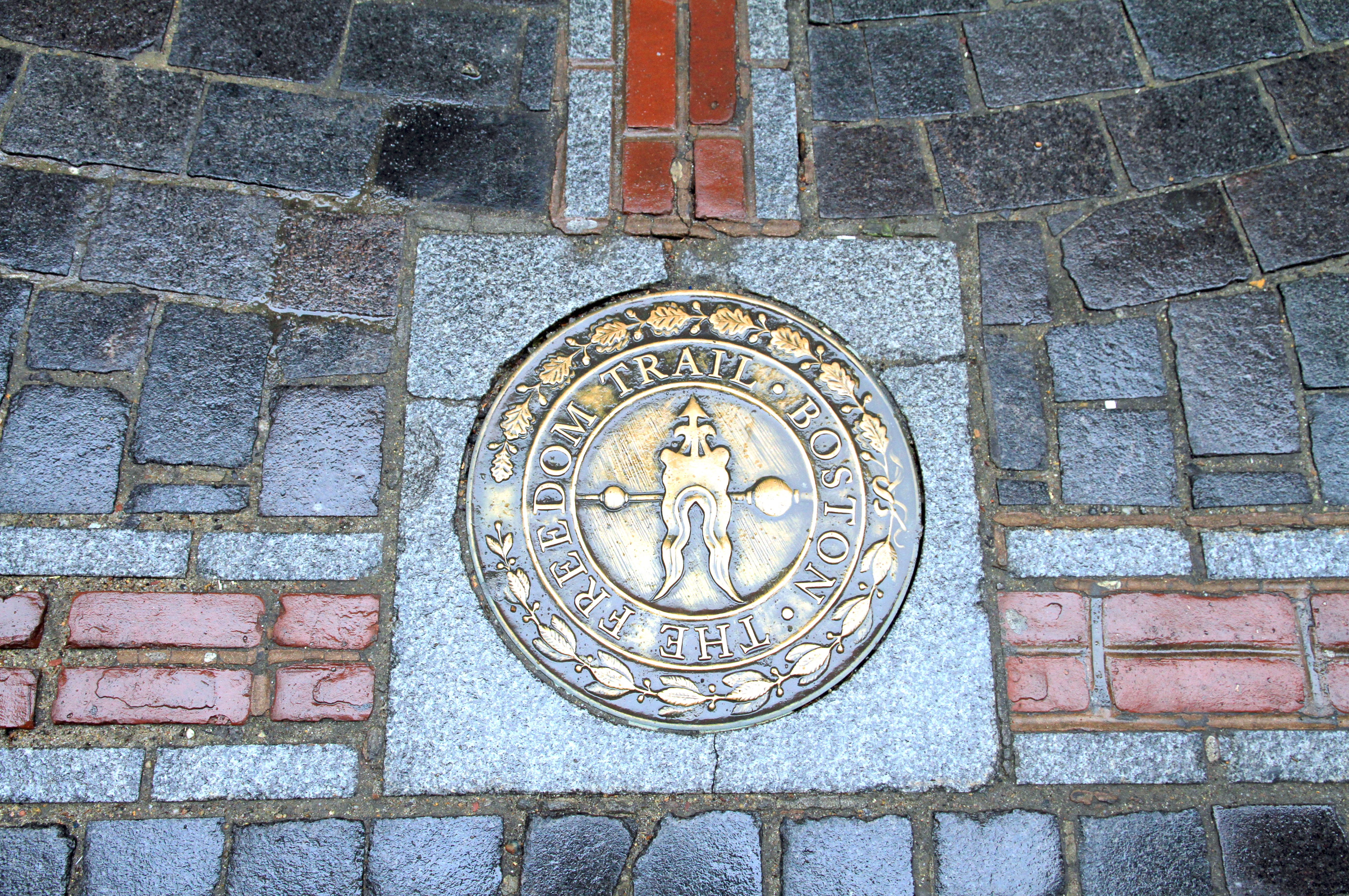
The Freedom Trail is officially 2.5 miles (approximately 4 kilometers) long. This red-brick path, or painted red line, meticulously guides visitors through the heart of Boston, starting at Boston Common and concluding at the Bunker Hill Monument in Charlestown. While the core walking distance is indeed 2.5 miles, it’s crucial for travelers to understand that the actual walking distance can easily extend beyond this figure. Exploring each of the 16 sites, detouring for photos, visiting gift shops, or pausing for a meal in one of Boston’s historic neighborhoods like the North End (also known as Little Italy) can add significant mileage to your day. Factor in walking from your accommodation to the starting point and back, or navigating public transport, and a full day exploring the trail could involve walking anywhere from 4 to 6 miles (6.5 to 9.5 kilometers) or more. This makes comfortable footwear an absolute necessity for anyone embarking on this journey.
A Walk Through History: The Significance of the Freedom Trail
Conceived in 1951 by local journalist William Schofield, the Freedom Trail was designed to make Boston’s rich American Revolution history accessible to all. It serves as a tangible link to the past, allowing visitors to immerse themselves in the events and places that shaped the nation. From the stirring speeches that ignited revolutionary fervor to the solemn resting places of historical figures, each step along the trail recounts a chapter in America’s struggle for independence. It’s a journey not just through space, but through time, offering a profound understanding of the values and sacrifices upon which the United States was founded. As a landmark in itself, the trail provides an exceptional educational experience, making it a cornerstone of Boston’s tourism appeal. It’s an essential experience for those interested in local culture, history, and the iconic places that define American identity.

Navigating the Iconic Sites Along the Trail
The true magic of the Freedom Trail lies in its diverse collection of sites, each telling its own compelling story. Planning your journey effectively ensures you get the most out of every historical moment.
From Boston Common to Bunker Hill: The 16 Official Sites
The 2.5-mile path is meticulously curated to include 16 official historical landmarks, each marked with informational plaques. Here’s a brief overview of the journey from start to finish:
- Boston Common: The oldest park in the United States, once a grazing pasture and a camp for British troops.
- Massachusetts State House: Designed by Charles Bulfinch, this impressive building with its golden dome is the seat of the Massachusetts government.
- Park Street Church: Known for its beautiful spire, it was here that William Lloyd Garrison delivered his first public anti-slavery speech.
- Granary Burying Ground: The final resting place of notable patriots like Samuel Adams, John Hancock, and Crispus Attucks.
- King’s Chapel: Boston’s first Anglican church, featuring stunning Georgian architecture.
- King’s Chapel Burying Ground: The oldest burying ground in Boston, where you can find the graves of Governor John Winthrop and Mary Chilton.
- Benjamin Franklin Statue & Site of the Former Boston Latin School: A tribute to Boston’s most famous son, located near the site of America’s first public school.
- Old Corner Book Store: Once a hub for famous American authors, it stands as the oldest commercial building in Boston.
- Old South Meeting House: The largest building in colonial Boston, famous as the organizing point for the Boston Tea Party.
- Old State House: The oldest surviving public building in Boston, it was the center of colonial government and the scene of the Boston Massacre.
- Boston Massacre Site: Marked by a cobblestone circle, commemorating the tragic event of March 5, 1770.
- Faneuil Hall: Known as the “Cradle of Liberty,” a historic marketplace and meeting hall where Samuel Adams and James Otis delivered rousing speeches.
- Paul Revere House: The oldest house in downtown Boston and the home of the famed patriot Paul Revere.
- Old North Church: “One if by land, and two if by sea” – the place where Paul Revere’s lanterns famously signaled the approach of British troops.
- Copp’s Hill Burying Ground: The second oldest burying ground in Boston, offering stunning views of the Charlestown waterfront and the USS Constitution.
- USS Constitution & USS Constitution Museum: “Old Ironsides,” the oldest commissioned warship afloat in the world, docked in Charlestown Navy Yard.
- Bunker Hill Monument: A 221-foot granite obelisk commemorating one of the earliest battles of the American Revolution.

Planning Your Journey: Time, Pace, and Logistics
While the trail is 2.5 miles, the time it takes to complete can vary significantly based on your pace and interest level.
- Self-Guided Tour: A brisk walk without significant stops could take about 1.5 to 2 hours. However, to truly appreciate the history, allowing 3 to 5 hours for a self-guided tour is more realistic, including time to explore inside the buildings and grounds.
- Guided Tours: The Freedom Trail Foundation offers excellent guided tours led by costumed historical characters. These typically last around 90 minutes to 2 hours and cover a significant portion of the trail, usually ending near Faneuil Hall. You can then continue the rest of the trail at your own pace.
- Segmenting the Trail: Many visitors choose to break the trail into smaller segments over one or two days, especially if traveling with children or those with limited mobility. The first half, from Boston Common to Faneuil Hall, is densely packed with sites and easily accessible. The second half, crossing into the North End and Charlestown, offers a different charm and often includes more walking between sites.
- Best Time to Visit: Spring and fall offer the most pleasant weather for walking, with fewer crowds than the peak summer months. Early mornings are best to avoid the heaviest foot traffic, especially at popular spots like Faneuil Hall and the Paul Revere House.
Enhancing Your Freedom Trail Experience
Beyond simply walking the path, there are numerous ways to enrich your historical journey and soak in the vibrant atmosphere of Boston.
Essential Tips for Trailblazers
To ensure a comfortable and memorable experience, consider these practical tips:
- Footwear is Key: As highlighted, you’ll be doing a lot of walking on varied terrain, including cobblestones. Comfortable walking shoes are non-negotiable.
- Stay Hydrated and Energized: Carry a water bottle and some snacks. There are plenty of opportunities to purchase food and drinks along the way, especially in the Downtown Crossing, Quincy Market, and North End areas, but having your own provisions is always a good idea.
- Weather Preparedness: Boston’s weather can be unpredictable. Dress in layers and be prepared for sun, rain, or a sudden chill, even in summer.
- Accessibility: The Freedom Trail is generally accessible, but some older buildings and cobblestone sections might pose challenges for wheelchairs or strollers. It’s advisable to check individual site accessibility if this is a concern.
- Family-Friendly Travel: The trail is excellent for families. Many sites offer interactive exhibits and programs for children. Consider incorporating a fun activity like riding the swan boats in the Boston Public Garden or visiting the New England Aquarium to break up the historical intensity for younger travelers.
- Maps and Apps: Pick up a physical map at the Boston Common Visitor Information Center or download a Freedom Trail app for turn-by-turn navigation and additional historical context.
Beyond the Trail: Immersing Yourself in Boston’s Charm
While the Freedom Trail is undoubtedly the star attraction, Boston offers a wealth of other experiences that cater to diverse interests, enriching your overall travel itinerary.
- Culinary Delights: Boston’s food scene is legendary. After exploring the trail, treat yourself to authentic Italian cuisine in the North End, fresh seafood and clam chowder in the Seaport District, or a classic burger and beer at a historic pub. Quincy Market at Faneuil Hall is perfect for a quick bite or sampling diverse local fare.
- Art and Culture: Dive into world-class museums such as the Museum of Fine Arts or the enchanting Isabella Stewart Gardner Museum. Catch a performance at Symphony Hall or explore the independent art galleries in the South End.
- Academics and Innovation: Take a short trip across the Charles River to Cambridge and wander through the prestigious campuses of Harvard University and MIT (Massachusetts Institute of Technology), experiencing a different facet of Boston’s intellectual legacy.
- Sports Enthusiast: If you’re visiting during baseball season, catching a Boston Red Sox game at Fenway Park is an iconic Boston experience.
Accommodation and Lifestyle: Making the Most of Your Boston Visit
Choosing the right place to stay and integrating your Freedom Trail adventure into a broader Boston itinerary is crucial for a memorable trip, whether you’re seeking luxury travel, a budget-friendly option, or a family-focused stay.
Where to Stay: Hotels and Neighborhoods Near the Freedom Trail
Boston offers a diverse range of accommodations, from opulent resorts to charming boutique hotels and practical apartments, catering to every budget and preference. When planning your visit, proximity to the Freedom Trail is often a key consideration, especially if you plan to walk segments of it over several days.
- Downtown/Financial District: This area is directly adjacent to many Freedom Trail sites and offers excellent access to public transportation. You’ll find a mix of upscale hotels and business-oriented accommodations. Options like the Omni Parker House, a historic landmark itself, or the modern Kimpton Nine Zero Hotel provide luxurious comfort. The Godfrey Hotel Boston offers a chic, contemporary experience close to Downtown Crossing. For those looking for more mid-range options, the Courtyard by Marriott Boston Downtown provides convenient access without breaking the bank.
- Beacon Hill: Known for its picturesque cobblestone streets, gas lamps, and elegant brownstones, Beacon Hill offers a charming and historic stay, albeit often at a higher price point. It’s a short walk to the start of the Freedom Trail at Boston Common. Accommodations here are often boutique hotels or luxury suites that offer a taste of Boston’s refined lifestyle.
- North End: For those who want to immerse themselves in Boston’s vibrant Italian-American culture and be steps away from sites like the Paul Revere House and Old North Church, staying in the North End is ideal. While fewer large hotels exist, charming guesthouses and apartment rentals provide an authentic experience, perfect for long-term stays or those seeking local culture.
- Waterfront/Seaport District: These areas offer modern hotels with stunning views of the Atlantic Ocean and Boston Harbor. While a bit further from the initial Freedom Trail sites, they provide easy access to the Boston Tea Party Ships & Museum and feature a bustling restaurant scene. The Boston Harbor Hotel exemplifies luxury in this district, offering world-class amenities and services. The Hilton Boston Downtown/Faneuil Hall offers a solid option that bridges the gap between the waterfront and the historic core.
- Back Bay: Known for its beautiful Victorian brownstones, high-end shopping on Newbury Street, and proximity to the Boston Public Garden, Back Bay is another excellent choice for upscale accommodations and a refined lifestyle experience. While not directly on the trail, it’s easily accessible via a pleasant walk through the Public Garden to Boston Common.
When choosing accommodation, consider factors like booking in advance, reading reviews, and comparing prices, especially during peak tourist seasons. Many hotels offer family suites or specific amenities that cater to different travel styles, from business stays to budget-conscious holidays.
Crafting Your Ideal Boston Itinerary
Integrating the Freedom Trail into a broader Boston itinerary allows for a comprehensive travel experience.
- Multi-Day Exploration: Don’t feel pressured to complete the entire trail in one day. Breaking it down allows for deeper exploration of individual sites and time to enjoy other Boston attractions.
- Themed Days: Dedicate one day to history with the Freedom Trail, another to arts and culture with museums, and perhaps a third to shopping, dining, and exploring specific neighborhoods like Cambridge or the North End.
- Transportation: Boston’s public transportation, known as “The T,” is efficient and can help you navigate between districts, especially if your accommodation isn’t within easy walking distance of all your planned activities. Logan International Airport is also well-connected to downtown via public transport.
- Experiences Beyond the City: Consider a day trip to nearby historical towns like Lexington and Concord, or a scenic drive up the Massachusetts coast.
In conclusion, the Freedom Trail in Boston is a compact yet profound journey, officially measuring 2.5 miles. However, its true length is measured not just in distance but in the depth of historical immersion and personal discovery it offers. By carefully planning your visit, choosing suitable accommodation, and embracing the broader charm of Boston, you can transform a simple walk into an unforgettable exploration of America’s storied past and vibrant present.