
The High Line in New York City stands as a testament to urban renewal, transforming an abandoned elevated railway into a captivating linear park. Far more than just a walking path, it’s a vibrant public space that interweaves nature, art, and design, offering a unique perspective of the city’s dynamic landscape. When planning a visit, one of the most common questions is precisely how long this iconic attraction is, and what a visitor can expect to experience along its length. Understanding the High Line’s dimensions is key to strategizing your visit, allowing you to immerse yourself fully in its charm, whether you’re seeking a leisurely stroll, a cultural exploration, or simply a tranquil escape above the bustling streets of Manhattan.

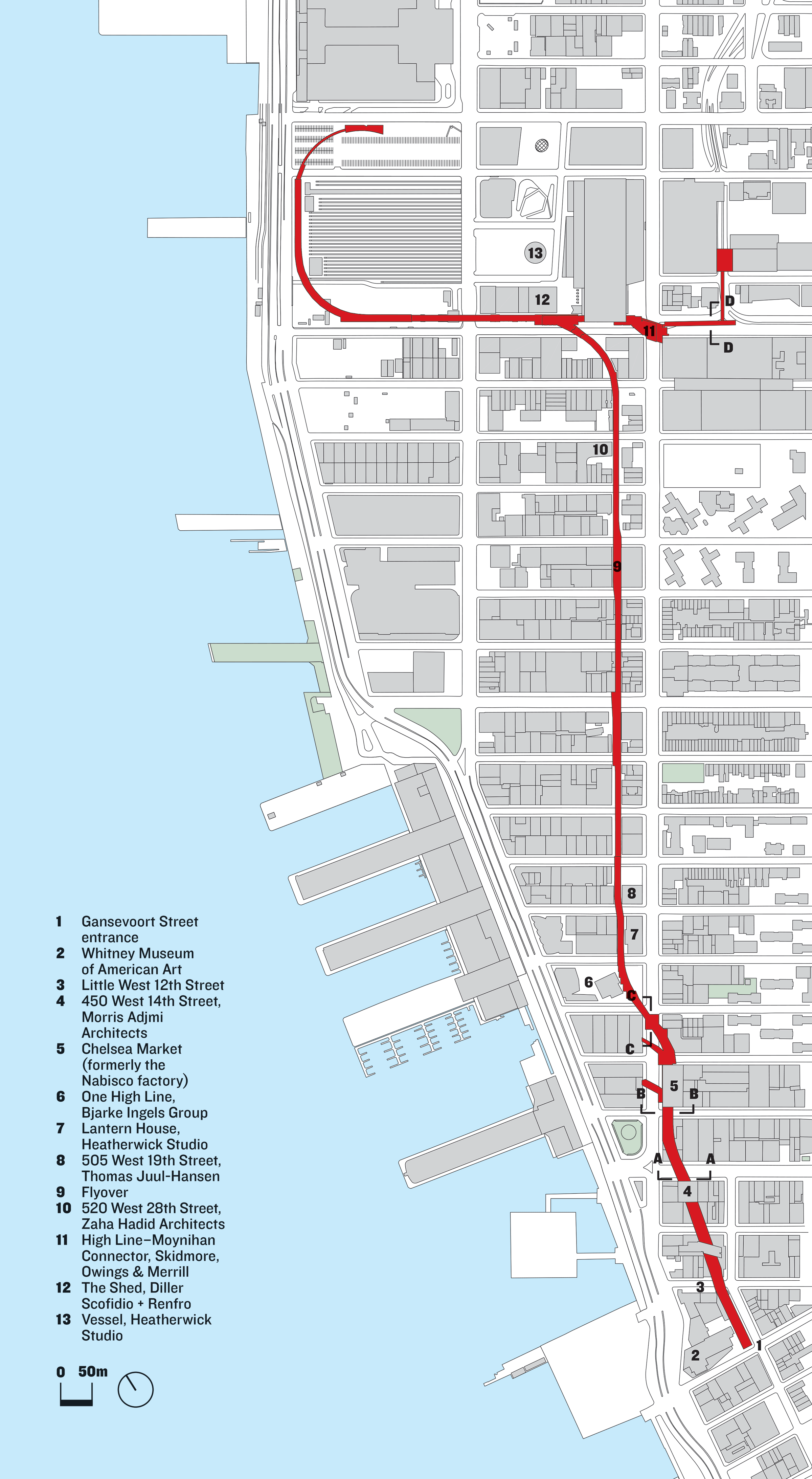
This remarkable park stretches for 1.45 miles (approximately 2.33 kilometers) along the west side of Manhattan, from Gansevoort Street in the Meatpacking District, through Chelsea, and up to Hudson Yards at West 34th Street. This length, while seemingly modest, encompasses a rich tapestry of meticulously designed gardens, public art installations, and panoramic viewpoints, making every step an discovery. The journey along the High Line is an experience in itself, offering glimpses into New York‘s industrial past while celebrating its vibrant present and future. For travelers interested in landmarks and attractions, the High Line provides an unparalleled urban exploration, blending nature with architecture in a way that truly embodies New York’s innovative spirit.
Unveiling The High Line’s Length and Genesis
To fully appreciate the scope of the High Line, it’s essential to understand not just its physical dimensions but also the incredible story of its creation. The park’s 1.45-mile length is a carefully planned and executed marvel, a triumph of adaptive reuse that has inspired similar projects around the globe. This elevated greenway is divided into three distinct sections, each with its own character and charm, reflecting the varied neighborhoods it traverses.
From Industrial Relic to Urban Oasis
The story of the High Line begins in 1934, when it was built as an elevated freight rail line to carry goods to and from Manhattan’s busiest industrial district, circumventing dangerous street-level crossings. For decades, it served as a vital artery for commerce, transporting everything from meat to mail. However, with the rise of interstate trucking in the mid-20th century, the railway’s utility waned, and the last train ran in 1980. The structure sat dormant for years, overgrown with weeds, a rusting relic threatening to be demolished.
The tide turned in 1999 when a local non-profit organization, Friends of the High Line, was founded by Joshua David and Robert Hammond. Their vision was audacious: to preserve the historic structure and transform it into a public park. This initiative sparked a fierce grassroots movement, garnering widespread community and political support. After years of advocacy, fundraising, and meticulous planning, construction began, spearheaded by landscape architects James Corner Field Operations and planting designer Piet Oudolf, with architects Diller Scofidio + Renfro.
The first section of the High Line, from Gansevoort Street to West 20th Street, opened to the public in June 2009. The second section, from West 20th Street to West 30th Street, followed in June 2011. The final section, extending from West 30th Street to West 34th Street, including the High Line at the Rail Yards, was completed and opened in September 2014. Each phase of the park’s development meticulously preserved elements of its industrial past, integrating them with contemporary design and sustainable horticulture, creating a unique urban experience that attracts millions of visitors annually.
The Transformative Power of Public Spaces
The High Line is more than just a park; it’s a vibrant urban artery that has profoundly impacted its surrounding neighborhoods. Its creation has spurred significant economic development, particularly in the Meatpacking District and Chelsea, leading to a surge in new businesses, hotels, restaurants, and art galleries. This phenomenon, often referred to as the “High Line effect,” showcases the immense power of thoughtful urban planning and investment in public green spaces.
For travelers, the park offers a unique opportunity to engage with local culture and community life. It serves as a communal backyard for residents and a must-see destination for tourists, fostering a sense of connection and shared experience. The success of the High Line has become a global case study for sustainable urban regeneration, demonstrating how seemingly obsolete infrastructure can be reimagined to enhance quality of life, boost tourism, and create enduring landmarks. Its existence profoundly influences lifestyle choices for those living nearby and shapes the travel itineraries of those visiting New York.
Navigating The High Line: A Section-by-Section Guide
While the total length of the High Line is less than 1.5 miles, dividing your visit into its distinct sections can enhance your exploration. Each segment offers different views, features, and accessibility points, making it possible to tailor your experience to your interests and time constraints.
The Southern Gateway: Gansevoort Street to 20th Street
The southernmost section of the High Line begins at Gansevoort Street in the bustling Meatpacking District. This area is renowned for its trendy boutiques, upscale dining, and vibrant nightlife, making it a fantastic starting or ending point for your visit. As you ascend onto the park, you’ll immediately be greeted by an array of diverse plantings that mimic the self-seeded landscape that once reclaimed the abandoned tracks.
Key features in this section include the Diller-Von Furstenberg Sundeck & Water Feature, a popular spot to relax, cool off, and enjoy expansive views of the Hudson River. Further north, the High Line crosses over 10th Avenue with an impressive overlook, offering a dramatic vantage point for watching the city’s traffic flow beneath you. This part of the park is also home to the Whitney Museum of American Art, a must-visit for art enthusiasts, which has a direct entrance from the High Line. The integration of such significant attractions highlights the park’s role as a cultural connector.
The Central Stretch: 20th Street to 30th Street
Continuing north, the central section of the High Line runs through the heart of Chelsea, a neighborhood celebrated for its art galleries, design studios, and culinary scene. This segment of the park is often considered its most iconic, featuring a greater diversity of landscapes and artistic installations. The pathways here meander through dense groves of trees, open lawns, and beautifully designed planting beds that burst with color throughout the seasons.
Highlights include the 23rd Street Lawn, a large grassy area perfect for picnics and sunbathing, and the 26th Street Viewing Spur, which offers another cantilevered viewpoint, perfect for capturing photographs of the cityscape. The area around West 25th Street is often an active hub, with various food vendors and temporary art installations. The famous Chelsea Market is also just a short walk away, providing an excellent opportunity for foodies to explore diverse culinary options after a stroll. This central section epitomizes the blend of natural beauty and urban engagement that the High Line offers, making it a prime spot for tourism and leisure.
The Northern Terminus: 30th Street to Hudson Yards
The final stretch of the High Line extends from West 30th Street to its northern end at West 34th Street, culminating in the ambitious Hudson Yards development. This newer section offers a distinct experience, characterized by broader pathways and impressive views of the modern skyscrapers that define the burgeoning Hudson Yards complex. Here, the park feels more expansive, with a greater emphasis on large-scale urban design.
Notable features include the Interim Walkway, a gravel path that provides a more rustic feel, reminiscent of the original overgrown railway, and the spur at West 30th Street, which extends east towards 10th Avenue and connects directly into the Hudson Yards development, offering access to its retail, dining, and cultural attractions. This includes The Vessel, an interactive public artwork, and the Edge Observation Deck, providing breathtaking panoramic views of New York. This section perfectly illustrates the High Line’s role in connecting historical industrial areas with cutting-edge urban development, making it a fascinating destination for those interested in contemporary architecture and city planning.
Beyond the Walkway: Attractions and Experiences Along The High Line
The 1.45-mile journey along the High Line is rich with diverse experiences, extending beyond the mere act of walking. It serves as a gateway to a myriad of attractions, cultural sites, and culinary delights, making it an integral part of any New York City itinerary.
Artistic Encounters and Green Sanctuaries
The High Line is renowned for its dynamic presentation of public art. Throughout the year, visitors can encounter rotating installations, murals, and sculptures by international artists, seamlessly integrated into the landscape. These pieces often interact with the park’s industrial heritage or comment on contemporary urban life, providing thought-provoking moments for reflection. The High Line is essentially an open-air museum, constantly evolving and offering new perspectives on art in public spaces.
Beyond art, the park itself is a masterclass in urban ecology. Its carefully curated gardens feature over 500 species of plants, many of which are native to the region, attracting diverse wildlife. The planting design by Piet Oudolf creates a captivating landscape that changes with the seasons, from vibrant spring blooms to autumnal hues and frosted winter textures. These green sanctuaries provide a crucial habitat for urban biodiversity and offer visitors a serene escape from the city’s concrete jungle. For those passionate about nature and sustainability, the High Line is an inspiring model.
Culinary Delights and Local Flavors
A walk along the High Line inevitably stimulates the appetite, and fortunately, the surrounding neighborhoods are culinary hotspots. The Meatpacking District offers everything from high-end dining experiences to casual cafes. A short detour leads to Chelsea Market, a world-famous indoor food hall and shopping mall, where visitors can sample an incredible array of cuisines, fresh produce, and gourmet treats. It’s a perfect spot for lunch or an afternoon snack.
Along the park itself, particularly during warmer months, you’ll find various food vendors offering refreshing drinks, ice cream, and quick bites. These pop-up stalls provide convenient sustenance as you explore. For a more formal dining experience, numerous restaurants with stunning park views line the High Line, offering diverse menus to suit every taste and budget. Exploring these culinary options is a key part of the tourism experience, allowing visitors to savor local food and flavors.
Iconic Landmarks and Neighborhood Explorations
The High Line’s elevated vantage point provides unique perspectives on New York City’s architecture and landmarks. To the west, the Hudson River offers glimpses of New Jersey and the boats navigating the waterway. To the east, historic buildings blend with modern skyscrapers, showcasing the city’s evolving skyline.
Beyond the park, the surrounding neighborhoods of the Meatpacking District, Chelsea, and Hudson Yards are brimming with additional attractions.
- Meatpacking District: Known for its cobblestone streets, high-fashion boutiques, and the Whitney Museum of American Art.
- Chelsea: Home to hundreds of art galleries, the Chelsea Piers Sports & Entertainment Complex, and the vibrant Chelsea Market.
- Hudson Yards: A futuristic micro-city featuring The Vessel, the Edge Observation Deck, luxury shopping, and fine dining.
Exploring these areas in conjunction with your High Line visit allows for a comprehensive New York City experience, making it perfect for those on a family trip, a romantic getaway, or a business stay looking to explore local culture.
Planning Your High Line Adventure
A truly memorable visit to the High Line requires a bit of planning, from choosing the best time to go to finding suitable accommodation.
Best Times to Visit and Accessibility
The High Line is open year-round, from early morning until late evening, though hours vary by season. Each season offers a distinct charm:
- Spring: Vibrant blooms and fresh greenery emerge, making for a picturesque walk.
- Summer: Lush vegetation, sunny skies, and a lively atmosphere with food vendors and public programs. It can get crowded, so consider visiting in the morning or late afternoon.
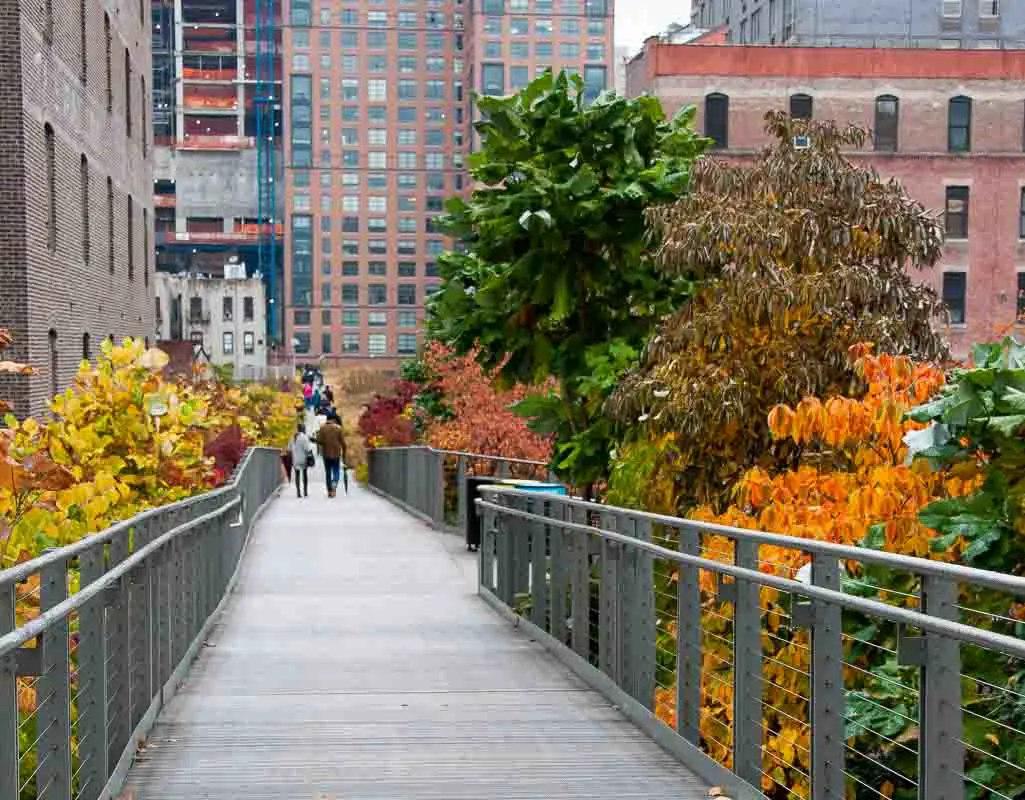
- Fall: Breathtaking autumnal colors, cooler temperatures, and fewer crowds make for an ideal strolling experience.
- Winter: A quieter, serene experience with frosted landscapes and unique views of the city. While colder, it offers a peaceful escape.
The park is fully accessible, with several elevators and ramps located at various access points along its length, making it welcoming for visitors with strollers, wheelchairs, or mobility challenges. Entrances are located at Gansevoort Street, 14th Street, 16th Street, 20th Street, 23rd Street, 26th Street, 28th Street, 30th Street, and 34th Street. Checking the official High Line website for current hours and accessibility information is always recommended.
Where to Stay: Hotels and Accommodation Near The High Line
Given its prime location and popularity, the neighborhoods surrounding the High Line offer a wealth of accommodation options to suit every lifestyle and budget. From luxury hotels to boutique stays and serviced apartments, staying near the park provides convenient access to not just the High Line but also to Chelsea, the Meatpacking District, and Hudson Yards.
- Luxury Options: For those seeking an indulgent experience, The Standard, High Line, located directly over the park at Gansevoort Street, offers chic design, rooftop bars, and stunning views. Another excellent choice is the Kimpton Hotel Eventi or the Equinox Hotel Hudson Yards which provides an unparalleled wellness-focused luxury experience within steps of the park’s northern end.
- Boutique Hotels: Chelsea and the Meatpacking District are dotted with stylish boutique hotels like The Maritime Hotel or Dream Downtown, offering unique design and a personalized experience. These hotels often immerse guests in the local culture and artistic vibe of the neighborhoods.
- Mid-Range and Budget-Friendly: While Manhattan can be pricey, there are still mid-range hotels and apartment-style accommodations available in nearby areas, particularly further east in Chelsea or around Penn Station, providing a more budget-friendly option while still offering good access via public transportation.
- Long-term stay and Apartments: For those planning an extended visit or traveling with family, serviced apartments or vacation rentals can provide more space and amenities, simulating a home-away-from-home experience. Booking in advance is always advisable, especially during peak tourism seasons.
When choosing your accommodation, consider its proximity to the entrance you plan to use most, as well as access to subway lines for exploring other parts of New York City. Utilizing online booking platforms and checking reviews can help in making an informed decision.
Tips for an Unforgettable Visit
To make the most of your 1.45-mile journey on the High Line, here are a few tips:
- Wear Comfortable Shoes: You’ll be doing a lot of walking, so prioritize comfort.
- Go Early or Late: To avoid the largest crowds, especially on weekends, visit right after opening or closer to closing time.
- Bring Water: Stay hydrated, particularly during warmer months, as shade can be limited in some areas.
- Explore Beyond the Park: Don’t forget to wander the streets below. The surrounding neighborhoods are full of charm, galleries, and fantastic eateries.
- Check for Events: The High Line often hosts free public programs, including stargazing, art tours, and family-friendly activities. Check their official website before your visit.
- Take Your Time: While it’s only 1.45 miles, rushing through means missing out on the intricate details, hidden art, and peaceful spots. Allow at least 1.5 to 2 hours for a leisurely stroll from end to end, plus extra time for stops.
- Photography: The High Line offers countless photographic opportunities, from unique urban vistas to close-ups of fascinating plant life.
- Support the Park: Consider making a donation to Friends of the High Line to help maintain this incredible public space.
In conclusion, the High Line in New York is a relatively short but incredibly impactful urban park. Its 1.45 miles offer a concentrated burst of beauty, culture, and unique city views, making it an indispensable part of any New York City travel guide. Whether you traverse its entire length or explore just a section, the experience is guaranteed to be a highlight of your visit, reflecting the innovative spirit and transformative power of public spaces in one of the world’s most dynamic cities.
LifeOutOfTheBox is a participant in the Amazon Services LLC Associates Program, an affiliate advertising program designed to provide a means for sites to earn advertising fees by advertising and linking to Amazon.com. Amazon, the Amazon logo, AmazonSupply, and the AmazonSupply logo are trademarks of Amazon.com, Inc. or its affiliates. As an Amazon Associate we earn affiliate commissions from qualifying purchases.