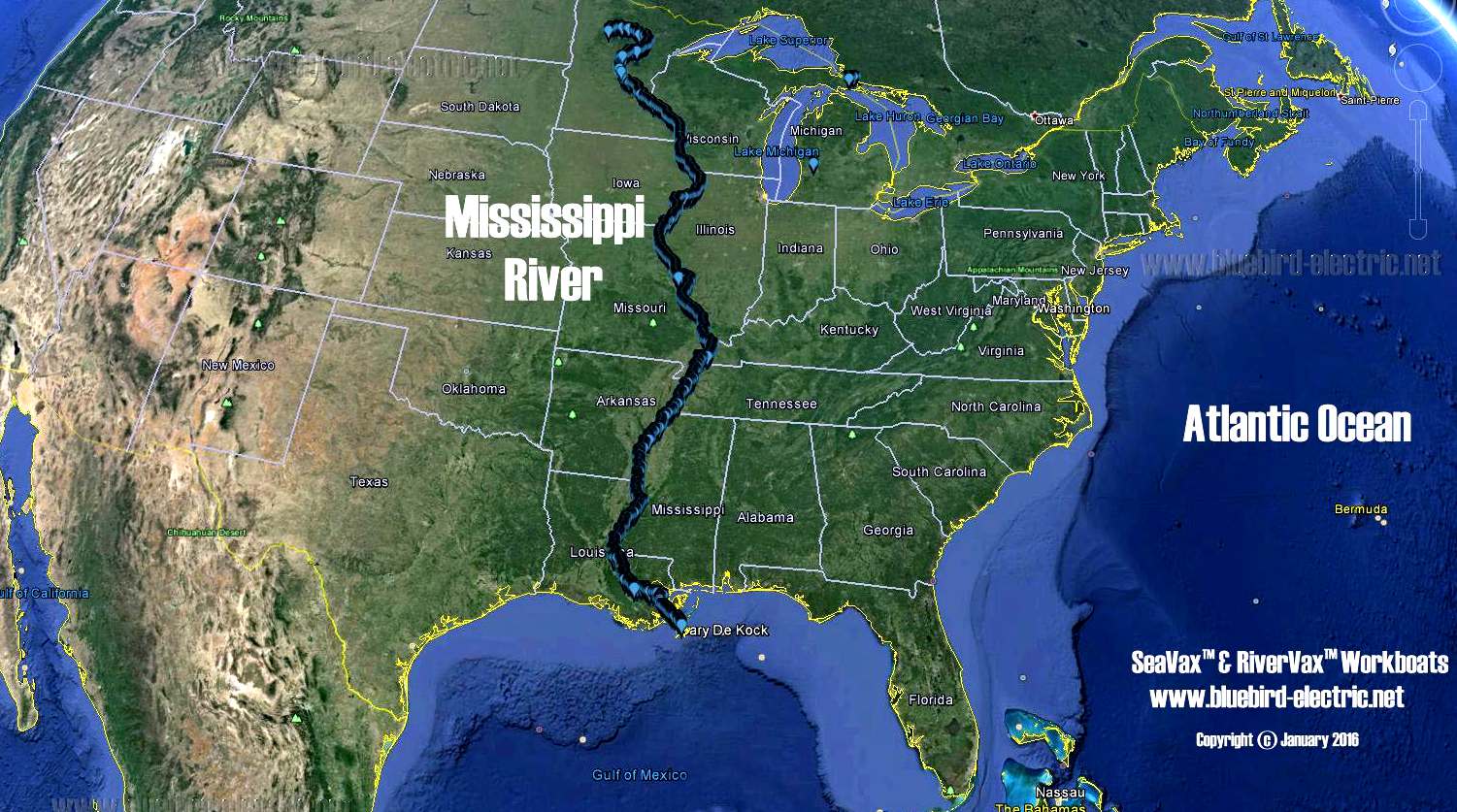
The Mississippi River is more than just a colossal waterway; it is the lifeblood of America, a meandering historical pathway, and an unparalleled destination for travelers seeking to explore the heartland of the United States. Its sheer scale, rich history, and diverse ecosystems offer an endless tapestry of experiences, from tranquil natural parks to vibrant urban centers. One of the most frequently asked questions about this iconic river is, “How long is the Mississippi River?” The answer, while seemingly straightforward, is steeped in geographical nuance and historical significance, making the journey from its humble Minnesota origins to the expansive Gulf of Mexico an adventure in itself.
For those with a passion for travel, understanding the length of the Mississippi River is just the beginning. It unlocks a world of tourism possibilities, from planning an epic road trip along its banks to embarking on a luxurious riverboat cruise. This article will not only pinpoint the precise length of this magnificent landmark but also delve into the myriad ways travelers can immerse themselves in its culture, history, and natural beauty, highlighting key destinations, accommodation options, and unforgettable experiences.

The Definitive Length: A Journey from Source to Sea
To truly appreciate the magnitude of the Mississippi River, one must trace its path from its unassuming beginning to its grand terminus. The official length often cited for the Mississippi River is approximately 2,340 miles (3,766 kilometers). This measurement typically starts from its accepted source in Lake Itasca, Minnesota, and follows its winding course south until it empties into the Gulf of Mexico in Louisiana. However, this figure can vary slightly depending on the exact measurement techniques and whether one accounts for the ever-changing meanders and diversions of the river over time.
This immense length makes the Mississippi River the second-longest river in North America and the fourth-longest in the world. When combined with its longest tributary, the Missouri River, the Missouri-Mississippi River system forms the longest river system on the continent, stretching an astonishing 3,710 miles (5,970 kilometers) from the Rocky Mountains to the Gulf of Mexico. This extended system drains 31 U.S. states and two Canadian provinces, showcasing its unparalleled geographical influence.
Pinpointing the Source: Lake Itasca’s Enduring Mystery
The journey of the Mississippi River begins in the pristine wilderness of northern Minnesota within Itasca State Park. Here, Lake Itasca, a relatively small, picturesque lake, is officially recognized as the river’s primary source. This charming location offers a unique travel experience, allowing visitors to literally walk across the nascent river on a series of stepping stones. The moment you step across the modest trickle of water, you are at the very beginning of a waterway that will grow into a continental giant.
Itasca State Park itself is a prime destination for nature lovers and those seeking serene accommodation. The park boasts stunning old-growth forests, diverse wildlife, and numerous hiking and biking trails. Travelers can stay in rustic cabins, well-appointed lodges, or camp under the stars, offering a budget-friendly yet immersive lifestyle choice. Visiting the Headwaters of the Mississippi is an unforgettable experience, symbolizing the humble beginnings of a monumental journey. It’s a testament to how the grandest natural landmarks often start from the most unassuming places, making it a powerful draw for tourism.
Tracing the Path: Major Tributaries and Geographic Impact
As the Mississippi River flows southward, it gathers strength and volume from countless streams and, most significantly, from its mighty tributaries. The two most prominent are the Missouri River and the Ohio River. The confluence with the Missouri River near St. Louis, Missouri, dramatically increases the Mississippi’s flow and width. Originating in the Rocky Mountains, the Missouri is longer than the Mississippi itself and significantly contributes to the sediment load, giving the lower Mississippi its characteristic muddy appearance.
Further south, the Ohio River, originating in the Allegheny Mountains and joining the Mississippi near Cairo, Illinois, nearly doubles the volume of the Mississippi’s water. This confluence marks a significant transition, transforming the river into the powerful, wide waterway most people envision. Exploring these confluences offers a unique perspective for geography enthusiasts and travelers interested in the immense forces of nature. These points are often celebrated with parks and viewing areas, providing excellent opportunities for photography and reflection on the river’s power.

The Grand Finale: Where the River Meets the Gulf
After traversing over two thousand miles, carving through diverse landscapes and shaping the destinies of numerous communities, the Mississippi River culminates its journey by emptying into the Gulf of Mexico in a vast delta region in Plaquemines Parish, Louisiana. This delta is a marvel of natural engineering, a dynamic and ever-changing landscape of wetlands, bayous, and distributaries, known locally as “passes.”
The journey to the mouth of the Mississippi offers a different kind of travel experience. Here, eco-tourism thrives, with opportunities for guided swamp tours, birdwatching, and fishing expeditions. The rich biodiversity of the delta makes it a paradise for wildlife photographers and nature enthusiasts. Accommodation in this region often includes charming fishing lodges, houseboats, or boutique hotels in nearby coastal towns, providing an authentic taste of Cajun and Creole culture. It’s a dramatic end to a spectacular journey, a place where the fresh water of the continent finally merges with the salty expanse of the ocean.
The Mississippi River Experience: A Traveler’s Guide
Beyond its impressive statistics, the Mississippi River offers a captivating array of travel experiences, weaving together history, music, cuisine, and natural beauty. From its northern reaches in Minnesota to its southern embrace of the Gulf of Mexico, the river serves as a continuous ribbon connecting distinct cultures and landscapes. Planning a trip along the Mississippi means choosing your adventure, whether it’s a bustling city break, a tranquil nature retreat, or a deep dive into American history.
Iconic Cities and Cultural Hubs Along the Banks
The Mississippi River flows through or borders ten U.S. states—Minnesota, Wisconsin, Iowa, Illinois, Missouri, Kentucky, Tennessee, Arkansas, Mississippi, and Louisiana—each contributing unique flavors to the river’s story.
- Minneapolis and St. Paul, Minnesota: These “Twin Cities” mark the northernmost point of significant navigation on the Mississippi. They offer a vibrant urban experience with excellent museums, parks, and a thriving food scene. Travelers can enjoy riverfront trails, visit the Stone Arch Bridge, and explore the arts and culture.
- St. Louis, Missouri: Home to the majestic Gateway Arch, a symbol of westward expansion, St. Louis is a historical powerhouse. Visitors can explore the Arch, enjoy live music, and savor St. Louis-style barbecue.
- Memphis, Tennessee: This iconic city is the undisputed home of the blues and the birthplace of rock ‘n’ roll. A trip to Memphis is incomplete without visiting Beale Street, exploring Graceland, and savoring authentic Southern cuisine.
- New Orleans, Louisiana: The Crescent City is the crown jewel of the lower Mississippi, famous for its vibrant French Quarter, jazz music, Creole and Cajun food, and Mardi Gras celebrations. It offers a unique blend of cultures, architecture, and an unparalleled party atmosphere, making it a bucket-list destination for many.
Each city provides its own array of attractions, from historical landmarks and museums to culinary adventures and live entertainment. Exploring these urban hubs offers insights into the river’s profound impact on American identity and development.
Riverboat Cruises and Scenic Drives: Exploring the Waterway
For those who wish to experience the Mississippi River directly, several travel options cater to various lifestyles and budgets.
- Riverboat Cruises: Embarking on a classic paddlewheel steamboat is arguably the most iconic way to travel the Mississippi. Companies like American Queen Voyages offer multi-day luxury cruises that evoke the golden age of river travel. These cruises provide all-inclusive accommodation, fine dining, entertainment, and guided excursions to historical towns and plantations along the route. It’s a perfect option for those seeking a relaxed, elegant travel experience with rich historical context. Shorter, scenic day cruises are also available in many cities, offering a taste of river life without a multi-day commitment.
- The Great River Road: For independent travelers and road trip enthusiasts, the Great River Road offers an incredible opportunity to follow the river’s course. This designated scenic byway stretches for approximately 3,000 miles, winding through all ten river states. Marked by distinctive green-and-white signs, the route guides travelers past natural wonders, historic sites, charming small towns, and vibrant cities. It allows for flexibility, enabling travelers to stop wherever they please, explore local culture, and discover hidden gems. This option is ideal for budget travelers, families, or anyone who enjoys the freedom of self-guided exploration.
Accommodation Choices Along the Mississippi
The variety of lodging along the Mississippi River is as diverse as the landscapes it traverses. From luxurious resorts to quaint bed and breakfasts, travelers will find options to suit every preference and price point.
- Luxury and Boutique Hotels: In major cities like Minneapolis, St. Louis, Memphis, and New Orleans, you can find world-class hotels offering exceptional amenities and services. Examples include the Loews Minneapolis Hotel in Minnesota, the Hotel Saint Louis, Autograph Collection in Missouri, The Peabody Memphis with its famous duck parade, or the historic The Roosevelt New Orleans, A Waldorf Astoria Hotel and the centrally located Hyatt Centric French Quarter New Orleans. These establishments often feature gourmet restaurants, spas, and prime locations for exploring local attractions.
- Charming Bed & Breakfasts and Historic Inns: Smaller towns and historic districts along the river, such as Natchez, Mississippi, or Vicksburg, offer intimate and charming B&Bs. These accommodations often reside in beautifully restored historic homes, providing a unique cultural experience, personalized service, and a glimpse into the local past.
- Budget-Friendly Options: For travelers on a tighter budget, numerous chain hotels, motels, and campgrounds are available along the entire length of the river. Many state parks, including Itasca State Park, offer affordable cabins and campsites, allowing visitors to connect with nature without breaking the bank.
- Vacation Rentals: Platforms for vacation rentals provide options for larger groups or longer stays, ranging from cozy apartments in urban centers to rustic cabins in more secluded areas, offering flexibility and a home-away-from-home feel.
When booking accommodation, consider the proximity to riverfront activities, local landmarks, and dining options. Reviews and comparisons are invaluable tools to ensure you find the perfect stay for your Mississippi River adventure.
Beyond the Miles: The Mississippi’s Enduring Legacy
The sheer length of the Mississippi River is just one aspect of its grandeur. Its true significance lies in its profound historical, economic, and ecological legacy, which continues to shape the landscape and culture of the United States.
A Tapestry of History, Economy, and Ecology
Historically, the Mississippi served as a vital transportation artery for Native Americans, European explorers, and American pioneers. It was the pathway for commerce and settlement, a strategic military objective during conflicts, and the subject of countless stories and songs. Literary giants like Mark Twain, whose works such as “The Adventures of Huckleberry Finn” vividly capture river life, cemented its place in the American literary canon. Economically, it remains a crucial channel for agriculture and industry, transporting millions of tons of goods annually. Ecologically, the river system supports an incredible diversity of wildlife, from migratory birds to unique aquatic species, making it a critical habitat for conservation efforts. The Audubon Nature Institute in New Orleans, for example, highlights the rich biodiversity that relies on the river.
Planning Your Mississippi River Adventure
When planning your journey along the Mississippi River, consider the season, as experiences can vary dramatically. Spring brings blooming landscapes and comfortable temperatures, while summer offers vibrant festivals and outdoor activities, albeit with higher humidity in the south. Fall is popular for its brilliant foliage and pleasant weather, especially in the northern states, and winter offers a quieter, often more serene experience, particularly in the lower Mississippi.
Decide on your preferred travel style: a comprehensive riverboat cruise for luxury and convenience, a scenic drive along the Great River Road for flexibility and exploration, or focusing on specific cities for deep cultural immersion. Each approach offers a unique perspective on the river’s enduring charm. Regardless of how you choose to experience it, the Mississippi River promises an unforgettable adventure, connecting you to the very soul of America.
In conclusion, the Mississippi River, stretching approximately 2,340 miles, is far more than just a measurement on a map. It is a living, breathing entity that has shaped the history, culture, and geography of a continent. For travelers, it offers a legendary pathway through America’s heartland, inviting exploration of bustling cities, tranquil natural parks, and a vibrant tapestry of traditions. Whether you seek adventure, relaxation, cultural discovery, or a deeper understanding of American heritage, the Mississippi River stands ready to deliver an experience as grand and enduring as its mighty flow.