
The Texas State Fair stands as a monumental celebration of all things Texas, a grand spectacle that draws millions to Dallas each autumn. More than just an annual event, it’s a cherished tradition, a vibrant tapestry of culture, entertainment, and culinary adventure that defines the spirit of the Lone Star State. When planning a trip to this iconic gathering, one of the most fundamental questions that arises for travelers, both domestic and international, is its duration. Understanding how long the fair lasts is crucial for orchestrating an unforgettable travel experience, from securing the perfect accommodation to mapping out which of its countless attractions to explore.
Unlike many shorter festivals or weekend events, the Texas State Fair is an extended engagement designed to immerse visitors fully in its unique atmosphere. This prolonged schedule is a testament to the sheer volume of activities, exhibits, and shows it hosts, necessitating ample time for everyone to partake in its offerings. For those passionate about travel and tourism, recognizing the fair’s expansive timeline is the first step in crafting an itinerary that maximizes enjoyment, whether you’re a first-time visitor or a seasoned fairgoer. It dictates everything from the number of days you’ll need off work to the length of your hotel stay, making it a pivotal piece of information for any discerning planner.
A Deep Dive into the Duration and History of the Texas State Fair
The duration of the Texas State Fair is a key element of its identity, distinguishing it as one of the longest-running state fairs in the United States. This extended period allows for a depth of experience that shorter events simply cannot match, catering to diverse interests and schedules. For travelers interested in an immersive cultural journey, the fair’s length provides an unparalleled opportunity to explore the various facets of Texas life, from its agricultural roots to its modern innovations, all set against the backdrop of vibrant entertainment and delicious food.
The Standard Length: Three Weeks of Unforgettable Fun
To answer the central question directly: the Texas State Fair runs for 24 consecutive days. This translates to three full weeks and an additional weekend, typically commencing in late September and concluding in mid-October. This generous timeframe is strategically chosen to accommodate the millions of visitors who flock to Fair Park in Dallas each year. The length of the fair profoundly impacts travel planning, influencing everything from flight bookings to the availability of hotels and other accommodation options. For families planning a trip, this extended period offers flexibility, allowing them to visit during a school break or over multiple weekends, making it easier to integrate into busy lifestyles. Budget travelers might find visiting on weekdays offers a more economical experience with fewer crowds, while luxury travelers might opt for extended stays at premium resorts, allowing them to return to the fair multiple times throughout its run.
The sheer volume of attractions and events packed into these 24 days necessitates such a lengthy schedule. Imagine trying to cram a world-class auto show, livestock exhibitions, a full concert series, the Midway with its thrilling rides, competitive cooking demonstrations, and an array of unique vendors into just a few days. It would be an impossible task, leading to overcrowding and a rushed, unsatisfying experience. The fair’s duration ensures that visitors have the luxury of time to explore at their own pace, revisit favorite spots, and discover new ones without feeling overwhelmed. This thoughtful scheduling transforms a visit from a quick stop into a genuine destination experience, perfect for those seeking comprehensive guides to local attractions and immersive cultural experiences.
A Legacy of Longevity: How the Fair Evolved
The Texas State Fair’s longevity is deeply rooted in its rich history, which dates back to its establishment in 1886. What began as a local agricultural exposition quickly grew into a grand annual tradition, reflecting the burgeoning spirit and economic might of Texas. From its humble beginnings, the fair has consistently expanded its scope, adding new attractions, improving facilities at Fair Park – itself a significant Dallas landmark – and adapting to changing times while preserving its core identity. This evolution is a fascinating aspect of Texas tourism, showcasing how a local event can become a major regional and even national draw.
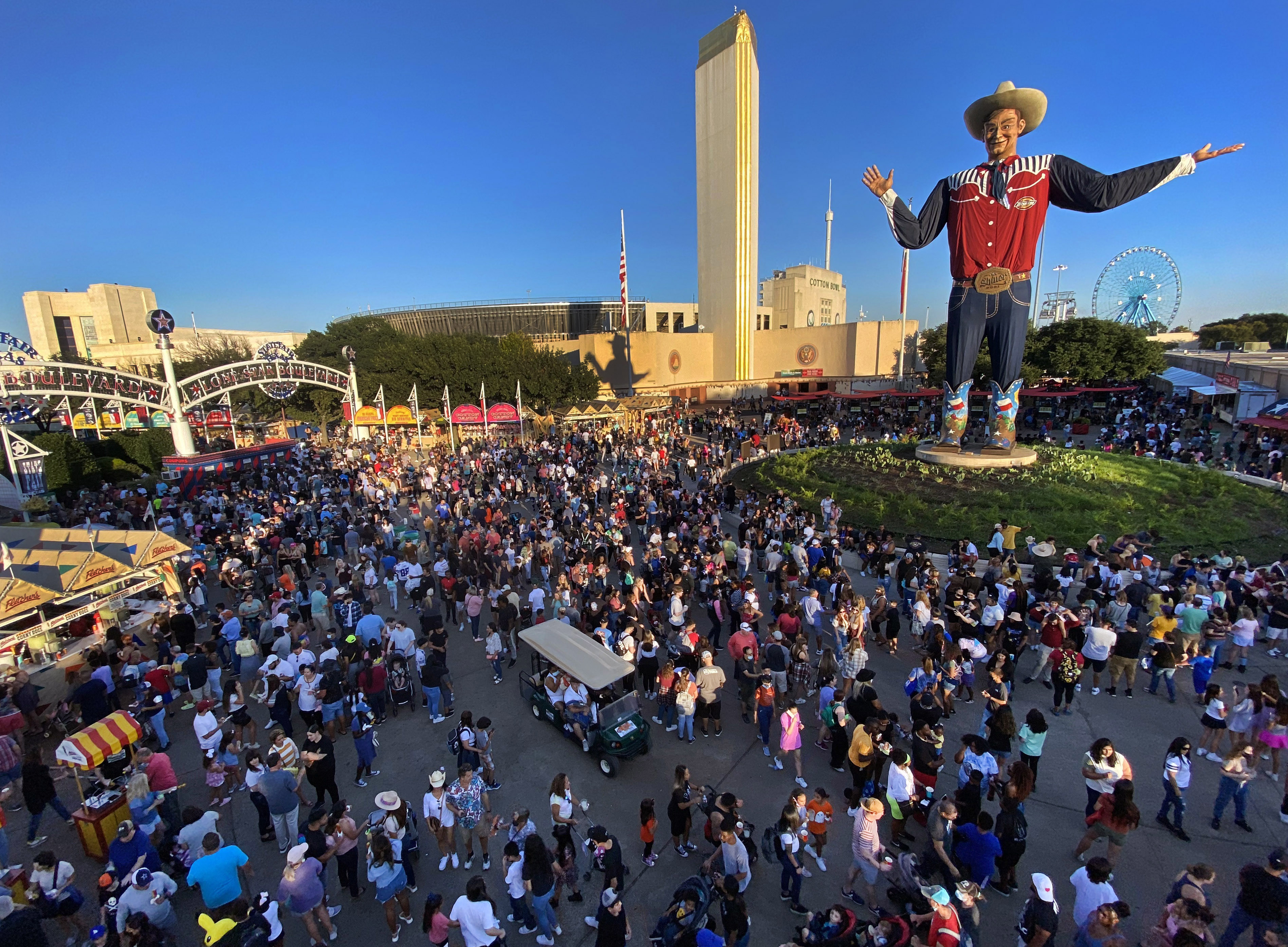
Over the decades, the fair has weathered various economic downturns, wars, and societal shifts, emerging each year as a resilient symbol of community and celebration. This historical endurance is a testament to its enduring popularity and its ability to consistently deliver an experience that resonates with generations of Texans and visitors alike. The fair’s growth from a simple gathering to a complex, multi-faceted event also highlights its significant role in the local economy, driving tourism, supporting local businesses, and providing employment opportunities. Its history is intertwined with the history of Dallas itself, with iconic structures like the Cotton Bowl Stadium, located within Fair Park, serving as landmarks that tell a story of sporting triumphs and musical legacies alongside the fair’s festivities. Understanding this historical context enriches the modern-day fair experience, providing a deeper appreciation for the traditions and innovations that define this enduring Texas institution.
What to Experience During Your Fair Visit
With 24 days of activities, the Texas State Fair offers an unparalleled array of experiences that cater to every taste and age group. This abundance of options is precisely why visitors need the extended duration – to truly soak in the diverse attractions, sample the unique culinary landscape, and engage with the educational showcases. Planning your visit involves navigating this exciting menu of possibilities, from thrilling rides to cultural exhibitions, ensuring you make the most of your time at one of Texas’s premier destinations.
Iconic Attractions and Entertainment
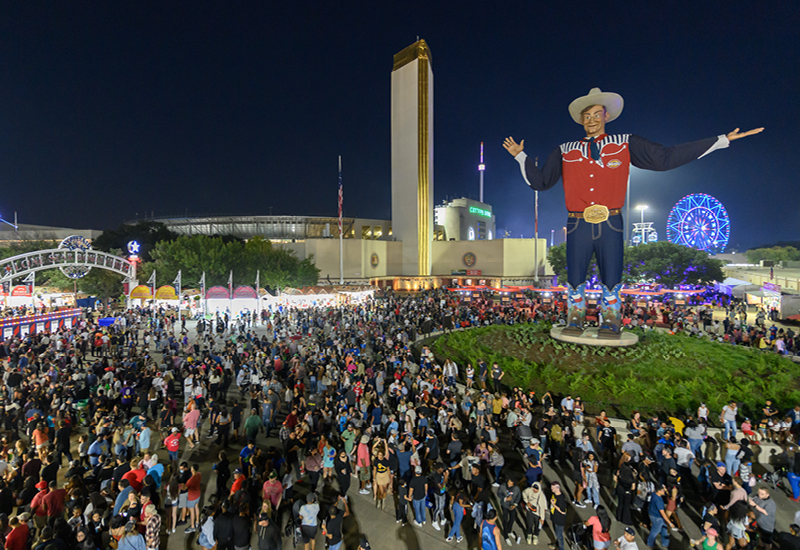
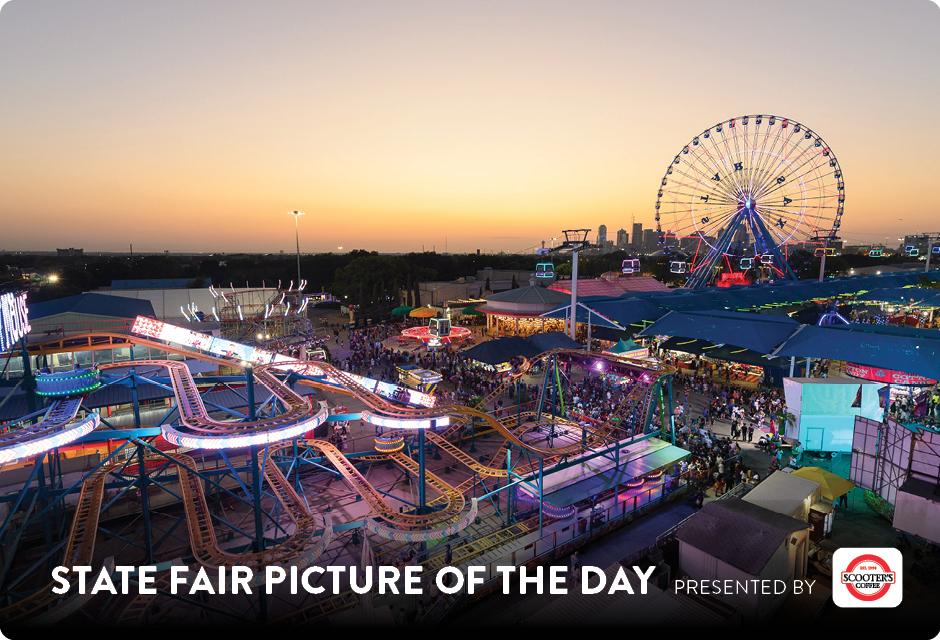
No visit to the Texas State Fair is complete without encountering its most iconic figures and enjoying its thrilling entertainment. Dominating the landscape is Big Tex, the 55-foot-tall talking cowboy statue, who serves as the fair’s beloved ambassador and a quintessential Texas landmark. His booming “Howdy, folks!” welcomes millions, making him a must-see for photo opportunities and a memorable part of the fair experience. The Midway is another central attraction, brimming with classic carnival rides, games of skill, and adrenaline-pumping thrills. Among these, the Texas Star Ferris Wheel stands out, offering breathtaking panoramic views of the Dallas skyline and Fair Park, especially stunning at night when illuminated. This attraction is a highlight for many and is often cited in travel guides as a quintessential fair experience.
Beyond the rides, the fair is a hub of diverse entertainment. Daily live music performances span various genres, from local Texas artists to national acts, providing a lively soundtrack to the fairgrounds. The All-New Chevy Ride & Drive and the renowned Auto Show present the latest models and innovations from leading manufacturers, drawing automotive enthusiasts from across the country. Additionally, unique performances like pig races, stunt shows, and various parades punctuate the daily schedule, ensuring there’s always something engaging happening. For those seeking cultural enrichment, diverse exhibits showcasing Texas history, art, and innovation are readily available, making the fair a destination for both pure fun and insightful exploration.
Culinary Delights: A Festival of Fried Food
The Texas State Fair’s culinary scene is legendary, synonymous with inventive fried foods and classic fairground treats. This aspect of the fair represents a significant part of Texas local culture and is a primary draw for many visitors. Each year, vendors compete fiercely in the Big Tex Choice Awards, unveiling audacious and often whimsical fried creations that push the boundaries of fair food. Past winners have included everything from fried Thanksgiving dinner to fried butter and fried guacamole, attracting foodies eager to try the latest gastronomic marvels.
Beyond the award-winning novelties, fairgoers can indulge in timeless favorites such as corn dogs, funnel cakes, turkey legs, and chili bowls. The food landscape is vast, offering everything from savory barbecue to sweet pastries, ensuring that every palate finds something to savor. Exploring the fair’s food stalls is an adventure in itself, a vibrant journey through flavors and textures that are uniquely “fair.” For those planning their trip, setting aside a dedicated portion of their budget for these culinary explorations is highly recommended, as they are an integral part of the overall fair experience and a distinctive element of Texas tourism.
Agricultural Showcases and Educational Exhibits
At its heart, the Texas State Fair remains deeply connected to its agricultural roots. The Livestock Barns and the Agriculture and Creative Arts Building offer fascinating insights into Texas’s farming heritage and the ingenuity of its residents. Visitors can observe live animal competitions, learn about different breeds, and even witness the birth of farm animals, providing an educational and engaging experience, especially for families with children. These exhibits highlight the importance of agriculture in the state’s economy and culture.
The Creative Arts Building showcases the incredible talents of Texans in categories ranging from photography and cooking to quilting and pottery. These displays offer a glimpse into local culture and community spirit, celebrating hobbies and craftsmanship. Educational exhibits also abound, covering topics from science and technology to natural resources and environmental conservation, presented in interactive and accessible formats. These elements ensure that the fair is not just about entertainment but also about learning, fostering an appreciation for the diverse aspects of Texas life and innovation.
Planning Your Trip to the Texas State Fair: Travel, Accommodation, and Lifestyle
Embarking on a journey to the Texas State Fair requires careful planning, especially given its extended duration and immense popularity. From choosing the optimal time to visit to securing the perfect accommodation, every decision contributes to the overall quality of your travel experience. Integrating the fair into a broader exploration of Dallas and the surrounding region can transform a simple fair visit into a comprehensive lifestyle and tourism adventure.
Optimizing Your Fair Experience: When to Go and What to Consider
Given the fair’s 24-day run, selecting the best time to visit can significantly enhance your experience. Weekdays, particularly Tuesday through Thursday, tend to be less crowded than weekends. If your schedule allows for a weekday visit, you’ll generally encounter shorter lines for rides, food, and attractions, allowing for a more relaxed pace. Early mornings, right after the gates open, also offer a quieter experience before the crowds swell in the afternoon. For those seeking specific events like concerts or particular livestock shows, consulting the fair’s daily schedule in advance is crucial. This proactive approach ensures you don’t miss out on must-see attractions.
Consider the weather as well; early October days in Dallas are typically pleasant, but late September can still be quite warm. Dressing in layers and wearing comfortable walking shoes are practical tips for any fairgoer. For families, planning for breaks, identifying quieter zones, and utilizing the fair’s shuttle services can make the day more manageable. Whether you’re a budget traveler looking to stretch your dollars or a luxury traveler seeking exclusive experiences, understanding the rhythm of the fair will help tailor your visit to your desired lifestyle and preferences.
Finding the Perfect Stay: Hotels and Accommodation in Dallas and Beyond
With millions of visitors descending upon Dallas for the Texas State Fair, securing accommodation well in advance is paramount. The demand for hotels, resorts, apartments, and villas can be exceptionally high, particularly for weekend stays. The city offers a wide spectrum of options to suit various budgets and travel styles.
For those desiring proximity to Fair Park, downtown Dallas offers numerous choices, from luxury hotels like the Omni Dallas Hotel or The Joule Dallas, which provide sophisticated amenities and easy access via public transport, to more budget-friendly establishments. Areas like Uptown and Deep Ellum are popular for their vibrant nightlife, diverse dining scenes, and array of boutique hotels and apartment-style accommodations, appealing to those seeking a lively urban experience beyond the fairgrounds. For travelers with a car, suburban options may offer more competitive pricing and parking, though they will require a longer commute to the fair.
When booking, consider factors such as hotel reviews, comparison websites, and available amenities like pools, fitness centers, and on-site dining. Families might prefer suites or hotels with kids’ clubs, while business travelers might prioritize connectivity and meeting facilities. For long-term stays, considering apartment rentals or extended-stay hotels can offer the comforts of home and cost savings on dining. Regardless of your preference, early booking is key to securing the best rates and availability during this peak tourism season in Dallas.
Beyond the Fairgrounds: Exploring Dallas and North Texas
The Texas State Fair’s extended duration provides an excellent opportunity to explore the broader attractions of Dallas and the surrounding North Texas region. Dallas itself is a vibrant metropolis teeming with cultural institutions, historical landmarks, and world-class dining and shopping.
Visitors can immerse themselves in art and culture at the Dallas Arts District, home to the Dallas Museum of Art, the Nasher Sculpture Center, and the Morton H. Meyerson Symphony Center. For history enthusiasts, the Sixth Floor Museum at Dealey Plaza offers a poignant look into the assassination of President John F. Kennedy. Iconic landmarks like Reunion Tower provide stunning 360-degree views of the city, perfect for capturing memorable travel photographs.
Beyond Dallas, a short drive can take you to Fort Worth, often described as “where the West begins.” Here, you can experience the historic Fort Worth Stockyards National Historic District, watch a cattle drive, or visit its renowned museums like the Kimbell Art Museum. Day trips to charming towns or natural parks further enrich the Texas experience, offering a diverse range of activities beyond the fairgrounds. Incorporating these destinations into your travel guide makes your trip to the Texas State Fair a comprehensive exploration of North Texas and its unique lifestyle offerings.
In conclusion, the Texas State Fair’s 24-day duration makes it a premier destination event, offering an extensive window for visitors to immerse themselves in its unique blend of entertainment, culinary delights, and cultural showcases. This extended schedule necessitates thoughtful planning regarding travel, accommodation, and the integration of broader regional exploration. By understanding its length and leveraging the myriad attractions both within and beyond Fair Park, travelers can craft a truly unforgettable Texas experience, ensuring every moment of their journey is rich with discovery and enjoyment.
LifeOutOfTheBox is a participant in the Amazon Services LLC Associates Program, an affiliate advertising program designed to provide a means for sites to earn advertising fees by advertising and linking to Amazon.com. Amazon, the Amazon logo, AmazonSupply, and the AmazonSupply logo are trademarks of Amazon.com, Inc. or its affiliates. As an Amazon Associate we earn affiliate commissions from qualifying purchases.