
Embarking on a culinary journey is often as enriching as visiting a new city or standing before a historic landmark. For many travelers, especially those venturing through the heartland of the United States, the aroma of slow-cooked barbecue signals an authentic experience, a taste of local culture that transcends mere dining. At the epicenter of this gastronomic tradition lies the magnificent cut known as the Boston Butt – a cornerstone of American barbecue, particularly celebrated for its transformation into succulent pulled pork. While the question “How long to cook a Boston Butt?” might seem like a simple inquiry for a home chef, for the discerning traveler and culinary enthusiast, it unravels a complex tapestry of regional variations, cooking philosophies, and the very essence of a vibrant food culture.
Understanding the perfect cooking duration for a Boston Butt is more than just following a recipe; it’s about appreciating a craft that has shaped the lifestyle and tourism landscape of entire states. From the smoky pits of Memphis to the vinegar-laced traditions of the Carolinas, and the robust flavors of Texas, the journey of this humble cut of pork is deeply intertwined with travel, local economies, and unforgettable experiences. Whether you’re planning a road trip to sample the finest barbecue joints, enrolling in a gourmet cooking class at a luxury resort, or simply aiming to replicate that authentic taste in your backyard, mastering the Boston Butt is a rewarding endeavor that connects you directly to the heart of American culinary heritage.
The Culinary Journey of the Boston Butt: A Southern Tradition
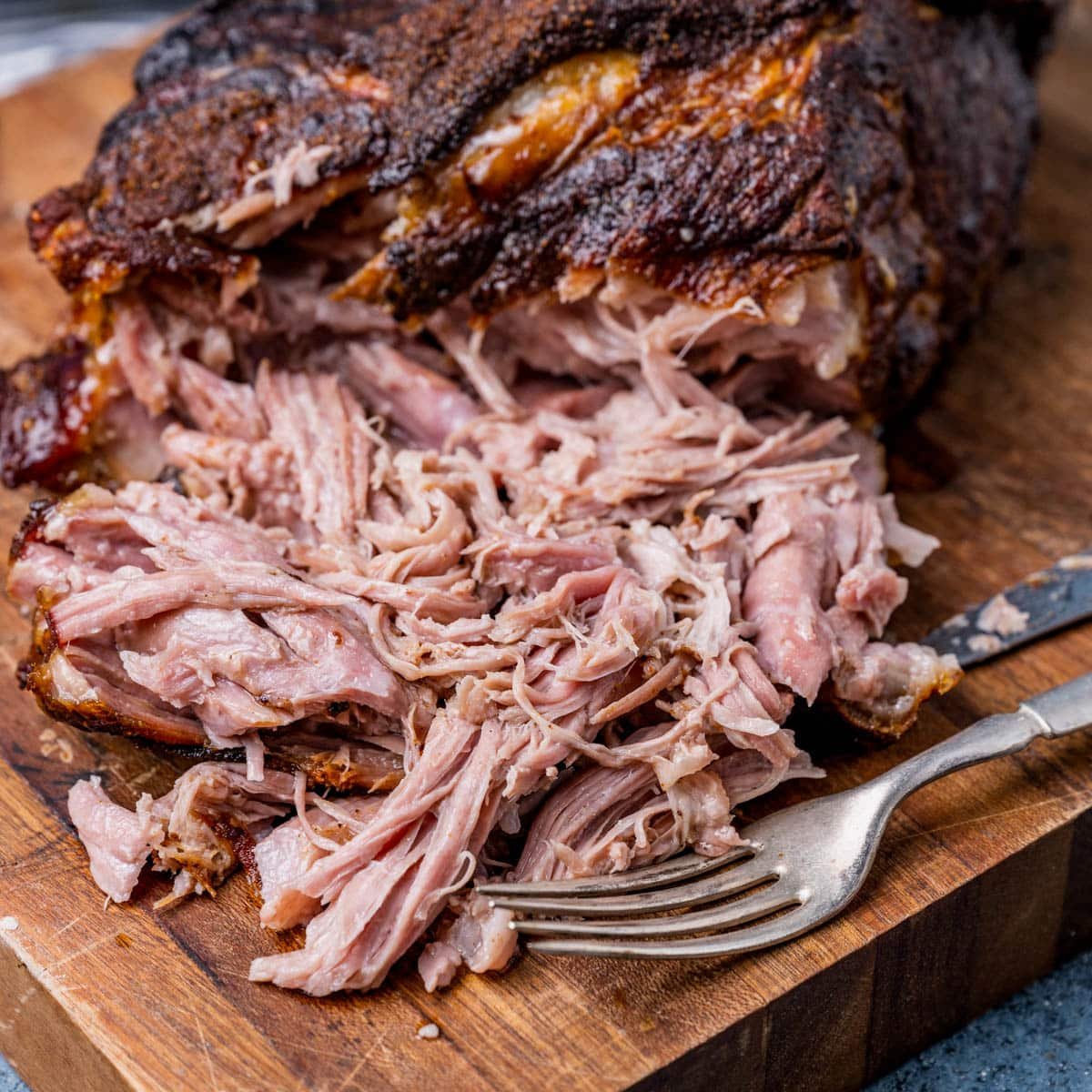
The Boston Butt, despite its name, has little to do with the city of Boston in the way most people assume. Historically, in New England, less prized cuts of pork were packed into barrels called “butts” for storage and transport. Over time, the name stuck to this particular cut from the upper part of the pig’s shoulder, specifically the pork shoulder blade roast. It’s a marvelously versatile and flavorful piece of meat, rich in marbling and connective tissue, making it ideal for the low-and-slow cooking methods that yield incredibly tender, shreddable results.
This cut has become synonymous with the barbecue traditions of the American South, an area where food is not just sustenance but a cornerstone of community, hospitality, and identity. For travelers exploring destinations like Nashville, Charleston, or Kansas City, encountering a perfectly smoked Boston Butt, transformed into succulent pulled pork, is an essential part of the local tourism experience. It’s often served on a bun, sometimes with coleslaw, and almost always accompanied by a signature sauce that reflects the unique culinary heritage of its origin state. This dish is more than just food; it’s a narrative of regional pride, passed down through generations.
What Exactly is a Boston Butt? The Traveler’s Guide to Pork Shoulder
For those unfamiliar with the terminology, a Boston Butt is not from the rear end of the pig. Instead, it’s a rectangular cut that includes a portion of the shoulder blade bone, typically weighing between six and ten pounds. Its generous fat content and intramuscular marbling are precisely what make it so forgiving and flavorful when cooked for extended periods. This makes it a perfect canvas for various rubs and marinades, absorbing smoky flavors beautifully.
As a traveler, understanding this cut gives you a deeper appreciation for the BBQ you encounter. When you visit a local smokehouse in Savannah or attend a BBQ festival in St. Louis, knowing the journey of the Boston Butt from its raw state to a culinary masterpiece enhances the entire experience. It’s a testament to how simple ingredients, when treated with respect and technique, can become world-renowned dishes that draw visitors from across the globe.
Regional Reverence: BBQ Trails Across America
The United States is a patchwork of distinct barbecue styles, and the Boston Butt plays a starring role in many of them.
- In North Carolina, particularly Eastern Carolina, the whole hog is king, but shoulder cuts (including the butt) are often slow-smoked and then chopped or pulled, dressed with a thin, tangy vinegar-based sauce.
- Further west in North Carolina, a Lexington-style dip often adds tomato and a hint of sweetness.
- South Carolina is renowned for its diverse sauces, including the unique mustard-based “Carolina Gold” that pairs exquisitely with pulled pork.
- In Georgia and Alabama, you might find a sweeter, tomato-based sauce, sometimes with a touch of spice.
- While Texas is famous for its brisket, many establishments also offer exceptional pulled pork, often seasoned simply with salt and pepper, allowing the smoky flavor of the pork to shine.
These regional differences aren’t just culinary nuances; they are vital aspects of tourism and local identity. Many travelers plan entire itineraries around experiencing these diverse BBQ traditions, driving through rural towns, stopping at roadside stands, and dining at establishments that have perfected their craft over generations. Hotels and accommodation providers in these regions often highlight local BBQ spots as key attractions, understanding that a taste of authentic local cuisine is an integral part of the travel experience.
Mastering the Art: Understanding Boston Butt Cooking Times for Travelers and Home Chefs
The perennial question, “How long to cook a Boston Butt?”, is answered with a phrase beloved by pitmasters everywhere: “low and slow.” This isn’t just a mantra; it’s the fundamental principle that transforms a tough cut of meat into the tender, juicy, and flavorful pulled pork that has captivated palates worldwide. For the aspiring home chef or the culinary tourist looking to recreate an authentic experience, understanding this principle and its variables is key.
The goal is to render the fat, break down the connective tissues (collagen) into gelatin, and allow the meat to absorb maximum smoke flavor (if using a smoker). This process simply cannot be rushed. Attempting to cook a Boston Butt quickly will result in a dry, chewy, and unappetizing product – a stark contrast to the melt-in-your-mouth perfection you’d find at a renowned BBQ joint.
The Core Principles: Low and Slow to Perfection
The ideal cooking temperature for a Boston Butt typically ranges from 225°F to 275°F (107°C to 135°C). At these low temperatures, the internal temperature of the pork slowly rises, allowing the collagen to break down into gelatin, which gives pulled pork its signature succulent texture. The “low and slow” approach also allows for significant bark development – the flavorful, dark, and crispy crust that forms on the exterior of the meat, cherished by BBQ aficionados.
The magic number for doneness is usually an internal temperature between 195°F and 205°F (90°C to 96°C), measured in the thickest part of the butt. However, temperature isn’t the only indicator; tenderness is paramount. A perfectly cooked Boston Butt should be “probe tender,” meaning a skewer or thermometer probe slides into the meat with minimal resistance, like pushing into soft butter. This can sometimes occur at a slightly lower or higher temperature depending on the individual cut and cooking conditions.
Factors Influencing Cooking Duration: Your BBQ Equation
So, how long exactly does it take? There’s no single definitive answer, as several factors influence the total cooking time:
- Weight of the Butt: This is the primary determinant. A general rule of thumb for a smoker or oven at 250°F (121°C) is approximately 1.5 to 2 hours per pound. So, an 8-pound Boston Butt could take anywhere from 12 to 16 hours. A 10-pound butt might need 15 to 20 hours.
- Cooking Temperature: Higher temperatures (e.g., 275°F) will reduce the overall time, while lower temperatures (e.g., 225°F) will extend it. Each has its proponents, with lower temperatures often credited for more smoke flavor penetration and a more tender result, albeit taking longer.
- The “Stall”: This is a phenomenon unique to low-and-slow cooking where the internal temperature of the meat plateaus, often for several hours, typically between 150°F and 170°F (65°C to 77°C). It’s caused by evaporative cooling as moisture escapes the meat. Patience is key here; pushing through the stall is essential for tenderness. Some chefs wrap the butt in butcher paper or foil (the “Texas Crutch”) during the stall to push through it faster, though some argue this softens the bark.
- Equipment:
- Smoker: This is the preferred method for authentic flavor. Whether it’s an offset smoker, pellet grill, or electric smoker, maintaining consistent temperature and airflow is crucial.
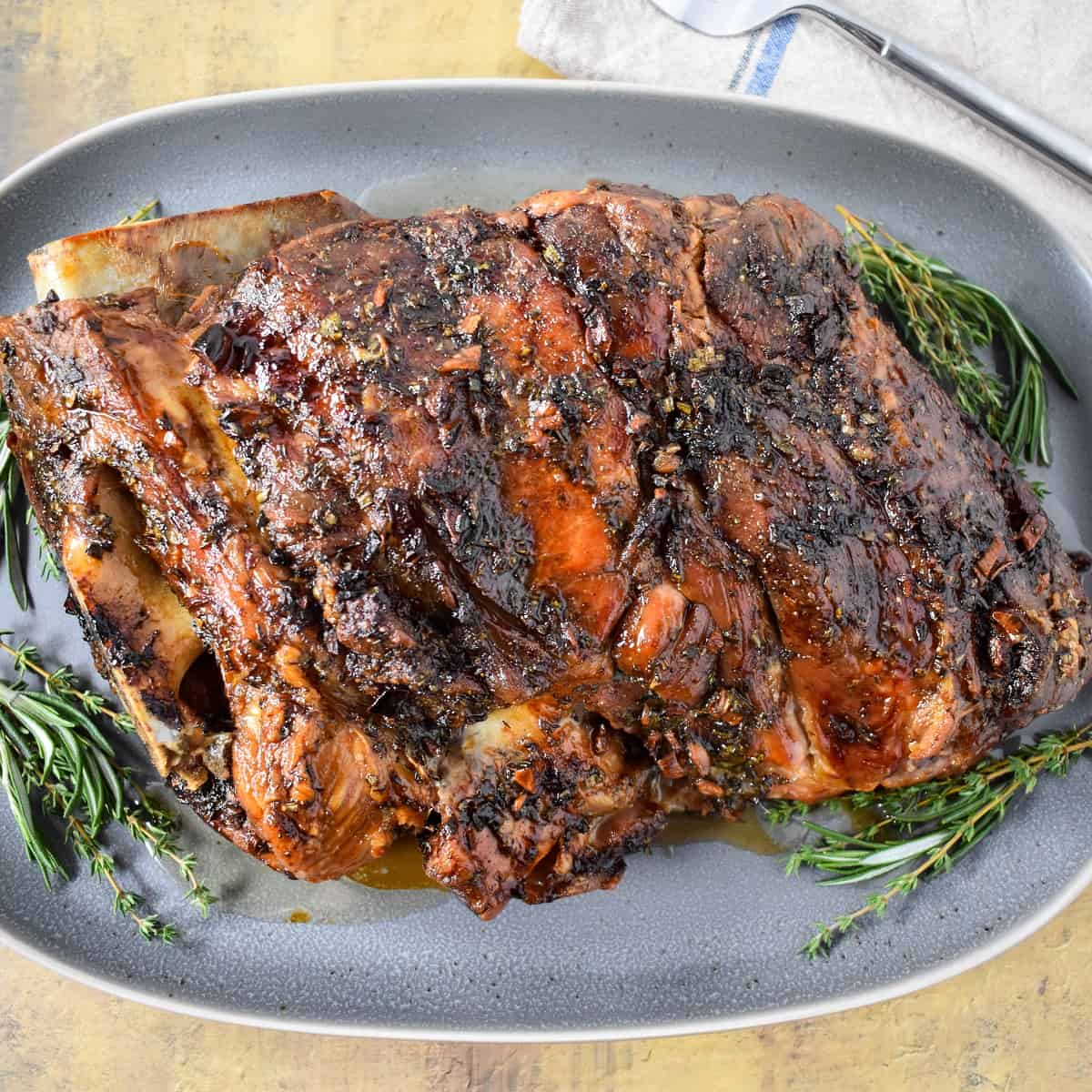
- Oven: While it won’t impart smoke flavor, an oven can achieve excellent pulled pork. You can add a liquid smoke solution or use a smoked paprika rub to mimic some of the smoky essence.
- Slow Cooker/Crock-Pot: For smaller butts or convenience, a slow cooker can produce very tender results. This method often requires 6-8 hours on high or 8-10 hours on low for a 4-6 pound butt.
- Instant Pot/Pressure Cooker: While technically “fast,” this method still breaks down connective tissue rapidly. A 4-pound butt can be cooked in about 60-90 minutes under pressure, though the flavor profile will differ significantly from a smoked butt.
For the traveling foodie who might stay at an apartment or villa with cooking facilities, these varying methods provide flexibility. You could dedicate a full day to a traditional smoked butt or opt for a quicker oven or slow cooker version after a day of sightseeing.
Destination-Inspired Techniques: The Nuance of Regional BBQ
When you visit a renowned BBQ destination, the specific techniques for preparing a Boston Butt are often deeply ingrained in local culture. For instance, a culinary tour of Memphis might introduce you to pitmasters who dry-rub their butts extensively before smoking, emphasizing a strong bark and serving the pork “dry” with sauce on the side. In contrast, a Carolina establishment might baste their pork shoulder with a vinegar mop throughout the smoking process, creating a distinctly tangy flavor even before the final dressing.
These regional differences aren’t just about the sauce; they extend to the wood used for smoking (hickory in the Midwest, oak in Texas, fruitwoods in other regions), the type of rub applied, and even the preference for chopping versus pulling the finished meat. Engaging with these nuances transforms the act of eating into a rich cultural immersion, a prime example of food tourism at its finest. Many hotels, especially those that cater to luxury or experience-driven travelers, often feature local BBQ styles in their restaurants or offer culinary workshops that delve into these regional specificities.
Culinary Tourism and the Boston Butt Experience
Food is an undeniable draw for travelers, and few culinary experiences are as iconic or as deeply rooted in American culture as barbecue. The Boston Butt, in its many succulent forms, is at the heart of this draw, creating vibrant tourism ecosystems around its preparation and consumption. From international BBQ competitions to charming local eateries, the journey of the Boston Butt is a compelling reason to explore new destinations.
Many people plan entire trips around specific food experiences, and barbecue trails are a prime example. Imagine a road trip through Alabama, Mississippi, Louisiana, and Georgia, stopping at acclaimed BBQ joints, each offering their unique take on pulled pork. This kind of experiential travel allows visitors to not only taste regional flavors but also to interact with local communities, learn about their traditions, and witness the passion that goes into preparing such a beloved dish.
Engaging with Local Culture: Festivals and Food Tours
Barbecue festivals are vibrant showcases of local culture and competitive spirit, drawing immense tourism. Events like the Memphis in May International Festival’s World Championship Barbecue Cooking Contest are legendary, attracting teams and spectators from around the globe. These festivals offer an unparalleled opportunity to sample diverse BBQ styles, witness expert pitmasters in action, and soak in the festive atmosphere. Similarly, smaller, local festivals celebrating regional food traditions provide an intimate glimpse into community life and culinary pride.
Beyond festivals, many cities offer specialized food tours focusing on barbecue. These tours, led by knowledgeable local guides, take visitors to hidden gems, historic smokehouses, and award-winning restaurants, offering tastings and insights into the history and techniques behind the dishes. For instance, a Kansas City BBQ tour would highlight the distinct sweet and tangy sauce and the city’s rich history as a barbecue mecca, explaining how the Boston Butt fits into this landscape alongside burnt ends and ribs. The Kansas City Barbeque Society (KCBS) even certifies judges and sanctions competitions worldwide, further cementing BBQ’s status as a global culinary art form.
Hotel & Resort Dining: Savoring Regional BBQ Abroad
The impact of the Boston Butt extends beyond specialized BBQ joints and festivals. Many hotels and resorts, recognizing the demand for authentic local cuisine, have incorporated regional BBQ into their dining offerings. Luxury hotels in Nashville might feature a sophisticated take on pulled pork at their fine dining restaurants, while a casual resort in South Carolina might host a weekly poolside BBQ showcasing their state’s famous mustard sauce.
Some properties, like the Omni Nashville Hotel or the Hyatt Regency Dallas, are strategically located near famous BBQ districts or have their own acclaimed restaurants serving regional specialties. Others might offer themed culinary weekends or cooking classes where guests can learn to smoke a Boston Butt from a resident chef, transforming a typical accommodation stay into a memorable gastronomic experience. Imagine staying at The Grand Smoky Mountain Resort and taking a class on Appalachian BBQ techniques, learning firsthand how to achieve that perfect tenderness and smoky flavor. These experiences not only cater to guests’ culinary interests but also provide a deeper connection to the local foodways and lifestyle.
Bringing the BBQ Experience Home: A Lifestyle Choice
The allure of a perfectly cooked Boston Butt isn’t confined to travel destinations; it’s a lifestyle choice for many. The joy of preparing and sharing this iconic dish extends the travel experience right into your own backyard. It’s about more than just food; it’s about community, celebration, and the simple pleasure of slow living. Recreating the magic of a Southern smokehouse at home allows you to extend the culinary journey, turning a meal into an event.
Investing in the right equipment and learning the techniques transforms your home into a personal BBQ oasis, a place where you can experiment with rubs, sauces, and smoking woods, truly making the dish your own. It’s a testament to the fact that while travel broadens horizons, it also inspires us to bring beloved experiences back into our daily lives.
Setting Up Your Home BBQ Oasis: Beyond the Travel Itinerary
For those inspired by their travels, creating a home BBQ setup can range from a simple charcoal grill to a sophisticated offset smoker or pellet grill. It’s an investment in a lifestyle that embraces outdoor cooking, entertaining, and the pursuit of culinary excellence. Consider these elements for your home “BBQ oasis”:
- The Smoker: A high-quality smoker is essential for authentic flavor. Research different types – offset, vertical, kamado, pellet – to find one that suits your space, budget, and desired level of involvement.
- Essential Tools: A good meat thermometer (digital instant-read and a leave-in probe), carving forks, heat-resistant gloves, and a reliable spray bottle for spritzing are invaluable.
- Quality Ingredients: Start with a good quality Boston Butt, fresh spices for rubs, and appropriate wood chunks or pellets (hickory, apple, cherry, oak, pecan).
- Outdoor Ambiance: Beyond the cooking, think about creating an inviting outdoor space – comfortable seating, good lighting, and perhaps some music, to truly replicate that relaxed, convivial atmosphere you experienced on your travels.
This shift from tourist to home pitmaster is a testament to the enduring appeal of the Boston Butt and the barbecue culture it represents. It allows you to continue exploring regional flavors and techniques long after your trip has ended, connecting you to the wider community of BBQ enthusiasts.
Recipes & Tips for the Perfect Pulled Pork: Your Guide to Home Barbecue
To bring it all back to the initial question, here’s a comprehensive guide to cooking a Boston Butt at home, tailored for achieving that tender, flavorful result:
Ingredients:
- 1 (7-9 lb) Boston Butt (pork shoulder)
- 1/4 cup yellow mustard (for binder, optional)
- 1/2 cup dry rub (your favorite, or a homemade blend of paprika, brown sugar, salt, pepper, garlic powder, onion powder, cayenne)
- Wood chunks or pellets (hickory or apple are popular)
- Apple cider vinegar (for spritzing, optional)
Equipment:
- Smoker or oven
- Meat thermometer (probe and instant-read)
- Aluminum foil or butcher paper
- Large pan or drip tray
- Shredding claws or two forks
Instructions (Smoker Method):
-
Preparation (12-24 hours prior):
- Pat the Boston Butt dry with paper towels.
- Trim any excessively thick fat cap (leave about 1/4 inch for moisture).
- Apply a thin layer of yellow mustard all over the pork (this acts as a binder for the rub and doesn’t impart much flavor).
- Generously coat the entire butt with your dry rub, pressing it in to adhere.
- Place the rubbed butt on a wire rack over a baking sheet, cover loosely, and refrigerate for at least 12 hours, or up to 24 hours, allowing the rub to penetrate.
-
Preheating the Smoker (1 hour prior):
- Set your smoker to a consistent temperature of 250°F (121°C). Add your chosen wood chunks or pellets.
-
Smoking (Phase 1 – Unwrapped):
- Place the Boston Butt directly on the smoker grates, fat cap up (if applicable), or down, depending on your smoker’s heat source. Insert a probe thermometer into the thickest part of the meat, avoiding the bone.
- Close the smoker and maintain the temperature. Do not open frequently.
- The Stall: After several hours (usually when the internal temperature reaches 150-170°F / 65-77°C), the temperature will plateau. This is normal. Continue to smoke. You can spritz with apple cider vinegar every hour or so during this phase to keep the surface moist and enhance flavor.
- This initial phase can take anywhere from 6-10 hours, depending on the size of the butt and smoker consistency.
-
Wrapping (Optional, but recommended for speed and moisture):
- Once the bark has set and the internal temperature reaches around 165-175°F (74-79°C) (usually after the stall), remove the butt from the smoker.
- Wrap it tightly in several layers of heavy-duty aluminum foil or unlined butcher paper. This traps moisture and helps push through the stall.
- Return the wrapped butt to the smoker or transfer it to an oven preheated to 250°F (121°C).
-
Finishing Cook (Phase 2 – Wrapped):
- Continue cooking until the internal temperature reaches 195-205°F (90-96°C) and, most importantly, the meat is “probe tender.” This means a skewer or thermometer should slide in with very little resistance.
- This phase can take another 4-8 hours, depending on the size and initial cooking.
-
Resting (Crucial!):
- Once tender, remove the butt from the smoker/oven. Do NOT unwrap it.
- Place the wrapped butt in an insulated cooler (without ice) and let it rest for at least 1-2 hours, or even up to 4 hours. This allows the juices to redistribute, resulting in a more moist and flavorful product.
-
Pulling:
- Carefully unwrap the butt. Most of the fat and the blade bone should pull right out.
- Using shredding claws or two forks, pull the pork apart into desired shreds.
- Discard any excess large pieces of fat.
- Mix the pulled pork with some of the accumulated juices from the wrapping, and add your favorite BBQ sauce to taste.
Total Estimated Cooking Time: For a 7-9 lb Boston Butt at 250°F (121°C), expect a total cooking time of 10-18 hours, plus 1-4 hours of rest. This emphasizes that patience is the ultimate ingredient for truly great pulled pork.
The culinary landscape of the Boston Butt is vast and inviting, extending from the smoky pits of renowned BBQ destinations to the heart of your own home. Whether you’re a seasoned traveler seeking the next authentic food experience or a home cook inspired by the flavors of your latest journey, understanding the “how long” of cooking a Boston Butt is your passport to a world of delicious discoveries and a richer appreciation for the art of American barbecue. It’s a journey that satisfies not just the palate, but the soul.