
The question “How long to cook New York Strip?” might seem straightforward, begging for a simple temperature and time chart. Yet, for the discerning traveler and culinary enthusiast, it unlocks a much deeper conversation: one about the pursuit of perfection, the exploration of global flavors, and the art of transforming a meal into an unforgettable experience. The New York Strip, a cut celebrated for its robust flavor and ideal texture, transcends the humble plate to become a culinary icon. It represents not just a meal, but a lifestyle choice, a focal point of fine dining, and a compelling reason to travel.
For those who cherish gastronomic adventures, understanding the nuances of a perfectly cooked steak is akin to appreciating a masterpiece. It’s about more than just charring meat; it’s about achieving that delicate balance of a crusty sear, a tender interior, and a burst of savory juiciness that makes you close your eyes in satisfaction. Whether you’re seeking this perfection in a legendary steakhouse during your travels, or attempting to replicate the magic in your own kitchen, the journey to a sublime New York Strip is a culinary quest worth embarking on. This article will guide you through not just the technicalities of cooking this magnificent cut, but also its cultural significance, the best places to savor it worldwide, and how it weaves into the tapestry of luxury travel and lifestyle.
The Quest for the Perfect New York Strip: A Culinary Journey
The allure of the New York Strip is undeniable. Known by various names, including Kansas City Strip, ambassador steak, or shell steak, this boneless cut from the short loin is a staple in high-end steakhouses and a favorite among meat lovers. Its distinctive flavor profile, characterized by fine marbling and a tender, beefy texture, makes it a star on any menu. But where did this culinary delight originate, and which establishments have mastered its preparation to legendary status?
Tracing the Steak’s Roots: From Butcher Block to Global Plate
The origins of the New York Strip steak are deeply entrenched in American culinary history, with its name often attributed to the bustling metropolis of New York City itself. While the specific genesis can be debated, it emerged as a popular cut in the late 19th and early 20th centuries, as steakhouses began to define American dining. Its versatility and robust flavor quickly cemented its place as a cornerstone of fine dining experiences, particularly in cities that became epicenters for culinary innovation.
The New York Strip is essentially a muscle that does very little work, which contributes to its tenderness. It typically has a good amount of fat along one edge, which renders down beautifully during cooking, adding depth of flavor and succulence. The marbling – the intramuscular fat – melts into the meat, basting it from within and ensuring a juicy, flavorful bite with every forkful. This inherent quality makes it a canvas for chefs, allowing them to showcase premium beef through simple, yet masterful, cooking techniques. From the traditional dry-aging processes to innovative preparation methods, the journey of the New York Strip from a primal cut to a gourmet dish is a testament to its enduring appeal and adaptability on the global stage.
Iconic Steakhouses: Where to Experience Excellence
For travelers passionate about food, seeking out the best steakhouse can be as much a part of their itinerary as visiting a historic landmark. These culinary institutions are often destinations in themselves, offering an immersive experience that goes beyond just the meal. In New York City, the birthplace of the namesake steak, several establishments stand out.
Peter Luger Steak House in Brooklyn is a legendary institution, famous for its dry-aged beef and old-world charm. Dining here is a pilgrimage for many, offering a taste of history alongside arguably one of the best steaks you’ll ever encounter. Another revered spot in Manhattan is Keens Steakhouse, with its rich history and iconic pipe collection, serving up steaks that have satisfied generations. And then there’s Gallagher’s Steakhouse, with its window showcasing dry-aging meats, a visual promise of the culinary delights to come. These aren’t just restaurants; they are cultural landmarks, offering a glimpse into the city’s gastronomic heritage.
Beyond New York, other cities boast their own stellar steak traditions. Chicago, a city known for its robust culinary scene, offers gems like Gibsons Bar & Steakhouse, a classic establishment lauded for its quality cuts and lively atmosphere. In Las Vegas, the land of luxury and indulgence, high-end hotel restaurants like SW Steakhouse at Wynn Las Vegas elevate the steakhouse experience with opulent settings and impeccable service, often accompanied by dazzling entertainment.
Even internationally, the quest for exceptional beef takes travelers to unexpected places. While the New York Strip is an American icon, the passion for high-quality beef is global. In Buenos Aires, Argentina, the local “bife de chorizo” (often a sirloin cut similar to a strip) cooked over an open fire (parrilla) offers a different, yet equally profound, steak experience. And in Tokyo, Japan, while not typically serving “New York Strip” as such, the reverence for premium beef like Wagyu translates into unparalleled culinary artistry, where every bite is an explosion of umami. These destinations highlight how the simple concept of grilled beef can become a cornerstone of a region’s tourism and lifestyle appeal.
Mastering the Art of Steak: Recreating the Restaurant Experience at Home
While savoring a perfectly cooked steak in a renowned restaurant is an unparalleled experience, the joy of recreating that magic at home is equally rewarding. Whether you’re staying in an Airbnb with a well-equipped kitchen or simply want to elevate your home dining, understanding the fundamentals of cooking a New York Strip is essential. The answer to “how long to cook New York Strip?” isn’t just about time; it’s about temperature, technique, and a profound understanding of desired doneness.
Understanding Doneness: Your Personal Preference Guide
The term “doneness” refers to the degree to which meat is cooked, ranging from rare to well-done. This is a highly personal preference, and achieving it consistently is the mark of a skilled cook. The most reliable way to measure doneness is with an instant-read meat thermometer, as visual cues can be deceiving. Here’s a general guide for a 1.5-inch thick New York Strip steak:
- Rare: Internal Temperature: 120-125°F (49-52°C). The center will be cool and bright red. This is for the true meat purist.
- Medium-Rare: Internal Temperature: 130-135°F (54-57°C). The most popular choice for many steak aficionados, offering a warm red center that’s incredibly juicy and tender. This is often considered the optimal doneness for a New York Strip.
- Medium: Internal Temperature: 135-140°F (57-60°C). A warm pink center that’s firmer but still tender and juicy.
- Medium-Well: Internal Temperature: 140-145°F (60-63°C). A slightly pink center with less juice. The texture becomes noticeably firmer.
- Well-Done: Internal Temperature: 150°F (66°C) and above. Little to no pink, firm texture, and significantly less juiciness. While some prefer this, it’s generally not recommended for premium cuts like the New York Strip as it can mask its natural flavors and texture.
Remember that the steak’s internal temperature will continue to rise by a few degrees even after it’s removed from the heat (this is known as “carryover cooking”). So, it’s best to pull the steak off the heat a few degrees before your target temperature.
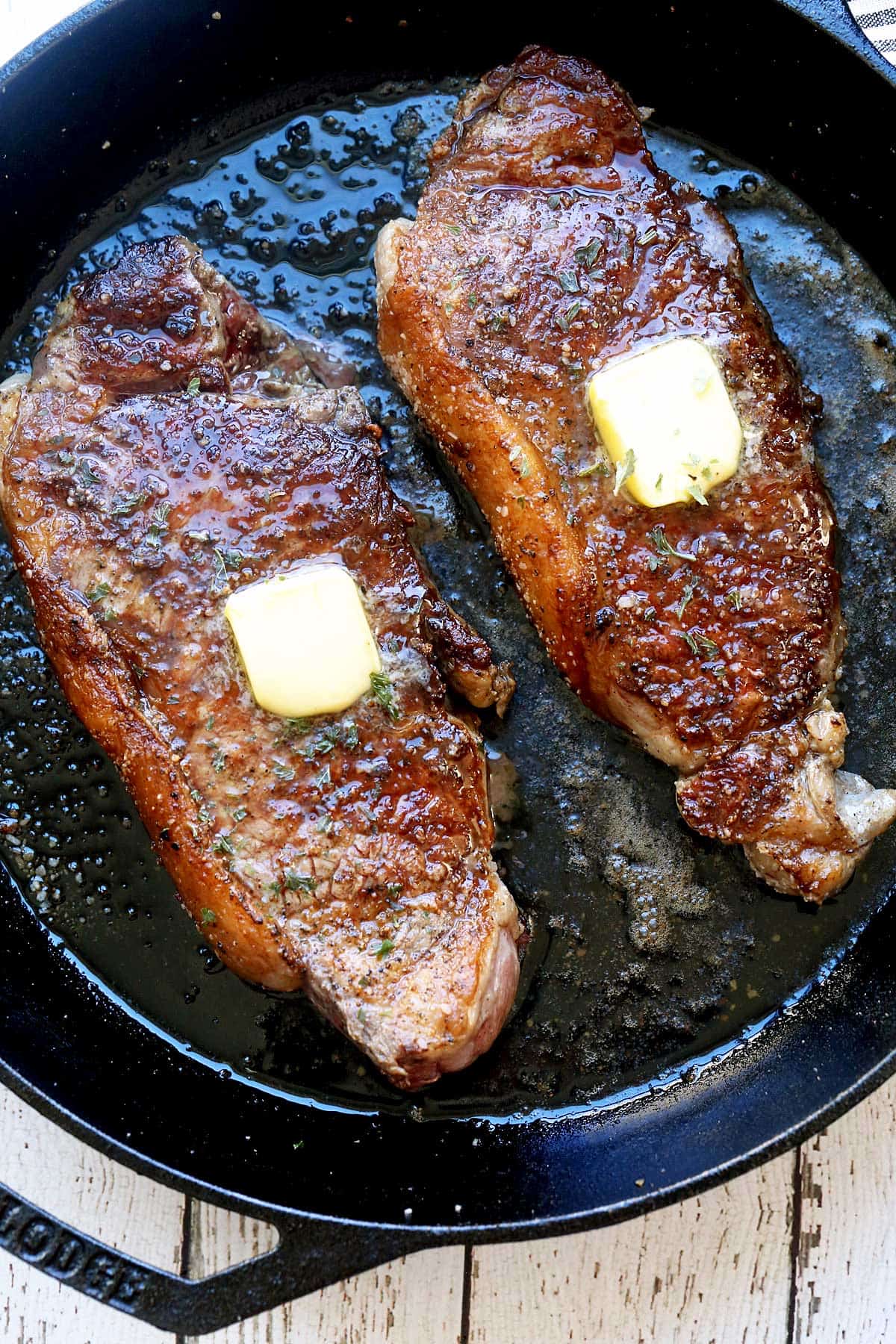
Regarding cooking time, it heavily depends on the steak’s thickness, starting temperature, and cooking method. For a 1.5-inch thick New York Strip cooked on a hot cast-iron skillet, searing each side for 2-3 minutes until a deep brown crust forms, then potentially finishing in a preheated oven (around 375°F/190°C) for another 5-10 minutes (or until desired internal temperature is reached), is a common technique for medium-rare. However, these are approximations; your meat thermometer is your best friend.
Key Techniques for a Flawless New York Strip
Achieving that restaurant-quality steak at home involves a few crucial steps that elevate a simple piece of meat into a culinary triumph.
- Start with Quality Meat: The foundation of any great steak is the beef itself. Look for cuts with good marbling, ideally USDA Prime or Choice. Consider dry-aged options if available, as the aging process concentrates flavor and tenderizes the meat.
- Bring to Room Temperature: Before cooking, allow your steak to sit out at room temperature for at least 30-60 minutes. This helps it cook more evenly from edge to center.
- Season Liberally: A high-quality New York Strip needs little more than coarse salt and freshly ground black pepper. Don’t be shy; a generous seasoning creates a flavorful crust.
- Achieve a Perfect Sear: This is critical. Use a heavy-bottomed pan, preferably cast iron, and get it smoking hot with a high smoke point oil (like grapeseed or avocado oil). Sear the steak for 2-3 minutes per side, pressing down occasionally to ensure maximum contact with the pan, until a deep, flavorful crust develops.
- Master the Cooking Method:
- Pan-Searing & Oven Finish: After searing, transfer the pan to a preheated oven (around 375°F/190°C) and cook until it reaches your desired internal temperature. This method ensures an even cook and prevents burning the exterior.
- Grilling: If you prefer grilling, ensure your grill is scorching hot. Sear over direct heat, then move to indirect heat to finish cooking to temperature.
- Reverse Sear: This popular method involves slowly bringing the steak up to near-target temperature in a low oven (around 200-275°F/93-135°C), then searing it aggressively in a hot pan or grill. This results in an incredibly even cook from edge to edge and a fantastic crust.
- Sous-Vide: For ultimate precision, sous-vide involves cooking the steak in a temperature-controlled water bath to an exact internal temperature, then finishing with a quick, hot sear for the crust. This technique is often favored by gourmet travelers who seek to replicate the most sophisticated restaurant experiences.
- Rest the Meat: This is arguably the most overlooked, yet vital, step. Once cooked, transfer the steak to a cutting board and let it rest for 5-10 minutes. This allows the juices, which have been driven to the center during cooking, to redistribute throughout the meat, resulting in a much juicier and more tender steak.
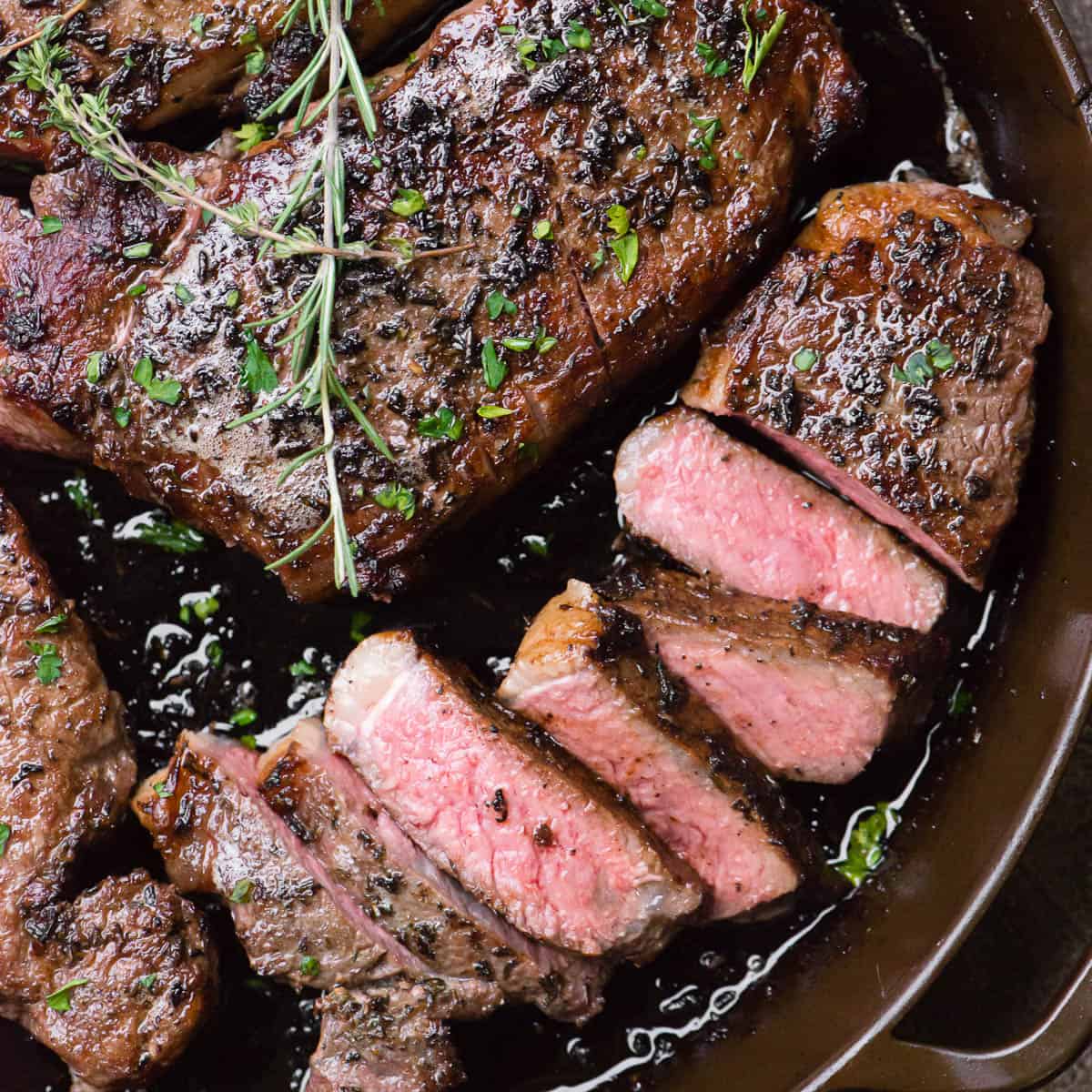
By focusing on these techniques, you can transform a simple cut of meat into a centerpiece that rivals the best steakhouses, adding a touch of gourmet lifestyle to your travels or home dining.
The New York Strip Lifestyle: Beyond the Plate
The New York Strip is more than just a meal; it’s an experience that permeates various aspects of a sophisticated lifestyle, from the choice of accompanying beverages and sides to how culinary adventures shape travel itineraries. It’s about indulging in the finer things, whether in a five-star hotel restaurant or a beautifully appointed apartment overlooking a vibrant city.
Pairing Perfection: Wines, Sides, and the Ambiance
A great steak deserves equally great companions. The right wine, complementary sides, and a fitting ambiance can elevate the entire dining experience, whether you’re in a bustling bistro or a quiet nook in your hotel suite.
For wine pairings, the rich, beefy flavor of a New York Strip calls for robust red wines. A classic choice is a bold Cabernet Sauvignon, particularly those from California‘s Napa Valley or Bordeaux in France, with their firm tannins and dark fruit notes that cut through the richness of the meat. Another excellent option is a Malbec, especially from Argentina, which offers softer tannins and a plummy, spicy profile that harmonizes beautifully with grilled beef. Other considerations include Syrah/Shiraz or Zinfandel, depending on your preference and the steak’s seasoning.
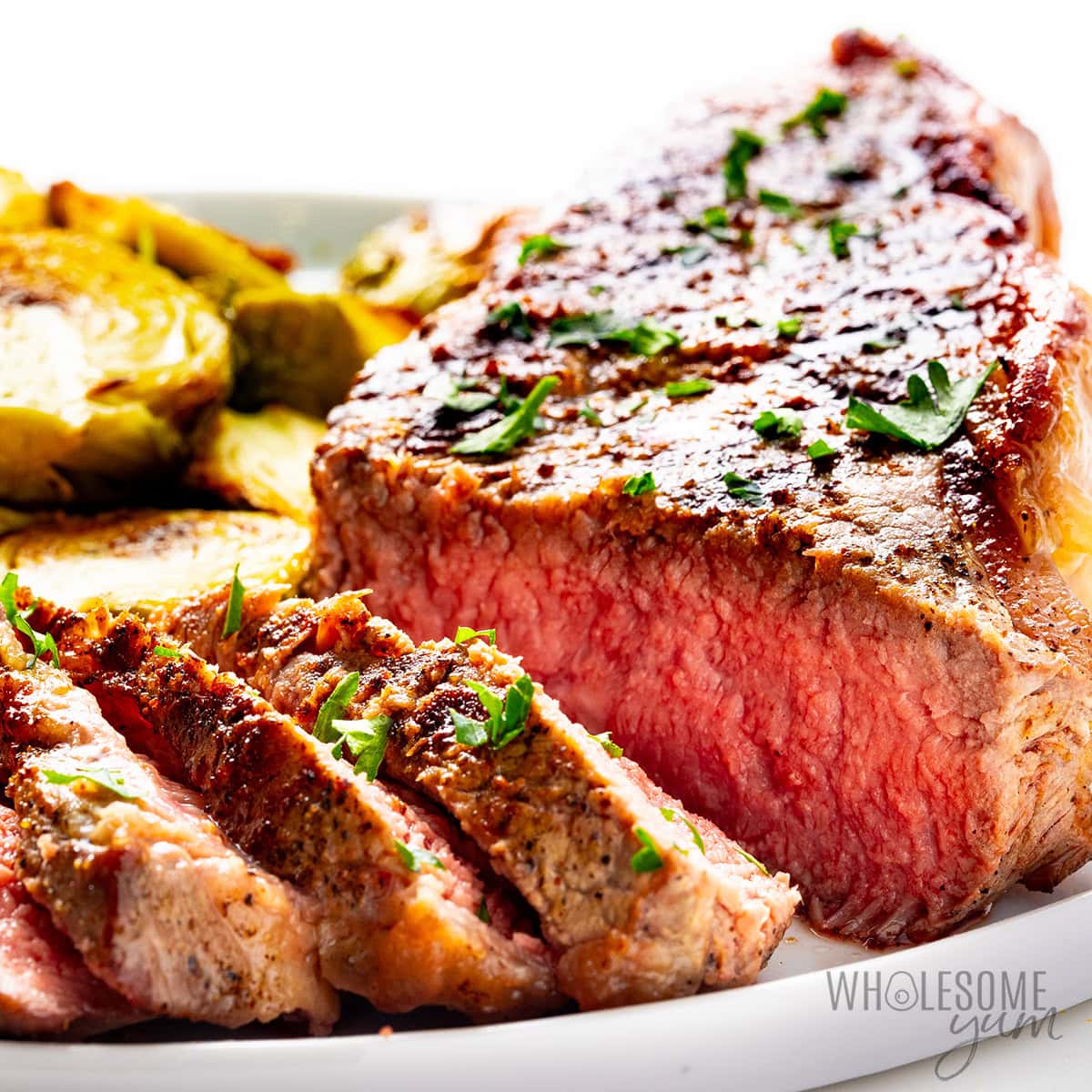
As for sides, traditional steakhouse accompaniments are popular for a reason. Creamed spinach, garlic mashed potatoes, roasted asparagus, and crispy onion rings are timeless choices that complement the richness of the steak without overpowering it. A simple green salad with a sharp vinaigrette can also provide a refreshing counterpoint. The key is balance – allowing the star of the show, the New York Strip, to shine, while enhancing the overall flavor profile.
Finally, ambiance plays a critical role. In a luxury hotel, this might mean a dimly lit dining room with plush seating and impeccable service. When cooking at home or in a rented villa, creating a similar atmosphere can involve thoughtful table settings, soft lighting, and perhaps some background music. The complete experience is a symphony of flavors, aromas, and surroundings that lingers long after the last bite.
Steak and Travel: Integrating Culinary Delights into Your Itinerary
For the modern traveler, food is often a primary motivator, and the pursuit of exceptional culinary experiences deeply enriches any trip. Integrating the pursuit of a great New York Strip into your travel plans can take many forms, aligning with various travel styles.
For those on luxury travel journeys, dining at the most acclaimed steakhouses within five-star hotels is a given. Imagine savoring a perfectly cooked New York Strip at the restaurant of the Four Seasons Hotel New York Downtown or enjoying an exquisite meal at The St. Regis New York, where every detail, from the sommelier’s recommendation to the crispness of the table linens, contributes to an opulent experience. These establishments, and others like them under brands such as Ritz-Carlton, Waldorf Astoria, or Grand Hyatt, offer not just a meal, but an integral part of the luxury lifestyle experience. Staying at these properties means convenience and unparalleled service, often with world-class dining just steps from your hotel room or suite.
For budget travel enthusiasts or those who prefer a more hands-on approach, the culinary adventure can involve visiting local butcher shops in different cities, sourcing high-quality cuts, and preparing them in the self-catering accommodations like serviced apartments or villas. This offers a unique cultural immersion, allowing travelers to engage with local markets and ingredients, and ultimately, to enjoy a gourmet meal at a fraction of the cost of a high-end restaurant. It also transforms a simple “accommodation” into a personal dining haven, offering a different kind of luxury – the luxury of space and privacy to create your own culinary masterpieces.
Family trips can also revolve around food. Many steakhouses, especially those outside the ultra-fine dining category, are family-friendly, offering a classic dining experience that appeals to all ages. Alternatively, cooking a delicious New York Strip together in a spacious family resort or apartment can be a bonding activity, creating cherished memories. For business stays, a steakhouse dinner is a timeless choice for impressing clients or celebrating successes, offering a sophisticated and universally appreciated dining option.
Ultimately, the New York Strip integrates seamlessly into the broader categories of travel and lifestyle. It is a symbol of indulgence, a testament to culinary skill, and a passport to exploring the world through its most delectable flavors. From the historic steakhouses of New York to the grill houses of Buenos Aires, and from the sophisticated dining rooms of Four Seasons Hotels and Resorts to the intimate setting of your own kitchen, the journey to a perfectly cooked New York Strip is a rewarding adventure for any epicurean traveler.
In conclusion, the question “How long to cook New York Strip?” is merely the starting point of an expansive conversation. It leads us down paths of culinary exploration, revealing iconic dining destinations, refining home cooking techniques, and shaping our travel experiences. The New York Strip is more than just a cut of beef; it’s an invitation to savor life, one perfectly cooked, flavorful bite at a time. Whether you’re chasing the ultimate restaurant experience or crafting a gourmet meal in your travel abode, understanding and appreciating this steak elevates your entire lifestyle, making every culinary moment a memorable part of your journey.
LifeOutOfTheBox is a participant in the Amazon Services LLC Associates Program, an affiliate advertising program designed to provide a means for sites to earn advertising fees by advertising and linking to Amazon.com. Amazon, the Amazon logo, AmazonSupply, and the AmazonSupply logo are trademarks of Amazon.com, Inc. or its affiliates. As an Amazon Associate we earn affiliate commissions from qualifying purchases.