
The allure of a perfectly grilled New York strip steak is undeniable. Its rich marbling, satisfying chew, and robust flavor make it a prime cut for any barbecue enthusiast. Whether you’re a seasoned grill master or embarking on your first grilling adventure, mastering the art of cooking a New York strip steak on the grill can elevate your outdoor dining experience. This guide will walk you through everything you need to know, from selecting the best cut to achieving that coveted char and juicy interior. Imagine savoring this delicious steak after a day exploring the vibrant streets of New York City or relaxing at a luxurious resort.
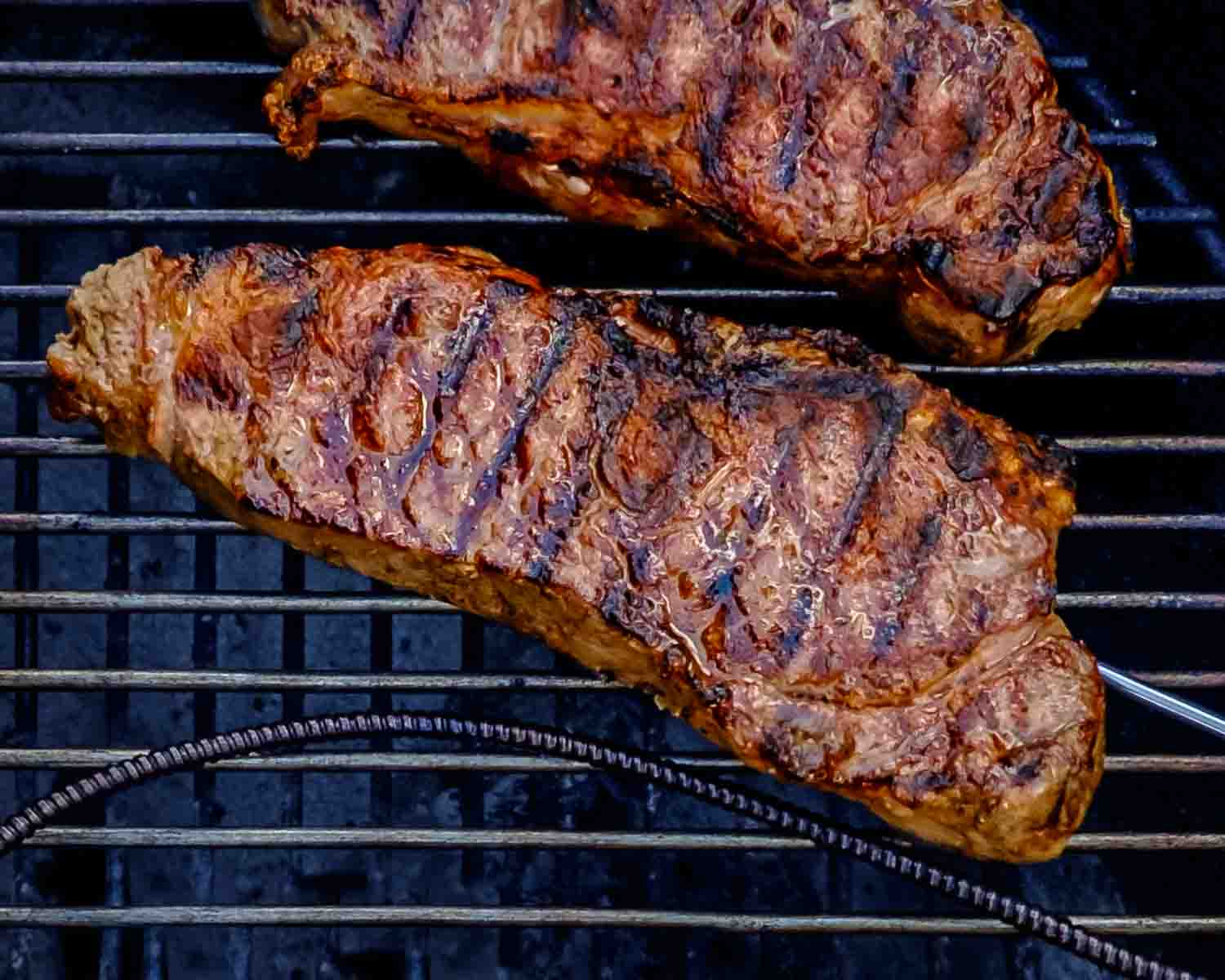
The Foundation: Choosing the Perfect New York Strip Steak
Before you even think about firing up the grill, the journey to a spectacular steak begins with the selection of the meat itself. The quality of your ingredient will directly impact the final result, so it’s worth investing a little time and effort in this crucial step.
Understanding the Cut: What Makes a New York Strip Special?
The New York strip steak, also known as the Kansas City strip, strip loin, or top sirloin, is a popular choice for good reason. It’s prized for its balance of tenderness and flavor. Unlike the ribeye, which has more intramuscular fat, the strip steak offers a slightly leaner profile while still retaining enough marbling to ensure juiciness and a rich, beefy taste. It’s typically cut from the short loin primal cut of the cow. The characteristic “strip” refers to the visible strip of fat running along one edge, which renders during cooking, adding moisture and flavor.
Selecting for Quality: What to Look For at the Butcher Counter
When you’re at the butcher counter, whether it’s at your local butcher shop or a high-end grocery store, keep these pointers in mind:
- Thickness: Aim for steaks that are at least 1 to 1.5 inches thick. Thicker steaks are more forgiving on the grill, allowing you to achieve a beautiful sear on the outside without overcooking the interior. Thin steaks are prone to drying out quickly.
- Marbling: Look for even, white flecks of fat distributed throughout the muscle. This intramuscular fat, or marbling, melts as the steak cooks, basting the meat from within and contributing to its tenderness and flavor. Avoid steaks with large, solid chunks of fat.
- Color: The meat should have a vibrant, cherry-red color. A slightly purplish hue is also acceptable, as it indicates the meat is rich in oxygen. Avoid steaks that appear dull brown or grayish, as this can be a sign of oxidation or age.
- Grade: While not always readily available to the consumer, look for USDA Prime or Choice grades. USDA Prime represents the highest quality, with abundant marbling. USDA Choice is also excellent and widely available, offering a great balance of quality and price. If you’re at a specialty butcher, they might offer dry-aged steaks, which have a more intense flavor due to a controlled aging process.
Preparing Your Steak: The Crucial Pre-Grilling Steps
Once you’ve secured your perfect New York strip steaks, a few preparatory steps will ensure they hit the grill in optimal condition.
Bringing Steak to Room Temperature
This is a non-negotiable step for even cooking. Cold steak hitting a hot grill will result in a steak that’s burnt on the outside and still cold in the center. Remove your steaks from the refrigerator about 30-60 minutes before grilling. The exact time will depend on the thickness of the steak and the ambient temperature of your kitchen. The goal is for the internal temperature to be closer to room temperature, allowing heat to penetrate the meat more uniformly.
Seasoning for Success
Simplicity is often key when it comes to highlighting the natural flavor of a great steak.
- Salt: Generously season both sides of the steak with coarse sea salt or kosher salt. The salt not only enhances flavor but also helps to draw out moisture to create a better sear. Don’t be shy; a good amount of salt is necessary, especially for thicker cuts.
- Pepper: Freshly ground black pepper is the classic companion. Apply it just before grilling to prevent the pepper from burning and becoming bitter.
- Optional Enhancements: While a simple salt and pepper rub is fantastic, some enthusiasts enjoy adding garlic powder, onion powder, or a touch of cayenne for a subtle kick. For a truly gourmet experience, consider a herb rub with rosemary and thyme. Remember, the goal is to complement, not overpower, the beef’s natural flavor.
The Art of the Grill: Achieving the Perfect Sear and Cook
With your steaks prepped and ready, it’s time to harness the power of the grill. The high heat of the grill is essential for developing that coveted caramelized crust, known as the Maillard reaction, which adds immense depth of flavor.
Setting Up Your Grill for Success
Whether you’re using a charcoal grill or a gas grill, proper heat management is paramount.
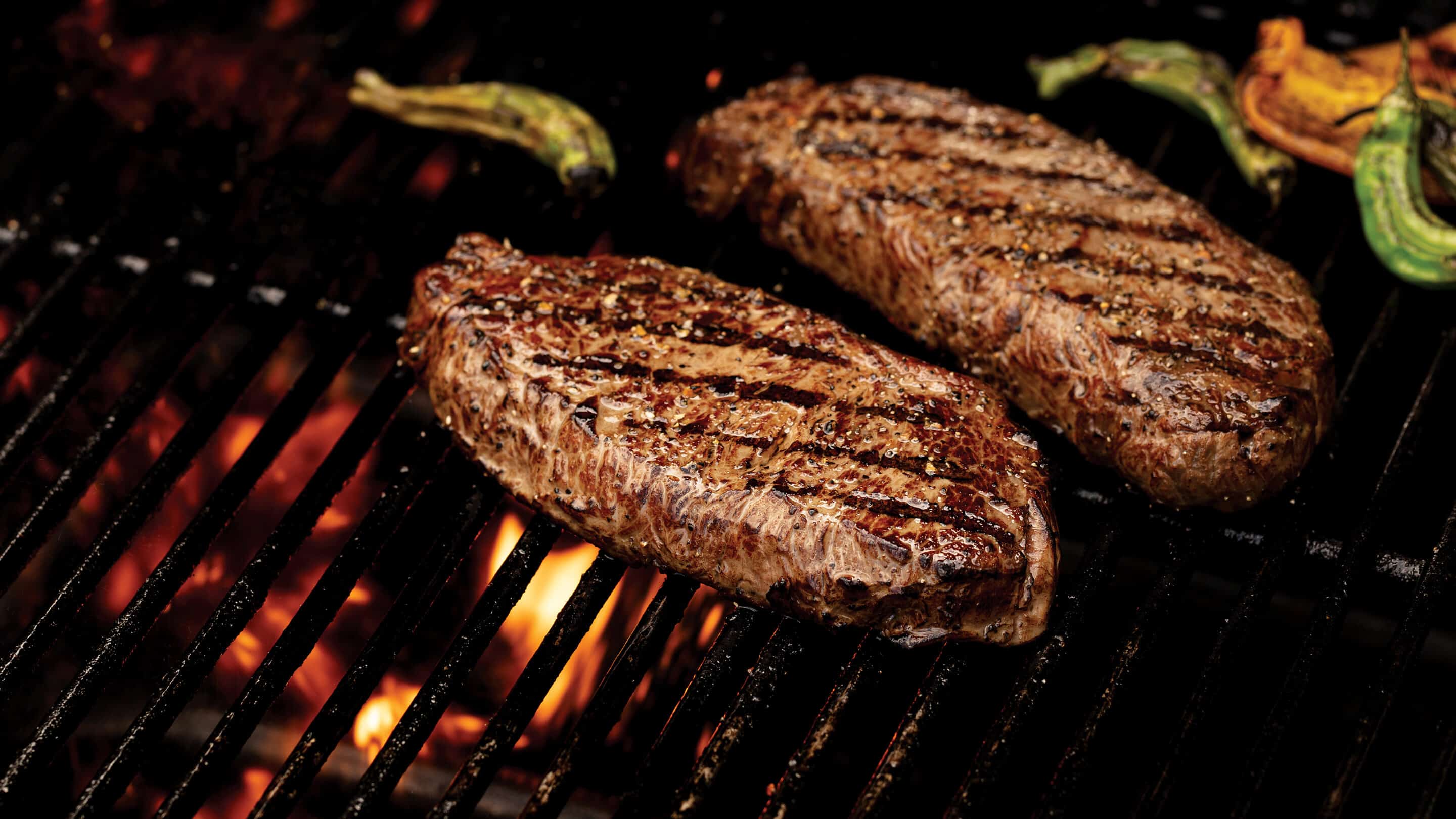
- Charcoal Grill: For a New York strip steak, you’ll want to create a two-zone fire. Arrange the hot coals on one side of the grill, leaving the other side empty. This direct heat zone will be used for searing, while the indirect heat zone will be used for finishing the steak if needed, especially for thicker cuts, to prevent burning before the inside is cooked.
- Gas Grill: Preheat your gas grill to high heat (around 450-500°F or 230-260°C). Similar to the charcoal grill, you can create a two-zone cooking area by leaving one burner on high and turning another to medium-low or off. This allows for searing over direct heat and moving the steak to a cooler spot to finish cooking if necessary.
The Grilling Process: Searing, Flipping, and Resting
This is where the magic happens. Patience and observation are your best tools.
Searing for the Perfect Crust
- Clean Your Grates: Before placing your steak on the grill, ensure your grates are clean. This prevents sticking and ensures a good sear. A wire brush is your best friend here.
- Oil Your Steak (Optional but Recommended): Lightly brush your seasoned steaks with a high-smoke-point oil, such as canola, grapeseed, or avocado oil. This further helps prevent sticking and promotes even browning.
- Sear Over Direct Heat: Place the seasoned steaks over the hottest part of your grill. You should hear a satisfying sizzle. Let the steak sear undisturbed for 2-4 minutes per side, depending on the thickness and how hot your grill is. Resist the urge to move it around. This is what creates those beautiful grill marks and the flavorful crust.
- Flip and Sear the Other Side: Flip the steak using tongs (never a fork, as piercing the meat releases precious juices) and sear the other side for another 2-4 minutes.
Cooking to Your Desired Doneness
After searing, you’ll want to move the steak to a slightly cooler part of the grill or reduce the heat if necessary, especially for thicker cuts. This is where a meat thermometer becomes invaluable for precision.
- Rare: 125-130°F (52-54°C)
- Medium-Rare: 130-135°F (54-57°C) – Often considered ideal for New York strip.
- Medium: 135-140°F (57-60°C)
- Medium-Well: 140-145°F (60-63°C)
- Well-Done: 150°F+ (65°C+)
Insert the thermometer into the thickest part of the steak, avoiding any bone or fat pockets. For thicker steaks, you might need to cook them for an additional 3-6 minutes per side over indirect heat, flipping occasionally, until they reach your desired internal temperature. Remember that the steak will continue to cook a few degrees as it rests.
The Crucial Resting Period
This is arguably as important as the grilling itself. Once the steak reaches your desired internal temperature, remove it from the grill and place it on a clean cutting board or platter. Tent it loosely with aluminum foil and let it rest for 5-10 minutes. This resting period allows the juices to redistribute throughout the steak. If you cut into it too soon, all those delicious juices will run out onto the board, leaving you with a dry steak.
Elevating Your Steak Experience: Sides and Sauces
A perfectly grilled New York strip steak deserves equally impressive accompaniments. Whether you’re enjoying a casual backyard barbecue or celebrating a special occasion, thoughtful sides and sauces can transform your meal into a culinary masterpiece. Imagine this feast after a day of exploring the historic sites of Philadelphia or enjoying the serene beauty of a mountain resort.
Classic and Creative Side Dishes
The beauty of a grilled steak lies in its versatility. It pairs wonderfully with a wide range of flavors and textures.
- Grilled Vegetables: Asparagus, bell peppers, zucchini, and onions all grill beautifully alongside your steak. Toss them with olive oil, salt, and pepper for a simple yet delicious side.
- Potatoes: Whether it’s classic mashed potatoes, crispy roasted potato wedges, or grilled potato skewers, potatoes are a hearty and satisfying accompaniment.
- Salads: A crisp green salad with a light vinaigrette offers a refreshing contrast to the rich steak. Consider a Caprese salad or a Caesar salad for a more decadent option.
- Corn on the Cob: A summertime favorite, grilled corn on the cob brushed with butter and seasoned with salt is a delightful addition.
Enhancing Flavor with Sauces and Toppings
While a well-cooked steak is delicious on its own, a complementary sauce or topping can add another layer of complexity and indulgence.
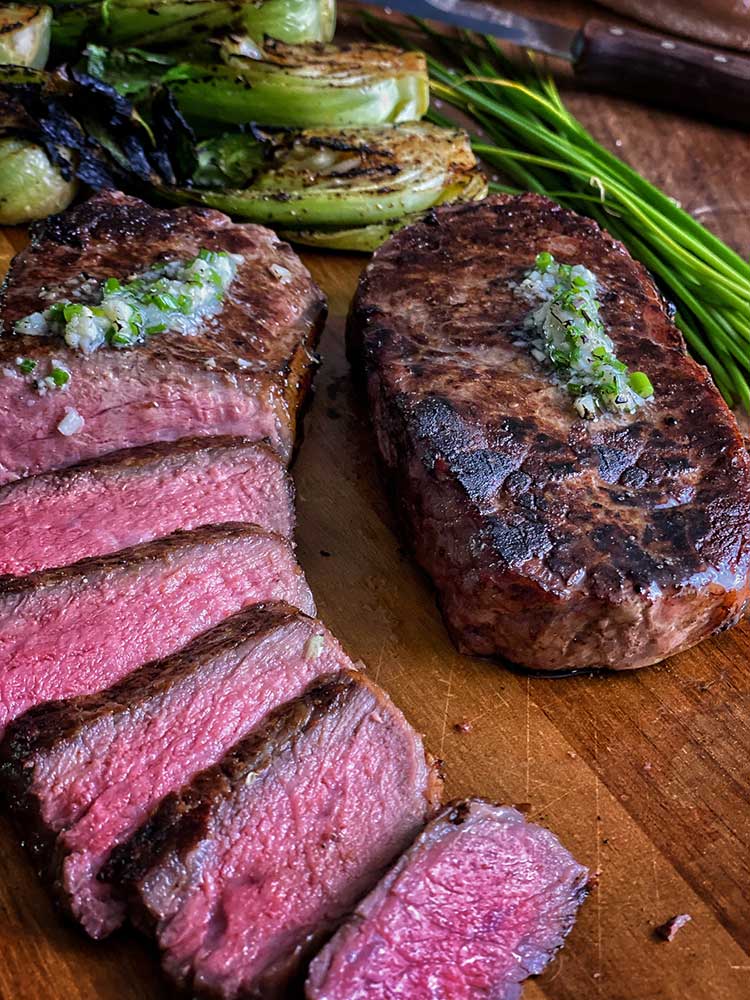
- Compound Butters: A dollop of herb butter, garlic butter, or blue cheese butter melting over a hot steak is a classic for a reason.
- Red Wine Reduction: A rich sauce made with red wine, beef broth, shallots, and herbs can elevate your steak to restaurant quality.
- Chimichurri: This vibrant Argentinian sauce, made with parsley, oregano, garlic, olive oil, and vinegar, offers a fresh, herbaceous counterpoint to the richness of the steak.
- Béarnaise Sauce: A classic French sauce made with egg yolks, butter, white wine vinegar, and tarragon, béarnaise is a luxurious choice.
By following these steps, you’ll be well on your way to grilling a New York strip steak that is not only delicious but also a testament to your culinary skills. It’s a simple pleasure that can be enjoyed after a day of travel, adventure, or relaxation, making any occasion feel like a special event. Whether you’re dining al fresco at home or looking for the perfect meal to complement your stay at a boutique hotel in Paris or a secluded villa in the Tuscan countryside, a perfectly grilled New York strip steak is a universally appreciated delight.