
Texas toast, a culinary icon that conjures images of hearty meals and comforting flavors, is more than just a slice of bread. It’s a canvas for deliciousness, a perfect accompaniment to everything from a classic barbeque to a gourmet pasta dish. But like any masterpiece, achieving perfection requires understanding the nuances of its preparation. Specifically, the question that often arises in kitchens across the nation is: “How long to cook Texas toast?” While the answer might seem straightforward, a truly golden, crispy, and satisfying slice is a result of careful attention to cooking time, temperature, and method.
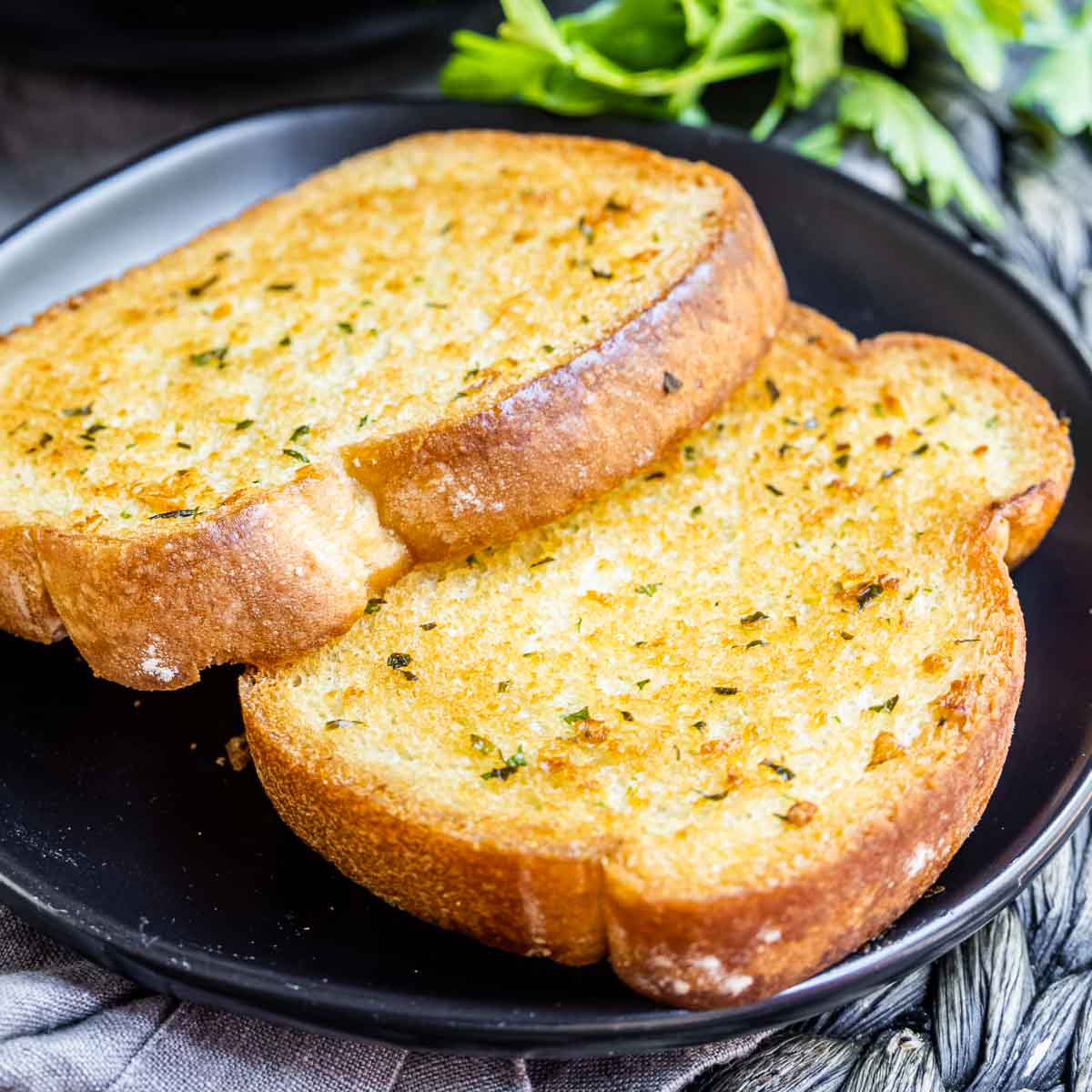
This guide delves into the essential aspects of cooking Texas toast, ensuring that whether you’re a seasoned chef or a novice cook, your Texas toast will be a guaranteed hit. We’ll explore the factors influencing cooking time, provide optimal cooking methods, and offer tips for achieving that irresistible crunch and flavor.
Understanding the Fundamentals of Texas Toast
Before we dive into precise cooking times, it’s crucial to understand what defines Texas toast and why it differs from regular bread. Texas toast is characterized by its thick, substantial slices, typically cut from a loaf of white bread. This generous thickness allows it to hold up to various cooking methods and toppings without becoming soggy or falling apart. Its name, while strongly associated with the Lone Star State, has a more debated origin, with some attributing its popularity to restaurants like Luby’s Cafeteria in Texas.
The magic of Texas toast lies in its ability to achieve a delightful balance: a crispy exterior that yields to a tender, airy interior. This textural contrast is what makes it so appealing, whether it’s simply buttered or transformed into garlic bread or even used as a base for open-faced sandwiches. The primary goal when cooking Texas toast is to achieve a golden-brown hue and a satisfying crunch, without burning the edges or leaving the center undercooked.
Key Factors Influencing Cooking Time
The “how long” of cooking Texas toast isn’t a one-size-fits-all answer. Several variables can affect the optimal cooking duration. Understanding these factors will empower you to adjust your approach and achieve perfect results every time.
Thickness of the Slice
As mentioned, Texas toast is defined by its thickness. Standard slices are usually around 1 to 1.5 inches thick. Thicker slices will naturally take longer to cook through and achieve a golden exterior compared to thinner ones. If you’re using pre-cut Texas toast, you can generally rely on the package instructions, but if you’re slicing your own loaf, consistency in thickness is key. A slice that’s too thin might cook too quickly, risking burning before the inside is warm, while a slice that’s excessively thick might require longer cooking to ensure it’s heated through.
Cooking Method
The method you choose to cook your Texas toast will significantly impact the time it takes. Each method offers a slightly different cooking environment and heat distribution.
- Oven Baking: This is arguably the most popular and reliable method for cooking Texas toast, especially for larger batches. The even heat distribution in an oven allows for consistent browning and crisping.
- Toaster Oven: A scaled-down version of a conventional oven, a toaster oven is excellent for smaller portions or when you want quick results. Its intense, direct heat can speed up the cooking process.
- Broiler: For a super-crispy, almost toasted-to-perfection result, the broiler is your ally. However, it requires constant vigilance as it can go from golden brown to burnt in mere seconds.
- Griddle or Frying Pan: Cooking Texas toast on a griddle or in a frying pan, especially with butter, imparts a rich, buttery flavor and a delightful crisp. This method is often used for specific dishes like French toast or when creating garlic bread.
Temperature of the Cooking Surface/Oven
The temperature at which you cook your Texas toast is paramount. Too low a temperature, and it will take ages to achieve browning, potentially drying out the bread. Too high, and you risk charring the exterior before the interior is adequately heated. Most recipes and guidelines suggest a moderate to moderately high heat, typically ranging from 350°F to 400°F (175°C to 200°C) for oven methods. For stovetop cooking, a medium heat is usually sufficient.
Whether the Toast is Plain or Topped
If you’re cooking plain Texas toast to serve alongside a meal, the cooking time will be shorter. However, if you’re preparing garlic bread, cheese toast, or any other topped version, the added ingredients will influence the cooking time. For example, cheese needs time to melt and bubble, requiring a slightly longer duration in the oven. Sauces or spreads may also need a moment to warm through.
Optimal Cooking Times and Techniques for Texas Toast
Now that we understand the influencing factors, let’s get down to the practicalities. Here are the recommended cooking times and techniques for various methods to achieve perfect Texas toast. These times are approximate and should always be adjusted based on your specific equipment and the exact thickness of your bread.
Baking Texas Toast in the Oven
Baking in a conventional oven is a go-to method for many, offering a balanced cook.
Prep: Preheat your oven to 375°F (190°C). If you’re making garlic Texas toast, spread a mixture of softened butter, minced garlic, and herbs (like parsley) generously over one side of each slice. You can also simply butter plain slices. Arrange the slices in a single layer on a baking sheet.
Cooking Time:
- Plain Texas Toast: Bake for approximately 5-8 minutes per side. Flip halfway through to ensure even browning.
- Garlic Texas Toast / Cheese Texas Toast: Bake for approximately 8-12 minutes per side. For garlic bread, you’ll want to watch for the butter to melt and the edges to turn golden. For cheese-covered toast, the cheese should be melted and bubbly, and the bread should be toasted to your liking. Again, flipping halfway can ensure even cooking.
Tip: For an extra crispy exterior without burning, consider placing the baking sheet directly on the oven rack, allowing for better heat circulation.
Using a Toaster Oven for Texas Toast
A toaster oven offers a quicker solution for smaller portions.
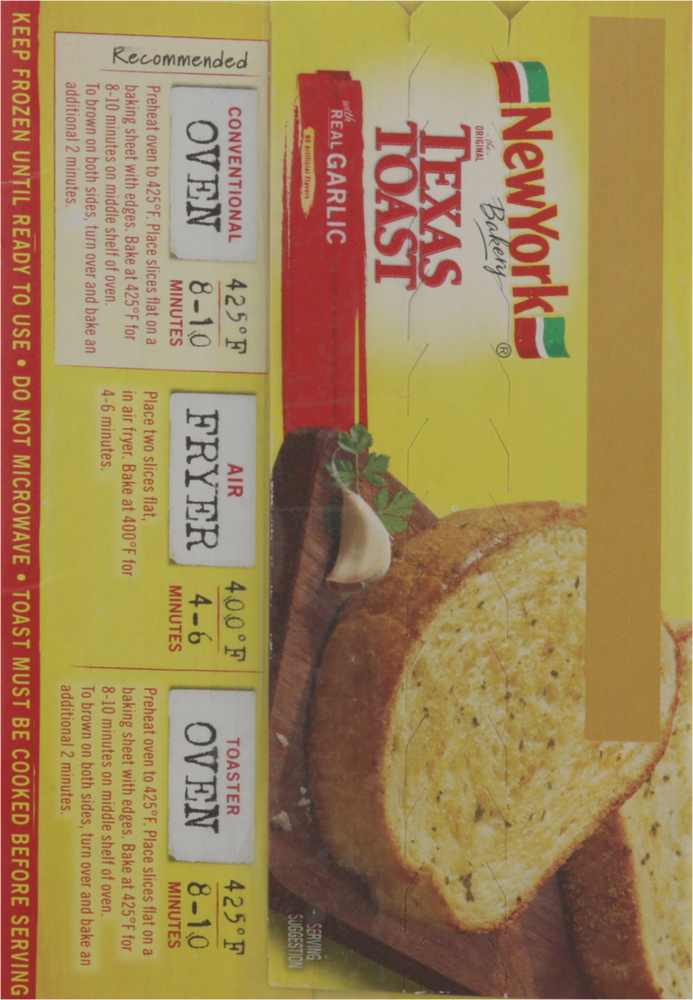
Prep: Preheat your toaster oven to 375°F (190°C). Prepare your Texas toast as described above (plain, buttered, or topped). Place the slices on the toaster oven tray, ensuring they don’t overlap.
Cooking Time:
- Plain Texas Toast: Toast for approximately 3-5 minutes per side. Keep a close eye as it can brown quickly.
- Garlic Texas Toast / Cheese Texas Toast: Toast for approximately 5-7 minutes per side. The shorter duration is due to the more intense heat of a toaster oven.
Caution: Toaster ovens can be powerful. It’s advisable to check your toast frequently, especially during the last few minutes of cooking, to prevent burning.
Broiling Texas Toast for Ultimate Crispiness
The broiler provides intense, direct heat for a rapid and crispy result. This method is best for plain or lightly buttered toast, as toppings might burn before melting.
Prep: Place your Texas toast slices on a baking sheet. If buttering, do so lightly. Position the oven rack so the toast is about 4-6 inches from the broiler element. Preheat your broiler on high.
Cooking Time:
- Broil for approximately 1-2 minutes per side.
Critical Note: This method requires constant attention. The bread can go from perfectly toasted to burnt in a matter of seconds. Watch it like a hawk and be ready to remove it immediately when it reaches your desired level of golden-brown crispiness.
Cooking Texas Toast on a Griddle or in a Frying Pan
This method is fantastic for achieving a buttery, fried crispiness, often used for dishes where the toast is a prominent component.
Prep: Melt a generous amount of butter (or use oil) in a large skillet or on a griddle over medium heat. Once the butter is melted and shimmering (but not browned), place your Texas toast slices in the pan, ensuring not to overcrowd it.
Cooking Time:
- Cook for approximately 3-5 minutes per side. You’re looking for a deep golden-brown crust and a tender interior.
Flavor Enhancement: This method is particularly excellent for making garlic Texas toast. After toasting one side, flip the toast, and spread the garlic butter mixture on the freshly toasted side. Cover the pan briefly to help the butter melt and the flavors meld.
Tips for Perfect Texas Toast Every Time
Beyond understanding cooking times, a few extra tips can elevate your Texas toast experience from good to extraordinary.
Choosing the Right Bread
While most white bread can be used for Texas toast, using a quality, slightly denser loaf can provide a better texture. Brioche or challah can also be used for a richer, sweeter version, though they may cook slightly differently due to their egg and sugar content.
Don’t Overcrowd the Pan or Baking Sheet
Allowing sufficient space between each slice ensures that heat circulates evenly. Overcrowding can lead to steaming rather than toasting, resulting in a less crispy texture.
Consider Topping Applications
When making garlic bread or cheese toast, the order of operations matters. For garlic bread, spreading the garlic butter after toasting one side allows the butter to melt into the bread and crisp up nicely. For cheese toast, ensuring the cheese is distributed evenly and then broiling or baking until melted and bubbly is key.
Seasoning Matters
Even plain Texas toast benefits from a sprinkle of salt and pepper after toasting. For garlic bread, don’t be shy with the garlic, and consider adding a pinch of red pepper flakes for a subtle kick. Fresh herbs like parsley or chives add a lovely burst of freshness.
Serve Immediately
Texas toast is best enjoyed fresh off the heat when it’s at its crispiest. As it sits, it can lose its ideal texture.

When is Texas Toast Done? The Visual Cues
Ultimately, the best indicator of perfectly cooked Texas toast is visual. Look for these signs:
- Golden Brown Exterior: The entire surface of the toast should have a consistent, appealing golden-brown color. Avoid pale or overly dark, burnt areas.
- Crispy Edges: The edges should appear firm and slightly raised, indicating a good crunch.
- Tender Interior (when pressed): Gently press the center of the toast. It should feel warm and slightly yielding, not hard or doughy. If you’re unsure, you can carefully lift a corner with a spatula to peek at the underside.
By following these guidelines and paying attention to your oven or stovetop’s unique characteristics, you’ll master the art of cooking Texas toast. Whether you’re dining at a cozy bed and breakfast in the Scottish Highlands or enjoying a casual meal in your own kitchen, perfectly cooked Texas toast is a simple pleasure that can truly enhance any dining experience. Remember, the journey to culinary perfection often lies in understanding the simple yet crucial details, and with Texas toast, it’s all about achieving that irresistible blend of crunch and tenderness.
LifeOutOfTheBox is a participant in the Amazon Services LLC Associates Program, an affiliate advertising program designed to provide a means for sites to earn advertising fees by advertising and linking to Amazon.com. Amazon, the Amazon logo, AmazonSupply, and the AmazonSupply logo are trademarks of Amazon.com, Inc. or its affiliates. As an Amazon Associate we earn affiliate commissions from qualifying purchases.