
The aroma of slow-smoked pork shoulder, often referred to as Boston Butt, is an irresistible call to culinary adventure. For enthusiasts of exquisite cuisine and the art of traditional cooking, mastering the craft of smoking this versatile cut is a journey well worth embarking upon. Whether you’re a seasoned pitmaster or a curious traveler seeking to infuse your adventures with unforgettable flavors, understanding the intricacies of “low and slow” cooking is key. This isn’t merely about cooking meat; it’s about a lifestyle, a cultural immersion, and a fantastic excuse to gather with loved ones, whether in your backyard or at a picturesque vacation rental in a new destination.
The allure of smoked Boston Butt extends far beyond its tender texture and rich taste. It’s a centerpiece for celebrations, a staple of regional food festivals, and a dish that evokes a sense of comfort and community. From the bustling streets of Kansas City to the serene landscapes of the Carolinas, the pursuit of the perfect pulled pork has become a significant part of food tourism, drawing travelers to explore local cultures through their distinctive barbecue traditions. In this comprehensive guide, we’ll delve into the precise timings and techniques required to achieve smoked pork perfection, while also exploring how this culinary pursuit intertwines with travel, accommodation, and a desire for authentic lifestyle experiences. Get ready to transform a simple cut of pork into a masterpiece that delights the senses and creates lasting memories.
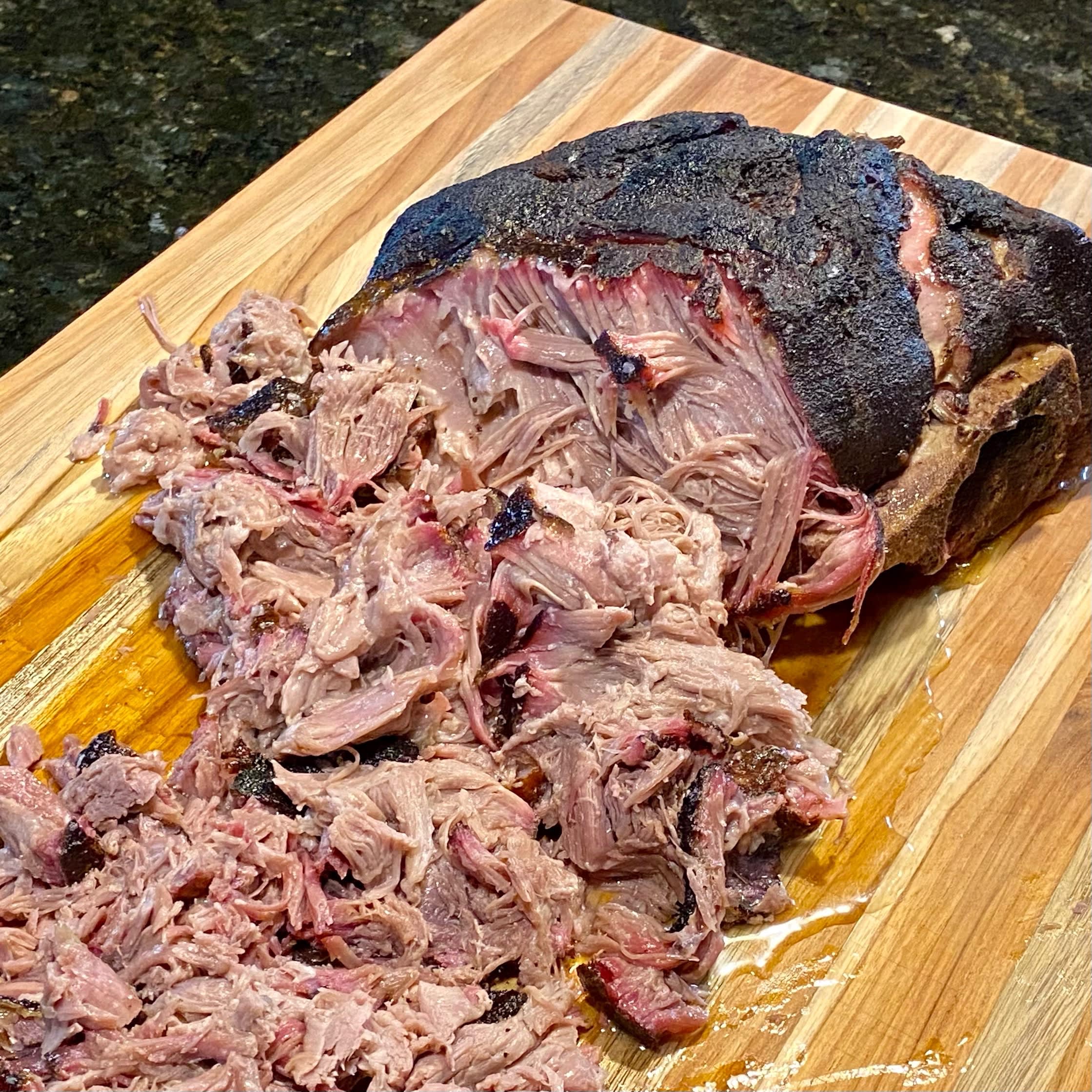
The Art and Science of Smoking Boston Butt: A Culinary Blueprint
At its heart, smoking a Boston Butt is a testament to patience and precision. The goal is to break down tough connective tissues, rendering the meat incredibly tender and infusing it with a rich, smoky flavor. The critical question of “how long?” isn’t a simple one; it’s influenced by several factors, including the size of the butt, the smoker’s temperature, and even external conditions like humidity. However, with a foundational understanding of the process, you can consistently achieve mouth-watering results.
Understanding the “Boston Butt” Cut
Despite its name, the Boston Butt actually comes from the upper part of the pig’s front shoulder, specifically the section directly above the picnic ham. This cut is rich in intramuscular fat and connective tissue, making it ideal for low-and-slow cooking methods. The fat renders beautifully, keeping the meat moist, while the connective tissue breaks down into gelatin, creating that melt-in-your-mouth tenderness characteristic of perfectly smoked pulled pork.
A typical Boston Butt weighs between 6 to 10 pounds. For a 8-pound butt, you’re generally looking at a smoking time of 10 to 14 hours. This estimation assumes a consistent smoker temperature and proper technique. The ultimate determinant of doneness, however, is not time alone, but the internal temperature of the meat and its tenderness.
The Low and Slow Philosophy: Temperatures and Timing
The golden rule for smoking a Boston Butt is “low and slow.” This means maintaining a consistent smoker temperature between 225°F (107°C) and 275°F (135°C). Most pitmasters aim for 250°F (121°C) as a sweet spot.
Here’s a breakdown of the process and approximate timings:
- Preparation (15-30 minutes): Start by trimming any excessively thick fat cap (leaving about 1/4 inch for moisture). Apply a generous dry rub, preferably overnight or at least 2 hours before smoking, allowing the flavors to penetrate the meat.
- Initial Smoke Phase (5-8 hours): Place the seasoned butt directly on the smoker grate. During this phase, the meat will absorb most of its smoky flavor. Keep the temperature stable. You’ll notice the meat developing a dark, crusty bark. The internal temperature will slowly rise until it hits the dreaded “stall”—typically between 150°F (65°C) and 170°F (77°C). The stall is when moisture evaporating from the surface of the meat cools it down, temporarily halting the temperature rise.
- The Stall and Wrapping (Optional, 3-6 hours): To power through the stall and keep the meat moist, many pitmasters choose to wrap the butt in butcher paper or aluminum foil once the bark has set (around 160-170°F / 71-77°C internal temperature). This is often called the “Texas Crutch.” Wrapping helps retain moisture and speeds up the cooking process. If you choose not to wrap, the stall can last longer, but you might achieve a more pronounced bark.
- Final Cook Phase (2-4 hours): Continue cooking until the internal temperature reaches between 195°F (90°C) and 205°F (96°C). The most reliable indicator of doneness is probe tenderness: a thermometer probe or skewer should slide into the meat with very little resistance, feeling like it’s entering soft butter.
- Resting (1-2 hours): Once done, remove the Boston Butt from the smoker (still wrapped if you used the Texas Crutch) and let it rest in an insulated cooler or a low oven (around 150°F / 65°C). This crucial step allows the juices to redistribute throughout the meat, resulting in a more succulent product. Do not skip this!
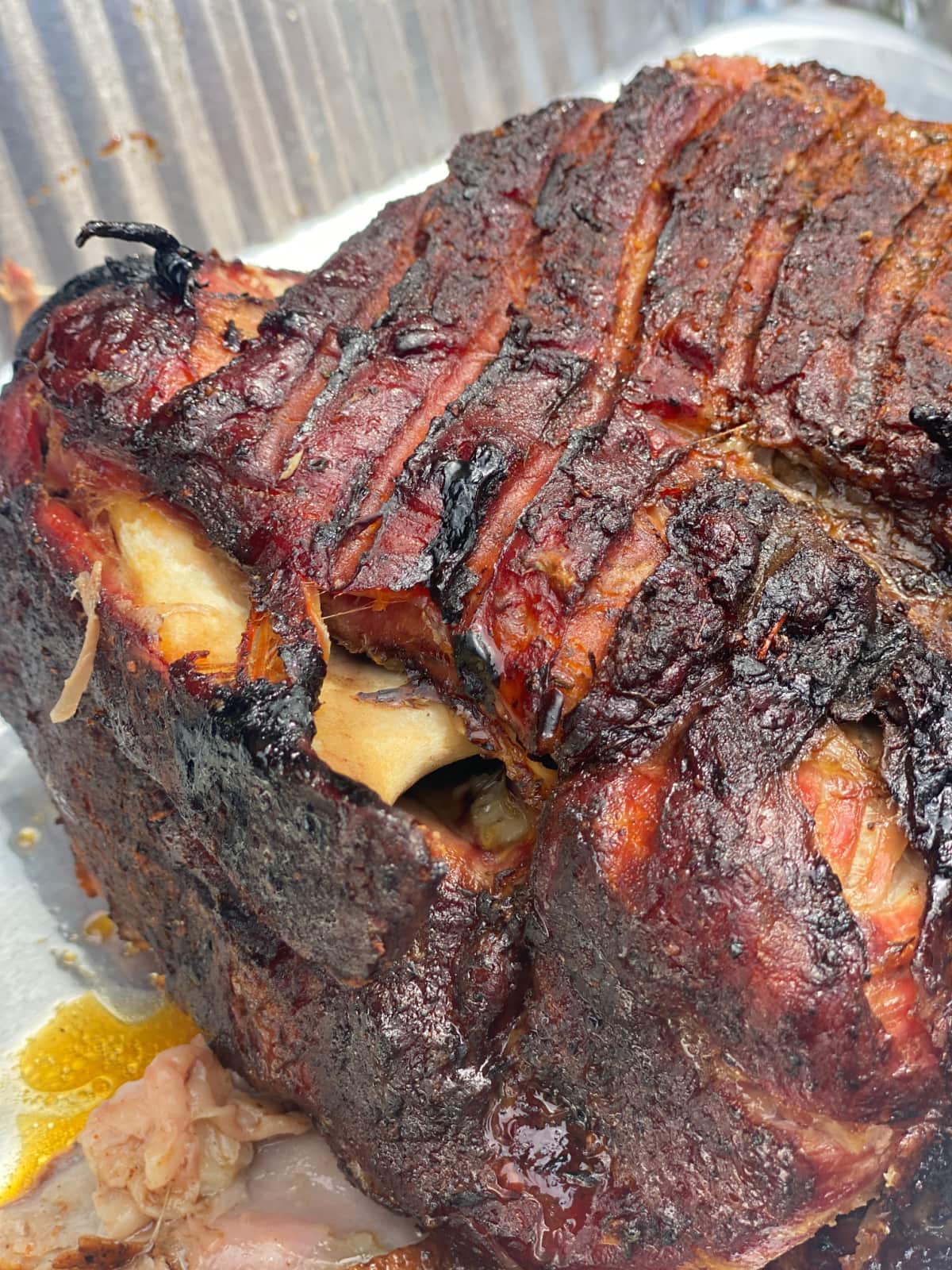
For an 8-pound butt at 250°F, total cooking time will typically be around 12-14 hours, including the rest. Remember, “it’s done when it’s done” – rely on internal temperature and tenderness rather than strict adherence to a clock.
A Culinary Journey: Regional BBQ Styles and Their Influence
Smoking a Boston Butt is more than just a cooking method; it’s an entry point into a rich tapestry of regional culinary traditions. Across the United States and even globally, the art of barbecue reflects local ingredients, historical influences, and community spirit. Exploring these distinct styles offers a fantastic opportunity for food tourism and cultural immersion.
The Southern BBQ Trail: A Flavorful Expedition
The American South is the undisputed heartland of barbecue, each state and even specific cities boasting a unique approach to smoked meats.
- Carolina BBQ: Famous for its whole hog approach, but equally adept at pulled pork from the Boston Butt. North Carolina is divided into Eastern and Western styles. Eastern style often features a vinegar-and-pepper-based sauce, emphasizing the natural pork flavor. Western (or Lexington style) incorporates a tomato and vinegar base, often with a hint of sweetness. Traveling through towns like Lexington or Greenville reveals a deep-seated tradition where barbecue is a way of life.
- Memphis BBQ: Known for its dry rubs and tomato-and-molasses-based sauces. Pulled pork sandwiches are a staple, often served with a generous dollop of sweet and tangy sauce and a side of coleslaw. A pilgrimage to Memphis is incomplete without sampling the rich, smoky flavors that define its culinary scene.
- Kansas City BBQ: While often associated with burnt ends and ribs, Kansas City also produces outstanding pulled pork. Their signature is a thick, sweet, and smoky tomato-based sauce, often applied generously. Many acclaimed barbecue restaurants in Kansas City are culinary landmarks in their own right, drawing foodies from around the globe.
- Texas BBQ: Primarily famous for its brisket, Texas also offers delicious pulled pork, especially in central Texas where oak wood is king. The focus here is typically on the quality of the meat and the smoke, with sauces often served on the side, allowing the pork’s natural flavors to shine. Visiting places like Austin or Lockhart offers an authentic taste of this robust tradition, with Franklin Barbecue being a prime example of culinary destination status.
These regional distinctions highlight how food can serve as a cultural landmark, each bite telling a story of history, ingredients, and community spirit. For those planning a travel itinerary, incorporating a “BBQ crawl” can be just as enriching as visiting historical sites or art museums.
International Inspirations: Global Smoked Meats
While the Boston Butt is a quintessential American cut, the concept of slow-cooked, smoked pork transcends borders, offering fascinating insights into global food traditions.
- Mexico: Carnitas: Although traditionally cooked in lard rather than smoked, carnitas share the same goal of achieving incredibly tender, flavorful pork. The process involves slow cooking until tender, then crisping the exterior. This technique, when explored on a culinary tour of Mexico City or Oaxaca, highlights the diverse ways cultures transform pork into a delicacy.
- Brazil: Churrasco: While primarily focusing on grilled beef, the principles of slow cooking and smoky flavor are integral to Brazilian barbecue. Exploring a traditional churrascaria in Rio de Janeiro can inspire new ways of thinking about meat preparation and presentation, even if the cuts differ.
- Southeast Asia: Various Smoked Pork Dishes: From charcoal-grilled pork skewers in Thailand to slow-roasted pork belly in Vietnam, many Asian cuisines employ techniques that produce tender, flavorful pork, often with a smoky char. While not always directly “smoked” in the American sense, these dishes offer a global perspective on how different cultures celebrate pork.
These international variations underscore the universal appeal of tender, flavorful pork, making the Boston Butt a gateway to exploring diverse culinary landscapes during your travels.
Elevating Your Travel Experience: BBQ as a Lifestyle Choice
The pursuit of the perfect smoked Boston Butt is more than just a hobby; it’s a lifestyle choice that enriches travel and everyday living. Integrating this passion into your travel plans, whether through luxury accommodations or budget-friendly experiences, can transform a simple trip into an unforgettable culinary adventure.
From Backyard to Boutique: Smoking on Vacation
Imagine staying at a luxurious resort in Maui that offers private villas equipped with outdoor kitchens and a dedicated smoker. Or perhaps a charming Airbnb in the Blue Ridge Mountains that provides a rustic yet modern setup for a pitmaster. Increasingly, upscale and unique accommodation options cater to guests who desire a hands-on culinary experience.
- Luxury Villas and Resorts: High-end hotels like a Four Seasons or Ritz-Carlton in culinary hotspots might offer specialized cooking classes or even private chef services that include barbecue. Some luxury villas are designed with state-of-the-art outdoor cooking spaces, making them perfect for guests who want to smoke their own Boston Butt while enjoying stunning views. Imagine sourcing local ingredients from a farmers’ market in Napa Valley and then slow-smoking them back at your private vineyard retreat.
- Boutique Hotels and Vacation Rentals: The burgeoning market for unique accommodation means you can find properties designed for specific interests. A rustic cabin in Tennessee might come with a traditional offset smoker, while a modern loft in Brooklyn, New York could feature a compact electric smoker for urban enthusiasts. These options allow travelers to integrate their passion for barbecue with their exploration of a new destination, perhaps using local woods or rubs sourced from the area.
- Glamping Experiences: For those who love the outdoors but crave comfort, glamping sites sometimes offer shared or private barbecue facilities, allowing you to enjoy a smoked feast under the stars, blending adventure with gourmet dining.
This trend underscores a shift in how people view travel—not just as sightseeing, but as an opportunity for hands-on, authentic experiences that reflect their personal interests and lifestyle.
Crafting Memories: Family & Friends Gatherings
Beyond individual pursuits, smoking a Boston Butt is often a communal activity, a cornerstone of family reunions and gatherings with friends. It’s a culinary project that brings people together, fostering connection and creating lasting memories.
- Family Retreats: Renting a large villa or a cluster of apartments for a family vacation provides the perfect setting for a group barbecue. Imagine a multi-generational effort, with everyone contributing to the preparation of sides, while the designated pitmaster oversees the smoking process. This shared culinary journey becomes a focal point of the trip, creating stories and bonds that endure long after the last shred of pork is devoured.
- Friends’ Getaways: For a group of friends, a weekend trip to a scenic location can be enhanced by a planned barbecue. Whether it’s a cabin by a lake in Michigan or a beachfront house in Florida, the anticipation of a slow-smoked meal adds an extra layer of excitement to the itinerary. It’s an opportunity to relax, socialize, and indulge in delicious food crafted with care.
- Culinary Workshops and Experiences: Some destinations offer “pitmaster classes” or barbecue tours as part of their tourism offerings. These can be incredible experiences for travelers who want to deepen their skills and connect with local experts. Imagine taking a class in Nashville to learn the secrets of perfect pulled pork, then applying those techniques at your own gathering back home or on a future trip.
These experiences embody the “lifestyle” aspect of our website, demonstrating how food, travel, and shared moments intertwine to create a richer, more fulfilling life.
Essential Tools and Tips for the Aspiring Pitmaster
While the core principle of low and slow is paramount, the journey to mastering the smoked Boston Butt is aided by the right tools and a few tried-and-true tips. These insights are valuable whether you’re smoking in your backyard or setting up a portable smoker on a camping trip.
Beyond the Basics: Advanced Techniques and Flavor Profiles
Even after you’ve mastered the basics, there’s always room to refine your technique and explore new flavor dimensions.
-
Smoker Choice:
- Offset Smokers: Traditional choice for large cuts, offering excellent temperature control and smoke flavor. Great for dedicated backyard enthusiasts.
- Kamado Grills (e.g., Big Green Egg): Versatile ceramic grills that excel at maintaining stable low temperatures, making them fantastic for smoking.
- Pellet Grills (e.g., Traeger, Pit Boss): User-friendly, offering set-it-and-forget-it convenience, ideal for those who want consistent results without constant monitoring. Some even offer smart features, allowing you to monitor cooks from your hotel room if you’re set up at a nearby vacation rental.
- Electric Smokers: Simple to operate, compact, and good for beginners or smaller spaces, including some travel scenarios.
-
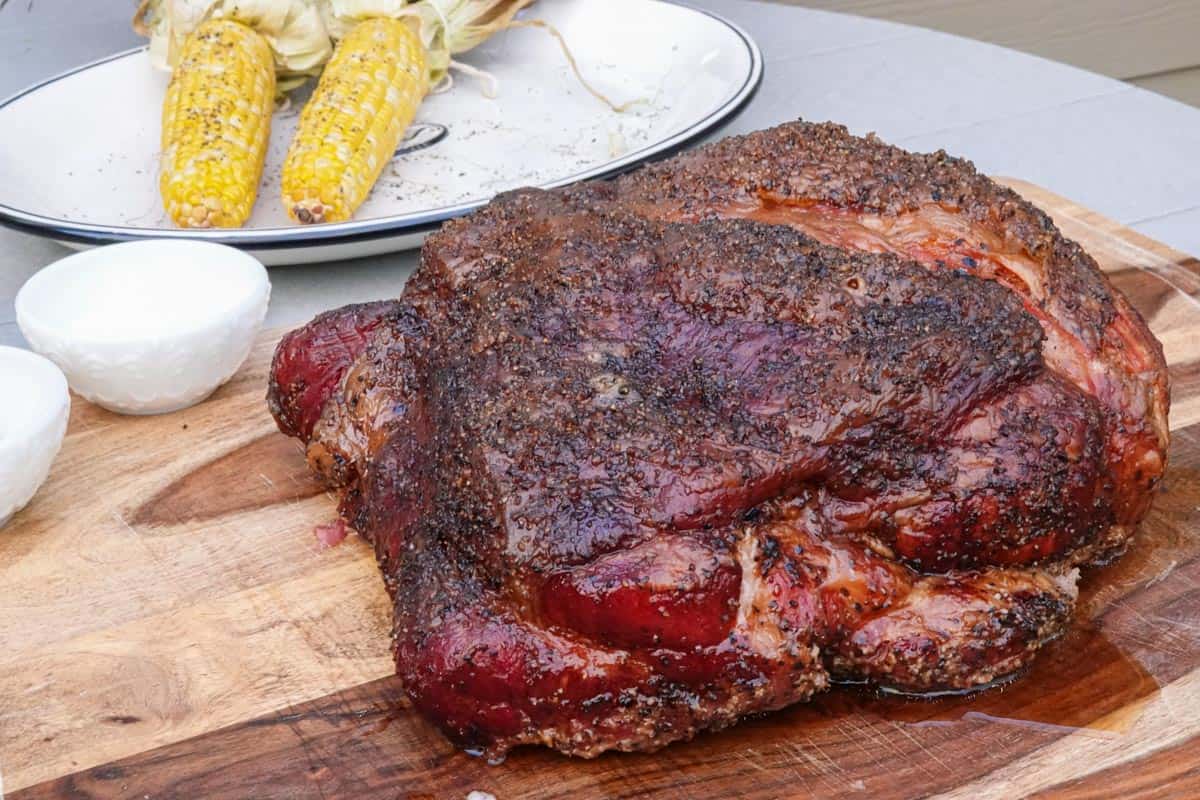
Wood Selection: The type of wood significantly impacts the flavor profile.
- Hickory: Strong, classic smoky flavor, very popular for pork.
- Oak: Medium, versatile smoke, great all-around choice.
- Applewood: Mild, fruity, and slightly sweet smoke, excellent for a more delicate flavor.
- Cherry: Similar to apple, offers a mild, sweet, and fruity smoke, also imparts a beautiful reddish color to the bark.
- Mesquite: Very strong, pungent smoke, best used sparingly or blended for pork.
-
Rub and Sauce Development: While a basic salt-and-pepper rub is a great start, experimenting with different spice blends (paprika, garlic powder, onion powder, brown sugar, chili powder, etc.) allows for endless customization. Crafting your own signature barbecue sauce, whether a tangy vinegar-based one or a sweet and smoky tomato version, is another way to personalize your pulled pork experience. Many travelers seek out local rubs and sauces as unique souvenirs, extending their culinary journey beyond the immediate trip.
-
Monitoring Tools: A reliable digital thermometer with a probe for the meat and another for the ambient smoker temperature is essential. Bluetooth-enabled thermometers can be a game-changer, allowing you to monitor temperatures remotely, giving you more freedom to enjoy your travels or entertain guests without constantly tending to the smoker.
-
Brining and Injecting: For an extra juicy and flavorful Boston Butt, consider brining it overnight or injecting it with a flavorful liquid (like apple juice, cider vinegar, or a seasoned broth) before smoking. This can add moisture and introduce deeper flavors.
Ultimately, smoking a Boston Butt is an iterative process. Each cook is an opportunity to learn and improve. Embrace the nuances, experiment with different techniques, and enjoy the journey of becoming a more skilled pitmaster. The satisfaction of pulling apart a perfectly cooked pork shoulder, infused with a rich smoky flavor, is immense—a culinary reward that perfectly complements the exploration and enjoyment of a well-lived life, whether at home or on an exotic holiday.
The pursuit of the perfect pulled pork also subtly weaves into the fabric of a discerning lifestyle, one where quality, experience, and memorable moments take precedence. Imagine a stay at a boutique hotel in Charleston, where the concierge can direct you to the finest local butcher for your Boston Butt, or a luxury suite in Sydney that offers access to a communal barbecue area with breathtaking views. These are the details that elevate a trip from ordinary to extraordinary, reflecting a commitment to rich experiences. The knowledge of how long to smoke a Boston Butt then becomes more than just a cooking instruction; it’s a key to unlocking these deeper, more flavorful experiences in your travels and your life.
In conclusion, mastering the art of smoking a Boston Butt is a rewarding endeavor that perfectly blends culinary passion with a love for travel and unique lifestyle experiences. From understanding the precise timings and temperatures to exploring the diverse regional styles that make barbecue a global phenomenon, this journey offers endless opportunities for discovery. Whether you’re planning a trip around the famous barbecue trails of the United States or seeking accommodation that supports your outdoor cooking adventures, the allure of perfectly smoked pulled pork is undeniable. So, ignite your smoker, gather your ingredients, and embark on a delicious adventure that promises not just incredible food, but also unforgettable memories, rich cultural insights, and a deeper appreciation for the simple yet profound pleasures of life.
LifeOutOfTheBox is a participant in the Amazon Services LLC Associates Program, an affiliate advertising program designed to provide a means for sites to earn advertising fees by advertising and linking to Amazon.com. Amazon, the Amazon logo, AmazonSupply, and the AmazonSupply logo are trademarks of Amazon.com, Inc. or its affiliates. As an Amazon Associate we earn affiliate commissions from qualifying purchases.