
The question of “How many acres is Disney World in Orlando?” often elicits gasps of surprise when the true scale is revealed. More than just a collection of theme parks, Walt Disney World Resort in Florida is an immense, meticulously planned vacation kingdom, covering an area so vast it’s difficult for many to comprehend. It is, in essence, a small city unto itself, complete with its own infrastructure, transportation systems, diverse accommodations, and entertainment districts, all sprawling across a truly monumental landscape.
For context, many people are familiar with the original Disneyland Resort in California, which occupies a relatively modest 500 acres. Walt Disney World Resort, however, is approximately 27,000 acres, or roughly 43 square miles. To put this into perspective, it’s about twice the size of Manhattan in New York City or roughly the size of the entire city of San Francisco. This staggering acreage is not merely empty land; it is a meticulously managed ecosystem comprising theme parks, water parks, over two dozen resort hotels, golf courses, lakes, a shopping and entertainment district, and vast tracts of undeveloped land dedicated to conservation. Understanding this immense scale is crucial for any traveler planning a visit, as it fundamentally shapes the travel experience, from navigating the property to selecting the right accommodations.
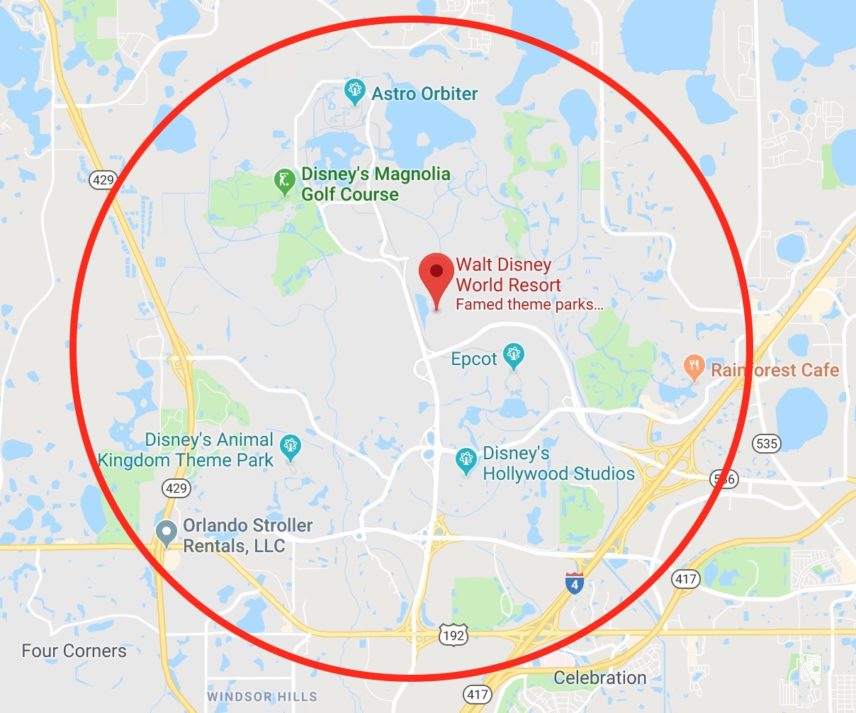
The Staggering Scale of Walt Disney World Resort
The vision of Walt Disney for his Florida project was far grander than his initial park in California. He envisioned not just an amusement park, but a truly immersive environment, a “Experimental Prototype Community of Tomorrow” (EPCOT) and a complete vacation destination where guests could stay, play, and dine without ever needing to leave the property. This ambitious vision necessitated a colossal amount of land, leading to the acquisition of properties in what was then largely undeveloped swamp and farmland near Orlando. The size allowed for buffer zones, future expansion, and the creation of a seamless, fantasy-driven experience free from the outside world’s intrusions.
A City Unto Itself: Overview of the Resort’s Components
Within its 27,000 acres, Walt Disney World Resort hosts a diverse array of attractions and infrastructure. At its core are the four main theme parks, each a world of its own:
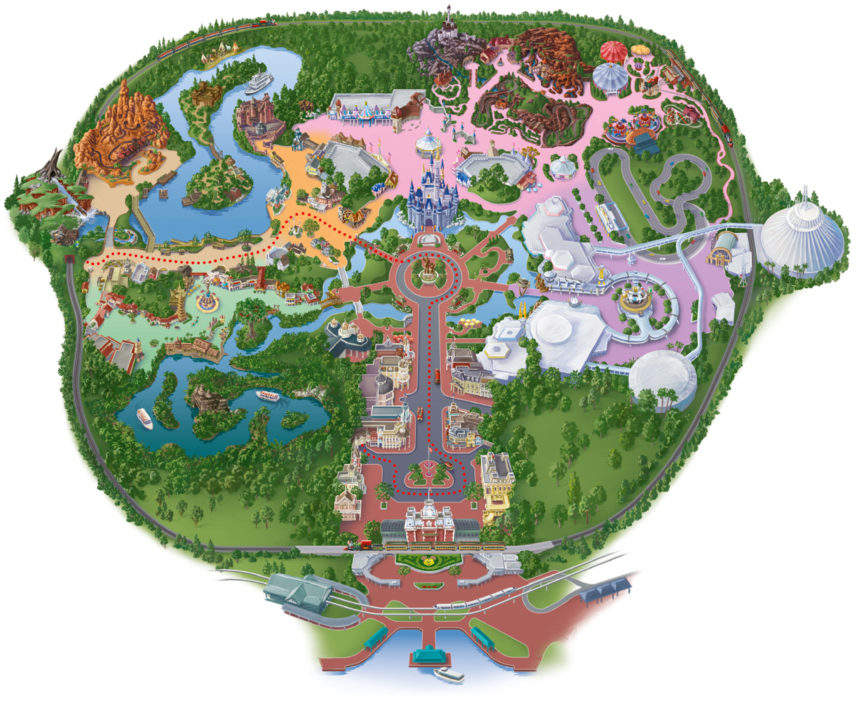
- Magic Kingdom Park: The iconic park featuring Cinderella Castle, classic attractions, and beloved character encounters across lands like Fantasyland, Adventureland, and Tomorrowland.
- Epcot: A celebration of human achievement and international cultures, divided into World Showcase and Future World, home to the famous Spaceship Earth geodesic sphere.
- Disney’s Hollywood Studios: A park dedicated to the magic of movies, television, and Broadway shows, featuring immersive lands like Star Wars: Galaxy’s Edge and thrilling attractions like The Twilight Zone Tower of Terror.
- Disney’s Animal Kingdom Theme Park: Focusing on natural environment and animal conservation, with areas like Pandora – The World of Avatar and the majestic Tree of Life at its center.
Beyond the theme parks, the resort also encompasses two distinct water parks: Disney’s Blizzard Beach Water Park and Disney’s Typhoon Lagoon Water Park, each offering unique slides, wave pools, and relaxation areas. For dining, shopping, and entertainment, Disney Springs serves as a vibrant hub, boasting world-class restaurants, boutique shops, and live performances. Sports enthusiasts can find their haven at the ESPN Wide World of Sports Complex, a sprawling multi-sport venue that hosts amateur and professional athletic events throughout the year.

The enormous footprint also includes numerous golf courses, miniature golf courses, two large natural lakes (Bay Lake and Seven Seas Lagoon), and a vast network of roads, utilities, and backstage areas necessary to support such a massive operation. A significant portion of the acreage is also dedicated to wetlands and conservation areas, reflecting Disney’s commitment to environmental stewardship, which also serves as a natural buffer, enhancing the immersive qualities of the parks.
Breaking Down the Acreage: Parks, Water Parks, and More
While the total acreage is impressive, it’s important to understand that not all of it is developed for guest access. The land is strategically allocated:
- Theme Parks: Each theme park is hundreds of acres on its own, with Disney’s Animal Kingdom Theme Park being the largest at over 500 acres. Magic Kingdom Park covers about 107 acres, while Epcot is approximately 300 acres, and Disney’s Hollywood Studios is around 135 acres. These figures typically refer to the guest-accessible areas.
- Water Parks: Both Disney’s Blizzard Beach Water Park and Disney’s Typhoon Lagoon Water Park each occupy significant land, providing ample space for their elaborate themed environments.
- Resorts: The resort hotels, ranging from value to deluxe, are spread out across the property, many with their own expansive grounds, pools, and recreational facilities. Deluxe resorts like Disney’s Grand Floridian Resort & Spa and Disney’s Polynesian Village Resort occupy prime waterfront real estate.
- Disney Springs and ESPN Wide World of Sports Complex: These entertainment and sports venues are sprawling destinations in themselves, requiring considerable acreage for their various components.
- Behind-the-Scenes & Infrastructure: A massive amount of land is dedicated to backstage areas, maintenance facilities, central utility plants, and the extensive Disney Transportation System, including bus depots, Monorail lines, and Skyliner gondola stations. This infrastructure is vital for the seamless operation of the resort and often remains unseen by guests.
- Conservation and Green Space: A substantial portion, nearly a third of the total land, is set aside for conservation and undeveloped natural habitats. This includes wetlands, forests, and other natural areas that contribute to the aesthetic and ecological balance of the resort.
This careful allocation ensures that despite its immense size, Walt Disney World Resort maintains a cohesive and immersive atmosphere, preventing the outside world from encroaching on the guest experience.
Beyond the Theme Parks: Disney’s Extensive Accommodation and Amenities
The sheer size of Walt Disney World Resort allows for an unparalleled range of accommodation options and amenities, making it a comprehensive destination for any lifestyle or budget. From opulent resorts to rustic campgrounds, guests can tailor their stay to their preferences, often without ever leaving the magic.
A World of Resorts: From Value to Deluxe
Walt Disney World Resort boasts over two dozen Disney-owned and operated hotels, plus several associated hotels like the Walt Disney World Swan and Dolphin Resorts. These accommodations are categorized into Value, Moderate, and Deluxe tiers, each offering distinct themes, services, and price points:
- Value Resorts: Designed for budget-conscious travelers, these resorts offer vibrant, oversized theming and essential amenities. Examples include Disney’s All-Star Movies Resort, Disney’s All-Star Music Resort, and Disney’s All-Star Sports Resort. They provide comfortable rooms and fantastic pools, making them ideal for families looking for an affordable yet immersive Disney experience.
- Moderate Resorts: These properties strike a balance between value and amenities, often featuring more elaborate theming, larger grounds, and multiple dining options. Disney’s Caribbean Beach Resort, Disney’s Port Orleans Resort – Riverside, and Disney’s Coronado Springs Resort are popular choices, offering a step up in ambiance and features.
- Deluxe Resorts: Representing the pinnacle of luxury, these resorts offer prime locations, exquisite dining, extensive amenities, and often direct access to theme parks via Monorail, Skyliner, or walking paths. Disney’s Contemporary Resort, Disney’s Polynesian Village Resort, Disney’s Grand Floridian Resort & Spa, and Disney’s Animal Kingdom Lodge are prime examples, offering unparalleled service and unique experiences. Many Deluxe resorts also offer Disney Vacation Club villas, providing home-like suites with kitchenettes and multiple bedrooms, perfect for longer stays or larger families.
- Unique Accommodations: For those seeking a more rustic lifestyle, Disney’s Fort Wilderness Resort & Campground provides cabin rentals and campsites amidst a serene natural setting. This offers a different kind of Disney experience, emphasizing outdoor activities and a relaxed pace, while still being integrated into the resort’s offerings.
The sheer volume and variety of hotels and resorts underscore the enormous land area required, allowing each property to have its distinct identity, expansive grounds, and comprehensive list of features, from multiple pools and diverse dining establishments to themed activities and dedicated transportation options.
Recreational Riches and Natural Preserves
Beyond the structured theme parks and resorts, Walt Disney World Resort’s extensive acreage is home to an incredible array of recreational activities. The multiple championship golf courses, such as Magnolia Golf Course and Palm Golf Course, are destinations in themselves for avid golfers. Watersports are popular on Bay Lake and Seven Seas Lagoon, with opportunities for boating, fishing, and even parasailing. Miles of jogging and biking trails weave through various resort areas and conservation lands, offering a tranquil escape for those looking to stay active.
The dedication of approximately one-third of the total land to conservation and natural preserves is a significant aspect of Walt Disney World Resort’s environmental commitment. These areas protect diverse ecosystems, including wetlands, forests, and animal habitats, playing a crucial role in maintaining local biodiversity. This thoughtful integration of nature not only contributes to the resort’s sustainability efforts but also enhances the overall guest experience, offering moments of natural beauty amidst the vibrant entertainment. This vast green space acts as a natural buffer, ensuring that the magic within the parks remains undisturbed and immersive, a cornerstone of the Disney philosophy.
Why Size Matters: Planning Your Magical Visit
The colossal size of Walt Disney World Resort is not just a statistic; it profoundly impacts the planning and execution of a magical vacation. It means that careful consideration must be given to everything from transportation to accommodation choices and daily itineraries.
Navigating the Expansive Resort
One of the most critical aspects of visiting such a large destination is understanding how to get around. The Disney Transportation System is a complex and efficient network designed to move hundreds of thousands of guests daily across its vast property. This includes:
- Buses: A comprehensive bus system connects all Disney resorts to the theme parks, water parks, and Disney Springs.
- Monorail: The iconic Monorail provides direct service between Magic Kingdom Park, Epcot, and several deluxe resorts (Disney’s Contemporary Resort, Disney’s Polynesian Village Resort, and Disney’s Grand Floridian Resort & Spa).
- Skyliner: This relatively new gondola system offers a scenic and efficient way to travel between Epcot, Disney’s Hollywood Studios, and several moderate and deluxe resorts (Disney’s Caribbean Beach Resort, Disney’s Riviera Resort, Disney’s Art of Animation Resort, and Disney’s Pop Century Resort).
- Ferry Boats & Water Taxis: Connecting Magic Kingdom Park to parking lots and surrounding resorts, and also providing service to various resorts around Epcot and Disney’s Hollywood Studios (e.g., Disney’s BoardWalk Inn, Disney’s Yacht Club Resort, Disney’s Beach Club Resort).
- Walking Paths: Certain parks and resorts are connected by pleasant walking paths, offering a serene way to get around, particularly between Epcot and Disney’s Hollywood Studios and their nearby resorts.
Understanding these options and factoring in travel time between different points is essential. A common mistake first-time visitors make is underestimating the time it takes to travel from one end of the resort to another, potentially missing dining reservations or showtimes. Utilizing planning tools and the My Disney Experience app helps optimize travel within the resort.
Maximizing Your Disney Experience
To truly make the most of a visit to Walt Disney World Resort, especially considering its size, strategic planning is key. Here are some tips:
- Stay On-Property: Staying at a Disney resort offers immense benefits, including complimentary transportation, early park entry, and the ability to book dining and experiences further in advance. This saves time and provides convenience that is invaluable on such a vast property.
- Plan Your Itinerary: With so much to see and do, a detailed plan for each day is crucial. Grouping parks by proximity or transportation type can save considerable travel time. For instance, combining Epcot and Disney’s Hollywood Studios on consecutive days, or utilizing the Monorail loop for Magic Kingdom Park and nearby resorts.
- Utilize Technology: The My Disney Experience app is indispensable. It provides real-time wait times for attractions, mobile ordering for food, park maps, and helps manage your itinerary, including Genie+ and Lightning Lane selections.
- Consider Rest Days: Given the sheer amount of walking and exploration involved, incorporating a rest day or a half-day at your resort pool or at Disney Springs can prevent burnout, especially for families with young children.
- Dining Reservations: Due to the popularity of Disney’s world-class food and beverage options, making Advanced Dining Reservations (ADRs) as early as possible (60 days out) is highly recommended.
The sheer scale allows for a diverse range of experiences, from luxury travel to budget travel, family trips to business stays. Understanding the vastness of the Walt Disney World Resort is the first step in crafting an unforgettable travel itinerary that maximizes enjoyment and minimizes logistical hurdles.
The Economic and Cultural Impact of a Global Landmark
Beyond the magic and immersive experiences, the immense scale of Walt Disney World Resort has cemented its status as a global landmark with profound economic and cultural impacts, particularly on Central Florida. The resort is one of the world’s premier tourist destinations, attracting millions of visitors annually from every corner of the globe. This constant influx of tourism has fueled exponential growth in the Orlando metropolitan area, transforming it from a relatively small citrus-growing region into a vibrant, international hub for travel and hospitality.
The economic footprint of Walt Disney World Resort is staggering. It is one of the largest single-site employers in the United States, providing tens of thousands of direct jobs for its Cast Members, ranging from entertainers and ride operators to hotel staff and highly skilled technicians. Furthermore, its operations support countless indirect jobs in construction, retail, food service, transportation, and a myriad of other industries across Florida. The resort generates billions of dollars in revenue annually, contributing significantly to local and state tax coffers, which in turn fund public services and infrastructure projects. The continuous expansion and maintenance of such a vast property require substantial ongoing investment, further stimulating the regional economy.
Culturally, Walt Disney World Resort has become synonymous with fantasy, innovation, and family entertainment. It represents a pinnacle of themed design and storytelling, influencing theme parks and attractions worldwide. It serves as a melting pot where diverse local cultures and global visitors converge, fostering unique interactions and shared experiences. The presence of such a monumental destination has also driven the development of surrounding areas like Kissimmee and Lake Buena Vista, which now offer their own array of hotels, restaurants, and attractions to cater to the overflow of visitors. Its sheer size allows for constant evolution and the introduction of new experiences, ensuring its continued relevance and appeal as a timeless global landmark for generations to come.
Frequently Asked Questions about Disney World’s Size
The immense scale of Walt Disney World Resort often leads to many questions from curious travelers and those planning their first visit. Here are some of the most common inquiries regarding its acreage and how it impacts the vacation experience.
How does Disney World’s size compare to other major theme parks?
Walt Disney World Resort is significantly larger than virtually any other single theme park complex in the world. As mentioned, it’s roughly 54 times larger than Disneyland Resort in California (500 acres) and vastly surpasses other popular Orlando destinations like Universal Orlando Resort, which covers approximately 541 acres. The distinction lies in Walt Disney World Resort being an entire “resort complex” or “vacation kingdom” rather than just a park, encompassing multiple parks, hotels, and vast undeveloped areas.
Is all of the 27,000 acres accessible to guests?
No, not all of the 27,000 acres are accessible to guests. While a significant portion is dedicated to the four theme parks, two water parks, Disney Springs, ESPN Wide World of Sports Complex, and over two dozen resort hotels, a substantial amount of land is reserved for “backstage” operations, maintenance facilities, utility infrastructure, roads, and importantly, conservation areas. These undeveloped lands serve as crucial buffers, ensuring the immersive quality of the guest-facing areas and protecting local ecosystems.
How does the size affect transportation within Disney World?
The sheer size makes internal transportation a critical part of the Walt Disney World Resort experience. Unlike smaller parks where walking might suffice, guests often rely on the comprehensive Disney Transportation System which includes buses, the iconic Monorail, the convenient Skyliner gondola system, and various watercraft. Travel times between parks or between a resort and a park can range from 15 minutes to over an hour, depending on the mode of transport and the specific locations. Planning for these travel times is essential to avoid missing reservations or shows.
What is the purpose of the undeveloped land within Disney World?
The undeveloped land, which accounts for roughly one-third of the total acreage, serves several vital purposes. Primarily, it acts as a natural buffer, shielding the highly themed areas of the parks and resorts from the outside world, thus enhancing the immersive experience. Furthermore, much of this land is dedicated to conservation, protecting valuable wetlands, forests, and wildlife habitats. This commitment to environmental stewardship is a long-standing practice for Disney, contributing to the ecological health of the region and providing serene natural landscapes within the bustling resort.
Does Disney World plan to expand further on its remaining land?
While Walt Disney World Resort currently holds a significant amount of undeveloped land, future expansion plans are always a topic of speculation and strategic consideration. The initial purchase of such a large tract was always with an eye toward future growth. While some areas are permanently protected for conservation, other undeveloped parcels offer potential for new theme park additions, resort hotels, or other attractions. Disney continuously invests in new experiences and infrastructure, leveraging its vast landholdings to remain a leading global destination. The substantial acreage provides incredible flexibility for the resort’s evolution over decades to come.