
The question of how many acres Disneyland occupies is more complex than it might initially seem, as it depends on whether one is referring to the original Disneyland Park or the expansive Disneyland Resort that has evolved around it. Nestled in Anaheim, California, this iconic destination has grown significantly since its doors first opened in 1955, transforming from a single park into a multi-faceted entertainment hub. Understanding its acreage provides crucial insight into its design, operational efficiency, and its monumental impact on global tourism and the leisure industry.
For many, Disneyland represents a timeless escape, a place where imagination takes flight and stories come to life. Walt Disney’s revolutionary concept redefined the amusement park experience, creating a meticulously themed environment that captivated millions. Over the decades, this vision has expanded, weaving together a tapestry of attractions, hotels, dining, and entertainment that collectively form the sprawling Disneyland Resort. Delving into the exact dimensions of this magical kingdom reveals not just numbers, but the thoughtful planning and continuous innovation that allow it to host millions of visitors each year within its enchanting boundaries.
Understanding the Scope: Disneyland Park vs. Disneyland Resort
To accurately answer how many acres Disneyland spans, it’s essential to differentiate between its two primary definitions: the historical Disneyland Park and the contemporary Disneyland Resort. This distinction is crucial for comprehending the scale of this beloved destination and how it has developed over nearly seven decades.
The Original Vision and Its Footprint
When Disneyland Park first opened its gates on July 17, 1955, it occupied a relatively modest 85 acres. This was the culmination of Walt Disney’s dream to create a place where families could share experiences together, a departure from the typical, often gritty, amusement parks of the era. He envisioned a “theme park” where every detail contributed to an immersive narrative, from the carefully manicured landscapes to the distinct architectural styles of its various “lands.”
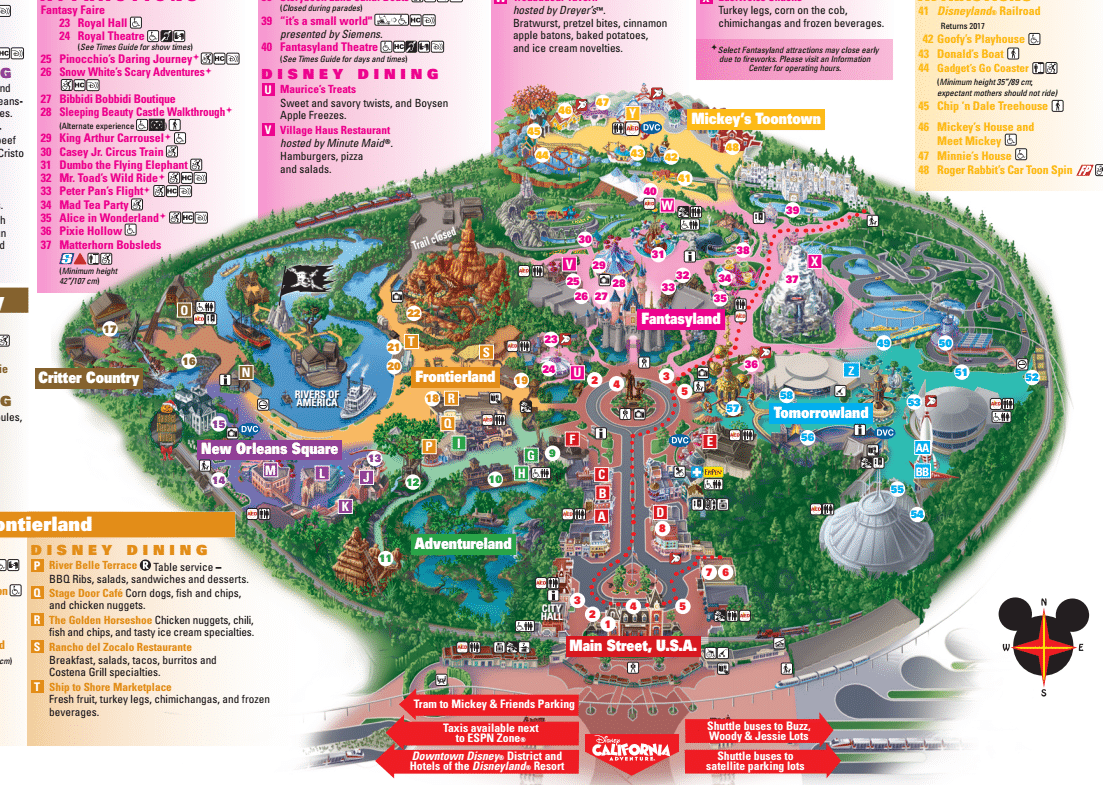
This original 85-acre footprint, while seemingly small by today’s standards for a major theme park, was revolutionary in its design. It efficiently packed a diverse array of attractions and experiences into a compact, navigable space. The park’s hub-and-spoke layout, centered around Sleeping Beauty Castle, allowed guests to easily transition between themed areas like Main Street, U.S.A., Fantasyland, Adventureland, Tomorrowland, and Frontierland. This thoughtful planning maximized the visitor experience, making every acre feel purposeful and filled with magic. Even today, the original Disneyland Park continues to thrive within these foundational boundaries, a testament to its enduring design.

The Expanded Realm: Disneyland Resort Today
Over the years, the success of Disneyland Park led to ambitious expansion plans, transforming the original single park into the much larger Disneyland Resort. The resort, as it stands today, encompasses approximately 500 acres. This significant increase in acreage allowed for the introduction of new experiences and amenities, solidifying Disneyland’s status as a premier global travel destination.
The Disneyland Resort includes several key components that contribute to its 500-acre total:
- Disneyland Park: The original 85-acre theme park, the heart of the resort.
- Disney California Adventure Park: Opened in 2001, this park celebrates the history and culture of California, featuring distinct lands and attractions. It occupies a substantial portion of the resort’s acreage alongside Disneyland Park.
- Downtown Disney District: An outdoor shopping, dining, and entertainment promenade that connects the two theme parks and the resort hotels.
- Three Disney-owned Hotels: These include the iconic Disneyland Hotel, the luxurious Disney’s Grand Californian Hotel & Spa (with direct access to Disney California Adventure Park), and the recently re-imagined Pixar Place Hotel (formerly Paradise Pier Hotel). These accommodations cater to various lifestyles, from family trips to luxury travel.
- Parking Structures and Transportation: Extensive parking facilities like the Mickey & Friends and Pixar Pals parking structures, along with internal transportation systems, are vital components of the resort’s infrastructure, occupying significant land.
- Backstage Areas and Infrastructure: These unseen areas house essential operations, administrative buildings, warehouses, and utilities necessary to support the entire resort.
The expansion to 500 acres demonstrates a strategic vision to create a complete vacation destination, where guests can immerse themselves in the magic for days, enjoying not just the rides but also a full range of hospitality and entertainment options. This holistic approach ensures that Disneyland Resort remains a top-tier attraction for visitors worldwide.
A Closer Look at the Magic Within Its Boundaries
Within the Disneyland Resort’s 500 acres, every square foot is meticulously designed to transport guests into different worlds and narratives. The layout and theming of the two main parks, the dining and shopping district, and the resort hotels are all integral to the immersive experience that defines a Disney vacation.
Disneyland Park: The Classic Enchantment
The original 85-acre Disneyland Park remains a masterpiece of theme park design. Its “lands” are distinct, yet flow seamlessly from one to another, each offering unique attractions, dining, and retail experiences.
- Main Street, U.S.A.: The entry point, designed to evoke a nostalgic turn-of-the-century American town, leading guests directly to Sleeping Beauty Castle.
- Adventureland: A jungle-themed area inspired by exotic locales, home to classic attractions like Indiana Jones Adventure and Pirates of the Caribbean (partially in New Orleans Square).
- New Orleans Square: A charming area reflecting 19th-century New Orleans architecture and culture, featuring the iconic Haunted Mansion.
- Critter Country: A rustic woodland area known for Splash Mountain (soon to be Tiana’s Bayou Adventure).
- Frontierland: Capturing the spirit of the American Wild West, with attractions like Big Thunder Mountain Railroad.
- Fantasyland: Situated directly behind Sleeping Beauty Castle, this whimsical land brings classic fairy tales to life with rides such as It’s a Small World and Peter Pan’s Flight.
- Mickey’s Toontown: A vibrant, cartoon-inspired neighborhood where guests can visit the homes of Mickey Mouse and other beloved characters.
- Tomorrowland: A futuristic vision, featuring thrilling attractions like Space Mountain and the Star Tours – The Adventures Continue simulator.
- Star Wars: Galaxy’s Edge: The newest major expansion, an immersive land set in the Star Wars universe, featuring groundbreaking attractions like Millennium Falcon: Smugglers Run and Star Wars: Rise of the Resistance.
The constant evolution within Disneyland Park’s boundaries, such as the recent addition of Star Wars: Galaxy’s Edge, showcases the park’s ability to innovate and stay relevant while respecting its historical roots.
Disney California Adventure Park: Celebrating the Golden State
Opened in 2001 and significantly reimagined over the years, Disney California Adventure Park offers a distinct experience celebrating the diverse landscapes, industries, and culture of California. Its lands include:
- Buena Vista Street: An entry experience designed to resemble 1920s Los Angeles, when Walt Disney first arrived in California.
- Grizzly Peak: Evoking the majestic national parks of California, featuring the thrilling Grizzly River Run.
- Paradise Gardens Park: A vibrant area inspired by seaside amusement piers, hosting various festivals and entertainment.
- Pixar Pier: A reimagined waterfront area filled with attractions based on beloved Pixar films, including the Incredicoaster.
- Hollywood Land: A tribute to the golden age of Hollywood glamour and entertainment.
- Cars Land: An incredibly immersive land recreating Radiator Springs from the Pixar film Cars, featuring the highly popular Radiator Springs Racers.
- Avengers Campus: The newest addition, a superhero training facility where guests can interact with characters and experience attractions like Guardians of the Galaxy – Mission: BREAKOUT!
The diversity of experiences within Disney California Adventure Park complements Disneyland Park, making the Disneyland Resort a destination that truly offers something for everyone, regardless of age or interest.
Beyond the Parks: Dining, Shopping, and Stays
The remaining acres of the Disneyland Resort are dedicated to enhancing the overall visitor experience. The Downtown Disney District is a vibrant promenade offering a wide array of dining options, from casual eateries to upscale restaurants, alongside unique shops and live entertainment. It serves as a central hub, easily accessible from the parks and hotels, providing an extension of the magic even outside the gates.
The three resort hotels – the Disneyland Hotel, Disney’s Grand Californian Hotel & Spa, and Pixar Place Hotel – are destinations in themselves. They offer themed accommodations, exquisite amenities, and convenient access to the parks, catering to different preferences for luxury travel or family trips. Staying at one of these hotels immerses guests further into the Disney experience, providing early park access and a seamless vacation. These elements are crucial to the resort’s ability to accommodate guests for multi-day stays, transforming a day trip into a comprehensive tourism experience.
Size in Perspective: Comparing Disneyland Globally
While the Disneyland Resort in California is a substantial 500 acres, its size gains greater context when compared to other Disney properties around the world. What makes Disneyland truly unique is how much it packs into its relatively compact space.
Disneyland’s Unique Layout and Efficiency
At 500 acres, the Disneyland Resort is the smallest of the major Disney resorts globally. For example, Walt Disney World Resort in Florida spans an astonishing 27,000 acres, making it roughly 54 times larger than its Californian counterpart. This vast difference in size has profoundly shaped the guest experience at each location.
Disneyland’s smaller footprint necessitates an incredibly efficient design. The parks are densely packed with attractions, and the entire resort is walkable, a significant advantage for many visitors. This compact nature means less time spent commuting between parks or hotels, fostering a more intimate and accessible experience. Guests can easily park hop or return to their hotel for a mid-day break, enhancing the overall convenience. This design philosophy, rooted in Walt Disney’s initial vision, focuses on creating seamless transitions and a constant sense of immersion, maximizing the “magic per acre.”

Other Disney Resorts Around the World
To further illustrate Disneyland’s unique scale, here’s a brief comparison with other Disney resorts:
- Walt Disney World Resort (Florida): Spanning approximately 27,000 acres, it features four theme parks (Magic Kingdom, Epcot, Hollywood Studios, Animal Kingdom), two water parks, numerous resort hotels, golf courses, and the Disney Springs entertainment complex. It is designed as a multi-week vacation destination.
- Tokyo Disney Resort (Japan): Covering around 494 acres (comparable to Disneyland Resort), this resort includes Tokyo Disneyland and Tokyo DisneySea, renowned for their exceptional guest service and unique attractions. Its efficiency mirrors Disneyland’s approach.
- Disneyland Paris (France): Situated on approximately 4,940 acres, though only a portion is currently developed. It features Disneyland Park and Walt Disney Studios Park, along with multiple hotels and a golf course.
- Hong Kong Disneyland (Hong Kong): The smallest Disney resort overall at around 300 acres, featuring a single theme park and three resort hotels.
- Shanghai Disney Resort (China): Encompassing approximately 963 acres (with plans for future expansion), it includes Shanghai Disneyland, two resort hotels, and Disneytown.
This global comparison highlights Disneyland’s status as a highly concentrated hub of entertainment. Its compact nature, far from being a limitation, is a defining characteristic that contributes to its charm and the overall guest experience, allowing visitors to deeply engage with the magic without feeling overwhelmed by vast distances.
Maximizing Your Visit to Disneyland’s Compact Wonderland
Given its efficient 500-acre layout, a trip to Disneyland Resort offers a distinct travel experience that can be optimized for maximum enjoyment. Its walkability and proximity of attractions are key advantages for any visitor, from families on a budget to those seeking a luxury travel experience.
Navigating the Parks and Resort
The compact size of Disneyland Resort makes it incredibly user-friendly. Unlike larger resorts where extensive bus systems or personal vehicles are essential, guests at Disneyland can often walk between their hotel, the Downtown Disney District, and both theme parks. The main entrance plaza serves as a central hub, allowing seamless access to Disneyland Park and Disney California Adventure Park just steps away.
To fully appreciate the experience, consider these tips:
- Park Hopping: The close proximity of the two parks makes park hopping an effortless and highly recommended strategy for experiencing both in a single day or across multiple days.
- Strategic Planning: Utilize mobile apps for wait times and show schedules to efficiently navigate attractions. The ability to quickly move from Tomorrowland to Cars Land means less time commuting and more time enjoying.
- Mid-day Breaks: The proximity of the resort hotels allows for easy return trips for naps, swims, or a quiet meal, which is particularly beneficial for families with young children or anyone needing a break from the crowds. This flexibility is a hallmark of the Disneyland Resort experience.
The emphasis on pedestrian access not only reduces logistical stress but also fosters a continuous sense of immersion, keeping guests within the magical bubble of the resort.
Accommodation and Lifestyle Choices
The accommodation options at Disneyland Resort cater to diverse preferences and budgets, all benefiting from the resort’s compact nature:
- On-Site Disney Hotels: Staying at the Disneyland Hotel, Disney’s Grand Californian Hotel & Spa, or Pixar Place Hotel offers unparalleled convenience, early park entry, and themed amenities. These hotels are part of the luxury travel segment, providing exceptional service and unique experiences.
- Good Neighbor Hotels: Numerous hotels immediately surrounding the Disneyland Resort offer a range of price points, from budget travel to mid-range comfort. Many are within walking distance, further extending the “walkable” footprint of the resort without requiring guests to be directly on Disney property.
Whether planning a spontaneous weekend getaway or a meticulously planned family trip, the size and layout of Disneyland Resort contribute significantly to its appeal as a premier destination for tourism. Its acreage isn’t just a number; it’s a testament to Walt Disney’s genius in creating an intimately grand experience, ensuring that every visit is filled with wonder, efficiency, and unforgettable memories. The continued success of this “Happiest Place on Earth” demonstrates that sometimes, less space, thoughtfully utilized, can create an even more concentrated and impactful magic.