
The allure of a Walt Disney World Resort vacation is undeniable, promising a realm where fantasy becomes reality. Yet, beyond the shimmering castles and thrilling attractions, lies a staggering reality: its sheer size. Many visitors, even seasoned ones, often underestimate the immense scale of this iconic destination. It’s not just a theme park; it’s a sprawling ecosystem of magic, adventure, and relaxation, so vast it practically qualifies as its own independent city. Understanding its acreage is key to truly appreciating the scope of planning, imagination, and resources that have gone into creating “The Most Magical Place on Earth.”
To grasp the magnitude of Walt Disney World Resort, one must consider more than just the footprint of its four famous theme parks. It encompasses an intricate network of hotels, water parks, golf courses, entertainment complexes, dining establishments, and extensive transportation systems, all nestled within a meticulously managed natural environment. The ambition behind this monumental project, conceived by Walt Disney himself, was to create a complete vacation destination, a fully immersive experience that extended far beyond the gates of a single park. This vision required an expansive canvas, and Florida’s largely undeveloped central region provided just that opportunity.

The answer to “How many acres is Walt Disney World Resort?” often surprises people, as it dramatically dwarfs other well-known attractions and even some cities. This article will delve into the precise measurements, explore what fills these vast lands, and offer insights into how such an enormous resort operates, offering a unique blend of travel, accommodation, tourism, and lifestyle experiences.
The Grand Scale of Walt Disney World: A Kingdom of Immense Proportions
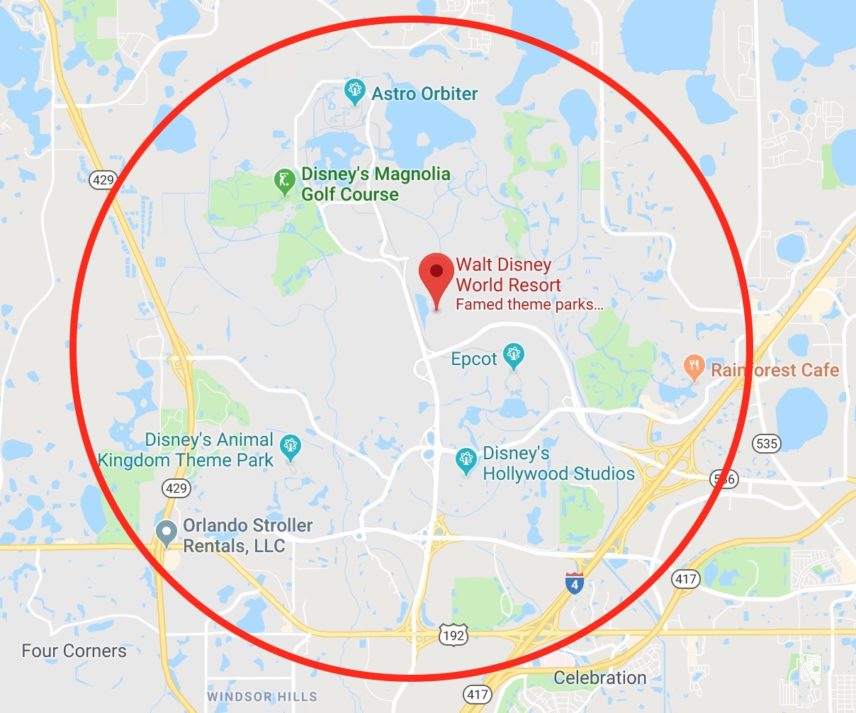
The Walt Disney World Resort in Orlando, Florida, is an unparalleled feat of urban planning and entertainment design. Its colossal size sets it apart from nearly any other single tourist destination on the planet. To put it simply, Walt Disney World Resort spans approximately 25,000 to 27,000 acres (or about 40 to 43 square miles). This figure, while sometimes cited slightly differently due to various land use categorizations and ongoing developments, consistently places it as one of the largest privately-owned landholdings dedicated to tourism in the world.
To help visualize this enormous expanse, consider some comparative benchmarks:
- It’s roughly the size of the entire city of San Francisco.
- It’s more than double the size of Manhattan Island in New York City.
- It’s almost 65 times larger than the original Disneyland Resort in California.
- Its vastness is equivalent to roughly 110 square kilometers.
This extraordinary acreage was not acquired by accident. Walt Disney and his team, learning from the challenges of congestion and external commercial exploitation around Disneyland Resort, secretly purchased thousands of acres of swamp and farmland in Central Florida in the 1960s. The clandestine nature of these transactions was crucial to prevent land speculation and allowed them to acquire such a massive tract at a reasonable price, ensuring that the entire “Florida Project” would have room to grow and be meticulously controlled from within. This foresight laid the foundation for the immersive, self-contained environment that guests experience today, free from the visual clutter often found just outside other major attractions.
Beyond the Parks: A City Unto Itself
While the theme parks are undoubtedly the main draw, they occupy only a fraction of Walt Disney World Resort’s total landmass. A significant portion of the acreage is dedicated to infrastructure, conservation, and future development. In fact, it’s often stated that less than half of the total land is currently developed or in active use for guest experiences. The rest serves a variety of crucial functions that support the entire resort, making it much more than just a collection of amusement parks.
The sheer logistical challenge of operating a complex this size is immense. It requires its own extensive road network, power plants, wastewater treatment facilities, emergency services, and even conservation areas. The Reedy Creek Improvement District, a special administrative district created by the Florida legislature at Disney’s behest, essentially allows Walt Disney World Resort to govern itself, acting as its own county government. This unique arrangement grants the company significant autonomy in planning, zoning, and public services, which is essential for managing such a colossal operation. This self-governance ensures a consistent, high-quality guest experience across all aspects of the resort.
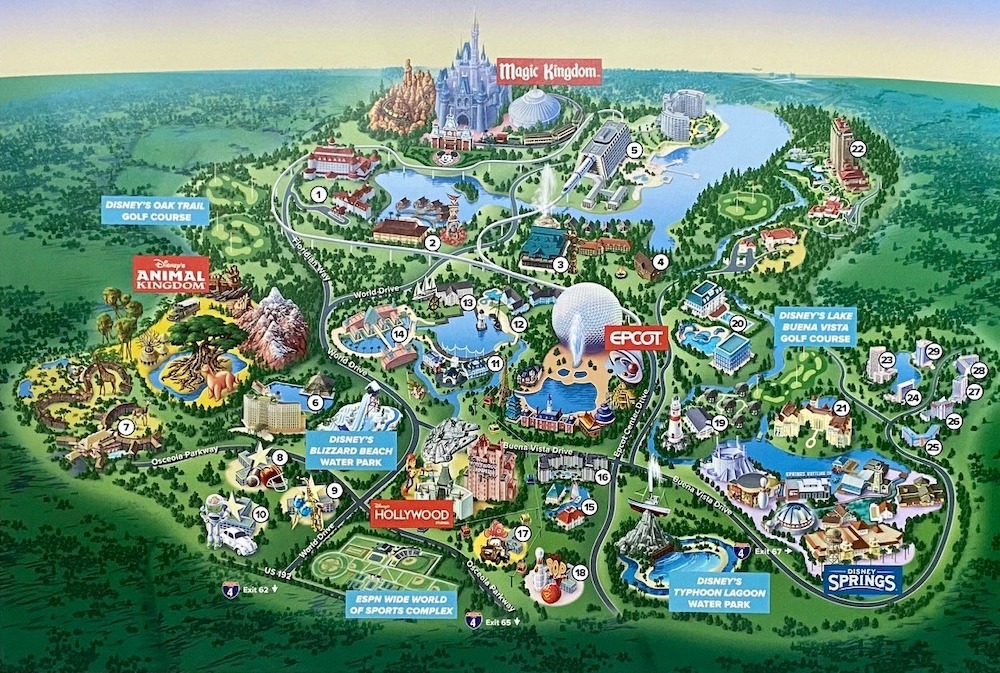
Furthermore, the undeveloped land isn’t just barren; it includes vital natural habitats and conservation efforts. Disney has dedicated thousands of acres to wetlands and wildlife preserves, demonstrating a commitment to environmental stewardship alongside entertainment. This balance contributes to the resort’s immersive feel, where lush landscapes and natural beauty are often just a short distance from the bustling parks. These areas are crucial for maintaining local ecosystems and offer a quiet counterpoint to the vibrant energy of the themed lands.
A Kingdom of Endless Exploration: What Fills Those Acres?
Within its immense boundaries, Walt Disney World Resort offers an astounding array of attractions, accommodations, and recreational activities. Each component contributes to the holistic vacation experience, catering to diverse tastes and preferences, aligning perfectly with the website’s focus on destinations, hotels, and tourism.
The Iconic Theme Parks
The heart of Walt Disney World Resort lies in its four distinct theme parks, each a world unto itself and a major landmark of the tourism industry. While impressive in scale, they represent only a fraction of the total acreage.
- Magic Kingdom: The original park, home to Cinderella Castle and classic Disney enchantment. It’s often the first image that comes to mind when one thinks of Walt Disney World Resort.
- Epcot: A celebration of human achievement and international culture, featuring Future World and the World Showcase. Its vast World Showcase Lagoon is a significant feature, and walking around its pavilions is a global journey.
- Disney’s Hollywood Studios: Dedicated to the magic of movies, television, and music, with immersive lands like Star Wars: Galaxy’s Edge and Toy Story Land.
- Disney’s Animal Kingdom Theme Park: The largest of the four parks, focusing on natural environment and animal conservation, featuring the magnificent Tree of Life and the fantastical world of Pandora – The World of Avatar. Its expansive safaris genuinely utilize a large land area to create an authentic feel.
Water Parks and Entertainment Districts
Beyond the main gates, the resort expands its offerings with refreshing aquatic adventures and vibrant nightlife.
- Disney’s Typhoon Lagoon Water Park: Themed as a tropical paradise ravaged by a typhoon, offering thrilling slides and a massive surf pool.
- Disney’s Blizzard Beach Water Park: Uniquely themed as a melted ski resort, complete with a snow-capped peak and exhilarating water slides.
- Disney Springs: A dynamic outdoor shopping, dining, and entertainment district, providing a lively atmosphere for guests of all ages, day and night. It’s a destination in itself, requiring significant space for its various zones, restaurants, and performance venues.
- ESPN Wide World of Sports Complex: A massive multi-sport facility hosting professional and amateur sporting events, further illustrating the diverse functionality of the resort’s land.
World-Class Accommodation: A Resort for Every Dream
Walt Disney World Resort is home to more than 30 resort hotels, ranging from budget-friendly value options to luxurious deluxe villas, catering to every travel style and budget. These hotels, along with their extensive grounds, pools, dining options, and recreational facilities, consume a substantial portion of the resort’s acreage. Each resort is meticulously themed, offering an immersive experience that extends beyond the parks, contributing to the overall accommodation and lifestyle aspects of the website.
- Value Resorts: Such as the Disney’s All-Star Resorts and Disney’s Pop Century Resort, offering colorful, larger-than-life theming.
- Moderate Resorts: Including Disney’s Caribbean Beach Resort and Disney’s Port Orleans Resort, providing more amenities and elaborate theming.
- Deluxe Resorts: Like Disney’s Grand Floridian Resort & Spa, Disney’s Polynesian Village Resort, and Disney’s Contemporary Resort, offering premium services, fine dining, and prime locations near the parks or on scenic waterways like Bay Lake and Seven Seas Lagoon.
- Disney Vacation Club Villas: Often integrated with deluxe resorts, offering villa-style accommodations for members and cash guests.
The cumulative area occupied by these hotels, their vast parking lots, intricate landscaping, and guest amenities truly highlights how much of the “world” is dedicated to guest lodging and relaxation. Some resorts, like Disney’s Animal Kingdom Lodge, even feature expansive savannas on their grounds where real African wildlife roam, requiring considerable space.
More Than Just Rides: Recreation and Conservation
Beyond the theme parks and resorts, Walt Disney World Resort dedicates significant acreage to diverse recreational opportunities and, as mentioned, environmental conservation.
- Golf Courses: The resort boasts several championship golf courses, including Arnold Palmer’s Plank Course and the Lake Buena Vista Golf Course. These meticulously maintained green spaces contribute substantially to the resort’s footprint. There are also two miniature golf courses: Disney’s Fantasia Gardens Miniature Golf and Disney’s Winter Summerland Miniature Golf.
- Lakes and Waterways: Natural and man-made lakes, such as Bay Lake and Seven Seas Lagoon, are integral to the resort’s aesthetic and transportation network. These bodies of water, along with their surrounding shores, account for thousands of acres.
- Nature Trails and Marinas: Many resorts offer walking and jogging paths, and several marinas provide opportunities for boating, fishing, and watersports, allowing guests to explore the natural beauty of Florida.
This commitment to diverse activities underscores the “lifestyle” aspect of the website, demonstrating how Walt Disney World Resort caters to more than just thrill-seekers, offering relaxation and outdoor pursuits for those seeking a different kind of magic.
Planning Your Expedition: Navigating the Magic
Given the enormous scale of Walt Disney World Resort, effective planning is not merely advisable but essential for a truly enjoyable and stress-free vacation. The sheer distance between attractions and accommodations means that understanding the resort’s layout and transportation options is critical, touching on the “guides” and “tips” aspects of the website’s tourism focus.
Transportation: Getting Around a World
One of the marvels of Walt Disney World Resort is its comprehensive and complimentary Disney Transportation System, designed to connect guests seamlessly across its vast expanse. Without an efficient way to move people, the resort’s size would be a hindrance rather than a benefit.
- Buses: The most widespread form of transport, connecting every resort hotel to every theme park, water park, and Disney Springs.
- Monorail: An iconic symbol of Walt Disney World Resort, serving Magic Kingdom, Epcot, Disney’s Contemporary Resort, Disney’s Polynesian Village Resort, and Disney’s Grand Floridian Resort & Spa. Its elevated track provides scenic views and rapid transit.
- Disney Skyliner: A modern gondola system linking Epcot and Disney’s Hollywood Studios with several moderate and value resorts, offering a unique aerial perspective of the resort.
- Water Taxis/Ferries: Friendship Boats connect Epcot and Disney’s Hollywood Studios with nearby deluxe resorts, while ferryboats cross Seven Seas Lagoon to Magic Kingdom.
Navigating this extensive network requires awareness, and guests often choose hotels based on their preferred mode of transportation or proximity to their favorite park. For example, staying at a monorail resort offers unparalleled convenience for Magic Kingdom access, while a Skyliner resort is ideal for easy travel to Epcot and Hollywood Studios.
Making the Most of Your Stay
The vastness of Walt Disney World Resort means that trying to “do it all” in a single trip is often unrealistic, especially for first-time visitors. Effective planning involves prioritizing experiences, utilizing Disney’s digital tools, and building in time for rest.
- Pre-Arrival Planning: Booking dining reservations and making park pass selections well in advance is crucial, particularly for popular attractions and restaurants.
- Flexible Itineraries: While a plan is good, remaining flexible to account for crowds, weather, or simply wanting to linger longer in a particular area enhances the experience.
- Midday Breaks: Returning to your resort for a swim or nap can be a lifesaver, especially with young children, helping to recharge for evening activities.
- Focus on a Theme: Some guests choose to focus on one or two parks per trip, or theme their vacation around specific interests like culinary experiences at Epcot or thrilling rides at Hollywood Studios.
Understanding the acreage helps set realistic expectations for how much ground can be covered daily. It reinforces the idea that Walt Disney World Resort is designed for multi-day, immersive vacations, encouraging guests to explore different facets of the resort over time.
The Enduring Legacy of Disney’s Vision
The monumental size of Walt Disney World Resort is not just a statistic; it’s a testament to the audacious vision of Walt Disney and his brother, Roy O. Disney. Their goal was to create an “Experimental Prototype Community of Tomorrow” (EPCOT) – a planned community that would showcase innovation in urban living and technology. While the original EPCOT vision evolved into the Epcot theme park, the spirit of that grand design lives on in the overall master planning and self-sufficiency of the entire resort. The vast acreage was essential for this ambition, allowing for careful zoning, integrated infrastructure, and the creation of truly immersive environments without external interference.
This massive landholding provides not only space for current attractions but also for continuous expansion and evolution. Walt Disney World Resort is a dynamic entity, constantly introducing new rides, shows, dining experiences, and even entire lands. The acreage ensures that there’s always room for the next big idea from Walt Disney Imagineering, ensuring that the resort remains a cutting-edge destination that continues to draw visitors from across the globe.
In conclusion, the question “How many acres is Walt Disney World Resort?” reveals far more than just a number. It underscores the unparalleled ambition, meticulous planning, and continuous innovation that define this iconic destination. Its 25,000 to 27,000 acres are not merely empty land but a carefully curated canvas where imagination flourishes, creating a complete world for travelers seeking unforgettable experiences, world-class accommodations, and a lifestyle infused with magic. Whether you’re a first-time visitor or a seasoned park-goer, understanding the true scale of Walt Disney World Resort deepens appreciation for this truly unique “Vacation Kingdom of the World.”