
Florida, the Sunshine State, beckons travelers with its diverse attractions, from pristine beaches and vibrant theme parks to rich historical sites and bustling cities. Whether you’re planning a luxurious escape, a family adventure, or a business trip, understanding Florida’s extensive airport infrastructure is key to a smooth and efficient travel experience. But just how many airports contribute to this seamless connectivity across the state? The answer is a robust network, far more extensive than one might initially imagine, serving a multitude of purposes and passenger needs.
Florida boasts an impressive number of aviation facilities, ranging from major international hubs to smaller regional airports and specialized airfields. This comprehensive system ensures that virtually any corner of the state is accessible by air, facilitating both domestic and international tourism, as well as vital cargo and private aviation operations. This extensive network is a testament to Florida’s status as a premier travel destination and a significant economic engine for the United States.
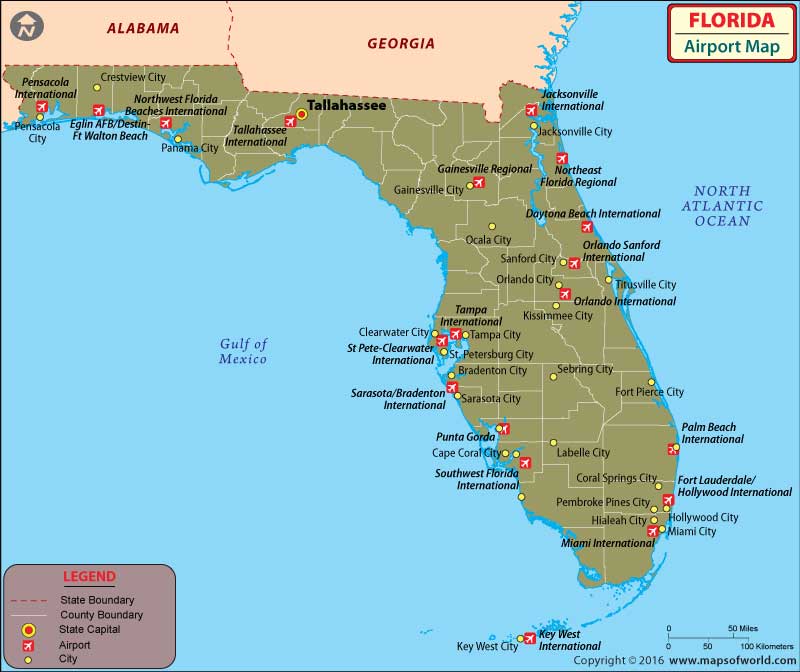
Navigating Florida’s Aviation Landscape
Florida’s airports can be broadly categorized based on their size, capacity, and primary function. These categories help in understanding the nuances of air travel within the state and how each type of airport contributes to the overall travel ecosystem. From the colossal international gateways that welcome millions of global visitors each year to the smaller, more intimate airfields that cater to general aviation and niche travel, each plays a crucial role.
Major International Gateways
At the forefront of Florida’s aviation scene are its major international airports. These facilities are the primary entry and exit points for a significant portion of visitors, handling millions of passengers annually. They are equipped with state-of-the-art infrastructure, offering a wide array of services, including numerous airlines, extensive flight options, and comprehensive passenger amenities. These airports are not just points of transit; they are vibrant hubs that connect Florida to the rest of the world, driving tourism and commerce.
- Miami International Airport (MIA): As one of the busiest airports in the United States, Miami International Airport serves as a critical gateway to Latin America and the Caribbean, as well as a major international hub for passenger and cargo traffic. Its strategic location and vast network of airlines make it a pivotal point for travelers visiting South Florida’s iconic destinations like South Beach or exploring the vibrant culture of Miami. The airport itself offers a multitude of dining options, shops, and lounges, ensuring a comfortable transit experience.
- Orlando International Airport (MCO): The gateway to the magic of central Florida, Orlando International Airport is essential for millions of visitors heading to world-renowned theme parks such as Walt Disney World Resort and Universal Orlando Resort. Its expansive terminals and efficient operations are designed to handle the immense flow of family travelers and vacationers. Beyond theme parks, it also serves as a convenient access point to the diverse attractions and resorts scattered throughout the region.
- Fort Lauderdale-Hollywood International Airport (FLL): Serving the bustling Fort Lauderdale area and a crucial access point for cruise passengers embarking from the nearby Port Everglades, Fort Lauderdale-Hollywood International Airport is another significant international player. It offers a wide range of domestic and international flights, connecting travelers to various destinations and providing easy access to the beaches and vibrant nightlife of the Gold Coast.
- Tampa International Airport (TPA): Located on the west coast of Florida, Tampa International Airport is a major hub for travelers visiting the Tampa Bay area, including the vibrant city of Tampa and the family-friendly attractions of St. Pete Beach. Its innovative design and focus on passenger experience have earned it numerous accolades, making travel through TPA a pleasant affair.
- Southwest Florida International Airport (RSW): Serving the rapidly growing Southwest Florida region, including Fort Myers and the popular destinations of Naples and the Everglades, Southwest Florida International Airport is a crucial gateway for both leisure and business travelers seeking to experience the Gulf Coast’s natural beauty and upscale resorts.
Regional Airports: Connecting Communities and Beyond
Beyond the major international gateways, Florida is dotted with numerous regional airports. These facilities play a vital role in connecting smaller cities and towns to the national air travel network, as well as providing essential services for business aviation and general aviation. They often offer a more relaxed and convenient travel experience compared to their larger counterparts, with shorter lines and easier navigation.
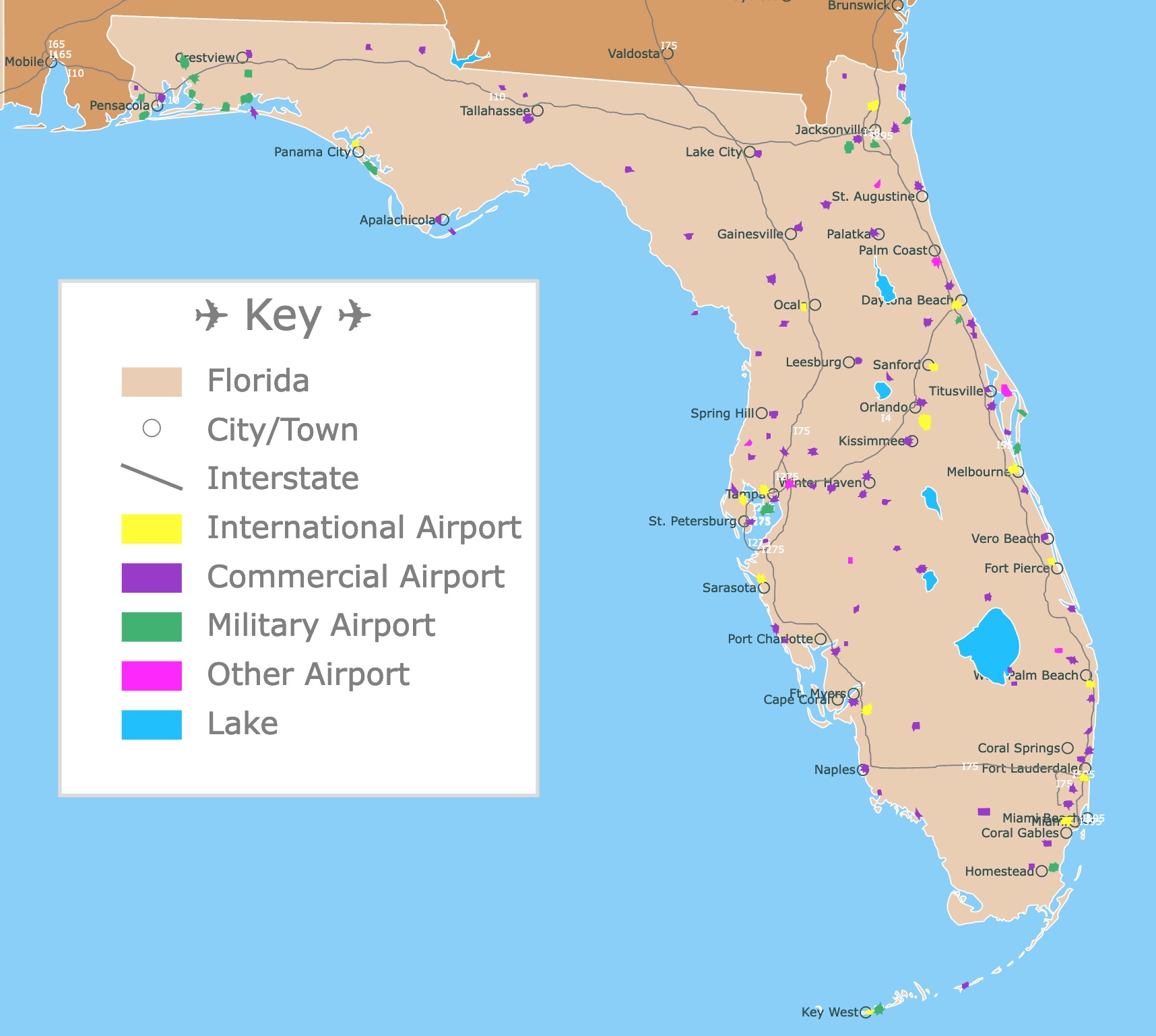
- Jacksonville International Airport (JAX): As the largest city in Florida by land area, Jacksonville is served by Jacksonville International Airport, which acts as a key hub for Northeast Florida. It connects travelers to various domestic destinations and is an important point for those visiting the historic St. Augustine or the beaches of the Atlantic coast.
- Palm Beach International Airport (PBI): Catering to the affluent communities of the Palm Beaches, Palm Beach International Airport serves as a convenient access point to luxury resorts, golf courses, and cultural attractions in areas like West Palm Beach. It handles a significant volume of both domestic and international flights.
- Pensacola International Airport (PNS): Located in the Florida Panhandle, Pensacola International Airport is a vital airport for the northwestern part of the state, serving both military personnel and the growing tourism sector focused on the region’s white-sand beaches.
- Daytona Beach International Airport (DAB): Famous for its motorsports, Daytona Beach International Airport offers access to the beaches and attractions of the “World’s Most Famous Beach” and serves as a convenient entry point for events at the Daytona International Speedway.
- Tallahassee International Airport (TLH): Serving Florida’s capital city, Tallahassee International Airport is important for business travelers, state government officials, and those visiting the unique natural beauty of the surrounding areas.
These regional airports, along with many others like Panama City Beach International Airport (though often referred to by its code, ECP, and serving the broader Panama City area), Melbourne Orlando International Airport (MLB), and Sarasota-Bradenton International Airport (SRQ), collectively form a crucial network that supports Florida’s thriving tourism and economy. They often provide a more personal touch to air travel, making them attractive options for those seeking to avoid the hustle and bustle of larger hubs.
General Aviation Airports and Specialized Facilities
Beyond the commercial airports, Florida is home to a vast number of general aviation airports. These facilities cater to private pilots, flight training, charter services, and other non-commercial aviation activities. They are essential for the recreational flying community, business executives using private jets, and for emergency services.
- Airports for Private Pilots and Enthusiasts: Florida has hundreds of smaller airports, often referred to as general aviation airports. These range from well-equipped municipal fields with paved runways and instrument approaches to simpler grass strips. Examples include Albert Whitted Airport in St. Petersburg, Skypark Airport near Winter Haven, and countless others scattered across the state, serving smaller communities and offering a haven for aviation enthusiasts.
- Specialized Airfields: Florida also hosts specialized airfields, such as those associated with air force bases like Tyndall Air Force Base or naval installations. While primarily for military operations, they can sometimes facilitate joint civil-military use or offer unique opportunities for aviation enthusiasts interested in military aviation. Furthermore, airports dedicated to specific industries, like agriculture or flight testing, also contribute to the overall aviation landscape.
The Total Count: A Dynamic Number
Pinpointing an exact, static number of airports in Florida is challenging due to the dynamic nature of aviation infrastructure. The Federal Aviation Administration (FAA) categorizes airports, and the definition of “airport” can vary. However, according to FAA data and industry surveys, Florida typically hosts over 400 public-use airports. This figure includes a mix of:
- Commercial Service Airports: Those that are served by scheduled commercial airlines, numbering around 30-40 depending on classification.
- General Aviation Airports: The vast majority, serving private pilots, recreational flying, and other non-commercial aviation needs. This category can encompass over 300 facilities.
- Military Airports: Facilities operated by the U.S. armed forces.
- Private Airfields: Airports not open to public use, often on private property or for specific company use.
The exact count can fluctuate as new facilities are established, existing ones are expanded or consolidated, or their operational status changes. Regardless of the precise figure, what is undeniable is the sheer scale and importance of Florida’s airport network. This vast infrastructure is not just a collection of runways and terminals; it’s the circulatory system that keeps Florida’s tourism, economy, and lifestyle connected, enabling easy access to everything from world-class resorts like The Breakers Palm Beach to the natural wonders of the Florida Keys.
This comprehensive network ensures that whether you are flying in for a luxurious beach vacation at a resort in Key West, exploring the historical charm of Savannah, Georgia (a common side trip for those in Northern Florida), or enjoying a family trip filled with theme park adventures, there is an airport conveniently located to serve your travel needs. The ongoing development and expansion of these facilities underscore Florida’s commitment to remaining a leading destination and a vital hub for air travel.
LifeOutOfTheBox is a participant in the Amazon Services LLC Associates Program, an affiliate advertising program designed to provide a means for sites to earn advertising fees by advertising and linking to Amazon.com. Amazon, the Amazon logo, AmazonSupply, and the AmazonSupply logo are trademarks of Amazon.com, Inc. or its affiliates. As an Amazon Associate we earn affiliate commissions from qualifying purchases.