
Orlando, Florida, often hailed as the “Theme Park Capital of the World,” is a magnet for millions of visitors annually, drawing families, business travelers, and adventurers from every corner of the globe. This vibrant city, celebrated for its world-class attractions like Walt Disney World Resort and Universal Orlando Resort, relies heavily on a robust air travel infrastructure to support its thriving tourism and business sectors. When planning a trip to this dynamic destination, a common question arises: “How many airports are in Orlando?”
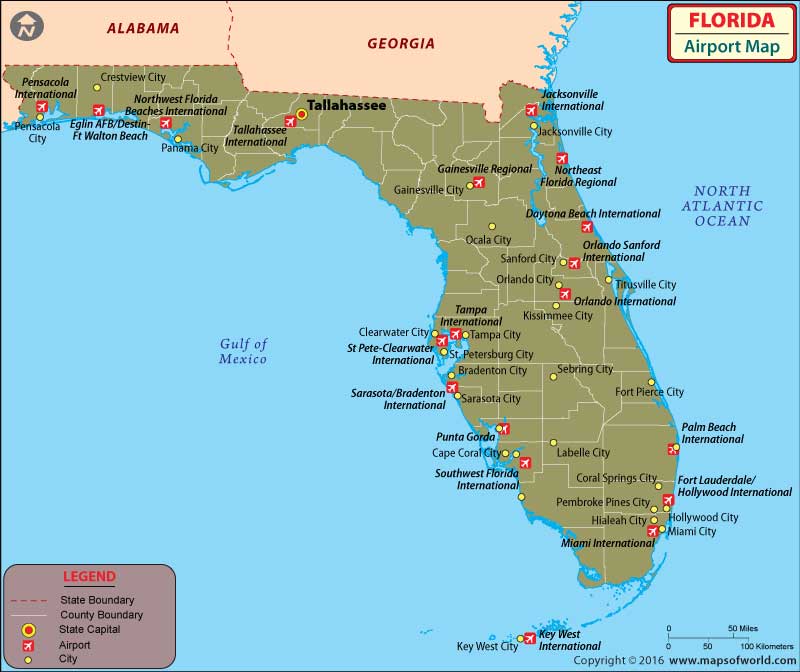
The simple answer is that while Orlando and its surrounding metropolitan area are served by several airfields, two major commercial airports stand out as the primary gateways for travelers: Orlando International Airport (MCO) and Orlando Sanford International Airport (SFB). Beyond these commercial hubs, the region also hosts several smaller executive and general aviation airports that play crucial roles in private travel, corporate logistics, and flight training. Understanding the distinct characteristics of each airport is key to making informed travel decisions, from choosing flights to arranging ground transportation and selecting the most convenient accommodation. This comprehensive guide will delve into each airport, detailing their unique offerings, target demographics, and how they contribute to Orlando’s reputation as a premier global destination.
The Main Gateways: Orlando International Airport (MCO)
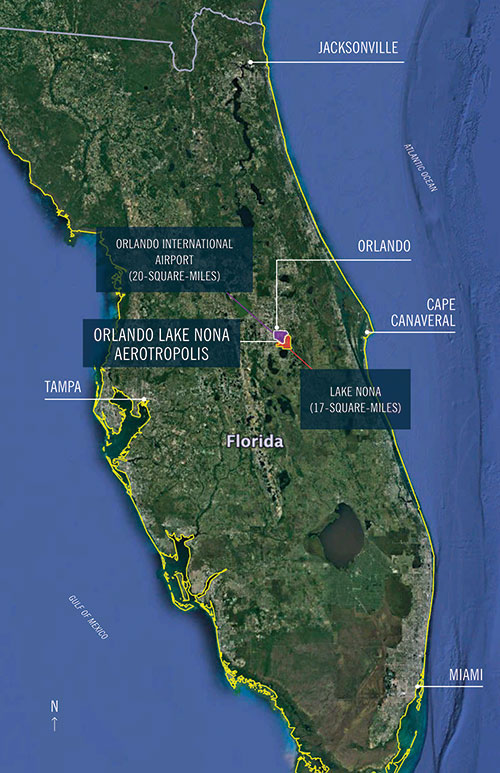
Without a doubt, Orlando International Airport, universally known by its IATA code MCO, is the primary air travel hub for Central Florida. It consistently ranks among the busiest airports in the United States and the world by passenger traffic, a testament to Orlando’s immense popularity. Situated just six miles southeast of Downtown Orlando, MCO is a sprawling facility designed to handle the colossal influx of both leisure and business travelers. Its strategic location offers relatively easy access to the city’s major theme parks, the Orange County Convention Center, and a vast array of hotels and resorts.
A Global Hub for Tourism and Business
MCO serves as a vital artery for Orlando’s economy, connecting the city to hundreds of domestic and international destinations. The airport hosts nearly every major airline, including significant operations from Delta Air Lines, Southwest Airlines, American Airlines, United Airlines, Spirit Airlines, and Frontier Airlines, among many others. This extensive network ensures that travelers have a wide selection of routes, frequencies, and price points, catering to diverse budgets and travel preferences. From direct flights across the United States to long-haul journeys from Europe, South America, and beyond, MCO truly functions as a global gateway.
The airport’s infrastructure is impressive, featuring multiple terminals that are constantly being modernized and expanded to accommodate growing passenger numbers. The primary terminal complex is divided into Terminal A and Terminal B, which share a common airside area and ground transportation hub. These terminals offer a vast array of passenger amenities, including numerous dining options ranging from quick bites to sit-down restaurants, an extensive selection of retail stores, duty-free shops, lounges, and art exhibits. In recent years, MCO unveiled Terminal C, a state-of-the-art facility designed for future growth, enhancing passenger experience with innovative technology, more natural light, and a streamlined layout. This expansion underscores MCO’s commitment to maintaining its status as a top-tier international airport.
Beyond its role in leisure travel, MCO is also a critical hub for business tourism, given Orlando’s prominence in conventions and conferences. Its proximity to the Orange County Convention Center and the burgeoning medical and technology industries in areas like Lake Nona makes it an indispensable asset for corporate visitors. The airport also boasts robust cargo operations, supporting the region’s economic output and trade.
Navigating MCO: Tips for Travelers
Navigating an airport as large and busy as MCO can seem daunting, but with a little preparation, the experience can be smooth. Ground transportation options from MCO are extensive. Travelers can choose from traditional taxis, popular rideshare services like Uber and Lyft, and various shuttle services such as Mears Connect, which offers shared-ride and express services to area hotels and theme parks. Car rental agencies are conveniently located on the ground floor of the terminal, providing direct access for those who prefer the flexibility of their own vehicle. For those looking to connect to South Florida, the new Brightline high-speed rail station at MCO offers a fast and comfortable alternative.
For passengers with early morning flights or late arrivals, or simply those seeking maximum convenience, staying at an airport hotel is an excellent option. The Hyatt Regency Orlando International Airport is uniquely situated directly within the main terminal, allowing guests to walk directly to check-in or baggage claim. Numerous other hotels are located just minutes away from MCO, offering complimentary shuttle services.
Parking at MCO includes options for short-term, long-term, and economy parking, with shuttle services connecting economy lots to the terminals. It’s always advisable to check real-time parking availability and rates on the airport’s official website, especially during peak travel seasons like holidays or school breaks. Security wait times can also vary significantly, so arriving well in advance of your flight, particularly for international departures, is a prudent strategy. Using services like TSA PreCheck or Clear can significantly expedite the security process.
The Alternative Route: Orlando Sanford International Airport (SFB)
While MCO handles the lion’s share of Orlando’s air traffic, Orlando Sanford International Airport (SFB) offers a distinct alternative, particularly appealing to a specific segment of travelers. Located approximately 30 miles northeast of Downtown Orlando, in the city of Sanford, SFB provides a smaller, often less crowded, and potentially more budget-friendly entry point to Central Florida.
Serving Leisure and Budget Travelers
SFB primarily caters to leisure travelers, charter operations, and passengers seeking more economical flight options. Its most prominent airline partner is Allegiant Air, a low-cost carrier that operates direct flights to numerous smaller and mid-sized cities across the United States. This focus on budget travel often translates to lower airfares, which can be a significant advantage for families or individuals looking to maximize their travel budget. Additionally, SFB has historically served a robust market of international charter flights, particularly from the United Kingdom and other parts of Europe, though this has fluctuated over the years.
The experience at SFB is markedly different from MCO. With fewer gates and a more compact layout, passengers often find check-in, security, and baggage claim processes to be quicker and less stressful. The airport prides itself on its “hassle-free” environment, which can be a welcome change for travelers accustomed to the bustling crowds of larger international hubs. While the amenities might not be as extensive as at MCO, SFB still offers essential services including dining establishments, retail shops, rental car agencies, and ground transportation options.
Deciding Between MCO and SFB
The choice between flying into MCO or SFB often boils down to a few critical factors: flight cost, final destination within the Orlando area, and transportation logistics.
- Cost: Flights into SFB via Allegiant Air can often be significantly cheaper than those into MCO. However, it’s crucial to factor in the cost and time of ground transportation from SFB to your final destination, which can sometimes negate the savings on airfare, especially if you’re heading to the theme parks or International Drive.
- Location: If your itinerary includes destinations north of Orlando, such as the historic district of Sanford, the beaches of New Smyrna Beach or Daytona Beach, or the Kennedy Space Center on the Space Coast, SFB might actually be a more convenient option in terms of driving distance. However, for most theme park visitors staying in Kissimmee or near Universal Orlando Resort, MCO is considerably closer.
- Transportation: While SFB has rental car agencies and shuttle services, the options might be less diverse or frequent than at MCO. Travel time from SFB to the main theme parks can range from 45 minutes to over an hour, depending on traffic, whereas from MCO it’s typically 20-30 minutes. Therefore, it’s essential to research and pre-book ground transportation if flying into SFB.
For travelers prioritizing low flight costs and a less hectic airport experience, and who are willing to manage the additional travel time to reach central Orlando, SFB presents a viable and often advantageous alternative.
Beyond the Major Hubs: Executive and General Aviation
While MCO and SFB serve the vast majority of commercial passengers, Orlando and its surrounding areas are also home to several smaller airports dedicated to private, corporate, and general aviation. These facilities, though not typically used by the average tourist, are vital for the region’s broader aviation ecosystem and economy.
Orlando Executive Airport (ORL)
Located just east of Downtown Orlando, Orlando Executive Airport (ORL) is a prominent general aviation reliever airport. Its strategic location makes it incredibly convenient for business travelers utilizing private jets, corporate aviation, and smaller charter flights who need quick access to the city center and its financial districts. ORL boasts a range of services tailored to its clientele, including fuel services, aircraft maintenance, and private hangars. It also plays a significant role in flight training, with several flight schools operating out of the facility, contributing to the development of future pilots. For individuals attending events or meetings downtown, flying into ORL can save considerable time compared to arriving at the larger commercial airports.
Other Regional Airfields
The greater Orlando area is dotted with several other smaller airports and airfields, each serving a niche purpose within the aviation community:
- Kissimmee Gateway Airport (ISM): Located southwest of Orlando in Kissimmee, this airport primarily serves general aviation, corporate aircraft, and flight training. It’s particularly convenient for those visiting attractions in the Kissimmee area, including closer proximity to Walt Disney World Resort for private fliers.
- Apopka Airport (X09): A small, privately owned public-use airport located northwest of Orlando, serving primarily recreational pilots and flight training.
- Other smaller airstrips: Numerous other private and public-use airstrips exist throughout Central Florida for agricultural, recreational, and specialized aviation needs.
These smaller airports, while not part of the commercial travel itinerary for most visitors, are integral to the region’s overall aviation infrastructure, supporting everything from emergency services to aerial photography and private travel. They underscore the diverse and comprehensive nature of Orlando’s air transport capabilities.
Enhancing Your Orlando Travel Experience
Understanding the various airports serving Orlando is just one piece of the puzzle for a seamless trip. To truly enhance your travel experience, consider how your airport choice intertwines with other aspects of your planning, from where you stay to how you get around.
Strategic Accommodation Choices
Your airport of arrival can significantly influence your best accommodation options. If flying into MCO, you have a plethora of choices ranging from the on-site Hyatt Regency Orlando International Airport to numerous hotels clustered along Semoran Boulevard and Florida State Road 528. Many theme park resorts, such as those at Walt Disney World Resort or Universal Orlando Resort, offer dedicated shuttle services from MCO, simplifying your arrival. Upscale resorts like The Ritz-Carlton Orlando, Grande Lakes and JW Marriott Orlando, Grande Lakes, or large convention hotels such as Gaylord Palms Resort & Convention Center, are all within a relatively short drive from MCO.
Conversely, if you opt for SFB, consider hotels in the Sanford area or along the I-4 corridor if you’re venturing south. While it’s certainly feasible to stay near the theme parks after flying into SFB, be prepared for the longer transfer time. For visitors focusing on specific attractions like Universal Orlando Resort, staying at an on-site hotel like Aventura Hotel or Loews Portofino Bay Hotel would generally mean a quicker connection from MCO. Always check if your chosen accommodation offers airport shuttle services and from which airport.
Seamless Ground Transportation
Regardless of which airport you choose, planning your ground transportation in advance is crucial for a stress-free arrival.
- Rental Cars: Both MCO and SFB have major rental car companies on-site. Booking ahead, especially during peak seasons, is highly recommended to secure your preferred vehicle and potentially better rates.
- Shuttles and Ride-Shares: Services like Mears Connect and various other private shuttle companies offer direct transfers from MCO to most major resorts and hotels. Uber and Lyft are readily available at both airports.
- Public Transport: While Orlando has a public bus system (LYNX), it’s not the most direct or convenient option for tourists traveling with luggage to the theme parks from either airport.
- Brightline: For those combining an Orlando trip with visits to Miami or Fort Lauderdale in South Florida, the Brightline high-speed rail from MCO provides a convenient and comfortable intercity option.
Planning for Peak Seasons
Orlando’s popularity means that airports, attractions, and accommodation can become incredibly busy during peak seasons, such as school holidays, spring break, summer, and the festive period around Christmas and New Year’s. During these times, it’s even more critical to:
- Book Flights and Hotels Early: Secure the best rates and availability.
- Allow Extra Time: For everything from airport check-in and security to navigating traffic on the roads.
- Consider Off-Peak Travel: If your schedule allows, traveling during shoulder seasons can offer a more relaxed experience with potentially lower costs.
In conclusion, Orlando is effectively served by two primary commercial airports – Orlando International Airport (MCO) as the dominant international gateway, and Orlando Sanford International Airport (SFB) as a niche alternative for leisure and budget travelers – alongside several general aviation fields. Each airport plays a vital role in connecting millions to this world-renowned destination. By understanding their differences and planning strategically, travelers can ensure their journey to and from Orlando is as magical as the destination itself. The extensive network of air travel facilities is a key factor in Orlando’s enduring appeal and its continuous growth as a global travel powerhouse, supported by robust infrastructure and the dedicated efforts of organizations like the Orlando Economic Partnership which consistently works towards enhancing the region’s accessibility and appeal.
LifeOutOfTheBox is a participant in the Amazon Services LLC Associates Program, an affiliate advertising program designed to provide a means for sites to earn advertising fees by advertising and linking to Amazon.com. Amazon, the Amazon logo, AmazonSupply, and the AmazonSupply logo are trademarks of Amazon.com, Inc. or its affiliates. As an Amazon Associate we earn affiliate commissions from qualifying purchases.