
Navigating the beautiful island of Puerto Rico is an exciting prospect for any traveler. Whether you’re planning a short getaway or an extended stay, understanding the island’s transportation infrastructure is key. For many, the first point of entry and last point of departure is one of its many airports. So, the question arises: “How many airports are there in Puerto Rico?” This isn’t a simple “one size fits all” answer, as the island boasts a network of aviation facilities catering to a variety of needs, from international travel to local commuter flights and private aviation. This article delves into the world of Puerto Rico‘s airports, exploring their roles, the types of travel they facilitate, and what you can expect when flying into this Caribbean gem.
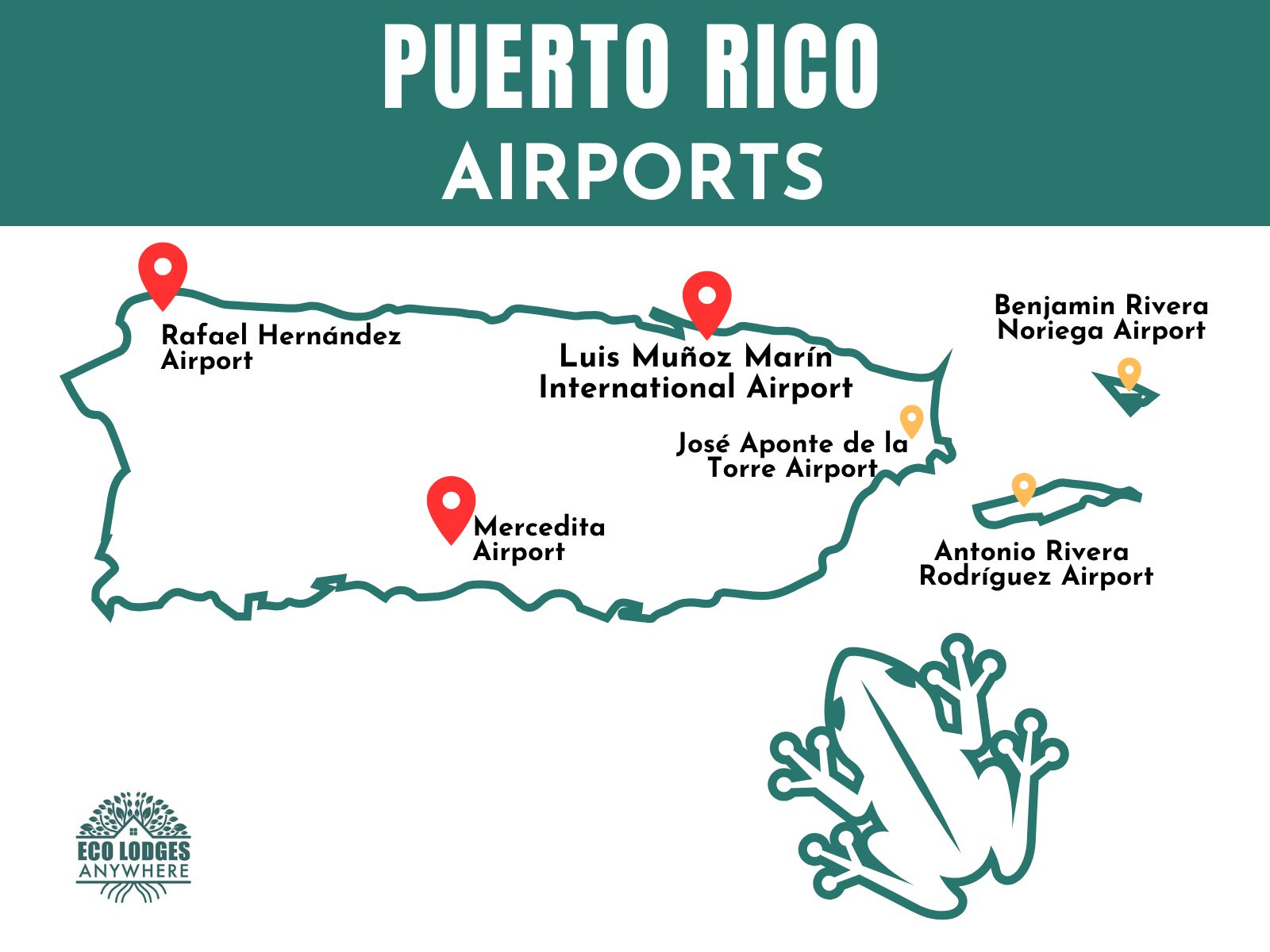
The Main Gateway: San Juan’s International Hub
When most people think of flying into Puerto Rico, their minds immediately go to the primary international gateway. This is, without a doubt, Luis Muñoz Marín International Airport (SJU), located in Carolina, just east of the capital city of San Juan. As the busiest airport in the Caribbean by passenger traffic, SJU handles the vast majority of commercial flights arriving from the mainland United States, as well as from international destinations.
Understanding Luis Muñoz Marín International Airport (SJU)
Luis Muñoz Marín International Airport is a sprawling facility that has undergone significant upgrades and expansions over the years to accommodate its high volume of passengers and flight operations. It comprises three terminals:
- Terminal A: Primarily serves JetBlue Airways, offering a convenient and modern experience for passengers flying with this popular carrier.
- Terminal B: Serves a mix of airlines, including American Airlines, Delta Air Lines, and Spirit Airlines, among others.
- Terminal C: This terminal is largely dedicated to airlines like United Airlines, Frontier Airlines, and Copa Airlines, facilitating connections to various cities across the United States and Latin America.
For travelers, SJU offers a comprehensive range of services, including car rental agencies, a variety of dining and retail options, and lounges for frequent flyers. Its strategic location makes it an ideal starting point for exploring the vibrant city of San Juan with its historic Old San Juan district, the bustling Condado area, and the beautiful beaches that dot the coastline. Beyond the immediate San Juan area, SJU serves as a crucial nexus for onward travel to other parts of the island, whether by rental car, taxi, or shuttle services arranged through your chosen hotel, such as the Fairmont El San Juan Hotel or the Caribe Hilton.
The efficiency and capacity of Luis Muñoz Marín International Airport are vital to Puerto Rico‘s tourism industry, directly impacting the influx of visitors who come to experience the island’s rich culture, stunning natural beauty, and diverse attractions. Its connectivity ensures that travelers from virtually anywhere can easily reach this tropical paradise.
Beyond the Main Hub: Regional Airports and Their Significance
While Luis Muñoz Marin International Airport is the primary international entry point, Puerto Rico is dotted with other airports, each serving distinct purposes and contributing to the island’s connectivity and accessibility. These regional airports play a crucial role in facilitating inter-island travel, serving smaller communities, supporting general aviation, and offering alternative entry points for those seeking to explore different regions of the island.
Rafael Hernández Airport (BQN) in Aguadilla
One of the most significant regional airports is Rafael Hernández Airport (BQN) in Aguadilla. Once a U.S. Navy base, it has been transformed into a vibrant civilian airport that has seen increasing passenger traffic, particularly from budget airlines and charter flights. Its location on the western coast of Puerto Rico makes it a convenient gateway for exploring the beautiful beaches and natural wonders of the western and northwestern parts of the island, such as Rincón, known for its world-class surfing.
Rafael Hernández Airport offers a more relaxed and often quicker alternative to SJU for travelers whose primary destination lies in the western or central mountainous regions of Puerto Rico. Several airlines operate from BQN, connecting passengers to cities like Orlando, Fort Lauderdale, and sometimes New York, making it a valuable option for many. The airport is equipped with essential services, including car rentals, allowing visitors to easily embark on their island adventures upon arrival.
Mercedita International Airport (PSE) in Ponce
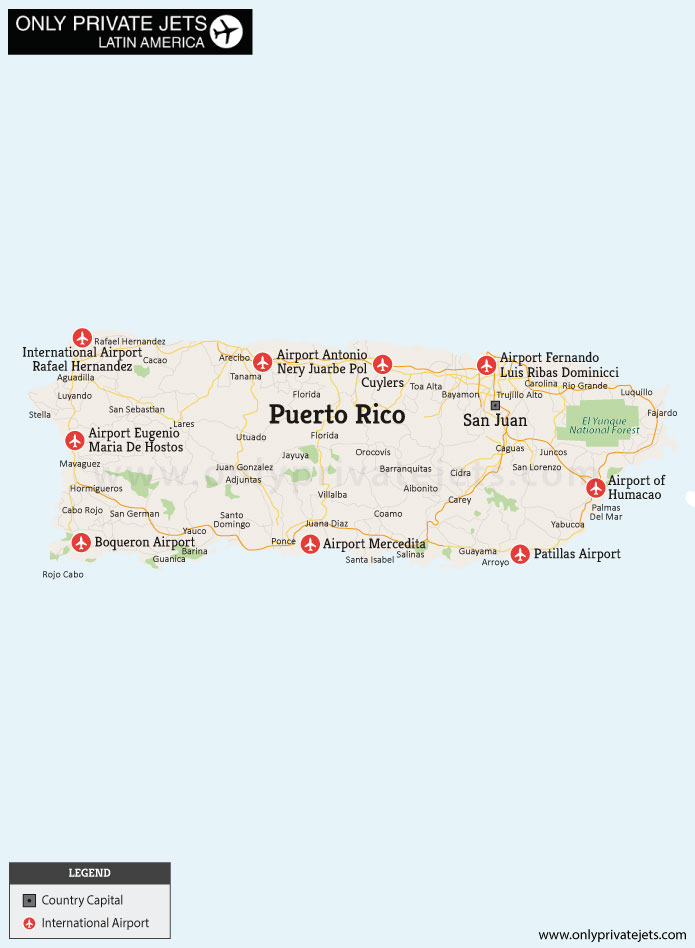
Located in the southern city of Ponce, Mercedita International Airport (PSE) serves as another important air hub for Puerto Rico. While its commercial operations are not as extensive as SJU, PSE handles a steady stream of domestic flights and is often utilized by charter services. Its presence is crucial for the southern region, providing an accessible air link for residents and visitors to Ponce and the surrounding areas.
Ponce itself is a city steeped in history and culture, boasting attractions like the iconic Parque de Bombas and a vibrant arts scene. Having an airport in the city facilitates tourism and business, allowing visitors to bypass the longer drive from San Juan and immerse themselves directly into the southern charm of Puerto Rico. For those interested in exploring the south, the beaches near Guánica, or the unique ecosystem of the Guánica Dry Forest, flying into PSE offers a significant advantage.
Other Airstrips and General Aviation Facilities
Beyond these two notable regional airports, Puerto Rico is home to numerous smaller airstrips and general aviation facilities. These range from municipally owned airfields to private landing strips. These smaller airports are vital for:
- General Aviation: Catering to private pilots, recreational flyers, and small aircraft owners.
- Medical Evacuation: Providing critical air ambulance services across the island and to the mainland.
- Cargo Operations: Supporting the movement of goods and supplies to various parts of the island.
- Tourism Charters: Facilitating unique aerial tours and private charters to more secluded destinations.
Examples of such facilities include Antonio Rivera Rodríguez Airport (VQS) in Vieques and Diego James Pasarell Airport (FAJ) in Culebra, two popular offshore islands that are accessible by air, offering a quicker alternative to the ferry service for reaching these idyllic locales. Flying into these smaller island airports provides an immediate sense of escape and allows travelers to seamlessly transition into the relaxed pace of island life. For those seeking a truly tranquil escape, staying at a boutique hotel in Vieques like the Hix Island House or a charming guesthouse in Culebra becomes much more accessible.
Choosing Your Airport: Factors to Consider for Your Puerto Rico Trip
When planning your journey to Puerto Rico, the choice of airport can significantly impact your travel experience and the logistics of your trip. Several factors should guide your decision, from your final destination on the island to your budget and preferred travel style.
Proximity to Your Destination
The most straightforward consideration is the proximity of the airport to your intended accommodation and primary points of interest.
- If your focus is on experiencing the historic charm of Old San Juan, the lively atmosphere of Condado, or the resorts along the northern coast, Luis Muñoz Marín International Airport (SJU) is almost certainly your best bet. It offers the widest array of flight options and is a mere short drive from these popular tourist zones.
- For those drawn to the surfing beaches and rugged beauty of the west coast, like Rincón, or planning to explore the Camuy Cave Park or the Arecibo Observatory, Rafael Hernández Airport (BQN) in Aguadilla can save you considerable travel time.
- If your itinerary centers around the rich history and cultural offerings of Ponce or the natural beauty of the southern coast, Mercedita International Airport (PSE) provides a convenient entry point.
- For an island escape to Vieques or Culebra, flying directly into their respective small airports (VQS or FAJ) is the most efficient way to reach these pristine destinations, especially if you want to maximize your time enjoying their secluded beaches and unique ecosystems.
Flight Availability and Cost
The availability and cost of flights are often primary determinants. Luis Muñoz Marín International Airport (SJU) generally offers the most extensive network of direct flights from major cities across the United States and internationally, often leading to competitive pricing. However, budget airlines and charter services sometimes offer attractive deals into Rafael Hernández Airport (BQN) or even Mercedita International Airport (PSE), which can make these alternative airports a more cost-effective option depending on your departure city. It’s always advisable to compare flight prices and schedules for all viable airport options when booking your travel.
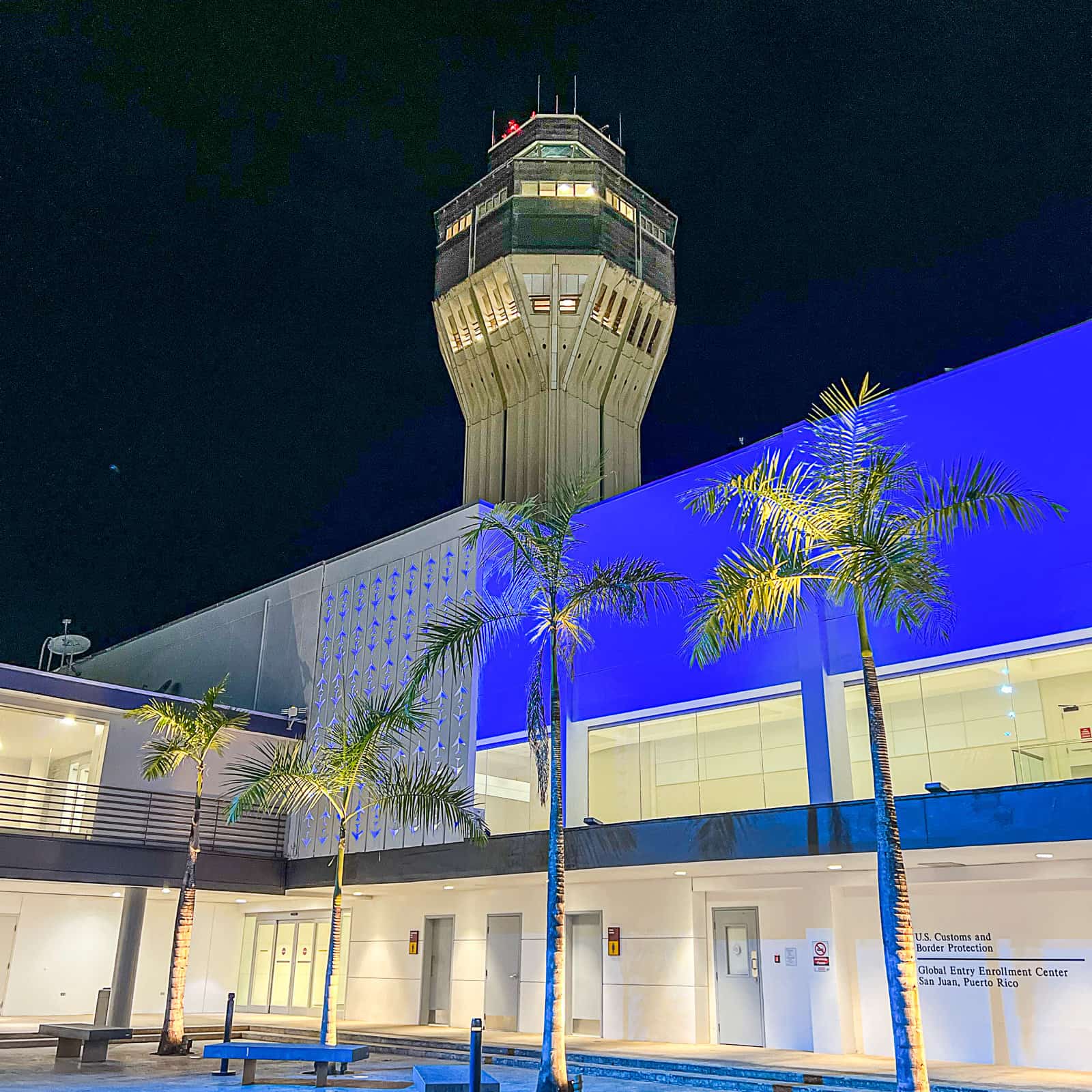
Travel Style and Preferences
Your preferred travel style also plays a role. If you value convenience and a wide range of amenities, the larger international airports like SJU will offer more options for car rentals, diverse dining, and retail experiences. If you prefer a more low-key arrival and are heading directly to a specific region, a smaller airport might provide a more immediate sense of arrival and bypass the hustle and bustle of a major international hub. For those seeking an authentic local experience, arriving at a smaller regional airport can offer a glimpse into the daily life of Puerto Rico‘s diverse communities.
In conclusion, while the exact number of airports in Puerto Rico can be debated depending on how you define “airport,” the island is well-served by a network of aviation facilities. From the bustling international hub of Luis Muñoz Marín International Airport (SJU) to the vital regional airports of Rafael Hernández (BQN) and Mercedita (PSE), and the charming airstrips serving the offshore islands, each plays a crucial role in connecting Puerto Rico to the world and facilitating travel within this enchanting U.S. territory. Understanding these options empowers you to make informed decisions for a smoother and more enjoyable travel experience on the Island of Enchantment.
LifeOutOfTheBox is a participant in the Amazon Services LLC Associates Program, an affiliate advertising program designed to provide a means for sites to earn advertising fees by advertising and linking to Amazon.com. Amazon, the Amazon logo, AmazonSupply, and the AmazonSupply logo are trademarks of Amazon.com, Inc. or its affiliates. As an Amazon Associate we earn affiliate commissions from qualifying purchases.