
Louisiana, often affectionately known as the Bayou State, conjures vivid images of cypress-lined swamps, mysterious waterways, and, of course, the legendary American alligator. For many, the allure of Louisiana lies in its untamed natural beauty and the unique wildlife that thrives within its diverse ecosystems. A question that frequently surfaces among curious travelers and nature enthusiasts is: “Just how many alligators are there in Louisiana?” The answer, while not a precise headcount, points to a remarkable conservation success story and an astounding population that underscores the state’s profound connection to these ancient reptiles.
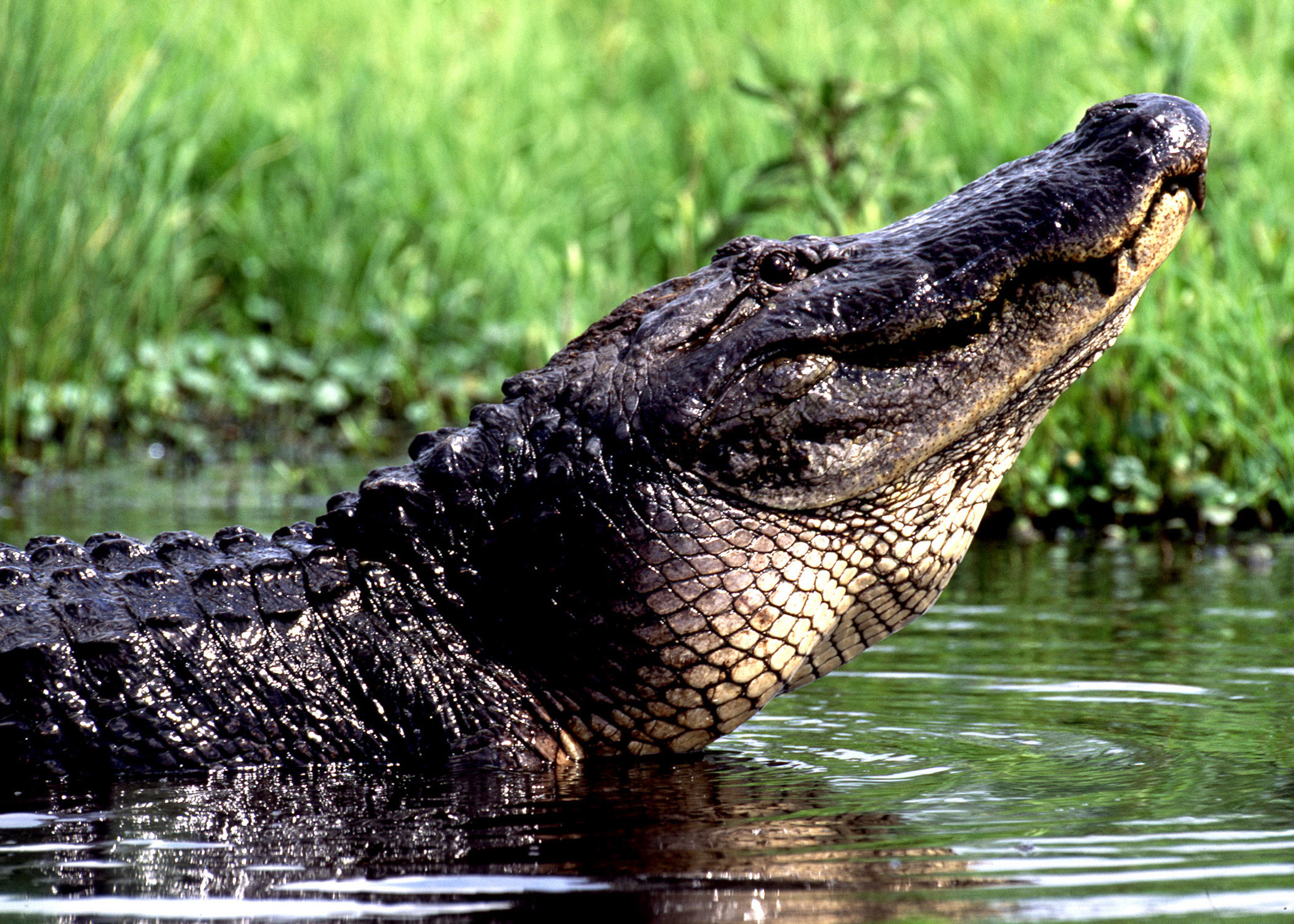
Estimates suggest that Louisiana is home to an incredible 2 million to 3 million wild alligators. This makes it one of the most densely populated alligator habitats in the world, a testament to the state’s vast network of wetlands, bayous, and marshes, and robust wildlife management programs. From the brackish waters of the Gulf of Mexico to the freshwater swamps fed by the Mississippi River, alligators are an integral part of Louisiana‘s natural tapestry, embodying both the wild spirit and the ecological richness of the region. This impressive number isn’t just a statistic; it represents a vibrant ecosystem, a significant tourism draw, and a deeply ingrained aspect of local culture and lifestyle. For those planning a trip focused on travel, tourism, and experiencing the unique landmarks of the American South, understanding the alligator’s prominence in Louisiana is key to unlocking an unforgettable adventure.
Louisiana’s Alligator Population: A Thriving Success Story
The abundance of alligators in Louisiana today is a far cry from their precarious status just a few decades ago. Their story is one of dramatic decline followed by an equally dramatic resurgence, thanks to dedicated conservation efforts and sustainable management practices. This journey from near extinction to thriving populations offers valuable insights for other wildlife conservation initiatives globally and highlights Louisiana‘s commitment to preserving its natural heritage.
From Endangered to Abundant: A Conservation Triumph
In the mid-20th century, the American alligator faced severe threats from unregulated hunting and habitat destruction. Their numbers plummeted, leading to their placement on the federal endangered species list in 1967. This critical designation spurred comprehensive conservation programs, including strict hunting regulations, habitat protection, and the establishment of alligator farms for commercial purposes, which reduced pressure on wild populations. Louisiana played a pivotal role in these recovery efforts, implementing pioneering wildlife management strategies.
The success of these programs was undeniable. Alligator populations rebounded so effectively that by 1987, the species was delisted from the endangered list, marking one of the most significant conservation triumphs in U.S. history. Today, the alligator population is carefully monitored and managed through regulated hunting seasons, allowing for a sustainable harvest that supports local economies while ensuring the long-term health of the species. This balanced approach to wildlife management ensures that visitors interested in ecotourism can continue to witness these magnificent creatures in their natural habitat for generations to come, making a visit to Louisiana a compelling experience for those passionate about wildlife and conservation. The journey of the alligator in Louisiana is a powerful narrative that intertwines with the state’s identity, demonstrating how effective conservation can transform a species’ fate.
The Ideal Habitat: Why Louisiana is Alligator Country
The sheer number of alligators in Louisiana is largely attributed to the state’s unparalleled geographical and ecological features. Louisiana is a mosaic of wetlands, bayous, swamps, and marshes, providing the perfect breeding grounds and hunting territories for these apex predators. The warm, humid climate year-round also contributes to their successful reproduction and survival.
Key areas that serve as prime alligator habitats include:
- The Atchafalaya Basin: The largest contiguous wetland and swamp in the United States, this vast area is a critical ecosystem for alligators, offering abundant food sources and secluded nesting sites. Its intricate network of waterways, cypress forests, and backwater lakes is a natural wonderland.
- Jean Lafitte National Historical Park and Preserve: Located just a short drive from New Orleans, this preserve offers accessible swamp tours and boardwalks, providing visitors with opportunities to observe alligators in a protected environment. It’s an excellent destination for those seeking a guided experience in a well-maintained natural landmark.
- Honey Island Swamp: East of New Orleans, this pristine, untouched swamp is known for its incredible biodiversity, including a healthy alligator population. Tours here often emphasize the ecological significance of the area and its diverse wildlife.
These natural landmarks, among countless other bayous and waterways throughout the state, create an intricate web of life that supports millions of alligators. The combination of freshwater and brackish environments, coupled with a rich food chain of fish, birds, and small mammals, ensures that alligators have everything they need to thrive. This unique environmental tapestry makes Louisiana an essential destination for anyone interested in wildlife travel and tourism.
Encountering Alligators: Unforgettable Wildlife Experiences in the Bayou State
For many travelers, the opportunity to see an alligator in its natural environment is a primary motivation for visiting Louisiana. The state offers a variety of ways to safely and responsibly experience these incredible creatures, ranging from thrilling airboat rides to serene kayak excursions. These experiences are not only exciting but also offer a deeper appreciation for the delicate balance of the bayou ecosystem and the importance of responsible tourism.
Navigating the Waters: Best Alligator Tours and Locations
Louisiana is dotted with tour operators offering guided excursions into its famous swamps and bayous. These tours are designed to provide visitors with an up-close look at alligators and other wildlife, all while sharing fascinating insights into the unique culture and natural history of the region.
Popular tour locations and experiences include:
- Swamp Tours near New Orleans: Numerous operators depart from the greater New Orleans area, offering half-day excursions into nearby swamps like those around Jean Lafitte National Historical Park and Preserve or Honey Island Swamp. Options range from large, covered pontoon boats to exhilarating airboats that skim across the water, providing different perspectives and levels of adventure. Many tours include experienced guides who can spot alligators, explain their behavior, and share local folklore, making them a fantastic way to engage with the local culture.
- Atchafalaya Basin Excursions: For a more immersive and remote experience, tours into the Atchafalaya Basin offer unparalleled opportunities to witness alligators in a truly wild setting. These often involve smaller boats or kayaks, allowing for deeper exploration of the basin’s intricate waterways. This region is particularly appealing for those interested in serious ecotourism and natural landmarks.
- Bayou Teche National Wildlife Refuge near Franklin: While perhaps less touristy than the New Orleans options, this refuge provides excellent self-guided opportunities for wildlife viewing, including alligators, particularly for those who prefer independent exploration or seek a quieter experience.
When choosing a tour, consider the type of boat, the duration, and the focus of the guide. Reputable operators prioritize safety and ethical wildlife viewing, ensuring that interactions with alligators are respectful and non-disruptive to their natural behaviors. This commitment to responsible tourism is crucial for preserving these unique experiences.
Beyond the Boats: Photography and Responsible Wildlife Viewing
While boat tours are a quintessential way to see alligators, there are other avenues for engagement, especially for photographers and those seeking a more contemplative experience. Boardwalks through preserves, such as parts of Jean Lafitte National Historical Park and Preserve, allow for observation from a safe distance, offering excellent photographic opportunities without direct interaction.
For any wildlife encounter in Louisiana, responsible viewing practices are paramount:
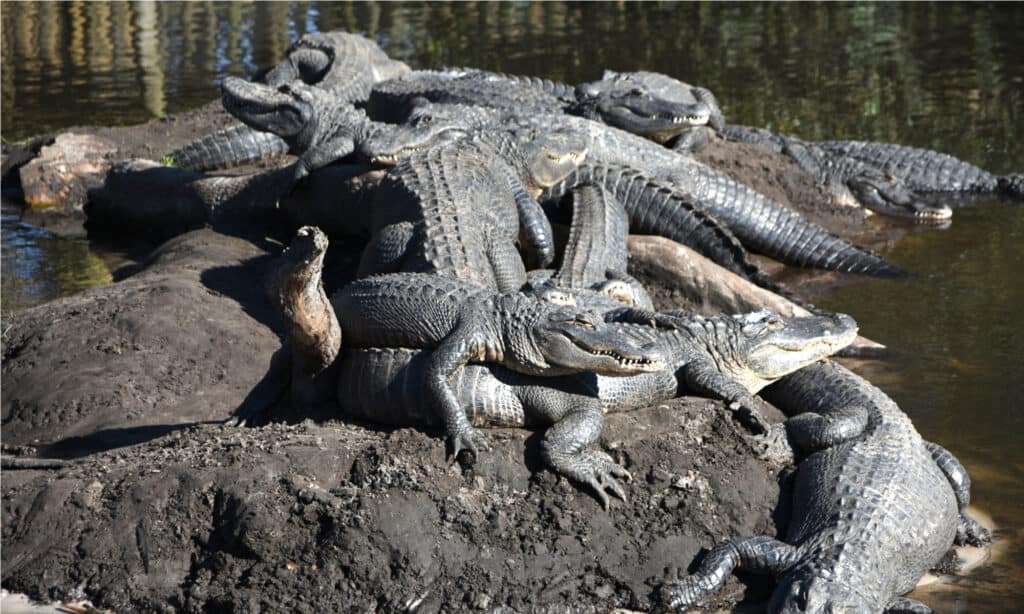
- Maintain Distance: Always keep a respectful and safe distance from alligators. Never attempt to feed or provoke them.
- Stay on Designated Paths: When on land, stick to marked trails and boardwalks to protect both yourself and the delicate ecosystem.
- Do Not Disturb: Observe animals quietly and avoid sudden movements or loud noises that could stress them.
- No Littering: Help preserve the natural beauty and health of the environment by packing out everything you pack in.
Embracing these guidelines ensures that your travel experience is not only memorable for you but also sustainable for the environment and its inhabitants. It’s a key aspect of responsible lifestyle choices when exploring nature.
Immerse Yourself in the Bayou Lifestyle: Where to Stay and What to Savor
A trip to witness Louisiana‘s alligators extends beyond just the tours; it’s an invitation to immerse oneself in the distinctive bayou lifestyle, characterized by rich culture, vibrant music, and unparalleled culinary traditions. Planning your accommodation and culinary adventures thoughtfully will enhance your overall travel experience, allowing you to connect more deeply with the heart of the Bayou State.
Accommodation Options for Every Traveler
Louisiana offers a diverse range of accommodation options to suit every preference and budget, whether you’re seeking a luxurious retreat, a charming boutique stay, or a comfortable, family-friendly hotel. Proximity to alligator tours and other attractions often guides the choice of where to stay.
- New Orleans: As the state’s largest city and a major hub for tourism, New Orleans boasts an extensive selection of hotels. From opulent resorts like The Roosevelt New Orleans or Hotel Monteleone, offering a taste of historic luxury, to contemporary boutique hotels and budget-friendly options, there’s something for everyone. Staying here provides easy access to swamp tours, as well as the city’s iconic nightlife, dining, and cultural landmarks. The Omni Royal Orleans and The Eliza Jane, a Hyatt Centric Hotel are also excellent choices for those seeking elegance and convenience in the French Quarter. For business or luxury travelers, the JW Marriott New Orleans and The Ritz-Carlton, New Orleans offer world-class amenities.
- Lafayette: For those looking to explore the heart of Cajun Country and the western edge of the Atchafalaya Basin, Lafayette provides a more relaxed, authentic experience. Here, you’ll find charming local hotels, bed and breakfasts, and convenient chain hotels that serve as excellent bases for exploring nearby swamps, music venues, and local eateries.
- Houma: Often called the “Venice of America” due to its intricate waterways, Houma is an ideal base for deep-bayou experiences. It offers a selection of local hotels and guesthouses that provide a more direct connection to the bayou lifestyle and its friendly, welcoming communities.
- Baton Rouge: The state capital offers a blend of urban amenities and proximity to natural attractions. Here, you can find a range of hotels, from sophisticated choices like L’Auberge Casino & Hotel Baton Rouge to comfortable mid-range options, making it a good choice for those who want a mix of city exploration and nature excursions.
When considering accommodation, travelers should research reviews, compare prices, and explore various booking platforms to find the best fit for their needs. Many hotels also offer unique amenities such as pools, fitness centers, or on-site dining, enhancing the overall stay. Whether you’re planning a luxury travel experience or a budget travel adventure, Louisiana has an option for you.
Savoring the Local Flavor: Alligator Cuisine and Beyond
No visit to Louisiana is complete without indulging in its world-renowned culinary scene. The bayou lifestyle is deeply intertwined with its food, and for the adventurous palate, tasting alligator meat is a must. Often described as a lean, white meat with a mild flavor, it can be found fried, grilled, stewed, or in gumbos and étouffées across the state. This is a unique aspect of local culture and a testament to the sustainable management of the alligator population.
Beyond alligator, the state’s food scene is an explosion of flavors, heavily influenced by Cajun and Creole traditions. Expect to find:
- Seafood Galore: Fresh shrimp, crabs, oysters, and crawfish are staples, prepared in countless delicious ways, from boils to rich bisques.
- Gumbo and Jambalaya: Iconic dishes that define Louisiana cuisine, each with endless regional variations.
- Po’boys and Beignets: Classic street food and dessert that are essential New Orleans experiences.
Exploring local markets, sampling street food, and dining in quaint bayou restaurants are all essential activities that complete the travel experience, allowing you to fully immerse yourself in the local culture of Louisiana.
Planning Your Louisiana Adventure: Tips for a Memorable Trip
A trip to Louisiana to see its famous alligators and explore its unique environment promises an unforgettable adventure. To make the most of your journey, a little planning and insider tips can go a long way, ensuring a smooth and enriching experience that perfectly blends travel, tourism, and lifestyle.
Essential Travel Tips and Considerations
Before embarking on your Louisiana expedition, keep these practical tips in mind:
- Best Time to Visit: Spring (March-May) and Fall (September-November) offer the most pleasant weather, with cooler temperatures and fewer mosquitoes. Alligators are more active during warmer months, making late spring and early fall ideal for sightings. Summer can be hot and humid, though tours still operate.
- Packing Essentials: Light, breathable clothing is advisable. Don’t forget insect repellent, sunscreen, a hat, and comfortable walking shoes. If taking a swamp tour, a waterproof bag for electronics is a good idea. Binoculars and a good camera are also highly recommended for wildlife viewing.
- Guided vs. Self-Guided: While many prefer guided tours for expert commentary and ease of access, some natural landmarks like Jean Lafitte National Historical Park and Preserve offer boardwalks for self-guided exploration. For experienced kayakers, some areas allow for self-guided paddling, but always prioritize safety and local regulations.
- Respect Local Customs: Louisiana has a distinct culture. Be open to new experiences, engage with locals, and embrace the laid-back pace of the bayou lifestyle. This creates more meaningful interactions and deeper appreciation for the local culture.
- Booking in Advance: Especially during peak seasons or for specific accommodation types or popular tours, consider booking well in advance to secure your preferred options and potentially find better deals.
Following these travel tips will help ensure your trip to Louisiana is as enjoyable and seamless as possible, allowing you to focus on the incredible sights and sounds of the Bayou State.

Exploring Beyond the Bayous: Complementary Destinations
While alligators and swamps are undoubtedly a highlight, Louisiana offers a wealth of other attractions that can complement your bayou adventure. Extending your travel to nearby cities and landmarks will provide a more comprehensive understanding of the state’s diverse appeal.
- New Orleans: As mentioned, New Orleans is a cultural melting pot offering historic districts, world-class dining, live music, and unique festivals. It’s a natural starting or ending point for any Louisiana trip. Exploring its famous landmarks like the French Quarter, Jackson Square, and St. Louis Cathedral is a must.
- Baton Rouge: The state capital provides a glimpse into Louisiana‘s political history and offers attractions like the Old State Capitol building, Louisiana State University, and a vibrant food scene.
- Plantation Country: Between New Orleans and Baton Rouge, explore historic plantations such as Oak Alley Plantation or Whitney Plantation, offering insights into the region’s complex history and stunning architecture. These landmarks provide a stark contrast to the wild bayous but are equally important to Louisiana‘s story.
- Lafayette and Cajun Country: Immerse yourself in the heart of Cajun culture with its lively music (Zydeco and Cajun), delicious food, and friendly communities. Visit local dance halls (fais do-dos) for an authentic local culture experience.
- Lake Charles: In southwestern Louisiana, Lake Charles is known for its casinos, resorts like Golden Nugget Lake Charles, and proximity to the Gulf of Mexico, offering a different kind of lifestyle experience focused on entertainment and coastal activities.
- Natchitoches: The oldest permanent settlement in the Louisiana Purchase, Natchitoches is famed for its historic district, Creole architecture, and Cane River Lake. It offers a charming small-town experience rich in history.
- Shreveport: Located in northern Louisiana, Shreveport offers a mix of entertainment, casino resorts, and cultural attractions, distinct from the southern parts of the state.
By combining alligator viewing with these other incredible destinations, your Louisiana adventure becomes a rich tapestry of nature, history, culture, and unforgettable experiences. The millions of alligators thriving in Louisiana are not just a marvel of the natural world; they are a gateway to exploring a state brimming with unique charm, compelling stories, and a captivating lifestyle that beckons travelers from across the globe.
LifeOutOfTheBox is a participant in the Amazon Services LLC Associates Program, an affiliate advertising program designed to provide a means for sites to earn advertising fees by advertising and linking to Amazon.com. Amazon, the Amazon logo, AmazonSupply, and the AmazonSupply logo are trademarks of Amazon.com, Inc. or its affiliates. As an Amazon Associate we earn affiliate commissions from qualifying purchases.