
When planning a trip, most travelers meticulously research destinations, compare hotel rates, and pack diligently, often overlooking a crucial yet often taken-for-granted aspect of modern travel: electrical power. In an age where smartphones, laptops, tablets, and an array of personal care devices are indispensable companions, understanding the electrical capacity of your temporary abode – your hotel room – is more important than ever. The question, “How many amps does a hotel room use?”, delves into the practicalities of keeping your gadgets charged, your hair styled, and your medical devices operational, all while ensuring safety and convenience during your stay.
From a bustling New York City skyscraper to a serene resort in Bali, the electrical infrastructure, while often hidden, is the lifeline of your travel experience. Overlooking power considerations can lead to frustrating moments – a drained phone battery, a tripped circuit breaker, or even damage to sensitive electronics. This guide aims to demystify hotel room electricity, providing travelers with a practical understanding of amperage, voltage, and the typical power demands of their essential devices, ensuring a smooth and powered-up journey wherever their adventures take them.
Understanding Hotel Room Power: The Basics for Travelers
Before delving into specific numbers, it’s essential to grasp the fundamental concepts of electricity as they apply to a traveler. You don’t need to be an electrician, but a basic understanding can help prevent mishaps and enhance your travel preparedness, especially when crossing international borders.
What Are Amps and Volts, Anyway?
In simple terms, voltage (Volts) refers to the “pressure” or “force” of the electrical current. It’s the potential difference that pushes electrons through a circuit. Think of it like water pressure in a pipe. Amperage (Amps or A), on the other hand, measures the “volume” or “rate of flow” of that electrical current. Using the water analogy again, amps would be the amount of water flowing past a certain point per second. Finally, wattage (Watts or W) is the total power consumed by an appliance, calculated by multiplying volts by amps (Watts = Volts x Amps).
For travelers, the most critical takeaway is this:
- Voltage varies significantly by country. Most of North America (including the United States and Canada) uses 110-120 Volts, while most of Europe, Asia, Australia, and Africa use 220-240 Volts.
- Amperage capacity determines how many devices can safely run on a single circuit simultaneously without tripping a breaker. Each electrical outlet and circuit in a hotel room has a maximum amperage it can supply.
Understanding these concepts helps you choose the right adapters and converters and avoid overloading the electrical system, safeguarding both your devices and the hotel’s infrastructure.
Standard Electrical Systems Around the Globe
The world of electrical outlets and voltages is famously diverse, posing a minor logistical challenge for international travelers.
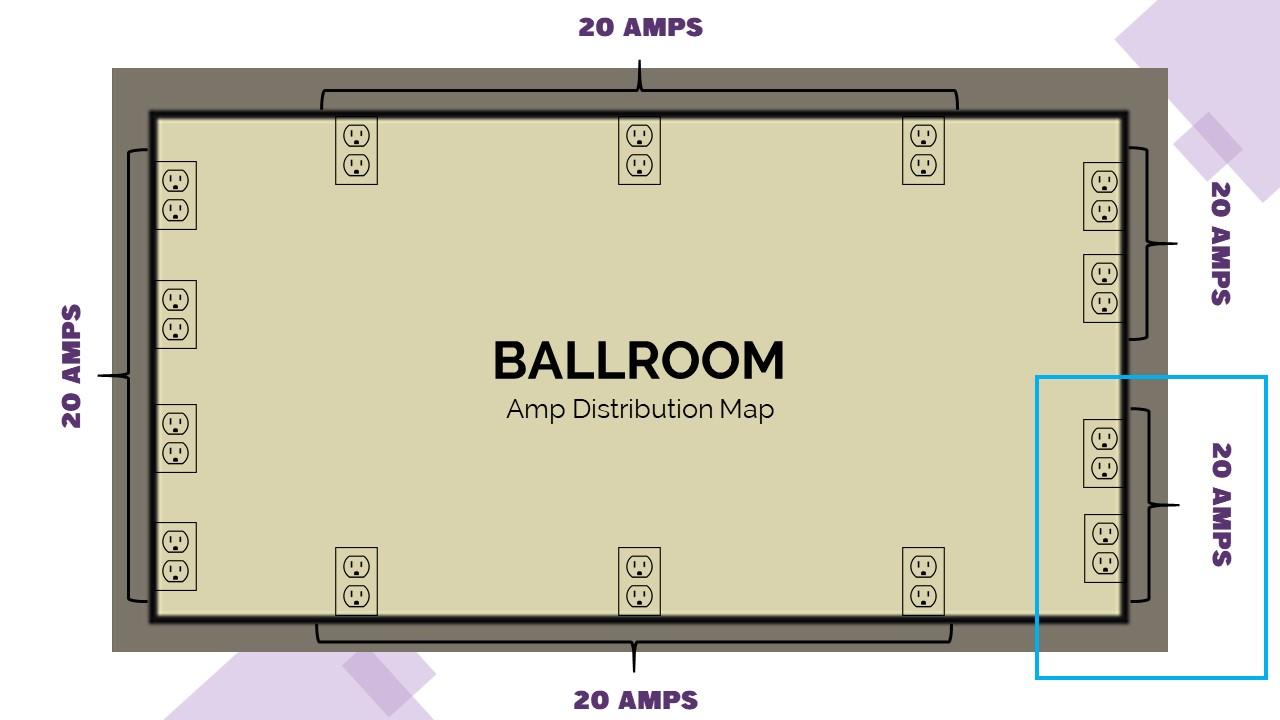
- In the United States and Canada, the standard is typically 120V at 60Hz. Standard wall outlets are usually rated for 15 Amps, meaning a single circuit can provide up to 1800 Watts (120V x 15A). Some circuits, especially those for dedicated appliances like air conditioners or microwaves in apartment-style accommodations, might be 20 Amps.
- In most of Europe, Asia, and Australia, the standard is 220-240V at 50Hz. Outlets are generally rated for 10-16 Amps. A 10 Amp circuit at 230V would provide 2300 Watts, while a 16 Amp circuit would provide 3680 Watts. This higher voltage means that for the same wattage, the current (amps) drawn is lower. For instance, a 1200W hairdryer draws 10 Amps at 120V but only about 5 Amps at 240V.
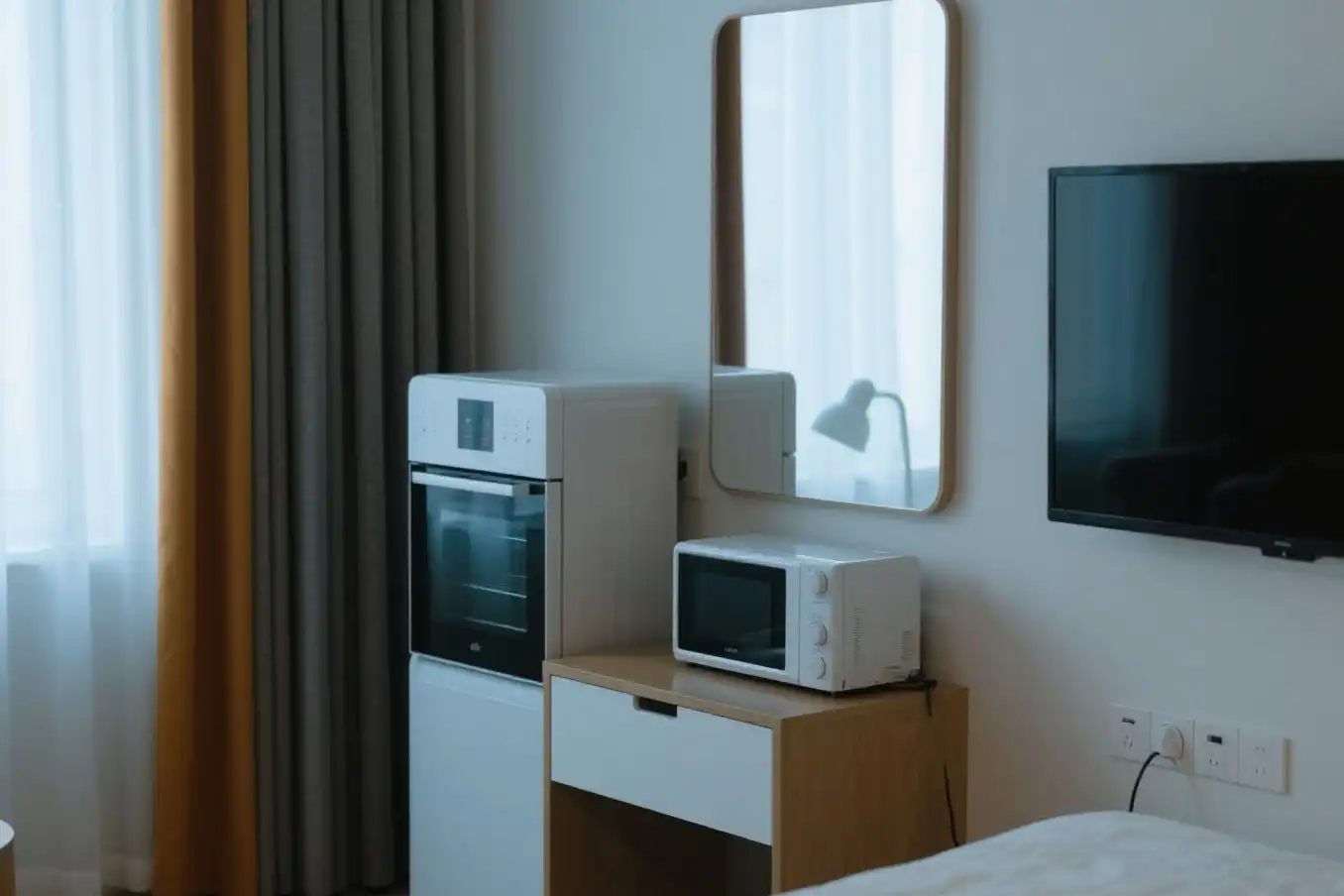
Hotel rooms are designed to provide sufficient power for typical guest needs. This usually means a combination of general-purpose circuits for outlets and lighting, and sometimes dedicated circuits for high-draw amenities like mini-fridges, air conditioning units, or integrated hair dryers (often found in bathrooms). While the exact amperage supplied to a single room isn’t always explicitly stated, it’s safe to assume that the general-purpose outlets will operate within the country’s standard circuit breaker ratings (e.g., 15A in the United States, 10-16A in Europe).
Typical Power Consumption of Your Travel Essentials
So, how many amps does a hotel room use? The answer primarily depends on what you plug in and how many devices are operating simultaneously. Here’s a breakdown of common travel items and their approximate power demands.
Gadgets and Gismos: Phones, Laptops, and Chargers
Most modern portable electronics are designed to be energy-efficient and highly adaptable to different voltages, often featuring “universal” chargers that can handle inputs from 100V to 240V.
- Smartphone Chargers: Typically draw very little power, often between 5W and 20W. At 120V, this is negligible (0.04 – 0.16 Amps). At 240V, it’s even less. You can safely charge multiple phones.
- Laptop Chargers: These consume more, especially when charging a drained battery or if the laptop is in heavy use while charging. A typical laptop charger might range from 45W to 90W. A high-performance gaming laptop or powerful workstation might use up to 150W or more.
- Example: A 65W laptop charger at 120V draws about 0.54 Amps. At 240V, it’s 0.27 Amps.
- Tablet Chargers: Similar to smartphone chargers, usually in the 10W to 30W range, drawing minimal amperage.
- Portable Power Banks: When charging the power bank itself, its draw is similar to a smartphone or tablet charger, depending on its capacity and charging speed.
For these everyday electronics, a typical hotel room’s general-purpose outlets provide more than enough amperage. You could charge several of these simultaneously without any concern for overloading a circuit.
Personal Care Appliances: Hair Dryers, Straighteners, and More
This category is where travelers need to be most mindful. Personal care appliances like hair dryers and curling irons are often high-wattage devices.
- Hair Dryers: These are notorious power hogs.
- Compact travel hair dryers: 800W to 1200W.
- Full-sized hair dryers (similar to those you might bring from home): 1500W to 2000W.
- At 120V, a 1500W hair dryer draws 12.5 Amps. A 1800W model draws 15 Amps.
- At 240V, a 1500W hair dryer draws 6.25 Amps. An 1800W model draws 7.5 Amps.
- Curling Irons/Hair Straighteners: Typically range from 50W to 200W, though some professional models can go higher. These are generally less demanding than hair dryers but can still add up.
- Example: A 100W straightener at 120V draws about 0.83 Amps. At 240V, it’s 0.42 Amps.
- Travel Kettles/Coffee Makers: Small travel appliances like kettles often consume 700W to 1200W, similar to a low-end hair dryer.
- Example: A 1000W travel kettle at 120V draws 8.3 Amps. At 240V, it’s 4.17 Amps.
The key takeaway here is that running a high-wattage hair dryer or travel kettle concurrently with other high-draw devices (like another hair dryer or a clothing iron) on the same circuit can easily push the amperage limit, especially in 120V regions. Many hotels provide their own hair dryers, which are often integrated into the bathroom and on a dedicated circuit, reducing the risk of overloading.
Medical Devices and Specialty Equipment
For some travelers, essential medical devices are a non-negotiable part of their packing list.
- CPAP Machines: These vital devices typically consume 30W to 60W, with humidifiers adding slightly more. They are generally low-power and often designed to be universal voltage (100-240V).
- Example: A 60W CPAP machine at 120V draws 0.5 Amps. At 240V, it’s 0.25 Amps.
- Travelers with CPAP machines usually don’t need to worry about overloading circuits, but ensuring access to a reliable outlet, especially near the bed, is crucial.
- Portable Oxygen Concentrators: Power consumption varies significantly by model and flow setting, but many are in the 50W to 150W range. Like CPAP machines, they are usually universal voltage.
- Travel Irons: While less common, a small travel iron can draw between 700W and 1000W, similar to a travel kettle.
The good news is that most essential medical and small travel appliances are designed with travel in mind, often consuming moderate power and adapting to various voltages. However, always check the device’s specific power requirements and confirm its voltage compatibility before traveling internationally.
Beyond the Basics: Factors Influencing a Hotel Room’s Amperage Draw
While the devices you plug in are the primary factor, other elements contribute to the overall electrical load and the practical amperage available in your hotel room.
Room Type and Amenities: From Budget Stays to Luxury Suites
The type of accommodation you choose can significantly impact the electrical provision.
- Budget Hotels/Motels: Often have simpler electrical systems. Fewer outlets might be available, and circuits might be shared more broadly across rooms or sections of the building, making them more susceptible to overloads if multiple high-draw devices are used. Integrated amenities like hair dryers might be less powerful or nonexistent.
- Standard Mid-Range Hotels: Offer a balanced approach. You’ll typically find an adequate number of outlets, often with USB charging ports. Amenities like mini-fridges, coffee makers, and integrated hair dryers are common, usually on dedicated circuits or circuits with sufficient capacity.
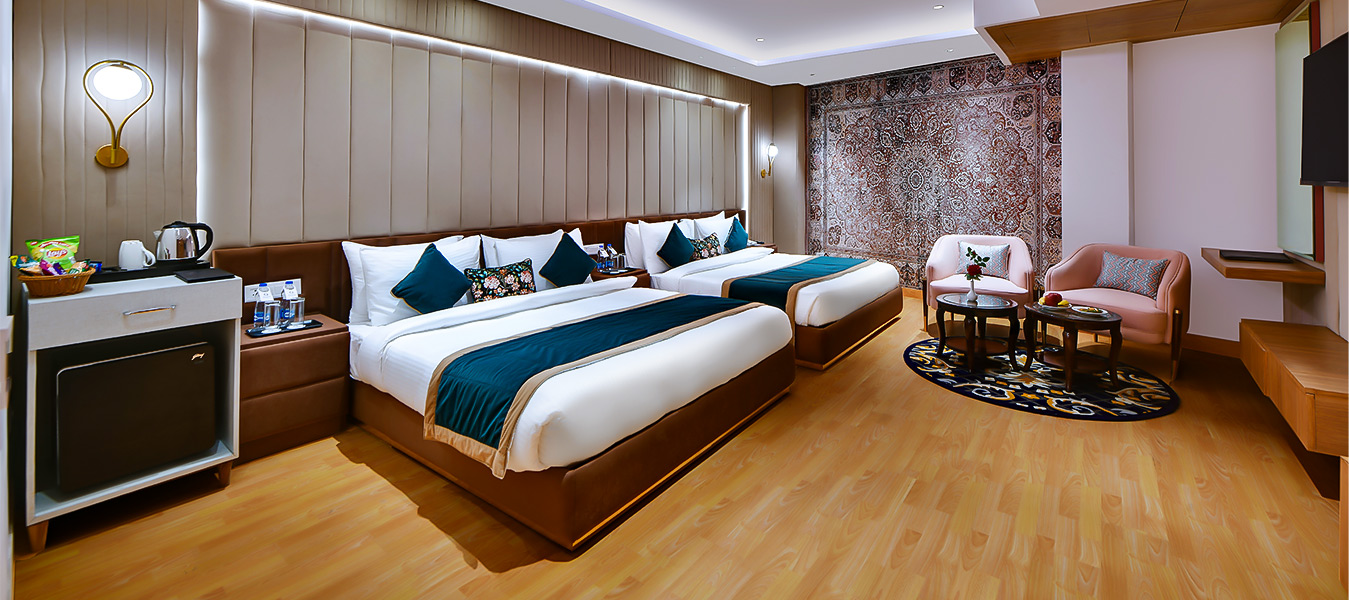
- Luxury Suites/Extended-Stay Apartments/Villas: These are often designed with much higher electrical capacity. Suites may have separate living and sleeping areas, each with ample outlets. Apartments and villas often feature full kitchens with high-power appliances (refrigerators, microwaves, stoves, dishwashers), which are always on dedicated, high-amperage circuits (e.g., 20A or more). Such accommodations are unlikely to face amperage issues from guest devices. Hotels like the Grand Hyatt Hotel or Four Seasons properties prioritize robust infrastructure.
When booking, consider what appliances you plan to use and whether your chosen hotel type aligns with those needs. For example, if you plan to cook extensively, an extended-stay apartment or villa would be far more suitable than a basic hotel room.
Hotel Infrastructure and Age
The age and modernization of a hotel building also play a role. Older buildings, even after renovations, might have less robust or fewer circuits per room compared to newly constructed properties. A historic boutique hotel in Paris or Rome might have a more temperamental electrical system than a brand-new Marriott or Hilton property in Dubai or Tokyo. Modern hotels are designed to cater to the ever-increasing number of guest devices, often featuring multiple outlets (including USB-A and USB-C ports) and more generously distributed circuits.
Hotel chains like IHG (InterContinental Hotels Group) and Accor consistently upgrade their properties to meet contemporary demands, which includes robust electrical systems. However, even in new hotels, guest rooms are typically served by standard residential-grade circuits.
Practical Power Tips for the Savvy Traveler
Armed with a better understanding of hotel room electricity, here are some actionable tips to ensure a worry-free and powered-up travel experience.
Preventing Overloads and Ensuring Safety
The primary concern regarding amperage in a hotel room is preventing an overloaded circuit, which will cause a circuit breaker to trip, cutting power to the outlets.
- Prioritize High-Wattage Devices: If you need to use a high-wattage device like a travel hair dryer or kettle, avoid running other high-wattage items (like another hair dryer or a clothes iron) on the same circuit simultaneously. If the hotel provides a hair dryer, use theirs, as it’s typically on a dedicated circuit.
- Spread the Load: If your room has outlets on different walls or in different areas (e.g., bathroom, desk, bedside), try to distribute your high-draw devices across them. It’s possible these outlets are on separate circuits.
- Be Mindful of Power Strips: While useful, a power strip only provides more outlets; it doesn’t increase the available amperage of the wall outlet it’s plugged into. Overloading a power strip means overloading the wall outlet and the circuit behind it. Use surge protectors with caution, and ensure they are compatible with the local voltage.
- Recognize the Signs: Flickering lights, dimming lights when an appliance turns on, or buzzing sounds can indicate an overloaded circuit. If you suspect an overload, unplug some devices immediately.
If a breaker trips, contact the front desk. Do not attempt to reset it yourself unless explicitly instructed and shown how by hotel staff.
Navigating International Power Differences
Traveling between voltage regions (United States to Europe, for example) requires careful planning.
- Check Device Labels: Most modern electronic chargers (phones, laptops, cameras, CPAP machines) are “dual voltage” or “universal voltage,” meaning they can accept input from 100V to 240V. Check the small print on your charger – it will usually state “Input: 100-240V, 50/60Hz.” If it does, you only need a plug adapter to physically fit the local outlet.
- Voltage Converters for High-Wattage Appliances: For high-wattage, single-voltage appliances (e.g., a hair dryer rated only for 120V that you want to use in a 240V country), you will need a voltage converter. However, these can be bulky, heavy, expensive, and may not work perfectly with all types of appliances (especially those with heating elements or motors). Often, it’s simpler and safer to buy a dual-voltage version of the appliance or rely on hotel-provided ones.
- Adapter vs. Converter: Remember the distinction: an adapter changes the physical shape of the plug; a converter changes the voltage. You will almost always need an adapter for international travel; you might need a converter only for specific, high-wattage, single-voltage devices.
Making the Most of Available Outlets
Especially in older hotels or those with fewer outlets, maximizing your charging capabilities can be a minor challenge.
- Travel Power Strip with USB Ports: A compact travel power strip (ensure it’s surge protected and voltage compatible, especially if going abroad) can be invaluable. Look for one that also includes USB-A and USB-C ports, as this minimizes the need for multiple bulky wall warts.
- Portable Chargers/Power Banks: A fully charged power bank provides a buffer, allowing you to charge devices on the go or when outlets are scarce.
- Prioritize Charging: Charge essential devices (phone, laptop) first, especially overnight.
- Ask the Hotel: If you have specific power needs, such as for a medical device that requires a dedicated outlet or an extension cord, call the hotel in advance. Many hotels, especially those catering to business or family trips, are accustomed to such requests and can often accommodate them.
In conclusion, while you don’t need to be an electrical engineer to enjoy your travels, a basic awareness of “how many amps does a hotel room use” and the principles of electricity can significantly enhance your travel experience. By understanding your devices’ power needs, being mindful of international voltage differences, and employing smart charging practices, you can ensure that all your gadgets remain powered up, ready to capture memories, navigate new destinations, and keep you connected to the world, wherever your life out of the box takes you.
LifeOutOfTheBox is a participant in the Amazon Services LLC Associates Program, an affiliate advertising program designed to provide a means for sites to earn advertising fees by advertising and linking to Amazon.com. Amazon, the Amazon logo, AmazonSupply, and the AmazonSupply logo are trademarks of Amazon.com, Inc. or its affiliates. As an Amazon Associate we earn affiliate commissions from qualifying purchases.