
The allure of Florida is undeniable. Known as the “Sunshine State,” it conjures images of sun-drenched shores, turquoise waters, and an endless summer. For many, the primary draw is its magnificent coastline, a tapestry of sandy expanses that stretch for miles. This raises a natural and frequently asked question: just how many beaches are there in Florida? The answer, surprisingly, is not as straightforward as one might initially assume, and it depends on how one defines a “beach.”
Florida boasts an astonishing amount of coastline. With over 1,350 miles of tidal shoreline along the Atlantic Ocean, the Gulf of Mexico, and the Florida Keys, the state is practically synonymous with beach life. However, this impressive figure represents the total length of the coastline, not the individual beaches themselves. The concept of a distinct “beach” can be fluid, often defined by local names, access points, or unique geographical features.
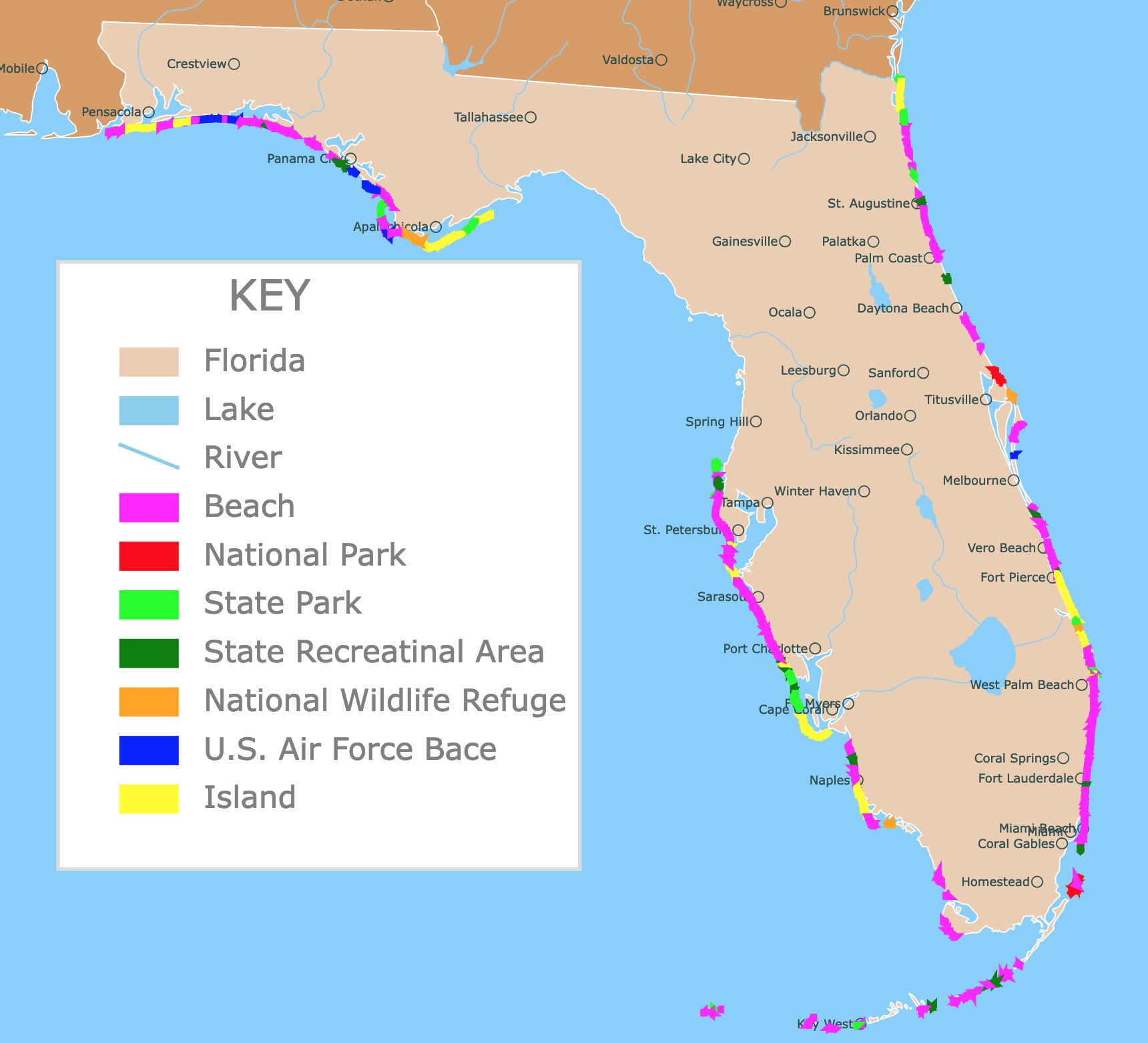
Unraveling the Count: Defining Florida’s Beaches
To truly answer “How Many Beaches Are In Florida?”, we need to explore different ways of categorizing and counting these coastal treasures. The sheer variety of Florida’s beaches means that any single number will likely be an approximation, capturing a snapshot of a dynamic and ever-evolving landscape.
The Public Access Perspective
One common approach to counting beaches is to consider publicly accessible points along the coastline. These are the spots where visitors can park their cars, lay out their towels, and enjoy the sand and sea. This method often involves counting designated state parks, county parks, city beaches, and other publicly managed access areas.
According to various tourism boards and governmental agencies, Florida has over 800 designated public beaches. This figure often includes well-known destinations like the expansive shores of Miami Beach, the family-friendly sands of Clearwater Beach, the vibrant atmosphere of South Beach, and the natural beauty of Siesta Key Beach. Each of these offers a distinct experience, catering to different preferences, whether it’s the lively boardwalks of the Panama City Beach, the serene dunes of the Florida Panhandle, or the shelling opportunities on the Gulf Coast.
However, this “public access” count doesn’t account for every sandy stretch. There are numerous undeveloped or privately owned beaches that might not be formally recognized as public destinations but are still cherished by locals and those in the know. Furthermore, many of the larger coastal areas, like Daytona Beach, are so extensive that they could be considered a single, continuous beach, yet they are often divided into smaller segments for management and identification purposes.
The Geographic and Naming Convention
Another way to approach the question is to consider distinct geographical areas that are commonly referred to as beaches, irrespective of their public access status. This can lead to a higher, albeit less precise, number. Local communities often name specific stretches of coastline, creating a multitude of smaller, individual “beaches” within a larger coastal region.
For instance, a single stretch of coastline might be known by several different names depending on the neighborhood or the specific point of entry. This naming convention, driven by local identity and marketing, can inflate the perceived number of distinct beaches. Think of areas like St. Pete Beach, which is a popular destination in itself, but it also comprises smaller coves and stretches that might have their own informal names.
Considering this more granular approach, some estimates suggest that Florida could have well over 1,000 individual named beaches. This count would encompass everything from the famous shores of Fort Lauderdale Beach to the quieter, more secluded spots favored by local residents seeking a respite from the crowds. It would also include the unique environments of the Florida Keys, where each island and cay offers its own distinct coastal experience, from sandy stretches to rocky outcrops.
Exploring Florida’s Diverse Coastal Offerings
Regardless of the exact number, what is undeniable is the sheer diversity and appeal of Florida’s beaches. From the bustling, amenity-rich shores to the untouched, natural havens, there’s a beach for every kind of traveler and every desired experience.
The Atlantic Coast: Sun, Surf, and Sophistication
Florida’s Atlantic coast is a vibrant tapestry of beaches, each with its own character. Miami Beach, with its iconic Art Deco architecture and energetic nightlife, offers a sophisticated beach experience. Here, visitors can soak up the sun on the wide, sandy shores, enjoy world-class dining, and immerse themselves in the lively atmosphere of Ocean Drive.
Further north, Fort Lauderdale Beach provides a more relaxed yet still vibrant scene, with its palm-lined promenade and array of water sports. Palm Beach is synonymous with luxury, offering pristine sands and exclusive resorts. For those seeking a more natural and less developed experience, beaches like Canaveral National Seashore offer a glimpse into Florida’s wilder side, with opportunities for birdwatching and sea turtle nesting.
The surfing community also finds its haven along the Atlantic coast, with spots like New Smyrna Beach and parts of Jacksonville Beach offering consistent waves. The historic charm of St. Augustine, America’s oldest continuously inhabited European-established settlement, is complemented by its nearby beaches, offering a blend of history and coastal relaxation.
The Gulf Coast: Tranquil Waters and Powdery Sands
Florida’s Gulf Coast is renowned for its calm, clear waters and exceptionally soft, white sand. This side of the state is often perceived as more laid-back, offering a perfect escape for families and those seeking tranquility.
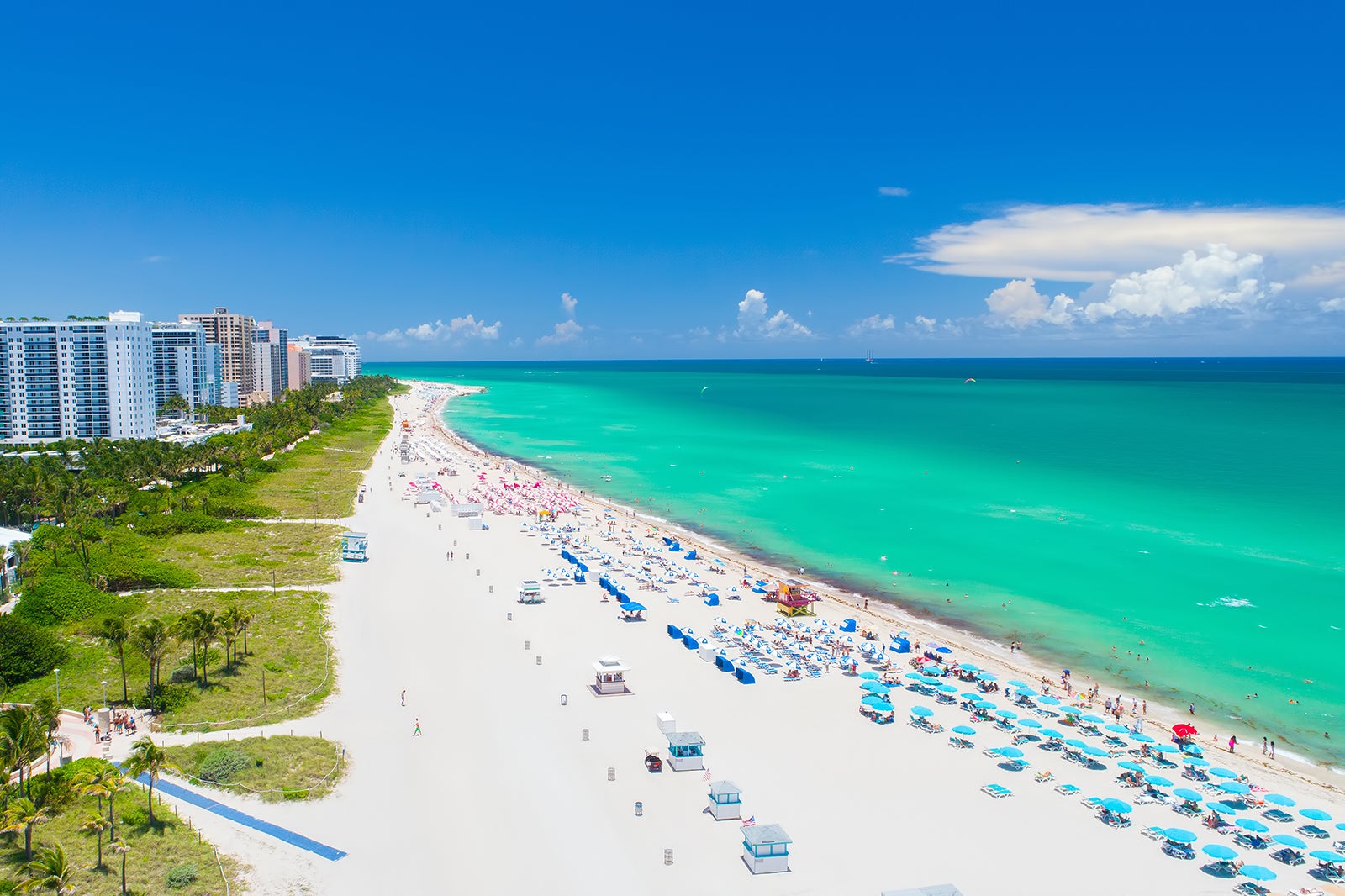
Clearwater Beach consistently ranks among the nation’s best, lauded for its family-friendly atmosphere, shallow waters, and the lively Pier 60. Nearby, St. Pete Beach offers a classic Florida beach town feel, with its charming resorts and stunning sunsets.
Siesta Key Beach is famous for its sand, which is 99% pure quartz, remaining cool even on the hottest days. The powdery white sand makes it a unique and highly sought-after destination. Further south, the beaches of Sarasota offer a blend of natural beauty and cultural attractions, with options like Lido Key Beach providing a more upscale experience.
The beaches of Southwest Florida, including those around Naples and Marco Island, are known for their shelling opportunities and upscale resorts. The beaches of Sanibel Island and Captiva Island are particularly renowned for their abundance of seashells, attracting collectors from around the globe.
The Florida Panhandle, with its “Emerald Coast,” boasts stunning stretches of white sand and emerald-green waters, reminiscent of the Caribbean. Destin, Sandestin, and 30A communities offer a mix of luxurious resorts, charming beach towns, and pristine natural areas like Topsail Hill Preserve State Park. Panama City Beach is a popular destination for its vibrant atmosphere and wide range of activities.
The Florida Keys: Island Escapes and Unique Coastal Charm
While not known for expansive sandy beaches in the traditional sense, the Florida Keys offer a unique coastal experience characterized by their crystal-clear waters, coral reefs, and intimate island vibes. The beaches here are often smaller, nestled between mangrove forests and charming waterfront towns.
Key West offers a few notable beaches like Smathers Beach and Fort Zachary Taylor State Park Beach, which provide access to the turquoise waters and opportunities for snorkeling and diving. Bahia Honda State Park boasts some of the most picturesque beaches in the Keys, with its iconic railroad bridge providing a stunning backdrop.
The allure of the Keys lies in its laid-back atmosphere, vibrant marine life, and the feeling of being on a tropical island paradise. Whether you’re looking for a lively beach scene or a secluded cove, the Keys deliver a distinct brand of coastal charm.
Beyond the Sand: Experiences and Amenities
The appeal of Florida’s beaches extends far beyond their sandy shores. The state’s tourism industry thrives on offering a comprehensive experience that complements the natural beauty of its coastlines.
Accommodation: From Luxury Resorts to Cozy Villas
For those planning a beach getaway, accommodation options are as varied as the beaches themselves. Visitors can choose from ultra-luxurious resorts offering private beach access, infinity pools, and fine dining, such as the Ritz-Carlton, Amelia Island, or the Don CeSar in St. Pete Beach.
Budget-conscious travelers can find an array of hotels, motels, and vacation rentals in popular beach towns. The availability of apartments and villas also caters to those seeking a more independent and extended stay, perfect for families or longer vacations. Websites offering booking, reviews, and comparison tools make it easier than ever to find the perfect place to stay, from intimate boutique hotels to sprawling family-friendly complexes with extensive amenities like water parks and kids’ clubs.
Activities and Attractions: More Than Just Sunbathing
Florida’s beaches are gateways to a world of activities and attractions. Water sports enthusiasts can indulge in surfing, paddleboarding, kayaking, jet skiing, and snorkeling. The abundant marine life makes fishing and diving incredibly popular, especially in areas like the Florida Keys with its extensive coral reefs.
Beyond the water, many beach towns offer vibrant local culture, from art galleries and live music venues to bustling farmers’ markets. Theme parks like Walt Disney World Resort and Universal Orlando Resort are often combined with beach trips, offering a diverse vacation experience.
Landmarks abound, from historic lighthouses like the Ponce Inlet Lighthouse to natural wonders such as Everglades National Park. Architectural gems can be found in cities like Miami and Palm Beach, adding a cultural dimension to coastal exploration.

Lifestyle: Tailoring Your Beach Experience
Florida’s beaches cater to every lifestyle. Luxury travel is evident in the high-end resorts and exclusive enclaves found along both coasts. Conversely, budget travel is easily achievable with a plethora of affordable hotels and motels, especially during the off-season.
Family trips are a cornerstone of Florida tourism, with many beaches offering calm waters, playgrounds, and kid-friendly activities. Business stays can also be enhanced by proximity to the beach, offering a chance for relaxation and rejuvenation after a busy day. Whether you’re seeking a romantic escape, an adventurous expedition, or a peaceful retreat, Florida’s beaches offer the perfect backdrop.
In conclusion, while a definitive number for “How Many Beaches Are In Florida?” remains elusive due to varying definitions, it’s clear that the state offers an unparalleled coastline. With estimates ranging from over 800 public access points to potentially over 1,000 distinct named beaches, Florida provides an endless array of sandy shores to explore, each offering its own unique charm and experiences for every traveler. The Sunshine State truly lives up to its name, providing a sun-kissed paradise for all.
LifeOutOfTheBox is a participant in the Amazon Services LLC Associates Program, an affiliate advertising program designed to provide a means for sites to earn advertising fees by advertising and linking to Amazon.com. Amazon, the Amazon logo, AmazonSupply, and the AmazonSupply logo are trademarks of Amazon.com, Inc. or its affiliates. As an Amazon Associate we earn affiliate commissions from qualifying purchases.