
The iconic skyline of New York City is not just defined by its towering skyscrapers, but also by the magnificent bridges that gracefully span its waterways, connecting its vibrant boroughs and shaping its very identity. These architectural marvels are more than just conduits for traffic; they are historical landmarks, engineering feats, and essential components of the city’s bustling daily life and its allure for millions of travelers each year. From the majestic Brooklyn Bridge to the utilitarian yet vital crossings of the East River and Hudson River, the sheer number and diversity of bridges in New York City are astonishing. This article delves into the impressive quantity and significance of these structures, offering a comprehensive look at what makes them so integral to the experience of exploring this global metropolis.
The Grand Count: Unveiling the Numbers
When one contemplates the question, “How many bridges are in New York City?”, the answer might surprise you with its sheer magnitude. The New York City Department of Transportation, along with other authorities like the Metropolitan Transportation Authority (MTA) and the Port Authority of New York and New Jersey, oversees a vast network of bridges. The exact number can fluctuate slightly due to ongoing construction and decommissioning, but reliable estimates place the total number of bridges within the five boroughs of New York City at well over 2,000.
This impressive figure encompasses a wide range of structures, from colossal suspension bridges that are globally recognized landmarks to smaller, less celebrated pedestrian overpasses and road bridges crucial for local connectivity. These bridges are not uniformly distributed; some boroughs are far more reliant on bridges than others. For instance, the island nature of Manhattan necessitates a high concentration of bridges connecting it to Brooklyn, Queens, and New Jersey.
Key Authorities and Their Domains
Understanding the count also requires acknowledging the different agencies responsible for these vital pieces of infrastructure. The New York City Department of Transportation (NYCDOT) is the primary custodian, managing the vast majority of the city’s bridges, tunnels, and highways. Their purview includes many of the most famous crossings, carrying millions of vehicles and pedestrians daily.
The Metropolitan Transportation Authority (MTA) operates several significant bridges that are integral to its commuter rail and subway systems, including iconic structures like the George Washington Bridge (though operated by the Port Authority, it’s a critical transit link) and bridges associated with Long Island Rail Road and Metro-North Railroad operations.
The Port Authority of New York and New Jersey plays a critical role in managing major vehicular crossings, particularly those that connect New York City to New Jersey. Their most famous asset is undoubtedly the George Washington Bridge, a monumental structure that serves as a vital gateway for commuters and commercial traffic.
Iconic Crossings: More Than Just Connections
While the sheer number of bridges is impressive, it’s the iconic status and historical significance of certain crossings that truly capture the imagination of visitors and residents alike. These bridges are not merely functional; they are beloved landmarks, testaments to human ingenuity, and often, the first glimpse many get of the city’s magnificent profile.
The Majestic Queensboro Bridge
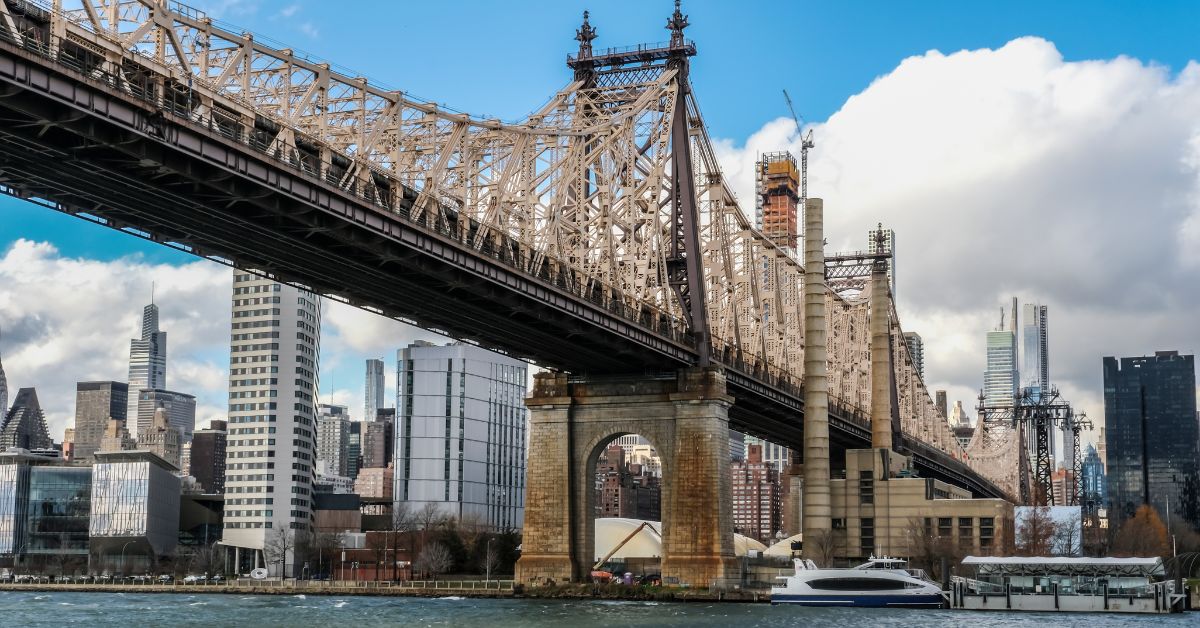
The Queensboro Bridge, officially known as the Ed Koch Queensboro Bridge, is a cantilever bridge that spans the East River, connecting Manhattan and Queens. Opened in 1909, it was once the longest cantilever bridge in the world. Its distinctive steel structure has graced countless films and photographs, offering breathtaking views of the United Nations Headquarters and the Manhattan skyline. For tourists, walking or biking across the Queensboro Bridge is a quintessential New York City experience, providing unparalleled perspectives of the city’s vibrant energy and architectural grandeur. This bridge offers a tangible connection to New York City’s past while remaining a vital artery for daily commuters and a popular spot for leisure.
The Legendary Brooklyn Bridge
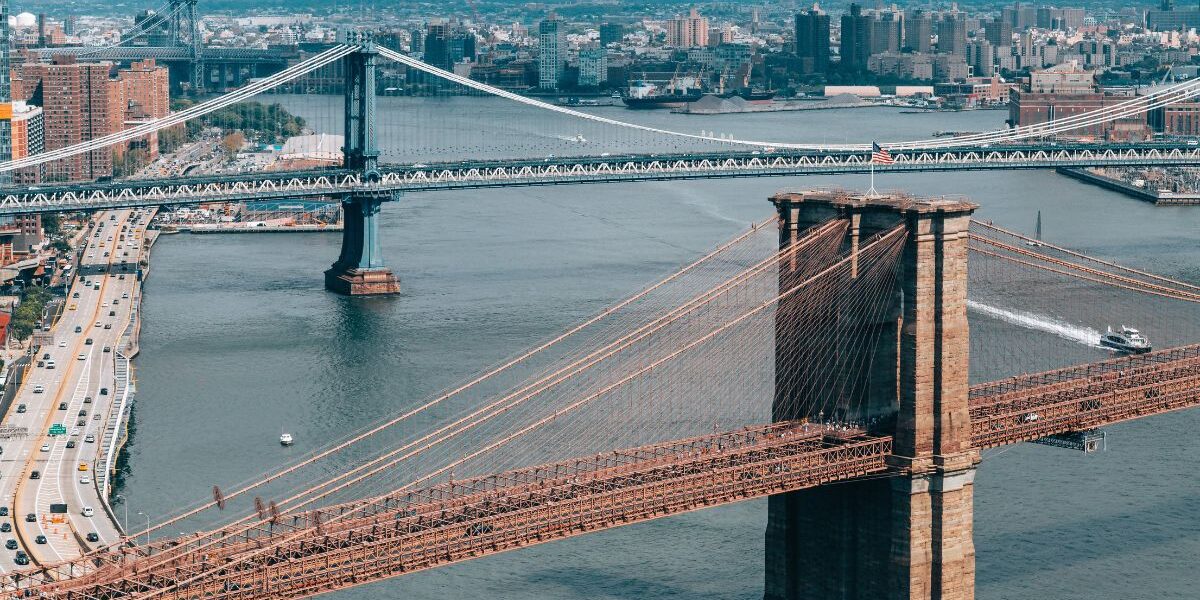
No discussion of New York City bridges is complete without mentioning the Brooklyn Bridge. Completed in 1883, it was the longest suspension bridge in the world at the time of its construction and a revolutionary feat of engineering. Its neo-Gothic towers are instantly recognizable, and its pedestrian walkway offers one of the most iconic views in the world, looking back towards the Manhattan skyline. Walking the Brooklyn Bridge is a rite of passage for many visitors, a chance to immerse themselves in history and witness the dynamic heart of the city from a unique vantage point. The bridge connects the historic neighborhoods of Brooklyn Heights and DUMBO with Lower Manhattan, making it a crucial link for both residents and tourists. The experience of traversing this marvel, with its cable patterns and panoramic vistas, is often a highlight of any New York City itinerary, offering a romantic and awe-inspiring perspective on urban life.
The Mighty George Washington Bridge
Spanning the Hudson River, the George Washington Bridge is a colossal suspension bridge that links Upper Manhattan with Fort Lee, New Jersey. Opened in 1931, its impressive scale and distinctive orange glow at night make it a commanding presence on the city’s western horizon. It’s one of the busiest bridges in the world, carrying an immense volume of vehicular traffic daily. While primarily a functional artery, the sheer engineering prowess and scale of the George Washington Bridge make it a remarkable landmark in its own right. The views from its pedestrian walkway, especially at sunset, are spectacular, offering a dramatic perspective of the city and the river. Its robust structure and daily utility underscore the critical role bridges play in the interconnectedness of the metropolitan region.
Diverse Designs and Essential Functions
Beyond the celebrated icons, New York City boasts an incredible diversity of bridge designs, each serving a specific purpose in the city’s intricate transportation network. The types of bridges found here range from the simplest beam bridges to complex suspension and cable-stayed structures, all contributing to the seamless flow of life within and between boroughs.
Bridges Connecting the Boroughs
The most critical bridges in New York City are those that connect the five boroughs: Manhattan, Brooklyn, Queens, The Bronx, and Staten Island. The Verrazzano-Narrows Bridge, for instance, is a magnificent suspension bridge that connects Brooklyn to Staten Island over the Narrows of New York Harbor. It’s one of the longest suspension bridges in the world and a crucial gateway for traffic entering New York City from the south.
Other vital connectors include the Triborough Bridge (now the Robert F. Kennedy Bridge), which links Manhattan, Queens, and The Bronx across the East River and the Harlem River. This complex of bridges, tunnels, and approaches is a testament to advanced urban planning and engineering, facilitating the movement of millions of people and goods daily.
Rail and Pedestrian Crossings
Beyond vehicular traffic, New York City is crisscrossed by numerous bridges dedicated to public transportation and pedestrian movement. The MTA operates several bridges that are essential for its rail services, allowing trains to traverse rivers and connect suburban areas to the urban core. These often less visible, but equally vital, structures are the backbone of the region’s public transit system.
Furthermore, many parks and neighborhoods feature pedestrian bridges that enhance walkability and provide safe passage over busy roadways or waterways. These can range from simple, elegant footbridges in Central Park to more robust structures designed to handle heavy foot traffic in dense urban areas. These smaller crossings, while not as grand as their vehicular counterparts, are indispensable for the quality of life and the accessibility of different parts of the city, fostering a more integrated and pedestrian-friendly urban environment. Their collective presence contributes to the overall urban tapestry, making New York City a more navigable and enjoyable place for everyone, whether they’re commuting, exploring famous landmarks, or simply enjoying a stroll through its diverse landscapes.