
The question “How many buildings are in New York City?” is one that sparks curiosity and immediately conjures images of an impossibly dense, towering urban landscape. It’s a query that delves beyond mere statistics, touching upon the very essence of what makes New York City a global icon, a hub for culture, commerce, and countless lives. While a precise, static number is notoriously difficult to pin down – given the constant cycle of construction, renovation, and demolition – we can explore the sheer scale and profound diversity of its structures. From historic brownstones to gleaming supertalls, each building contributes to the city’s inimitable character, offering a rich tapestry for travelers, residents, and urban explorers alike.
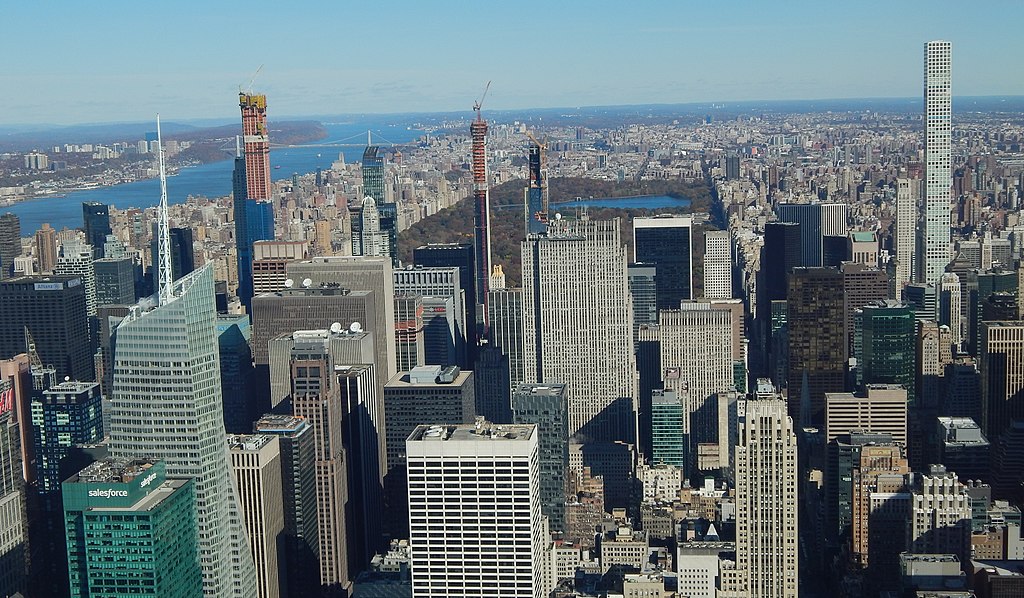
New York City is comprised of five distinct boroughs: Manhattan, Brooklyn, Queens, The Bronx, and Staten Island. Each borough possesses its own unique architectural flavor and urban fabric, contributing to the overall colossal count. The number of structures in a city this dynamic is fluid, but official estimates and urban planning data provide a fascinating insight into its colossal scale. While many casual observers might only consider the dramatic skyscrapers of Manhattan, the vast majority of New York City’s buildings are residential, spread across its diverse neighborhoods. These range from single-family homes in suburban-like enclaves on Staten Island to sprawling apartment complexes in Queens and historic rowhouses in Brooklyn.
Estimates typically place the total number of buildings in New York City well over one million structures. This encompasses everything from the smallest garden shed on a private property to the most colossal commercial towers. A more focused count on residential and commercial buildings often hovers around 800,000 to 1 million structures, depending on how “building” is precisely defined (e.g., does it include detached garages, sheds, or only primary structures?). The Department of Buildings maintains records for hundreds of thousands of active permits and millions of filings, indicating a constant state of flux. This makes New York City one of the most densely built environments in the world, a concrete jungle that never truly sleeps, perpetually evolving with new architectural innovations and historic preservation efforts. Understanding this immense number is key to appreciating the city’s intricate logistics, its vibrant economy, and the sheer scale of urban life within its boundaries.
The Urban Tapestry: Counting New York’s Structures
The task of tallying every single building in New York City is akin to trying to count grains of sand on a beach – fascinating, but ultimately an exercise in approximations. What we can do, however, is appreciate the sheer volume and variety that makes up this incredible metropolis. The city’s infrastructure is a living, breathing entity, constantly expanding and adapting.
The Elusive Number: Why a Precise Count is Challenging
The exact figure for the number of buildings in New York City remains somewhat elusive for several reasons. Firstly, there’s the definitional challenge: what constitutes a “building”? Is it any enclosed structure, or only those with foundations and permanent utilities? Secondly, the city is in a perpetual state of development. New constructions are constantly being erected, older ones are renovated, and some are inevitably demolished. This dynamism means that any snapshot count quickly becomes outdated. Municipal agencies like the Department of City Planning and the Department of Buildings track properties and permits, but their datasets are designed for administrative purposes rather than a singular, definitive public count of all structures.
Official data often categorizes properties by lot, block, and land use, rather than by individual structures. For instance, a single property lot might contain multiple smaller accessory buildings alongside a primary residence, or a sprawling commercial complex might be considered a single “building” in some contexts but comprise several distinct structures in others. Nevertheless, sophisticated mapping and GIS (Geographic Information System) technologies provide robust estimates, often citing figures ranging from 800,000 to over a million distinct buildings. This scale is what enables New York City to house over 8 million residents and host millions of visitors annually, all supported by a monumental physical infrastructure.
Beyond the Skyline: Residential, Commercial, and Public Buildings
While the dramatic skyline of Manhattan often dominates the global perception of New York City, the vast majority of its buildings serve as homes for its diverse population. Residential structures form the backbone of the city’s built environment. In Brooklyn, one can find historic brownstones and pre-war apartment buildings lining tree-shaded streets. Queens boasts a remarkable diversity, from single-family homes with yards to high-rise residential towers near transit hubs. The Bronx features a mix of Art Deco apartment complexes and more suburban-style housing. Even in Manhattan, beyond the glitzy commercial centers, residential co-ops and condos fill entire neighborhoods.
Commercial buildings are equally varied, ranging from the small storefronts that define local neighborhoods to the colossal office towers that house global corporations. These include retail spaces, restaurants, theaters, and more. Public buildings, too, are integral: schools, libraries, hospitals, fire stations, police precincts, and government offices like the United Nations Headquarters all contribute significantly to the count and the city’s functionality. This incredible array of structures means that every corner of New York City offers a unique architectural experience, reflecting different eras, economic conditions, and cultural influences. From the industrial warehouses converted into trendy loft apartments in DUMBO to the opulent Beaux-Arts structures of the Upper East Side, the city’s buildings tell stories of its past, present, and future.
Iconic Landmarks and Architectural Marvels
The global image of New York City is undeniably tied to its extraordinary architecture, particularly its world-renowned landmarks. These buildings are not just structures; they are symbols of ambition, innovation, and enduring design. Visitors flock from around the globe to witness these architectural wonders, which are often central to the city’s vibrant tourism scene.
Skyscrapers That Define the Horizon
No discussion of New York City’s buildings is complete without highlighting its magnificent skyscrapers. These towers are more than just tall buildings; they are pinnacles of human engineering and artistic expression. The iconic Empire State Building, for instance, has graced countless postcards and films, its Art Deco spire an instantly recognizable part of the Manhattan skyline since 1931. Offering breathtaking panoramic views, it remains a must-visit attraction for anyone exploring the city.
More recently, One World Trade Center rose from the ashes of tragedy to become the tallest building in the Western Hemisphere, a powerful symbol of resilience and hope. Its sleek, modern design contrasts with the classic elegance of structures like the Chrysler Building, another Art Deco masterpiece celebrated for its distinctive crown and gargoyles. These giants, alongside newer additions in districts like Hudson Yards, continually reshape the city’s profile, pushing the boundaries of vertical living and working. They are prime examples of landmarks that combine architectural prowess with significant historical and cultural narratives, making them essential stops on any New York City itinerary.
Historic Gems and Cultural Hubs
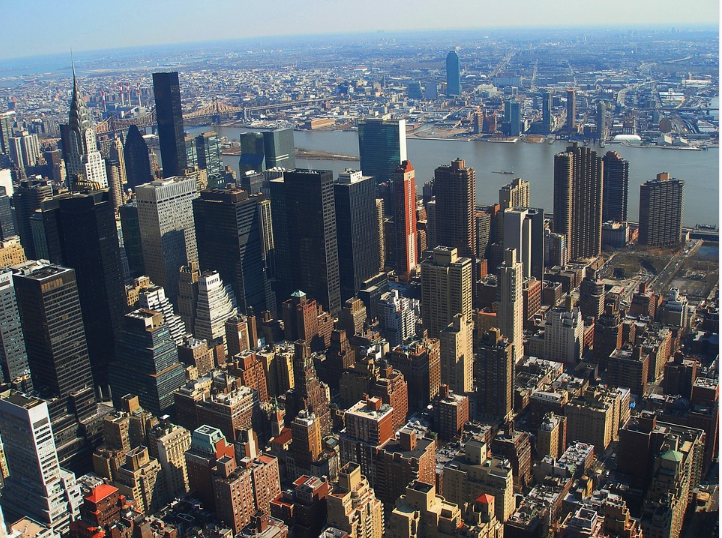
Beyond the towering giants, New York City is replete with historic gems that speak to different eras of its development. The majestic Grand Central Terminal is not merely a transportation hub but a stunning example of Beaux-Arts architecture, its celestial ceiling mural and grand concourse captivating millions daily. Nearby, Rockefeller Center is a sprawling complex of buildings that epitomizes 20th-century urban planning, famous for its Art Deco design, seasonal ice rink, and impressive public art.
Cultural institutions are often housed in equally significant buildings. The Metropolitan Museum of Art and the American Museum of Natural History, flanking Central Park, are architectural titans in their own right, their grand facades inviting visitors into worlds of art and science. The unique spiral design of the Guggenheim Museum, a Frank Lloyd Wright masterpiece, is an attraction in itself. Other historical structures, like the iconic Flatiron Building with its distinct wedge shape, and Federal Hall on Wall Street (where George Washington took his oath of office), offer tangible links to the city’s rich past. Even structures like the Brooklyn Bridge, though technically a bridge, is an architectural marvel and a landmark that has shaped the city’s connectivity and identity. These buildings are not just places to visit; they are experiences, offering insights into the city’s history, culture, and artistic spirit, often featuring guided tours and educational programs.
New York City’s Buildings and the Visitor Experience
The sheer number and variety of buildings in New York City profoundly shape the visitor experience, dictating everything from where one stays to how one navigates and explores the city. For tourists, the urban fabric itself becomes a major attraction, a constant backdrop to adventures and discoveries.
Accommodation: From Boutique Hotels to Luxury Stays
With hundreds of thousands of buildings, it’s no surprise that New York City offers an unparalleled range of accommodation options. From budget-friendly hostels to ultra-luxury resorts, the city caters to every traveler’s need and preference. Travelers can choose to stay in iconic landmark hotels such as The Plaza Hotel, known for its opulent interiors and prime location overlooking Central Park. For those seeking modern luxury with breathtaking views, hotels like Mandarin Oriental New York offer an exquisite experience. Historic elegance can be found at establishments like The St. Regis New York, known for its impeccable service and classic design.
Beyond these grand hotels, the city is dotted with countless boutique hotels housed in architecturally interesting buildings, often converted from older commercial or residential structures. For example, The High Line Hotel is set in a former seminary, blending Gothic architecture with contemporary comfort. The Standard, High Line, with its distinctive Brutalist design, offers hip accommodations right above the elevated park. Apartment hotels and long-term stay options are also abundant, appealing to business travelers and families seeking a more home-like experience. The choice of accommodation often defines a trip, placing visitors directly amidst the architectural character of Greenwich Village, the bustling energy of Times Square, or the upscale charm of Fifth Avenue. Each building, regardless of its primary function, contributes to the overall allure and logistical possibilities for tourism in the city.
Exploring Diverse Neighborhoods Through Their Architecture
The architectural diversity of New York City is best experienced by exploring its distinct neighborhoods, each characterized by its unique built environment. Walking through areas like SoHo reveals charming cast-iron buildings, once industrial, now housing high-end boutiques and art galleries. This architectural style, unique for its intricate metalwork, tells a story of late 19th-century manufacturing and subsequent urban renewal. In contrast, Harlem showcases beautiful brownstones and historic churches, reflecting its rich cultural heritage and a proud legacy of African American history and art.
The revitalized industrial landscape along the High Line in Chelsea, with its mix of converted warehouses and striking modern structures, exemplifies adaptive reuse and innovative urban design. The journey from the pre-war grandeur of Park Avenue’s residential towers to the bustling, eclectic streetscapes of the Lower East Side offers a masterclass in urban evolution. Even within a single borough like Brooklyn, one can traverse from the elegant Victorian homes of Park Slope to the cutting-edge architecture in Downtown Brooklyn, illustrating the vast range of building types. This architectural exploration is a form of cultural immersion, revealing the layers of history, social change, and creative spirit that have shaped New York City over centuries. Many tours specialize in architectural themes, allowing visitors to delve deeper into the stories behind the facades of the city’s countless buildings.
The Lifestyle Woven Into NYC’s Architecture
The buildings of New York City are not merely shells; they are integral to the lifestyle of its residents and visitors. They define how people live, work, socialize, and move through one of the world’s most dynamic urban centers. The sheer density and variety of structures dictate everything from privacy to community engagement, from daily commutes to leisure activities.
Daily Life and the Urban Landscape
For millions of New Yorkers, daily life is inextricably linked to the city’s architectural fabric. Apartment buildings, whether pre-war walk-ups or modern high-rises, are central to the urban residential experience. The proximity of residential buildings to commercial ones means that a vast array of services, shops, and restaurants are often just a short walk away, fostering a pedestrian-friendly lifestyle that is a hallmark of New York City. The ground floors of many buildings are dedicated to retail, cafes, and eateries, creating vibrant streetscapes that encourage community interaction and spontaneous encounters. Public spaces like Central Park and the High Line are framed by these buildings, offering vital green escapes amidst the concrete.
Moreover, iconic structures also serve as everyday backdrops. Commuters pass Grand Central Terminal on their way to work, office workers look out at the Empire State Building, and residents frequent cultural institutions like the Museum of Modern Art. Even seemingly mundane structures like the historic Tenement Museum on the Lower East Side provide profound insights into the living conditions and immigrant experience that shaped the city’s working-class population. The buildings also house critical infrastructure, from power plants to subway stations, which silently support the complex dance of urban life. This intricate relationship between people and their built environment defines the unique rhythms and challenges of living in New York City.
Sustainability and the Future of NYC’s Buildings
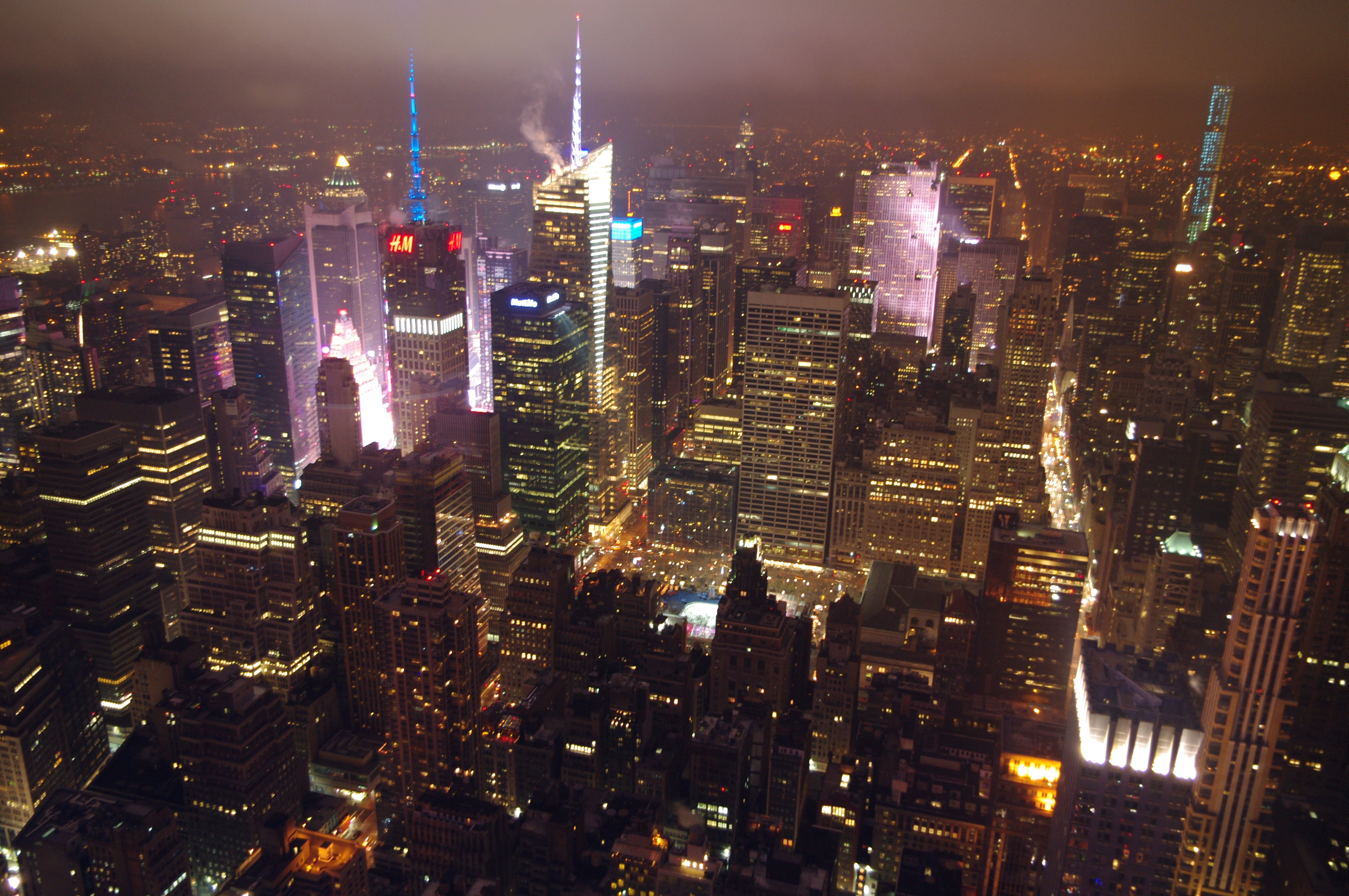
As a city with such an immense number of buildings, New York City faces significant challenges and opportunities in sustainability. The energy consumption of its buildings is enormous, making efforts to green the urban landscape a top priority. Initiatives focus on retrofitting older buildings with energy-efficient systems, incorporating green roofs, and designing new constructions to meet stringent environmental standards. The city has ambitious goals to reduce carbon emissions, and much of this hinges on transforming its existing building stock and ensuring sustainable practices for new developments.
Architectural trends in New York City also reflect a forward-looking vision. There’s a growing emphasis on mixed-use developments that integrate residential, commercial, and public spaces, reducing the need for extensive travel. The rise of supertalls, while controversial to some, often incorporates advanced materials and smart technologies to maximize efficiency and minimize environmental impact. Projects like the redevelopment of former industrial zones, such as the areas around Chelsea Market and the Hudson Yards complex, showcase how urban planning and architectural innovation can transform dilapidated areas into vibrant, sustainable communities. The future of New York City’s countless buildings lies in balancing historical preservation with cutting-edge design, ensuring that this urban marvel continues to thrive sustainably for generations to come, a testament to its enduring adaptability and vision.
In conclusion, while the precise number of buildings in New York City may remain a dynamic figure, estimates consistently point to a staggering count well into the hundreds of thousands, potentially exceeding one million. This colossal array of structures — from humble homes to towering landmarks, from historic brownstones to avant-garde skyscrapers — forms the very foundation of its identity. These buildings are not just static entities; they are living components of a city that constantly reinvents itself, shaping its diverse neighborhoods, influencing its vibrant tourism, and defining the unique lifestyle of its inhabitants. For anyone exploring New York City, whether a first-time visitor or a lifelong resident, every building tells a story, contributing to the rich, complex, and endlessly fascinating urban tapestry that is arguably the greatest city in the world.
LifeOutOfTheBox is a participant in the Amazon Services LLC Associates Program, an affiliate advertising program designed to provide a means for sites to earn advertising fees by advertising and linking to Amazon.com. Amazon, the Amazon logo, AmazonSupply, and the AmazonSupply logo are trademarks of Amazon.com, Inc. or its affiliates. As an Amazon Associate we earn affiliate commissions from qualifying purchases.