
When planning a culinary adventure through the vibrant landscape of New York City, or simply indulging in its iconic flavors, understanding the nutritional profile of classic dishes is a key aspect of the experience. The New York Strip steak, a beloved staple in steakhouses across the city, from the historic Keens Steakhouse to the modern elegance of Peter Luger Steak House, offers a delectable taste of Americana. However, for many travelers and food enthusiasts, the question of its caloric content arises, especially for those mindful of their dietary intake while exploring the city’s gastronomic delights. This exploration delves into the calorie count of a New York Strip, considering various preparation methods and common accompaniments, to provide a comprehensive understanding for discerning diners.
Understanding the Nutritional Baseline of a New York Strip
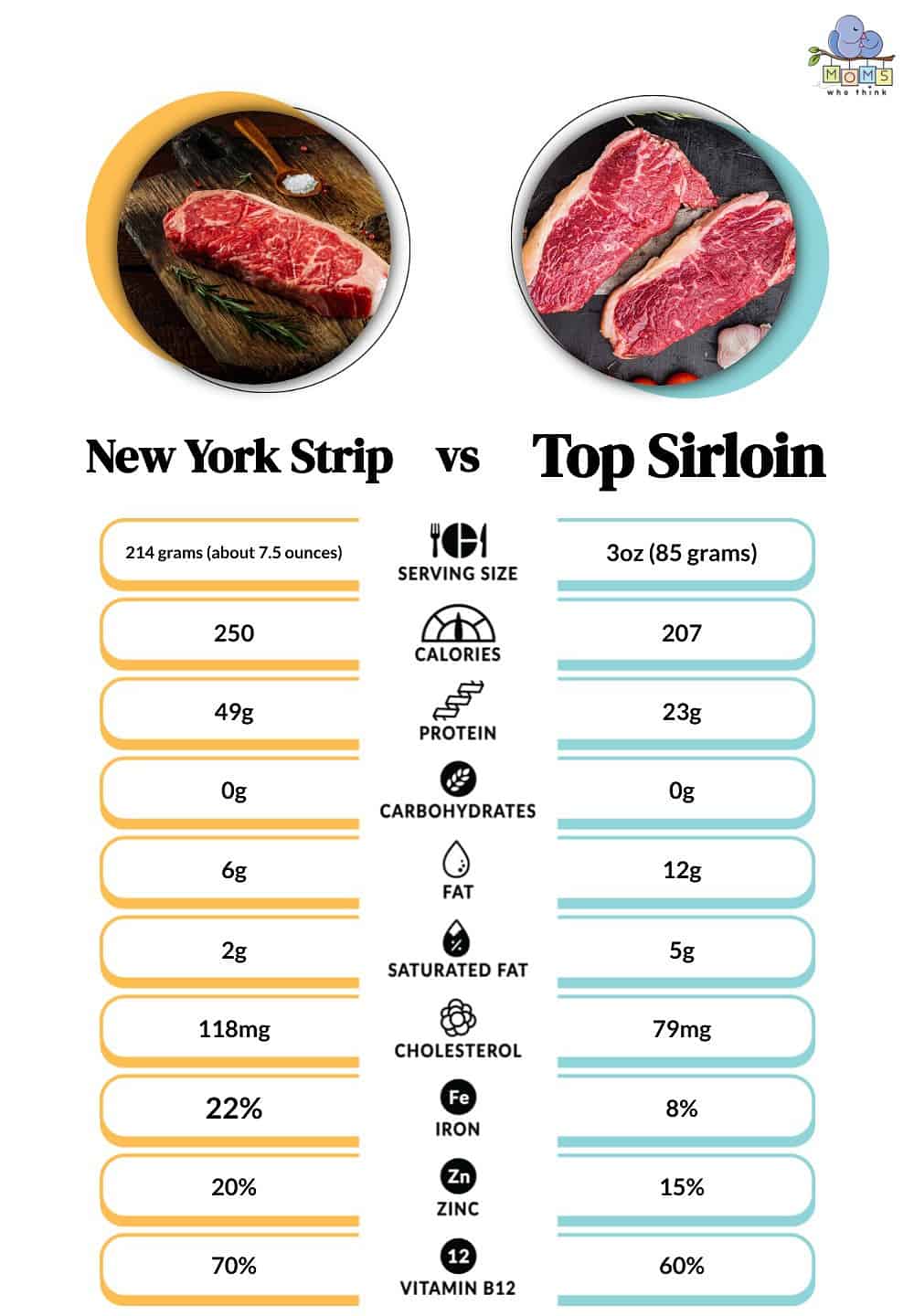
The New York Strip steak, also known as the Kansas City Strip, Strip Loin, or just “Strip,” is renowned for its rich marbling, tender texture, and robust beefy flavor. It is a sub-primal cut from the short loin of the cow, prized for its balance of leanness and flavor. The intrinsic caloric value of the steak itself is influenced by several factors, most notably the size of the cut and its fat content.
The Cut and Its Marbling
A standard serving of New York Strip, typically around 6 ounces (approximately 170 grams), unadorned and cooked without added fats, provides a foundational caloric estimate. The inherent marbling – the intramuscular fat – is a primary determinant of its calorie count. More marbling means a richer flavor, a more tender bite, and, consequently, a higher calorie count. A typical 6-ounce cooked New York Strip steak, grilled or broiled to medium-rare, can range from approximately 350 to 500 calories. This range accounts for variations in the breed of cattle, their diet, and the specific trimming practices of the butcher. The lean muscle fibers are interspersed with streaks of fat, which render during cooking, contributing to both flavor and juiciness.
Cooking Methods and Their Caloric Impact
The way a New York Strip is prepared significantly alters its final caloric load. Simple grilling or broiling, which allows excess fat to drip away, is generally the leanest cooking method. However, many culinary preparations involve additional fats, which can substantially increase the calorie count.
Pan-Searing with Butter and Oil
Pan-searing a New York Strip is a popular method that builds a beautiful crust. When this process involves generous amounts of butter and oil, the caloric impact is notable. A tablespoon of butter contains roughly 100 calories, and a tablespoon of oil (like olive or vegetable oil) adds another 120 calories. If a steak is seared using two tablespoons of butter or oil, this alone can add 200-240 calories to the dish, on top of the steak’s intrinsic calories. Often, chefs will baste the steak with the melted butter, further infusing it with fat.
Sauces and Marinades
The embellishments applied to a New York Strip can be calorie powerhouses. Many classic steak sauces, such as béarnaise, peppercorn sauce, or mushroom cream sauce, are rich in butter, cream, and other high-calorie ingredients. A serving of béarnaise sauce, for example, can easily add 150-250 calories. Even seemingly simple marinades, if they contain oil or sugar, will contribute to the overall calorie count. Opting for lighter preparations like a herb-infused oil or a simple pan reduction can help keep calories in check.
Portion Sizes and Restaurant Variations
Portion sizes in restaurants can vary dramatically. While a standard 6-ounce steak is a common benchmark, many establishments, especially in a culinary mecca like New York City, serve larger cuts. A 10-ounce or even a 12-ounce steak will, of course, contain proportionally more calories. It’s also worth noting that the “average” calorie count often assumes a certain level of fat trimming. A steak ordered “untrimmed” will naturally have more calories. Understanding the weight of the steak and requesting specific preparation methods can empower diners to make informed choices.
Accompanying Dishes: The Calorie Multiplier

The New York Strip is rarely consumed in isolation. The side dishes and appetizers chosen to complement the steak can dramatically increase the total calorie count of the meal, sometimes even surpassing that of the steak itself. Navigating a steakhouse menu requires a keen eye for these caloric additions.
Classic Steakhouse Sides
Steakhouse staples are often indulgent and calorie-dense. Creamed spinach, loaded with heavy cream and butter, can add 200-300 calories per serving. Mashed potatoes, especially when prepared with butter and cream, can range from 300-500 calories. French fries, a universally popular accompaniment, are deep-fried and can easily contribute 400-600 calories. Even seemingly healthier options like roasted vegetables can become high-calorie dishes if they are coated in generous amounts of oil or butter.
Starters and Appetizers
The dining experience often begins with appetizers. A classic shrimp cocktail, while relatively light, can still add 100-150 calories. However, options like loaded potato skins, fried calamari, or cheese-laden dips can quickly push the appetizer course to 500-800 calories or more. These initial indulgences, consumed before the main course, can set a high baseline for the entire meal.
Beverages and Desserts
The caloric impact of a meal extends beyond the solid food. Beverages can be surprisingly high in calories, particularly sugary sodas, cocktails, and sweet wines. A rich dessert, a common finale to a steakhouse experience, can easily add another 500-1000 calories. Tiramisu, cheesecake, or a molten chocolate cake are delicious but calorically significant choices. For those aiming to manage their calorie intake, opting for water, unsweetened tea, or a lighter dessert alternative becomes crucial.
Making Informed Choices for a Balanced Experience
Embarking on a culinary journey, whether in the bustling streets of Times Square or the refined dining rooms of Manhattan’s finest establishments, does not necessitate abandoning dietary awareness. Understanding the caloric composition of dishes like the New York Strip allows for conscious decision-making, enabling one to savor the experience without compromising personal health goals.
Navigating Menus and Making Substitutions
Many restaurants, especially those in major tourist destinations like New York City, are increasingly accommodating to dietary needs and preferences. Don’t hesitate to ask your server about preparation methods. Inquire if the steak can be grilled or broiled with minimal added fat, or if sauces can be served on the side. Similarly, for side dishes, ask for steamed vegetables instead of creamed ones, or baked potato instead of fries. Simple substitutions can significantly reduce the overall calorie count of your meal.
Portion Control and Sharing
Consider the portion size. If you are not particularly hungry or are trying to limit your intake, a 6-ounce portion is a wise choice. Alternatively, consider ordering a larger steak and splitting it with a dining companion. This allows you to enjoy the flavor and texture without overconsumption. Sharing appetizers and desserts can also be an effective strategy for enjoying a variety of tastes while managing calories.
The Role of Leaner Cuts and Healthier Preparations
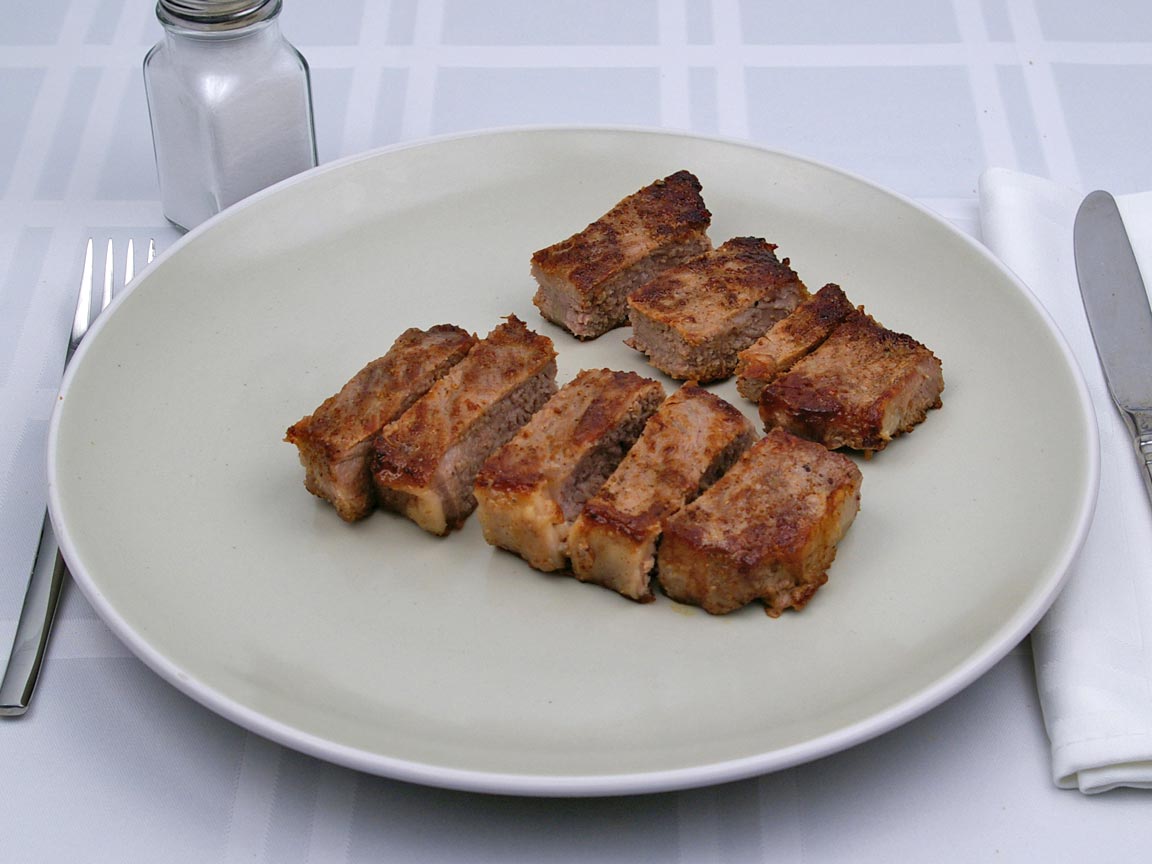
While the New York Strip is undeniably a popular and delicious choice, it’s worth noting that other steak cuts are leaner. For instance, a filet mignon, while often more expensive, generally has less marbling and therefore fewer calories per ounce. If the primary concern is calorie reduction, exploring these alternatives might be beneficial. Furthermore, embracing simpler preparations, such as a steak simply seasoned and grilled, allows the natural flavor of the beef to shine through, often requiring fewer high-calorie additions. Even when dining out, the goal can be to find that perfect balance between indulgence and mindful consumption, ensuring every culinary exploration contributes positively to the travel experience.
LifeOutOfTheBox is a participant in the Amazon Services LLC Associates Program, an affiliate advertising program designed to provide a means for sites to earn advertising fees by advertising and linking to Amazon.com. Amazon, the Amazon logo, AmazonSupply, and the AmazonSupply logo are trademarks of Amazon.com, Inc. or its affiliates. As an Amazon Associate we earn affiliate commissions from qualifying purchases.