
The Golden State, California, is synonymous with endless sunshine, breathtaking natural beauty, and a vibrant tapestry of cultures. From the iconic beaches of the south to the towering redwoods of the north, it offers an unparalleled diversity that attracts millions of travelers, dreamers, and innovators. But beyond its vast landscapes and world-famous landmarks, a fundamental question often arises for those seeking to understand its intricate urban fabric: How many cities are in California? The answer, while seemingly straightforward, unravels into a fascinating exploration of municipal governance, urban development, and the unique character that defines each community within this sprawling state. For anyone planning a trip, considering a move, or simply curious about California’s organizational structure, understanding its cities is key to unlocking its full potential as a travel destination and a place to live.
Decoding California’s Municipal Landscape
California’s urban environment is a complex and dynamic system, far more intricate than a simple numerical count might suggest. The state’s cities range from global megacities that shape international trends to charming small towns that preserve a bygone era. To truly grasp the number of cities, it’s essential to understand the underlying definitions and distinctions that govern municipal entities in California.
The Official Count: A Dynamic Number
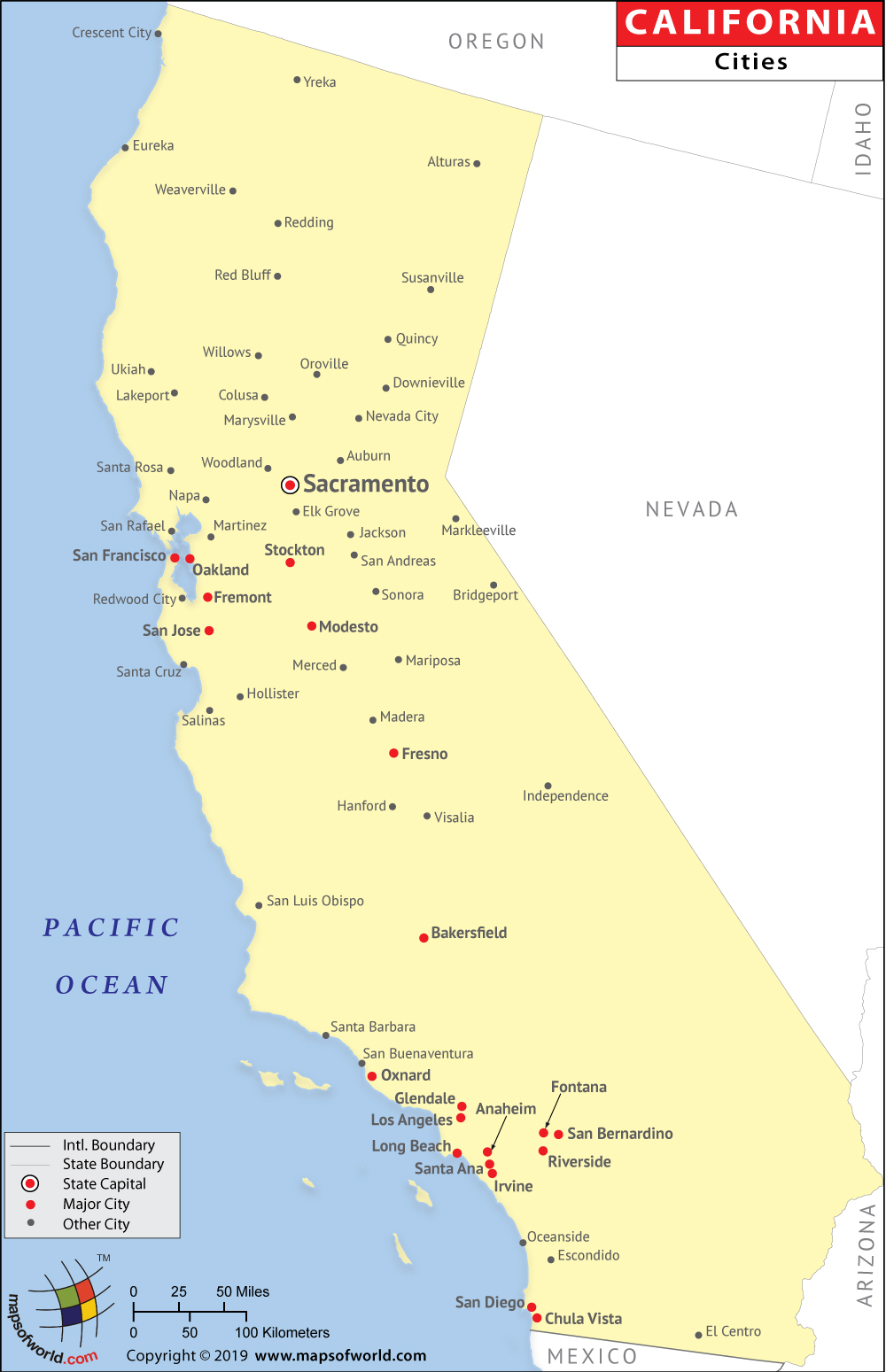
As of early 2024, California boasts approximately 482 incorporated cities. This number is not static; it can fluctuate as new communities vote to incorporate, or, less commonly, as cities disincorporate or merge. An incorporated city is a municipality that has been granted a charter by the state, giving it the authority to govern itself, levy taxes, and provide services such as police, fire protection, and public works to its residents. This process of incorporation is often driven by a community’s desire for greater local control and tailored services. Organizations like the League of California Cities play a crucial role in supporting these municipalities, advocating for their interests at the state level and providing resources for effective governance. Additionally, the California State Association of Counties (CSAC) works alongside cities, as many services and responsibilities are shared or coordinated between county and city governments.
It’s vital to distinguish incorporated cities from other types of settlements. California is also home to thousands of unincorporated communities and census-designated places (CDPs). These areas, while often densely populated and possessing distinct identities, fall under the direct jurisdiction of their respective counties rather than having their own municipal governments. They might have a post office and a recognized name, but they don’t have a city council or mayor. This distinction is important for travelers, as amenities and local regulations can differ significantly between an incorporated city and an unincorporated area, impacting everything from hotel taxes to specific zoning laws for vacation rentals.
Beyond the Numbers: The Spectrum of Urban Life
While the official count provides a numerical answer, it only scratches the surface of California’s urban diversity. The state’s cities represent a vast spectrum of sizes, economies, cultures, and lifestyles. At one end, you have behemoths like Los Angeles, a sprawling metropolis that serves as a global center for entertainment, technology, and trade, home to millions. At the other, there are charming small towns with populations in the low thousands, often nestled in agricultural valleys or along scenic coastlines, preserving a slower pace of life and unique local traditions.
This diversity means that a “city experience” in California can mean vastly different things. It could be the high-octane energy of Hollywood, the serene beauty of a Napa Valley town, or the historical charm of Old Sacramento State Historic Park. Each city, regardless of its size, contributes to the rich cultural tapestry of the state, offering unique attractions, culinary scenes, and community vibes that appeal to different types of travelers and residents. Understanding this spectrum is crucial for anyone planning to explore the Golden State, allowing them to tailor their adventures to match their desired experiences and lifestyle preferences.

A Journey Through California’s Diverse Urban Centers
The sheer number and variety of cities in California mean that there’s a destination for every taste, whether you’re seeking bustling urban adventures, tranquil coastal retreats, or a dive into the heart of agricultural innovation. Exploring these distinct regions and their characteristic cities highlights the incredible breadth of experiences the state offers.
Southern California’s Iconic Metropolises and Coastal Gems
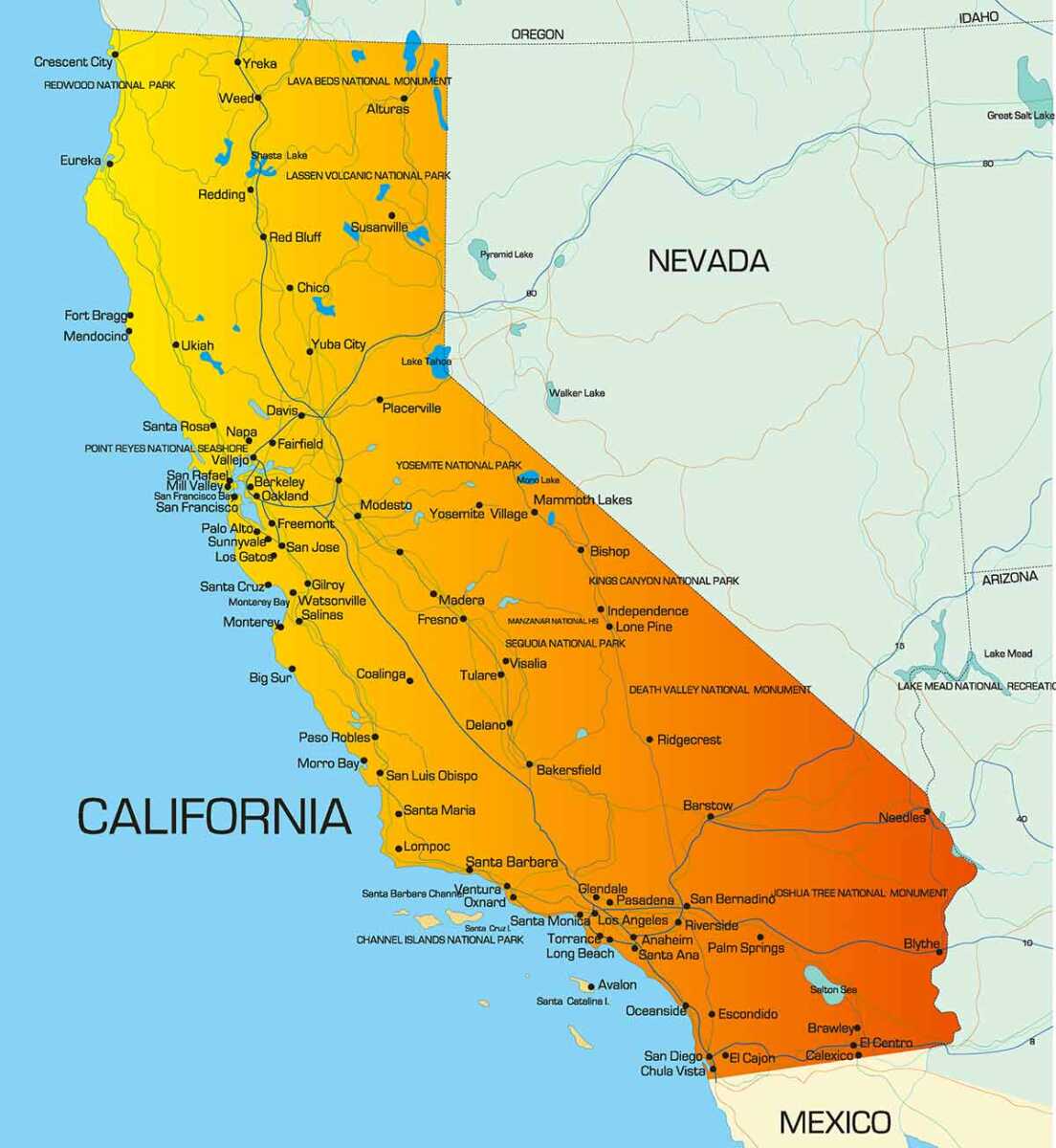
Southern California is arguably the most famous region, boasting some of the state’s largest cities and most iconic landmarks. Los Angeles is the undisputed titan, a city of neighborhoods each with its own identity. From the star-studded streets of Beverly Hills, where luxury hotels like The Beverly Hills Hotel cater to an exclusive clientele, to the vibrant boardwalks of Santa Monica and the entertainment capital of Hollywood, LA is a mosaic of experiences. A short drive away, Anaheim is home to the world-renowned Disneyland Resort, making it a quintessential family travel destination with a plethora of accommodation options, from grand hotels to budget-friendly suites.
Further south, San Diego offers a more laid-back vibe with its stunning coastline, historic sites, and vibrant culture. Visitors flock to Balboa Park, a sprawling urban cultural park, and the lively Gaslamp Quarter for dining and nightlife. Across the bay, the idyllic city of Coronado boasts pristine beaches and charming resorts. Beyond these major hubs, Palm Springs emerges as a desert oasis, famed for its mid-century modern architecture, golf courses, and luxurious resort stays, attracting those seeking relaxation and upscale lifestyle experiences. Along the central coast, Santa Barbara charms with its Spanish colonial architecture, wine-tasting rooms, and the historic Stearns Wharf, offering a blend of culture, culinary delights, and oceanfront beauty.
Northern California’s Tech Hubs, Cultural Capitals, and Wine Country Retreats
Northern California presents a different flavor, characterized by innovation, bohemian spirit, and world-class wine regions. San Francisco stands as a global icon, instantly recognizable by the Golden Gate Bridge. This compact city is a treasure trove of attractions, from the historic Alcatraz Island to the bustling Fisherman’s Wharf and the vibrant neighborhoods offering unique boutique hotels and diverse culinary experiences.
Just south lies San Jose, the heart of Silicon Valley, a hub of technological innovation and a key destination for business travel and modern lifestyle tourism. Its neighbor, Oakland, boasts a burgeoning arts scene, diverse culinary landscape, and revitalized waterfront. The state capital, Sacramento, offers a rich history visible in its well-preserved Old Sacramento State Historic Park, alongside a growing farm-to-fork dining scene.
Further north, the renowned Napa Valley and Sonoma County beckon wine enthusiasts and luxury travelers. Cities like Napa, Yountville, and St. Helena in Napa Valley, along with Sonoma in Sonoma County, offer exquisite wineries, gourmet dining, and luxurious resorts, epitomizing a refined travel lifestyle focused on gastronomy and relaxation.
Central California’s Hidden Gems and Natural Gateways
Often overlooked in favor of its more famous northern and southern counterparts, Central California offers its own distinct charm, serving as a gateway to stunning natural parks and home to burgeoning agricultural and cultural centers. Fresno, one of the largest cities in the Central Valley, is a hub for the state’s agricultural industry and a convenient base for exploring magnificent national parks like Yosemite National Park, Sequoia National Park, and Kings Canyon National Park.
Along the central coast, cities like Monterey and Carmel-by-the-Sea provide picturesque coastal experiences. Monterey is famous for its Monterey Bay Aquarium and historic Cannery Row, offering rich marine life encounters and cultural insights. Just south, Carmel-by-the-Sea is a storybook village known for its art galleries, charming cottages, and pristine white sand beach. Nearby, the renowned Pebble Beach community offers world-class golf and luxurious accommodation, making it a premier destination for golf enthusiasts and luxury travelers. Further inland, Paso Robles has emerged as a vibrant wine region, often described as Napa Valley’s rustic counterpart, with a growing number of wineries, olive groves, and a relaxed, authentic California lifestyle.
Planning Your California City Adventure: Accommodation and Experiences
Navigating California’s myriad cities requires thoughtful planning, especially when it comes to choosing the right accommodation and maximizing your urban exploration. With such a vast array of options, understanding how to tailor your trip will enhance your overall experience.
Tailoring Your Stay: From Luxury Resorts to Boutique Apartments
Accommodation choices in California’s cities are as diverse as the cities themselves. For those seeking opulence and indulgence, the state boasts an impressive collection of luxury resorts and hotels. From beachfront havens like the Ritz-Carlton, Laguna Niguel in Southern California to elegant wine country estates in Napa Valley, high-end options cater to a luxury travel lifestyle, offering gourmet dining, spa services, and unparalleled amenities.
However, not all travel is about lavish spending. Budget-conscious travelers will find a wide range of affordable motels, hostels, and value-oriented hotels, particularly outside the prime tourist zones. For families, business travelers, or those planning longer stays, vacation rentals such as apartments, villas, and even long-term stay hotels offer the comforts of home, often with kitchens and more living space. Boutique hotels, unique in their design and personalized service, provide a distinct charm for travelers looking for a more intimate and locally infused experience. When booking, always consult online reviews and comparison sites to find the best fit for your needs and ensure quality. Whether you’re planning a romantic getaway, a solo adventure, or a multi-generational family trip, California’s cities have an accommodation solution to match your lifestyle.
Maximizing Your Urban Exploration: Culture, Cuisine, and Activities
Once your accommodation is sorted, the real fun begins: exploring the rich cultural, culinary, and activity offerings of California’s cities. Each city presents a unique blend of local culture, from world-class museums and art districts in Los Angeles and San Francisco to vibrant community festivals celebrating diverse ethnic heritages. Delving into the local food scene is a must. California is a global leader in farm-to-table dining, and its cities offer everything from Michelin-starred restaurants pushing culinary boundaries to authentic street food stalls serving up delicious, diverse ethnic cuisine. Don’t miss the chance to explore local farmers’ markets for fresh produce and artisan goods, especially in agricultural regions around cities like Fresno or Sacramento.
Beyond food and culture, the range of activities is immense. Coastal cities like San Diego, Santa Monica, and Monterey offer beautiful beaches, water sports, and marine life encounters. Inland, many cities serve as gateways to incredible hiking trails and outdoor adventures in nearby national parks and forests. Theme parks, like Disneyland Resort in Anaheim, provide world-class entertainment for all ages. Nightlife, from sophisticated cocktail lounges in San Francisco to lively clubs in the Gaslamp Quarter of San Diego, ensures that the fun continues after sunset. When navigating these urban centers, consider using California’s extensive public transport networks in larger cities, or renting a car for flexibility, especially when exploring multiple destinations or regions.
The Enduring Allure of California’s Cities
In conclusion, while the simple answer to “How many cities are in California?” hovers around 482 incorporated municipalities, the true essence lies in the unparalleled diversity and dynamic character of each one. From the sprawling urban might of Los Angeles to the historic charm of Carmel-by-the-Sea, these cities collectively weave the rich tapestry that defines the Golden State. Each city offers a unique blend of history, culture, and modern amenities, appealing to every kind of traveler and lifestyle. Whether you’re seeking luxury accommodations, family-friendly adventures, business opportunities, or a deep dive into local culture and cuisine, California’s urban centers provide an endless array of possibilities. Exploring these vibrant destinations is not just about counting them, but about experiencing the distinct personality and enduring allure that makes each California city a memorable part of this extraordinary state. Plan your visit, and discover your own favorite corners of California’s incredible urban landscape.
LifeOutOfTheBox is a participant in the Amazon Services LLC Associates Program, an affiliate advertising program designed to provide a means for sites to earn advertising fees by advertising and linking to Amazon.com. Amazon, the Amazon logo, AmazonSupply, and the AmazonSupply logo are trademarks of Amazon.com, Inc. or its affiliates. As an Amazon Associate we earn affiliate commissions from qualifying purchases.