
The State of New York, often dubbed the Empire State, is a land of unparalleled diversity, from the bustling global metropolis of New York City to the tranquil wilderness of the Adirondack Mountains. For travelers and residents alike, understanding its intricate municipal structure is key to appreciating its unique character. The question “How many cities are in the State of New York?” seems straightforward, yet it opens the door to a fascinating exploration of local governance, distinct cultures, and an incredible array of travel destinations. While New York City often overshadows the rest, the state boasts a vibrant collection of cities, each with its own history, attractions, and lifestyle offerings that cater to every type of visitor, from luxury seekers to budget-conscious adventurers.
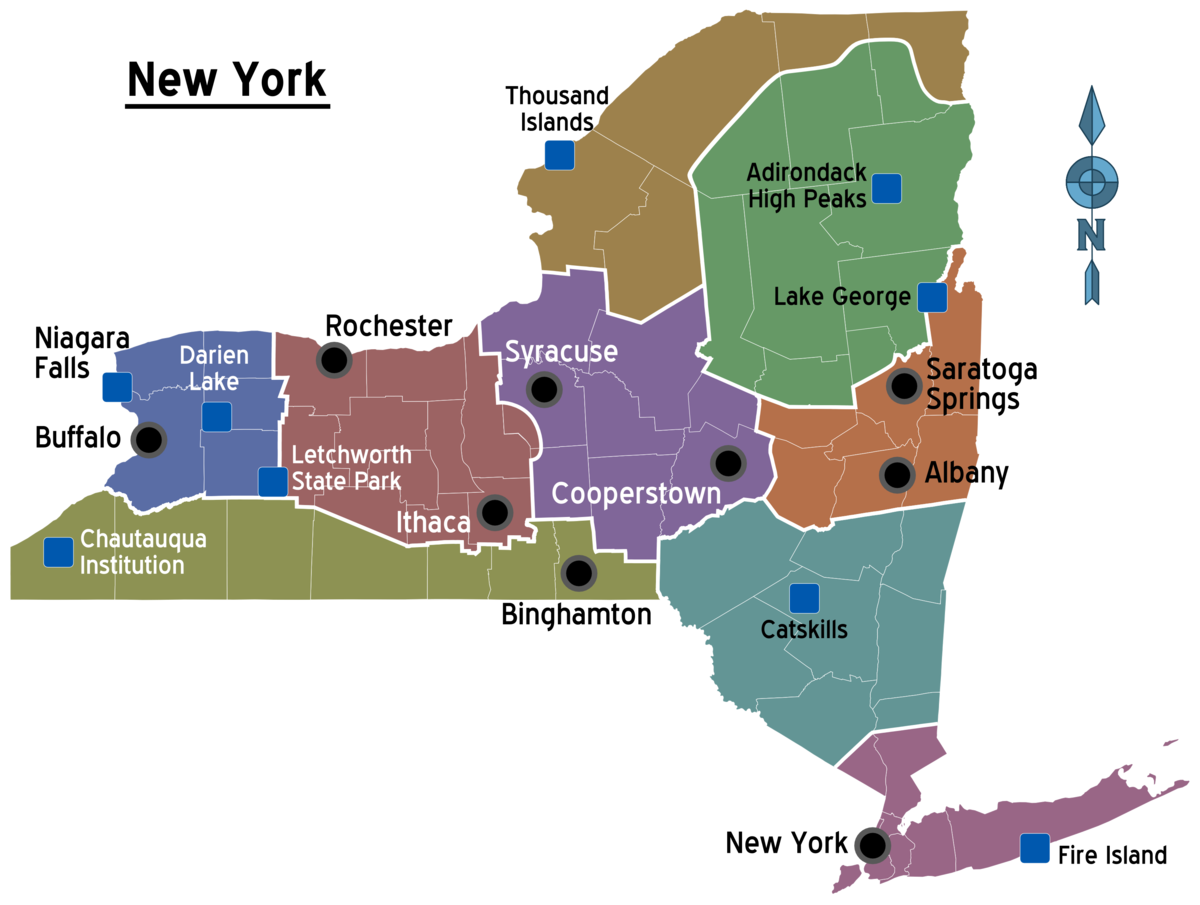
The official count might surprise some, especially those unfamiliar with the state’s legal framework. As of the latest figures, there are precisely 62 cities within the State of New York. This number, while definitive, only tells part of the story. To truly grasp the essence of New York‘s urban landscape, one must delve into the nuances of what defines a “city” in this particular state, differentiate it from other municipal entities like towns and villages, and then explore the rich tapestry of experiences each of these urban centers offers. From world-class museums and iconic landmarks to charming local eateries and serene parks, these 62 cities, along with countless towns and villages, form the backbone of a travel experience that is as diverse as it is unforgettable.
Understanding New York’s Municipal Landscape
The administrative structure of the State of New York is unique and can often be a source of confusion for those accustomed to other state systems. Unlike many other states where “city” might simply denote a large urban area, in New York, it’s a specific legal designation that grants a municipality a particular form of self-governance and distinct powers.
The Definition of a “City” in New York State
In New York, a “city” is a highly autonomous municipal corporation that has received its charter directly from the state legislature. This charter grants cities a broad range of powers, including the ability to levy taxes, enact their own laws (ordinances), provide extensive public services, and manage their own affairs with a significant degree of independence from the county government in which they are located. There is no minimum population requirement to achieve city status, which is a common misconception. Instead, it’s a legislative act that officially incorporates a municipality as a city. This process historically allowed communities to gain greater control over their development and service provision as they grew in size and complexity.
This contrasts sharply with the structure in many other states, where cities might be defined simply by population thresholds or are a subordinate part of a county government. The independent nature of New York cities contributes to their distinct identities and often allows them to develop unique local cultures and economies, making each a fascinating destination for travelers interested in local culture, food, and specific activities. Whether you’re seeking a bustling metropolitan experience or a historic district with a charm of its own, understanding this definition helps appreciate the unique character of each of New York’s 62 cities.
Distinguishing Cities from Towns and Villages
Beyond cities, the State of New York is also comprised of towns and villages, each with its own role and characteristics. This three-tiered system is fundamental to the state’s governance and spatial organization.
Towns are the primary administrative divisions of counties. Every inch of land in New York State (outside of the 62 cities and Native American reservations) is located within a town. Towns provide basic services like highway maintenance, property assessment, and zoning. They can be quite large geographically and may encompass several hamlets or even villages. For example, the Town of North Elba contains the famous Village of Lake Placid.
Villages are typically smaller, more densely populated areas located within towns. A village is an incorporated municipality that provides specific services (like police, water, and sewer) to its residents, which are often more comprehensive than those provided by the surrounding town. Residents of a village pay taxes to both the village and the town. Villages are often the quaint, picturesque communities that draw tourists seeking a specific atmosphere, such as the historic charm of Cooperstown or the artsy vibe of Woodstock. These destinations, while not cities, are often major tourist attractions with their own unique accommodations, from boutique hotels to charming bed and breakfasts, offering distinct experiences from the larger urban centers.
This distinction is crucial for travelers. Many of New York’s most iconic destinations, like Saratoga Springs or Ithaca, are indeed cities, offering a blend of urban amenities and local charm. However, equally famous spots, such as the aforementioned Lake Placid or the historic Sleepy Hollow, are villages, providing a different scale of experience. Understanding this hierarchy helps in planning trips, as the availability of services, types of accommodations, and local regulations can vary significantly between these municipal types.
The Official Count: A Closer Look at New York State’s Cities
As established, the State of New York is home to 62 official cities. These urban centers are spread across the state, each serving as a hub of commerce, culture, and community for its respective region. From the global financial powerhouse that is New York City to smaller, historically rich cities nestled in the Hudson Valley or along the Great Lakes, these cities collectively offer an unparalleled spectrum of experiences for travelers.
Geographic Distribution and Diversity
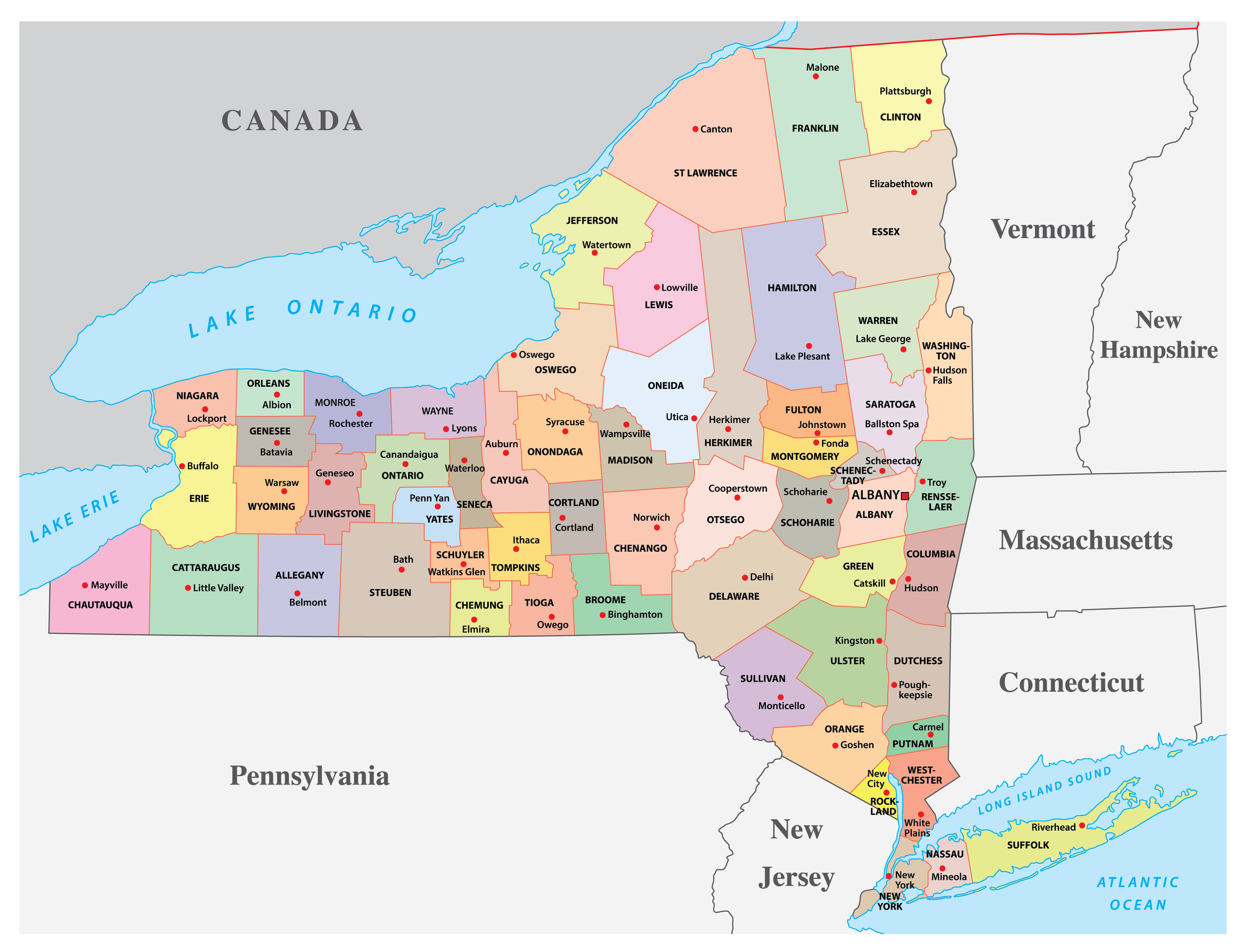
The 62 cities are not evenly distributed across the state but are clustered in areas of historical significance, industrial development, or strategic geographic location. The largest concentration, of course, is New York City itself, a behemoth that stands alone in terms of scale and influence. The rest are scattered throughout the state, from the western border with Pennsylvania and Canada to the eastern reaches bordering Vermont and Massachusetts, and south to the Atlantic Ocean.
This geographic spread contributes to the incredible diversity of experiences. You can find rust belt cities grappling with post-industrial transitions, quaint colonial cities preserving centuries of history, and vibrant college towns pulsating with youthful energy. Each city offers a unique glimpse into the fabric of American life, making the State of New York a microcosm of varied landscapes, economies, and cultures, perfect for extensive travel and exploration.
Highlighting Key Cities and Their Allure
While every city in New York has its own story, some stand out as major destinations or regional anchors, drawing visitors with their unique attractions, accommodations, and lifestyle offerings.
New York City: The undisputed gem of the Empire State and a global icon, New York City is actually a collection of five boroughs – Manhattan, Brooklyn, Queens, The Bronx, and Staten Island – each large enough to be a major city in its own right. As a center for finance, fashion, art, and theater, it offers an overwhelming array of attractions: the bright lights of Times Square, the historic significance of the Statue of Liberty, the panoramic views from the Empire State Building and Top of the Rock, and the serene expanse of Central Park. Accommodation options range from ultra-luxury hotels like The Plaza and Waldorf Astoria to chic boutique hotels and budget-friendly apartments, catering to every lifestyle and travel budget. Its tourism scene is fueled by world-class museums such as the Metropolitan Museum of Art and the Museum of Modern Art (MoMA), Broadway shows, diverse culinary experiences, and endless shopping opportunities.
Buffalo: Located on Lake Erie near the Canadian border, Buffalo is the second-largest city in New York State. Known for its rich industrial history, stunning architecture (including works by Frank Lloyd Wright), and proximity to the majestic Niagara Falls, Buffalo offers a compelling travel experience. Visitors can explore the revitalized waterfront, indulge in its famous wings, and immerse themselves in its vibrant arts scene. Hotels here range from historic establishments to modern chains, providing comfortable accommodation for exploring the Western New York region.
Rochester: Situated along Lake Ontario and the Genesee River, Rochester is renowned as a hub of innovation and culture. Home to companies like Kodak and Xerox, it also boasts impressive cultural landmarks such as the George Eastman Museum, dedicated to photography and film, and the Strong National Museum of Play. Its vibrant downtown, scenic parks, and diverse culinary scene make it an appealing destination for family trips and cultural exploration. Accommodation includes various hotels and short-term rentals, perfect for those exploring the Finger Lakes region.
Syracuse: Nestled in the heart of Central New York, Syracuse is a dynamic city known for Syracuse University, its bustling downtown, and easy access to outdoor adventures. The city features a rich history reflected in its architecture and museums, alongside modern attractions like the Destiny USA shopping complex. Its central location makes it a convenient base for exploring other parts of the state, with hotels ranging from budget-friendly options to upscale accommodations.
Albany: As the capital of the State of New York, Albany is steeped in history and political significance. Located on the Hudson River, it is home to the impressive New York State Capitol, a stunning example of 19th-century architecture, and the Empire State Plaza, a complex of government buildings and cultural institutions. Albany offers a blend of historical exploration, cultural attractions, and a growing food scene. Its hotels cater to both business travelers visiting the capital and tourists exploring its rich past.

Other notable cities adding to the state’s tapestry include Yonkers, just north of Manhattan in the Hudson Valley; Schenectady, with its industrial heritage and revitalized downtown; Utica, known for its diverse population and cultural festivals; Binghamton, a hub in the Southern Tier; Kingston, New York’s first capital, offering historic charm and access to the Catskill Mountains; and Poughkeepsie, another Hudson Valley city with grand estates and scenic beauty. Each of these 62 cities contributes to the diverse travel landscape of the Empire State, offering unique experiences for every type of visitor.
Beyond the Cities: Exploring New York’s Diverse Municipalities and Travel Opportunities
While the 62 cities of New York State form significant centers of activity and culture, the true depth of the state’s appeal lies in its broader municipal landscape, encompassing thousands of towns and villages that often serve as gateways to natural wonders and unique lifestyle experiences.
The Charm of Towns and Villages
Many of New York’s most beloved destinations are not cities at all, but rather charming towns and picturesque villages. These smaller communities often offer a more tranquil and intimate travel experience, focusing on local culture, outdoor activities, and community-driven tourism.
Consider the Village of Lake Placid, renowned for hosting two Winter Olympic Games and nestled within the breathtaking Adirondack Mountains. This village, not a city, is a prime destination for winter sports, hiking, and stunning natural beauty. Its smaller scale allows for a focus on boutique hotels, cozy lodges, and vacation rentals, catering to those seeking an active outdoor lifestyle or a serene retreat.
Similarly, the Village of Cooperstown, located by Otsego Lake in Central New York, is famous as the home of the National Baseball Hall of Fame and Museum. Despite its global recognition, it retains its village charm with historic inns and a strong sense of local community, offering a unique blend of sports history and picturesque scenery.
The Town of Woodstock, famous for the legendary 1969 music festival (though the festival was actually held in Bethel), is a vibrant arts colony in the Catskill Mountains. It’s a haven for artists, musicians, and those seeking a bohemian lifestyle, with unique galleries, independent shops, and a strong connection to nature. Here, travelers might find charming B&Bs, cabin rentals, or small, locally-owned hotels, reflecting a distinct budget-friendly and experiential travel style.
These examples highlight that while cities provide major landmarks and extensive amenities, towns and villages are crucial for experiencing the diverse fabric of New York’s tourism, offering intimate encounters with local culture, food, and activities often found off the beaten path.
Accommodation and Travel Planning Across New York
Planning a trip to New York State means navigating a vast landscape of accommodation options and travel styles. The diversity of its municipalities directly translates into a wide range of choices for where to stay and what to do.
In the major cities, especially New York City, you’ll find an extensive selection of hotels that cater to every preference imaginable. From opulent suites in five-star Manhattan hotels offering panoramic skyline views to sleek, modern hotels in Brooklyn, and budget-friendly options near major transport hubs, the choices are limitless. Luxury travel experiences often center around iconic establishments like The St. Regis New York or the Mandarin Oriental, while business stays might favor hotels in financial districts with excellent connectivity.
Beyond New York City, other cities like Buffalo, Rochester, and Albany offer a mix of well-known hotel chains, historic properties, and independent boutiques, providing comfortable bases for exploring regional attractions. For those seeking longer-term stays or a home-away-from-home feel, serviced apartments and vacation rentals are increasingly popular, offering amenities like fully equipped kitchens and more living space, ideal for family trips or extended business travel.
In towns and villages, the accommodation landscape shifts towards more unique and often quaint options. Here, you’ll discover charming bed and breakfasts, rustic cabins in the mountains, family-owned inns, and resorts focused on specific activities, such as ski resorts near Lake Placid or spa resorts in the Hudson Valley. These options often come with a strong emphasis on local culture, offering personalized service and an immersive experience. Comparing prices, reading reviews, and utilizing booking platforms are essential tips for securing the best accommodation that fits your budget and desired experience across New York State. Whether you’re planning a luxurious urban escape, a rugged nature adventure, or a family-friendly historical tour, New York’s vast array of municipalities ensures there’s an ideal stay for everyone.
Experiencing the Empire State: Culture, Landmarks, and Lifestyle
The 62 cities, along with countless towns and villages, form a rich tapestry that makes New York State a world-class destination for every traveler. The state offers a unique blend of diverse cultures, iconic landmarks, and a myriad of lifestyle choices for visitors.
Cultural Tapestry and Culinary Delights
The cultural landscape of New York is as varied as its geography. New York City alone is a melting pot of global cultures, evident in its vibrant neighborhoods like Chinatown, Little Italy, and Harlem, each offering distinct culinary experiences and cultural festivities. Beyond the metropolis, cities like Buffalo boast a strong Polish and Irish heritage, visible in its historic churches and ethnic eateries. Utica is celebrated for its diverse refugee community, which has enriched the city with a global array of cuisines and traditions.
The food scene across the state is a journey in itself. From high-end Michelin-starred restaurants in Manhattan to farm-to-table dining experiences in the Hudson Valley, and the famous Buffalo wings in Buffalo, local culture is deeply intertwined with gastronomy. The Finger Lakes region is renowned for its burgeoning wine industry, offering vineyard tours and tasting experiences that highlight the state’s agricultural bounty. Travelers interested in local food and unique activities will find endless opportunities to savor the flavors of New York.
Iconic Landmarks and Natural Beauty
New York State is home to some of the world’s most recognizable landmarks, both natural and man-made. The aforementioned Statue of Liberty, Empire State Building, and Times Square are just a few of the must-see attractions in New York City. Upstate, the majestic Niagara Falls on the border with Canada is a natural wonder that draws millions annually.
For nature lovers, the vastness of the Adirondack Mountains and the picturesque beauty of the Catskill Mountains offer endless opportunities for hiking, skiing, and wildlife viewing. The serene Finger Lakes provide stunning landscapes for boating, fishing, and wine tasting. Even within cities, green spaces like Central Park in Manhattan or Delaware Park in Buffalo offer natural escapes from urban bustle. These landmarks and natural attractions are integral to the travel experience, often serving as the primary draw for tourism.
Lifestyle Choices for Travelers
The diverse array of cities, towns, and villages in New York means that every travel lifestyle can be accommodated. For those seeking luxury travel, Manhattan offers high-end shopping on Fifth Avenue, gourmet dining, and exclusive cultural events. If budget travel is a priority, many cities and smaller towns offer affordable accommodations, free attractions (like parks and public art), and delicious, inexpensive local eateries.
Family trips can be planned around interactive museums in Rochester, theme parks, or outdoor adventures in the state parks. Business stays are well-catered for in cities like New York City, Albany, and Syracuse, with extensive convention facilities and corporate hotels. For those dreaming of a romantic getaway, charming villages in the Hudson Valley or wine country resorts in the Finger Lakes provide idyllic settings. Whatever your preference, the Empire State provides a setting for an unforgettable journey.
In conclusion, while the precise number of cities in the State of New York is 62, this figure merely scratches the surface of the state’s incredible diversity. Each city, town, and village contributes a unique thread to the rich tapestry of New York experiences, inviting travelers to explore its vibrant cultures, discover its iconic landmarks, and indulge in its myriad lifestyle offerings. From the global energy of New York City to the serene beauty of its mountains and lakes, the Empire State truly offers something for everyone, making it a premier destination for any type of adventure.
LifeOutOfTheBox is a participant in the Amazon Services LLC Associates Program, an affiliate advertising program designed to provide a means for sites to earn advertising fees by advertising and linking to Amazon.com. Amazon, the Amazon logo, AmazonSupply, and the AmazonSupply logo are trademarks of Amazon.com, Inc. or its affiliates. As an Amazon Associate we earn affiliate commissions from qualifying purchases.