
Boston, Massachusetts, often affectionately called “America’s College Town,” is renowned globally as a vibrant hub of academia, innovation, and intellectual pursuit. From its historic cobblestone streets to its cutting-edge research facilities, the city pulses with the energy of countless students, educators, and researchers. The question of “how many colleges are in Boston” isn’t just a simple numerical query; it’s an invitation to explore the unique ecosystem that makes this New England metropolis a truly unparalleled destination for learning, culture, and discovery.
For anyone planning a trip, whether it’s prospective students and their families, visiting academics, or simply tourists drawn to Boston’s rich history and dynamic atmosphere, understanding the sheer density and diversity of its educational institutions is key to appreciating the city’s unique charm. The presence of so many colleges and universities profoundly shapes the local culture, infuses the economy, and provides an endless array of experiences, from world-class museums and historic landmarks to diverse culinary scenes and bustling urban life. This article will delve into the academic landscape of Boston, highlighting not just the numbers but also the profound impact these institutions have on making Boston an incredible place to visit, stay, and explore.
Boston: A Beacon of Academia and Innovation
Boston’s identity is inextricably linked to its academic prowess. Since the founding of Harvard University in 1636, making it the oldest institution of higher learning in the United States, the Greater Boston Area has fostered an environment that champions education, research, and intellectual discourse. This long-standing tradition has cultivated a unique atmosphere where groundbreaking discoveries are made, future leaders are molded, and diverse perspectives converge. The city’s commitment to education is evident in every neighborhood, from the ivy-clad halls of Cambridge to the urban campuses nestled within Boston’s vibrant districts.
The concentration of universities, colleges, and specialized schools creates a fertile ground for innovation across various fields, including biotechnology, medicine, technology, finance, and the arts. This academic richness attracts talent from across the globe, contributing to Boston’s diverse population and its reputation as a global intellectual powerhouse. For travelers, this means an intellectually stimulating environment, where lectures, cultural events, and cutting-edge exhibitions are often accessible to the public. It also ensures a youthful, dynamic energy permeates many parts of the city, especially during the academic year, influencing everything from the local food scene to the nightlife.
The Sheer Number: More Than Just a Few
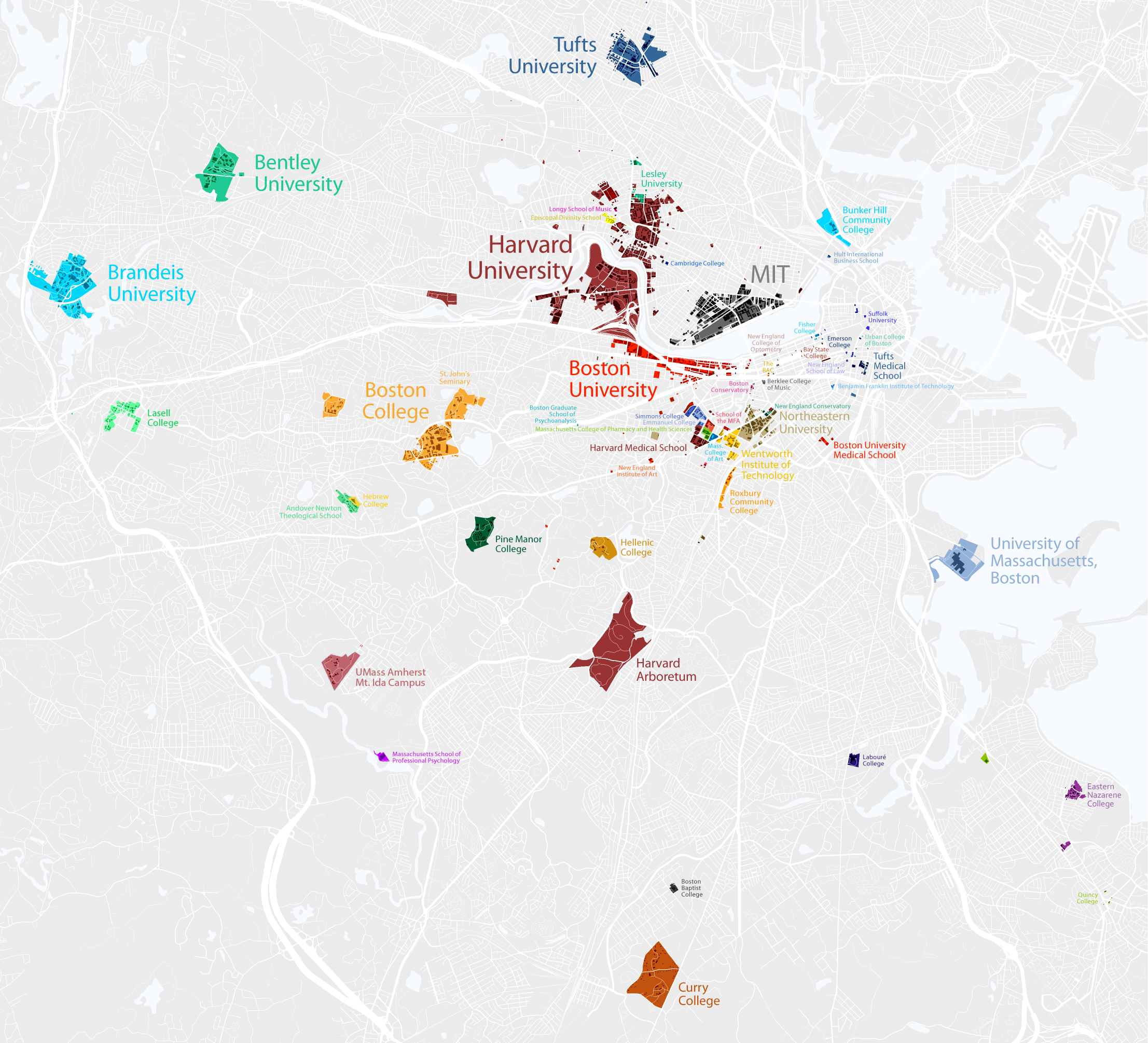
To answer the titular question directly, if one considers institutions within the city limits of Boston proper and extends slightly to include the immediately adjacent cities that form the core of the Greater Boston Area, the number of colleges and universities is remarkably high – typically cited as over 50 institutions, and some broader definitions push that number closer to a hundred when including specialized schools, branch campuses, and conservatories. This incredible density is unparalleled in many parts of the world, making Boston a true academic megalopolis.
Within this impressive roster are some of the most prestigious universities globally. For instance, Harvard University and the Massachusetts Institute of Technology (MIT), both located just across the Charles River in Cambridge, are consistently ranked among the top universities worldwide. Their groundbreaking research, Nobel laureates, and historic campuses draw millions of visitors annually.
Within Boston itself, major players include Boston University, a sprawling urban campus along the Charles River known for its diverse programs and vibrant student life; Northeastern University, famous for its cooperative education program; and Boston College, a premier Jesuit university located just outside the city center, offering stunning gothic architecture and a strong liberal arts tradition.
Beyond these giants, a multitude of other distinguished institutions contribute to Boston’s academic tapestry:
- Emerson College, specializing in communication and the arts, centrally located near Boston Common.
- Berklee College of Music, a world-renowned institution for contemporary music.
- Suffolk University, with a strong emphasis on law and public affairs, situated in the heart of downtown.
- Simmons University, a women-focused university offering diverse undergraduate and graduate programs.
- Wentworth Institute of Technology, providing hands-on education in engineering, design, and technology.
- The Massachusetts College of Art and Design and the New England Conservatory of Music, enriching the city’s cultural scene.
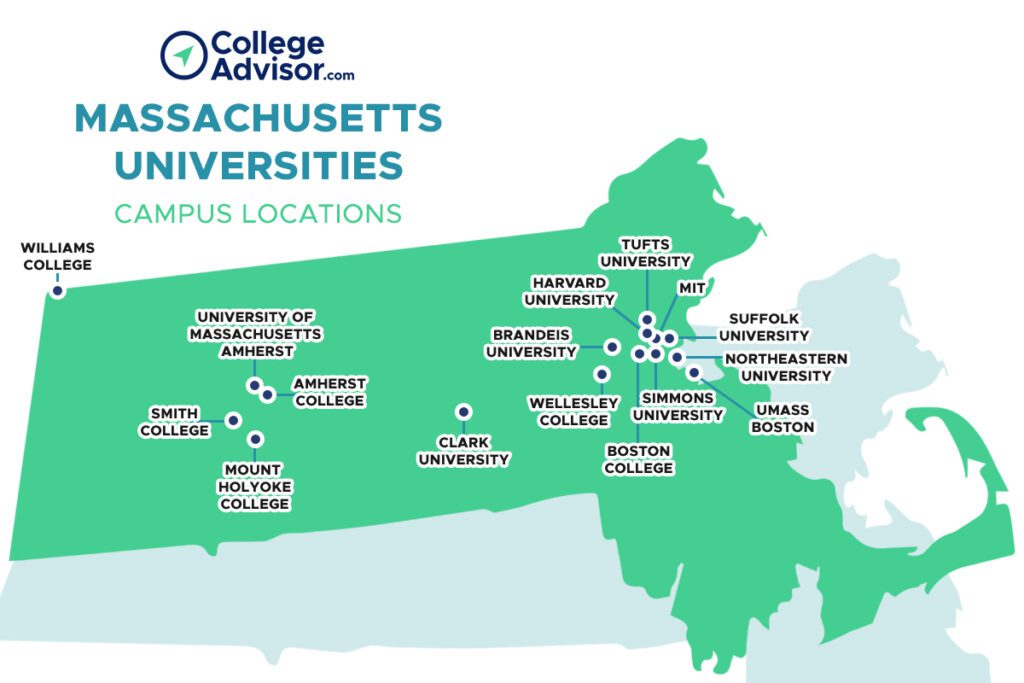
- Institutions like Tufts University (in Medford and Somerville) and Brandeis University (in Waltham) are also considered part of the broader Boston academic community, drawing students and faculty into the city’s orbit.
This list merely scratches the surface, demonstrating the vast educational opportunities and the rich intellectual environment that define Boston. Each institution contributes its unique flavor to the city, fostering distinct academic communities and cultural contributions.
Beyond the Lecture Halls: Boston’s Appeal for Students, Families, and Tourists
The abundance of colleges and universities in Boston extends its appeal far beyond just academic pursuits, making it a multifaceted destination for various types of travelers. For prospective students and their families, a visit often involves a deep dive into campus life, which naturally integrates with exploring the city’s wider offerings. But even for those without direct academic ties, the collegiate presence enhances the travel experience, offering diverse cultural activities, unique neighborhoods, and a vibrant atmosphere.
Travel and Tourism in Boston are significantly influenced by its academic landscape. Campus tours at institutions like Harvard or MIT are popular tourist attractions in their own right, offering insights into history, architecture, and groundbreaking research. Many university museums and galleries, such as the Harvard Art Museums or the MIT Museum, house world-class collections and are open to the public, providing enriching cultural experiences.
Accommodation options in Boston cater extensively to the academic flow. Parents visiting their children, alumni returning for reunions, or visiting scholars attending conferences create a consistent demand for hotels, apartments, and long-term stays. Areas like Cambridge, Back Bay, and the Fenway-Kenmore district offer a range of choices, from luxury hotels to boutique inns and budget-friendly guesthouses. Many establishments offer special rates for university affiliates, and during peak times like commencement or orientation, booking well in advance is essential. The demand even extends to vacation rentals for families needing more space during extended visits.
The Lifestyle of Boston is deeply enriched by its student population. This demographic drives a demand for diverse and affordable dining options, leading to a fantastic array of international cuisines and trendy cafes. The city’s cultural calendar is packed with events, from university-sponsored concerts and plays to student film festivals and public lectures, many of which are free or low-cost. Sporting events, particularly college hockey and basketball, are immensely popular and offer an authentic Boston experience. The intellectual curiosity fostered by the universities contributes to a vibrant public discourse, visible in bookstores, coffee shops, and community forums.
Navigating the Collegiate Landscape: Accommodation and Exploration
Exploring Boston’s academic heart requires strategic planning, especially when it comes to accommodation and maximizing your tourism experiences.
Hotels and Accommodation for University Visitors:
When visiting specific universities, choosing a nearby hotel can greatly enhance convenience.
- For Harvard and MIT, staying in Cambridge offers easy access to both campuses, with options ranging from the historic Charles Hotel to more modern boutique hotels in Harvard Square or Kendall Square.
- Visitors to Boston University or Northeastern University might prefer hotels in the Back Bay or Fenway areas, which also offer proximity to popular attractions like Fenway Park and the Museum of Fine Arts.
- Downtown Boston hotels provide central access to Suffolk University and Emerson College, as well as convenient MBTA connections to other campuses.
Consider booking a suite or an apartment-style hotel if traveling with family or planning a long-term stay to attend summer programs or extended visits. Many resorts and hotels offer amenities like fitness centers, pools, and business services, catering to a diverse clientele from students to business travelers.
Tourism and Attractions:
Beyond campus visits, Boston’s academic communities often interact seamlessly with its historical and cultural landmarks. Many universities are within walking distance or a short subway ride from iconic sites:
- Walk the Freedom Trail to immerse yourself in revolutionary history.
- Explore Faneuil Hall Marketplace and the historic North End for Italian food.
- Stroll through Boston Common and the Public Garden.
- Visit world-class institutions like the Museum of Fine Arts, the Isabella Stewart Gardner Museum, or the New England Aquarium.
- Experience Boston’s maritime history at the Boston Tea Party Ships & Museum in the Seaport District, a vibrant area that is also home to many startups and innovation hubs fueled by university graduates.
The city’s local culture is profoundly influenced by its academic residents. Student-friendly eateries, independent bookstores, and live music venues thrive around university campuses. The blend of historical charm and youthful vibrancy creates a dynamic atmosphere unique to Boston.
Planning Your Academic-Inspired Trip to Boston
To fully appreciate Boston’s academic heartbeat, thoughtful planning is essential. Whether your primary goal is campus tours or simply soaking in the intellectual ambiance, aligning your visit with key academic periods can enhance your experience.
Best Time to Visit:
- Fall (September-October): The city truly comes alive with the return of students. The weather is crisp, fall foliage is beautiful, and college sports, cultural events, and orientations are in full swing. However, demand for accommodation can be high, and prices may reflect this.
- Spring (April-May): As the weather warms, Boston blossoms. This is peak admissions season, with many prospective students visiting. It culminates in graduations in May, a time of immense celebration (and high hotel occupancy).
- Summer (June-August): While some students disperse, summer programs, conferences, and tourism ensure the city remains active. It’s often a great time for more relaxed travel and exploring outdoor attractions.
- Winter (November-March): Offers a quieter, often snow-covered Boston. While cold, the city has a cozy charm, and indoor cultural attractions are less crowded. University events like winter concerts or guest lectures can still provide engaging experiences.
Getting Around:
Boston is a highly walkable city, particularly its historic core. However, with universities spread across different neighborhoods and into Cambridge, the MBTA, Boston’s public transportation system (affectionately known as “the T”), is indispensable. Its subway, bus, and commuter rail lines connect virtually all major campuses and landmarks. Consider purchasing a CharlieCard for easy and discounted travel.
Experiences Beyond Campus Visits:
Don’t limit your trip to just campus tours. Engage with the intellectual pulse of the city:
- Attend a lecture: Many universities host public lectures, debates, and seminars by renowned scholars and guest speakers. Check university websites for event calendars.
- Explore university neighborhoods: Areas like Harvard Square in Cambridge or Kenmore Square near Boston University are vibrant with unique shops, restaurants, and cafes.
- Catch a game: Experience the fervor of college sports, especially hockey, basketball, and football, which are deeply ingrained in Boston’s lifestyle.
- Visit university-affiliated cultural institutions: The Harvard Museum of Natural History, the MIT Museum, and various university art galleries offer fascinating insights and exhibits.
Experiencing the University Vibe
The unique “university vibe” of Boston is what truly sets it apart. It’s a feeling of youthful energy combined with centuries of academic tradition. This atmosphere is palpable in the lively student-centric areas, where intellectual discussions might spill out from cafes, and cultural events abound.
Stroll through areas like the Fenway-Kenmore district, where Northeastern University, Simmons University, and Wentworth Institute of Technology create a vibrant student corridor alongside the venerable Museum of Fine Arts and Fenway Park. Or explore Beacon Hill and Downtown, where Suffolk University and Emerson College students blend seamlessly with state politicians and theater-goers.
The constant influx of students from around the world ensures a diverse and ever-evolving local culture. This multiculturalism translates into an incredible array of food options, from budget-friendly international eateries to upscale dining experiences. It also means a constant flow of new ideas, perspectives, and creative energy that invigorates the city. For any visitor, embracing this intellectual and cultural dynamism is key to understanding and enjoying Boston to its fullest.
In conclusion, the question of “how many colleges are in Boston, Massachusetts?” reveals a profound truth about this city: it is a world-class academic powerhouse where education is woven into the very fabric of its identity. With dozens of institutions ranging from historic Ivy League universities to specialized conservatories, Boston offers an unparalleled environment for learning and personal growth. But its academic density also transforms it into an exceptional travel destination. For tourists, families, and prospective students alike, Boston’s colleges are not just places of study; they are integral parts of a rich tapestry of history, culture, innovation, and vibrant city life, promising an enriching and unforgettable experience for every visitor.
LifeOutOfTheBox is a participant in the Amazon Services LLC Associates Program, an affiliate advertising program designed to provide a means for sites to earn advertising fees by advertising and linking to Amazon.com. Amazon, the Amazon logo, AmazonSupply, and the AmazonSupply logo are trademarks of Amazon.com, Inc. or its affiliates. As an Amazon Associate we earn affiliate commissions from qualifying purchases.