
The sheer scale of Texas is legendary, a vast expanse that has shaped its identity, culture, and governance. When considering the administrative divisions that carve up this immense landscape, one question frequently arises: “How many counties are in Texas?” The answer is a striking 254 counties, making Texas the state with the most counties in the United States. This impressive number is not merely a statistical curiosity; it is a fundamental aspect of the state’s intricate history, diverse geography, and the myriad travel experiences it offers. Each county, from the bustling urban centers to the serene rural expanses, presents a unique facet of the Lone Star State, inviting travelers to delve deeper into its heart.
Understanding the distribution and character of these 254 counties is essential for anyone looking to truly explore Texas. It speaks volumes about the state’s historical development, its commitment to local governance, and the incredible diversity found within its borders. For tourists, this translates into an unparalleled array of destinations, attractions, and cultural experiences, from the historic missions of San Antonio to the rugged beauty of Big Bend National Park in West Texas. Whether you’re planning a luxury retreat, a budget-friendly adventure, a family vacation, or a solo exploration, the 254 counties of Texas offer an almost limitless palette of choices for accommodation, dining, and discovery.

A Historical Tapestry: The Formation of Texas Counties
The proliferation of counties in Texas is a story deeply intertwined with its storied past. Unlike many other states, Texas began as an independent nation, the Republic of Texas, before joining the United States. This period, combined with its earlier history under Spanish Empire and Mexican rule, laid the groundwork for its unique administrative structure. Early settlements often clustered around missions, presidios, or natural resources, and as the population grew, so did the need for localized governance.
Many of the original counties were established during the Republic of Texas era, and after statehood in 1845, the creation of new counties continued at a rapid pace, especially as settlers pushed westward. The rationale behind so many counties was multi-faceted. Firstly, vast distances in early Texas meant that county seats needed to be accessible to citizens, often within a day’s horse ride. This led to smaller geographical units, particularly in densely populated or strategically important areas. Secondly, political and economic factors played a significant role, with various communities lobbying for their own county status to gain representation and control over local resources and development.

The majority of counties were established by the late 19th century, with the last county, Loving County, officially created in 1897. Each county holds its own distinct narrative, shaped by its pioneering families, conflicts, economic booms and busts, and the natural environment. From the cotton fields of East Texas to the oil derricks of the Permian Basin and the cattle ranches of the Panhandle, these counties collectively tell the epic story of Texas, making them rich grounds for historical tourism and cultural exploration.
Unveiling Diverse Texas: Regions, Landmarks, and Lifestyle
The sheer number of counties in Texas directly translates into an astonishing variety of landscapes, cultures, and lifestyle options for visitors. From bustling metropolitan areas to tranquil wilderness, each region offers a distinctive flavor of the Lone Star State.
The Dynamic Urban Hubs and Their Environs
Many of Texas’s largest counties are home to its iconic cities, serving as magnets for both domestic and international travelers.
-
Harris County, anchored by Houston, is a sprawling metropolis known for its energy industry, diverse culinary scene, and world-class attractions like the NASA Johnson Space Center. Here, travelers can find an extensive range of accommodations, from luxury suites in downtown hotels like the Houstonian Hotel, Club & Spa to boutique apartments in trendy neighborhoods. Houston also boasts a vibrant arts scene, with numerous museums and galleries catering to all tastes.
-
Dallas County, encompassing Dallas, offers a cosmopolitan experience with its upscale shopping, vibrant nightlife, and the renowned Dallas Arts District. Accommodation ranges from opulent resorts to budget-friendly stays, making it suitable for all types of travelers. Nearby, Tarrant County hosts Fort Worth, where the Western heritage of Texas comes alive at the Stockyards National Historic District, offering a stark yet complementary contrast to Dallas’s modern facade.
-
Travis County, home to the state capital, Austin, is a hub for live music, technological innovation, and outdoor recreation. Visitors flock to Sixth Street for its legendary music venues, explore the numerous food trucks, or enjoy kayaking on Lady Bird Lake. Austin excels in offering unique boutique hotels and stylish apartment rentals, catering to its hip, eclectic vibe.
-
Bexar County, with San Antonio as its centerpiece, is steeped in history and culture. The iconic Alamo and the picturesque Riverwalk are must-see landmarks. The city’s rich Spanish colonial heritage is evident in its architecture, cuisine, and vibrant festivals. From charming historic inns along the Riverwalk to family-friendly resorts, San Antonio provides a diverse array of accommodation options.
Exploring Texas’s Natural Wonders and Rural Charms
Beyond the urban sprawl, the vast majority of Texas’s counties preserve its breathtaking natural beauty and authentic rural character.
-
West Texas: Counties like Brewster County are home to Big Bend National Park, a monumental wilderness of mountains, desert, and river canyons, perfect for rugged adventurers seeking hiking, stargazing, and remote experiences. Nearby, Culberson County boasts Guadalupe Mountains National Park, offering stunning mountain vistas. Accommodation here typically involves rustic lodges, camping, or small-town motels in places like Terlingua or Marfa, an art mecca in Presidio County.
-
Hill Country: This region, spanning numerous counties like Gillespie County (home to Fredericksburg) and Comal County (New Braunfels), is renowned for its rolling hills, vineyards, clear rivers, and charming small towns. It’s a popular destination for wine tourism, tubing on the Guadalupe River or Comal River, and exploring natural landmarks like Enchanted Rock State Natural Area. Boutique hotels, cozy B&Bs, and vacation rentals abound, offering a serene escape.
-
Gulf Coast: Extending through counties like Nueces County (Corpus Christi) and Galveston County (Galveston), the Texas Gulf Coast offers sandy beaches, fresh seafood, and abundant wildlife. Padre Island National Seashore in Kenedy County is the longest undeveloped barrier island in the world, a paradise for birdwatchers and nature lovers. Beachfront resorts, holiday apartments, and charming inns cater to families and couples seeking coastal relaxation.
-
East Texas: Characterized by its dense forests (the Piney Woods), this region, including counties like Tyler County (home to parts of Big Thicket National Preserve), provides a verdant contrast to the state’s arid west. It’s an ideal spot for hiking, fishing, and experiencing Southern charm. Quaint cabins, lakeside resorts, and traditional motels are common here.
-
North Texas: Beyond Dallas and Fort Worth, this region includes counties like Denton County and Collin County, which are experiencing rapid growth and offer a blend of suburban comforts, historical sites, and recreational lakes. It’s an area increasingly popular for family travel, with a good mix of modern hotels, entertainment venues, and parks.
Planning Your Texas Adventure: A County-by-County Approach
With 254 counties to choose from, planning a trip to Texas can seem daunting, yet it’s also an incredible opportunity to craft a truly unique itinerary. The key is to think regionally and then narrow down to specific counties or cities based on your interests.
Tailoring Your Travel Experience
- For the History Buff: Focus on Bexar County for The Alamo and missions, Galveston County for its Victorian architecture, or explore the small towns of Central Texas for pioneer heritage. Many counties boast local museums and historic markers, turning a road trip into a journey through time.
- For the Nature Enthusiast: Head to Brewster County for Big Bend National Park, Culberson County for Guadalupe Mountains National Park, or Armstrong County for Palo Duro Canyon State Park in the Panhandle. The Piney Woods of East Texas also offer numerous state parks and national forests for hiking and camping.
- For the Foodie and Culture Seeker: Explore the diverse culinary landscapes of Harris County (Houston), Dallas County (Dallas), and Travis County (Austin). Don’t miss the BBQ trails through Central Texas or the wineries of the Hill Country in counties like Gillespie County (Fredericksburg).
- For Luxury Travel: Consider high-end resorts and spas in Dallas or Houston, exclusive ranches in the Hill Country, or luxury villas in resort towns like Grapevine in Tarrant County.
- For Budget-Friendly Adventures: Many state parks offer affordable camping or cabin rentals. Exploring smaller towns and utilizing budget hotel chains or vacation rentals away from major city centers can significantly reduce costs while offering authentic local experiences.
Accommodation Across the Counties
The variety of accommodation in Texas mirrors its county diversity. From the towering skyscrapers of Houston and Dallas where you’ll find every major hotel brand like the JW Marriott or boutique luxury stays such as Hotel Zaza, to the charming bed-and-breakfasts in Fredericksburg or Granbury in Hood County, there’s a lodging option for every preference and budget.
For those seeking unique experiences, consider:
- Ranch Stays: Immerse yourself in authentic Texas culture by staying on a working ranch, often found in counties across the Hill Country or West Texas.
- Lakeside Cabins: Enjoy watersports and relaxation at cabins around popular lakes like Canyon Lake in Comal County or Lake Texoma on the border of Grayson County.
- Beachfront Condos: For coastal getaways, South Padre Island in Cameron County and Galveston in Galveston County offer numerous vacation rentals and resorts.
- Boutique Hotels: Austin, San Antonio, and Houston are home to a growing number of stylish boutique hotels that offer personalized service and local flair. For example, the Hotel Emma in San Antonio offers a unique stay in a historic brewery building.
When booking accommodation, consider the proximity to the specific attractions or experiences you prioritize within a given county. Online travel agencies and dedicated hotel booking platforms offer extensive filters to find the perfect fit, whether you’re looking for amenities like a pool and spa, pet-friendly options, or specific price ranges.
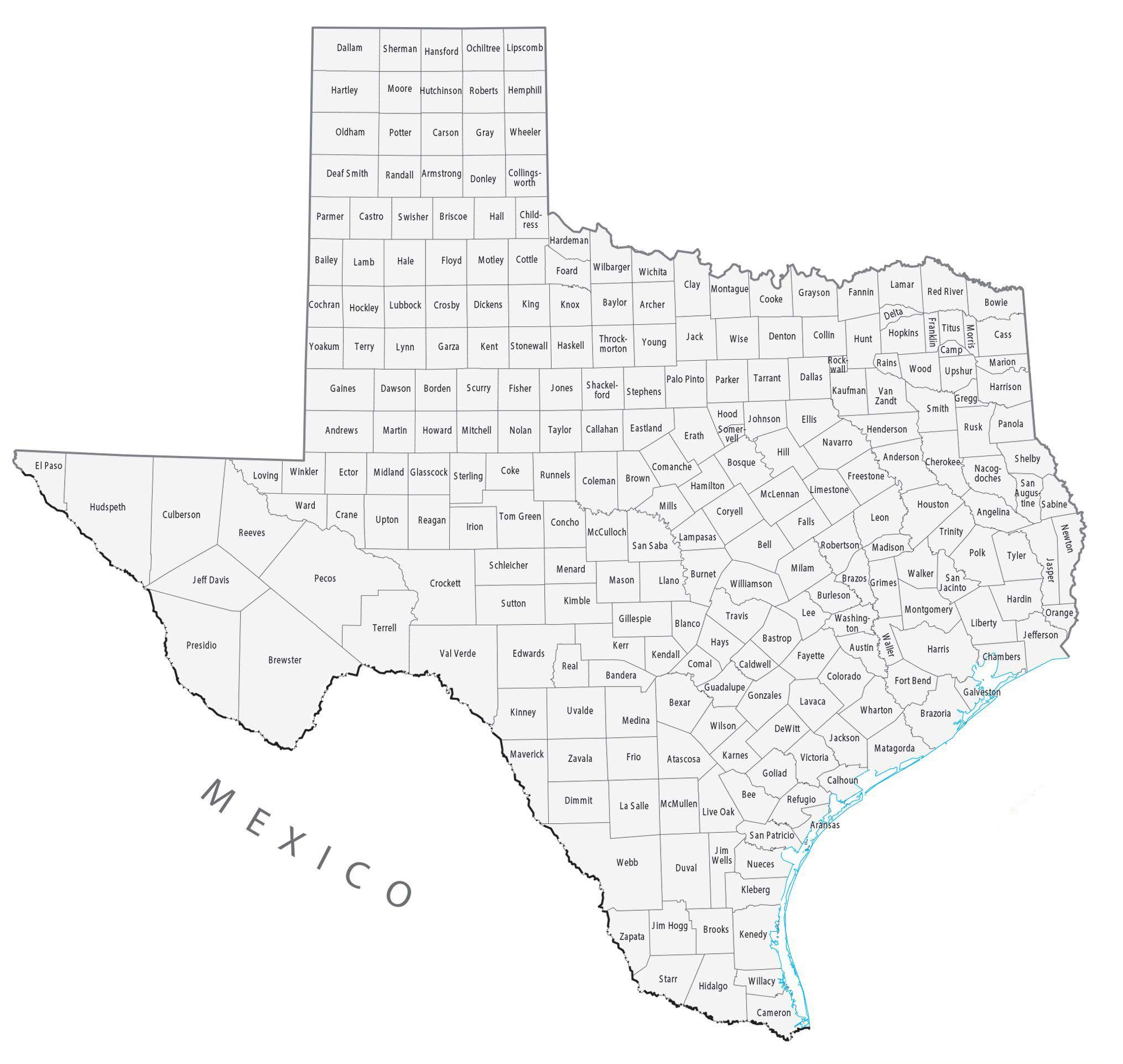
In conclusion, the 254 counties of Texas are far more than mere administrative lines on a map; they are the vibrant threads that weave together the rich tapestry of this magnificent state. Each county tells a part of the larger Texas story, offering a unique blend of history, culture, natural beauty, and modern amenities. By understanding the sheer scale and diversity that these counties represent, travelers can unlock an unparalleled journey through one of America’s most captivating destinations, discovering hidden gems and iconic landmarks alike, all while enjoying a spectrum of accommodation and lifestyle experiences. So, pack your bags, choose your region, and embark on an unforgettable exploration of the many faces of Texas.
LifeOutOfTheBox is a participant in the Amazon Services LLC Associates Program, an affiliate advertising program designed to provide a means for sites to earn advertising fees by advertising and linking to Amazon.com. Amazon, the Amazon logo, AmazonSupply, and the AmazonSupply logo are trademarks of Amazon.com, Inc. or its affiliates. As an Amazon Associate we earn affiliate commissions from qualifying purchases.