
Montana, often revered as the “Treasure State” and famously known as Big Sky Country, captivates travelers with its dramatic landscapes, rich history, and boundless outdoor adventures. When planning an unforgettable journey through this magnificent state, one might wonder about its administrative divisions and how they influence the travel experience. The answer to “How many counties in Montana?” is 56. These 56 counties serve as the geographical framework for the state, each offering a unique slice of Montana’s diverse character, from the rugged peaks of the Rocky Mountains to the sprawling prairies of the east.
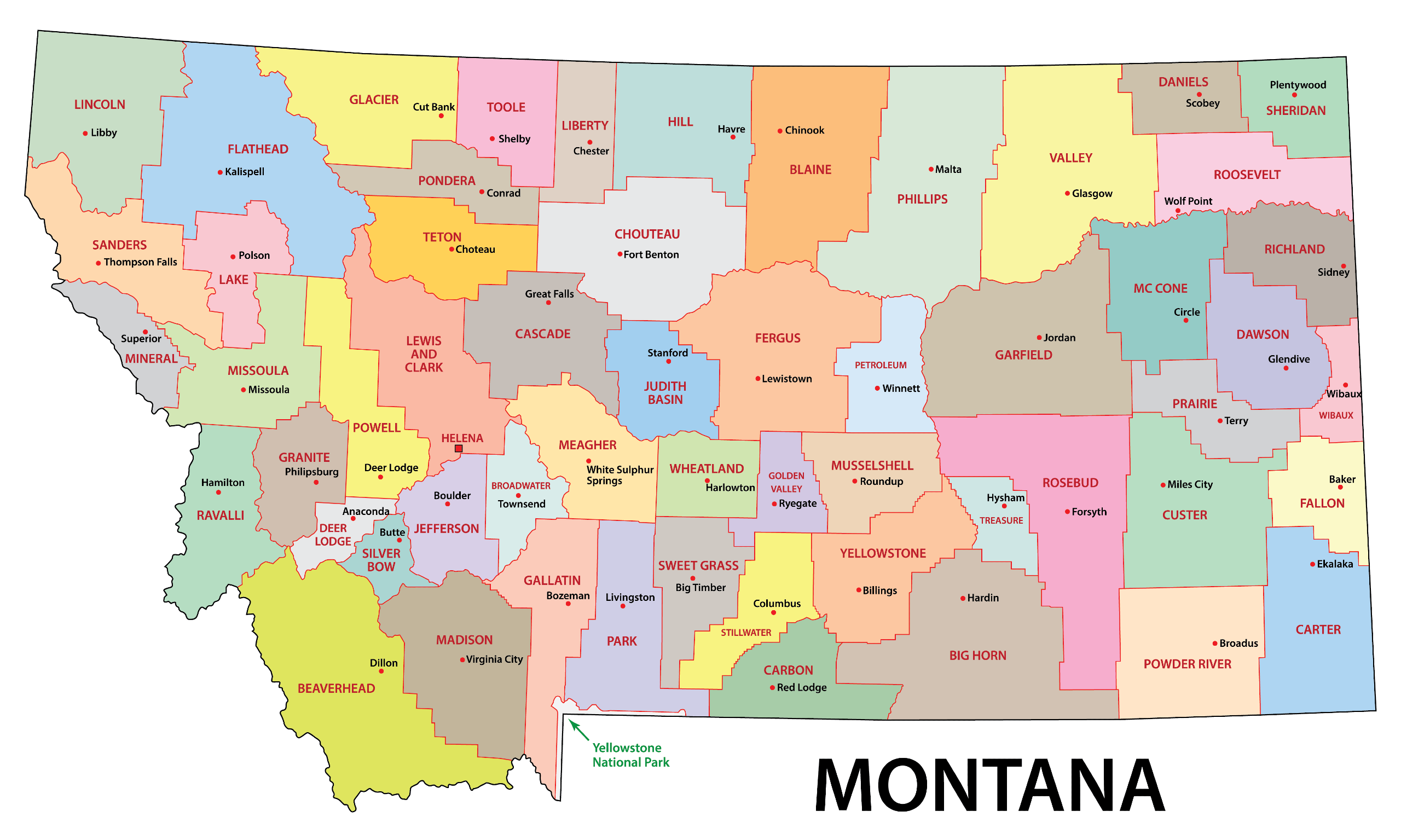
Understanding Montana’s county structure is more than just a matter of trivia; it’s a key to unlocking a more profound travel experience. Each county tells its own story, harbors distinct attractions, and presents different opportunities for accommodation, culinary exploration, and cultural immersion. From world-renowned national parks to hidden gems off the beaten path, the individuality of these 56 counties shapes the mosaic that is Montana. For those seeking to craft the perfect itinerary, whether for luxury travel, a budget-friendly family trip, or a solo adventure into the wild, knowing the lay of the land by county can significantly enhance the planning process, guiding travelers to precisely the experiences they seek.
Montana’s 56 Counties: A Tapestry of Landscapes and Experiences
The vastness of Montana is legendary, making it the fourth-largest state by area in the United States. Its considerable size, coupled with a relatively small population, means that each of its 56 counties can encompass an astonishing diversity of terrain, ecosystems, and cultural influences. This geographical segmentation is not just administrative; it fundamentally shapes the travel, tourism, and lifestyle opportunities available across the state.
The Big Sky Country’s Geographic Divisions
The formation of Montana’s counties largely mirrored the patterns of settlement, resource extraction, and the development of transportation routes throughout its history. Many counties were established around key mining towns, agricultural hubs, or strategic points along rivers and trails. This historical context explains why some counties are immense, while others are comparatively smaller, each bearing the imprint of its past. For instance, Beaverhead County, located in the southwestern corner, is the largest county by area, stretching across over 5,500 square miles, roughly the size of the state of Connecticut. It’s a land of vast ranchlands, rugged mountains, and abundant wildlife, perfect for those seeking solitude and raw nature. In contrast, Deer Lodge County, one of the smallest, is largely defined by the historic city of Anaconda and its industrial heritage.
The geographical layout of these counties also dictates accessibility and the types of adventures awaiting. The western counties are typically more mountainous, characterized by dense forests, pristine lakes, and rivers carved by glaciers. Moving eastward, the landscape gradually transitions into rolling plains, agricultural lands, and finally, the dramatic badlands and vast skies of eastern Montana. This transition means that a journey across the state, even within neighboring counties, can feel like traversing entirely different worlds, each promising distinct attractions and experiences.
Diverse Regions, Unique Charms
To truly appreciate Montana’s offerings, it’s helpful to consider its counties within broader regional contexts, each brimming with unique appeal for various types of travelers.
-
Western Montana: The Mountainous Playground
The western portion of Montana is arguably the most famous, dominated by the majestic Rocky Mountains and home to iconic natural landmarks. Flathead County and Glacier County host the crown jewel of the national park system, Glacier National Park, where visitors can marvel at glacial-carved valleys, emerald lakes like Lake McDonald, and abundant wildlife. This region is a haven for outdoor enthusiasts, offering unparalleled opportunities for hiking, kayaking on Flathead Lake – the largest freshwater lake west of the Mississippi River – and world-class skiing at resorts like Whitefish Mountain Resort. Cities like Missoula (Missoula County) and Kalispell (Flathead County) serve as vibrant cultural hubs with craft breweries, lively arts scenes, and a relaxed, outdoor-oriented lifestyle. Accommodation here ranges from charming boutique hotels and lakeside cabins to upscale resorts, catering to both luxury travelers and those seeking a more rustic experience. -
Southwestern Montana: History, Hot Springs, and Yellowstone
This region boasts a rich history intertwined with the gold rush era and is often considered the gateway to the northern entrance of Yellowstone National Park. Gallatin County, with its thriving city of Bozeman, has emerged as a hub for innovation, outdoor recreation, and a sophisticated culinary scene. Travelers can find luxury suites and resort accommodations here, especially near Big Sky Resort, perfect for ski enthusiasts in winter and hikers in summer. Historic cities like Butte (Silver Bow County) offer a glimpse into Montana’s mining past with its historic architecture and fascinating museums. Park County offers stunning views of the Absaroka-Beartooth Wilderness and access to the Yellowstone River, a prime spot for fly-fishing. -
Central Montana: The Heart of the State’s Heritage
Stretching across the center of Montana, this region is characterized by vast plains, rolling hills, and the impressive Missouri River. Lewis and Clark County is home to the state capital, Helena, a city steeped in gold rush history with a charming downtown and the stunning Gates of the Mountains Wilderness nearby. Great Falls (Cascade County), another significant urban center, offers insights into the Lewis and Clark Expedition and features impressive waterfalls along the Missouri River. This area is ideal for history buffs, fishing enthusiasts, and those looking to experience the authentic cowboy culture of working ranches. Accommodation options include historic hotels, comfortable B&Bs, and family-friendly motels. -
Eastern Montana: Badlands, Dinosaurs, and Wide-Open Spaces
As you venture into eastern Montana, the landscape dramatically transforms into high plains, vast agricultural lands, and distinctive badland formations. Yellowstone County houses Billings, the state’s largest city, serving as a gateway to both the eastern plains and the Yellowstone National Park region. Billings provides a full spectrum of accommodation, from luxury hotels to budget-friendly stays, along with a diverse culinary scene. Further east, counties like Dawson County, Richland County, and McCone County offer unique attractions such as Makoshika State Park, Montana’s largest state park, featuring dramatic badlands, dinosaur fossils, and hiking trails. This region is a paradise for those seeking solitude, dinosaur enthusiasts, and travelers interested in Native American history, including sites like the Little Bighorn Battlefield National Monument in Big Horn County.
Navigating Montana: Travel, Accommodation, and Local Culture
The division of Montana into 56 counties, each with its unique characteristics, significantly influences how travelers plan their visits and what experiences they can anticipate. This county-by-county mosaic ensures that virtually any travel preference, from luxurious resort stays to rugged backcountry camping, can be accommodated within Big Sky Country.

Planning Your Montana Adventure by County
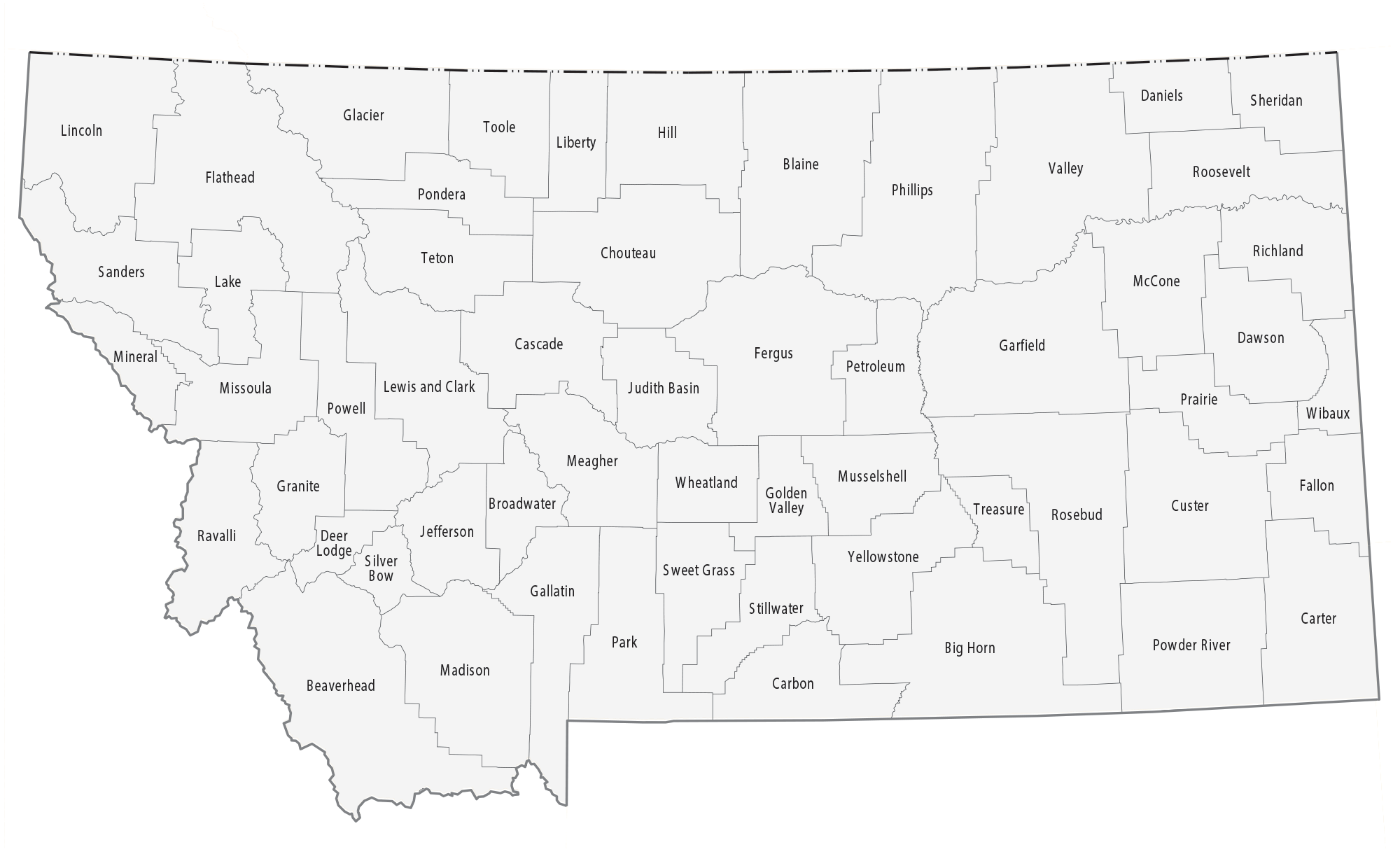
For travelers, understanding Montana’s county map can be an invaluable tool. Instead of viewing the state as one monolithic entity, thinking in terms of counties allows for more targeted and enriching trip planning. For example, if you’re keen on exploring Glacier National Park, focusing your research on Flathead County and Glacier County will streamline your search for nearby attractions, dining, and accommodation. Similarly, a historical deep-dive into the gold rush would lead you to counties like Lewis and Clark County and Silver Bow County, home to Helena and Butte respectively.
Different travel styles also benefit from a county-centric approach. Scenic drives, like the iconic Going-to-the-Sun Road in Glacier National Park (Flathead and Glacier Counties), or the stunning Beartooth Highway near Red Lodge (Carbon County), are best explored by understanding the specific counties they traverse. Outdoor recreation such as fly-fishing (Gallatin, Park, and Madison Counties), hunting (Beaverhead, Powder River), or hiking (Missoula, Flathead) becomes more manageable when localized to specific county areas, allowing travelers to find local guides, outfitters, and permit information with ease. Seasonal travel, whether for winter sports at Big Sky Resort (Gallatin County) or summer explorations in the Bitterroot Valley (Ravalli County), also benefits from this granular planning.
Lodging Across the Big Sky State
The diversity of Montana’s counties is mirrored in its accommodation options. Travelers will find everything from luxurious, full-service resorts boasting world-class amenities to rustic cabins perfect for an immersive nature retreat. In cities like Bozeman (Gallatin County), Missoula (Missoula County), and Billings (Yellowstone County), visitors can choose from internationally recognized hotel chains, stylish boutique hotels, and convenient apartment rentals ideal for longer stays or family trips. These urban centers often provide excellent bases for exploring surrounding county attractions, offering a blend of comfort and accessibility.
For those venturing into more remote or scenic counties, the options shift towards unique experiences. Glamping sites, often found near national parks or wilderness areas, offer a blend of outdoor adventure with upscale comfort. Charming bed and breakfasts, particularly prevalent in historic towns like Philipsburg (Granite County) or Livingston (Park County), provide personalized service and a taste of local hospitality. For budget-conscious travelers or those seeking a more immersive nature experience, campsites in state parks or national forests across various counties are abundant. Comparison shopping and booking reviews become crucial when selecting accommodation, ensuring the choice aligns with the desired lifestyle and travel budget.
Experiencing Montana’s Rich Heritage and Lifestyle
Montana’s 56 counties are also custodians of the state’s profound cultural heritage and vibrant contemporary lifestyle. The rich history of Native American tribes, including the Crow Nation (Big Horn County), the Blackfeet Nation (Glacier County), and the Confederated Salish and Kootenai Tribes (Lake County), is deeply embedded in the land and celebrated through cultural centers, powwows, and historical sites scattered across numerous counties. Understanding these local contexts enriches the travel experience, fostering a deeper appreciation for the state’s origins.
The cowboy culture, a defining aspect of Montana’s identity, thrives in many central and eastern counties where ranching remains a way of life. Travelers can attend local rodeos, visit working ranches, or even participate in authentic ranch stays, particularly in counties like Fergus County or Custer County. The culinary landscape also varies by region and county. Western Montana is famous for its huckleberry treats and craft beer scene, while the plains offer bison burgers and hearty ranch-style meals. Local farmers’ markets, found in county seats like Kalispell (Flathead County) or Missoula (Missoula County), provide a taste of fresh, local produce and artisanal goods. Whether it’s a music festival in Bozeman, an art walk in Helena, or a dinosaur dig in Garfield County, the individual character of each county ensures a rich array of local activities and experiences.
Beyond the Numbers: Why Montana’s Counties Matter for Travelers
The question of “How many counties in Montana?” opens the door to a more nuanced understanding of this extraordinary state. The presence of 56 distinct counties isn’t just an administrative detail; it’s a fundamental aspect of what makes Montana such a compelling destination for diverse travelers. Each county, with its specific geography, history, economy, and community, contributes to the unparalleled variety of experiences awaiting visitors.
The Freedom of the Open Road and Undiscovered Gems
For the adventurous traveler, Montana’s county structure emphasizes the vastness and the promise of discovery. With such large and often sparsely populated counties, the concept of the “open road” truly comes alive. Driving from Flathead County to Yellowstone County or from Gallatin County to Dawson County reveals dramatically changing vistas, from towering mountain ranges and glacial lakes to expansive golden plains and sculpted badlands. This geographic diversity within the county framework allows for incredible road trips, revealing remote beauty and often undiscovered gems that might be overlooked in a less segmented state.
The beauty of having 56 counties is that it empowers travelers to delve deeper into specific regions, uncover local attractions that aren’t widely publicized, and engage with the unique character of smaller communities. Whether it’s exploring a ghost town in Madison County, seeking out a secluded hot spring in Meagher County, or visiting a local brewery in Teton County, the county divisions highlight the distinct identities that make up the whole of Montana. This encourages a more thoughtful and personalized travel itinerary, moving beyond typical tourist hotspots to embrace authentic Montana experiences.
A Gateway to Unforgettable Memories
Ultimately, Montana’s 56 counties serve as gateways to a multitude of unforgettable memories. They represent the building blocks of a state that offers an incredible array of travel options, from luxurious resorts and guided adventures in the west to serene ranch stays and historical explorations in the east. Whether you’re planning a romantic getaway, a rugged outdoor expedition, a family vacation, or a solo quest for inspiration, Montana’s diverse counties cater to every desire.
The question of how many counties are in Montana isn’t just about a number; it’s an invitation to explore the intricate layers of Big Sky Country. It’s an encouragement to immerse yourself in the local culture, savor regional cuisine, discover hidden landmarks, and find the perfect accommodation that suits your lifestyle. Each of the 56 counties holds the potential for a unique adventure, ensuring that every journey through Montana is as vast and varied as the landscape itself, leaving travelers with cherished memories and a deep appreciation for this truly magnificent American state.
LifeOutOfTheBox is a participant in the Amazon Services LLC Associates Program, an affiliate advertising program designed to provide a means for sites to earn advertising fees by advertising and linking to Amazon.com. Amazon, the Amazon logo, AmazonSupply, and the AmazonSupply logo are trademarks of Amazon.com, Inc. or its affiliates. As an Amazon Associate we earn affiliate commissions from qualifying purchases.