
The journey through high school is a pivotal chapter in any young person’s life, a period of growth, discovery, and laying the groundwork for future endeavors. For students in the Lone Star State, understanding “How Many Credits To Graduate High School In Texas?” is the first crucial step towards unlocking a world of opportunities, whether that’s pursuing higher education, entering a specialized career, or embarking on a life rich with travel and exploration. Graduating from high school in Texas is more than just collecting a diploma; it’s about equipping oneself with the knowledge and skills to navigate the globe, experience diverse cultures, and embrace a fulfilling lifestyle.
The educational landscape in Texas is designed to be both rigorous and flexible, preparing students for a wide array of post-secondary paths. The core framework, known as the Foundation High School Program, sets a baseline, ensuring all graduates possess a fundamental understanding across key academic disciplines. Beyond this foundation, students have the opportunity to personalize their educational journey through various endorsements, allowing them to delve deeper into areas of interest that might align with future travel aspirations, specialized career paths, or unique lifestyle choices. This article will delve into the specific credit requirements, explore the pathways available, and illustrate how a solid educational foundation in Texas can serve as a passport to a life of adventure, discovery, and global experiences.
The Foundation for Future Adventures: Understanding Texas Graduation Requirements
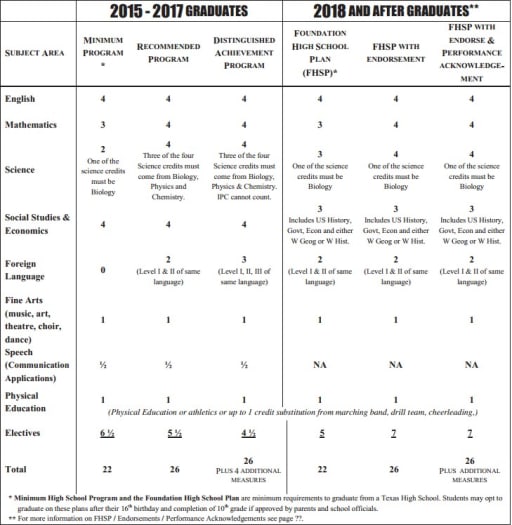
Earning a high school diploma in Texas is a structured process, guided by the Texas Education Agency and the State Board of Education. The primary graduation plan is the Foundation High School Program, which mandates a minimum of 22 credits. However, most students pursue the Foundation High School Program with an endorsement, pushing the total to 26 credits. This extra layer of specialization is not just about additional coursework; it’s about tailoring an academic experience that can better prepare students for specific pathways, including those that lead to international destinations or unique career opportunities often found through global exposure.
Standard Program Requirements
The 22-credit Foundation High School Program is structured to provide a comprehensive education across core subjects. These requirements are essential, forming the intellectual bedrock upon which all future learning and experiences, including travel, are built. Imagine planning an international trip: you need foundational knowledge of geography, history, and potentially a foreign language. Similarly, these core academic credits serve as foundational “skills for life.”
The breakdown includes:
- English Language Arts: 4 credits (English I, II, III, and a fourth advanced English course). Clear communication is vital, whether you’re negotiating prices in a bustling market in Mexico or writing a compelling travel blog post from a boutique hotel in Paris.
- Mathematics: 3 credits (Algebra I, Geometry, and an advanced math course). Problem-solving skills are universally valuable, from budgeting for a trip to understanding complex travel itineraries.
- Science: 3 credits (Biology, and two additional advanced science courses). A grasp of scientific principles can deepen your appreciation for natural landmarks and ecological tourism experiences.
- Social Studies: 3 credits (U.S. History, Government, Economics, and World History or World Geography). Understanding global history and geography is fundamental for any avid traveler or global citizen, providing context to every new place you visit, from ancient Rome to modern Tokyo.
- Languages Other Than English (LOTE): 2 credits in the same language. This is perhaps the most direct link to travel and local culture. Learning a foreign language opens doors to genuine connections and immersive experiences abroad, transforming a tourist into a true explorer.
- Fine Arts: 1 credit. Appreciation for art and culture enriches travel, allowing you to engage more deeply with museums, performances, and the creative expressions of different societies.
- Physical Education: 1 credit. Maintaining physical fitness is crucial for adventurous travel, whether you’re hiking a national park or navigating a bustling city.
- Electives: 5 credits (for the 22-credit plan). These provide flexibility, allowing students to explore interests that might range from culinary arts, preparing them for food tourism, to computer science, enabling remote work from exotic locations.

Endorsements: Charting Your Course
While the 22-credit plan is a legal minimum, the vast majority of Texas students pursue an endorsement, adding 4 more credits for a total of 26. These endorsements allow students to specialize in a particular area, aligning their high school education with their passions and future aspirations, whether academic or related to a travel-rich lifestyle. Choosing an endorsement is like selecting a specialized tour package for your future – it hones your focus and enhances your experience. The five endorsement areas are:
- STEM (Science, Technology, Engineering, and Math): For students interested in innovation, research, and technical fields. A background in STEM can lead to careers that involve international collaboration, engineering projects abroad, or scientific expeditions to remote corners of the world. Imagine being a marine biologist studying coral reefs in the Caribbean or an aerospace engineer working on projects with global partners.
- Business and Industry: Ideal for those with an entrepreneurial spirit or an interest in business management, marketing, or finance. This endorsement can pave the way for careers in international business, hospitality management (think working in five-star resorts across the globe), or even starting your own travel-related venture.
- Public Services: Focuses on careers in education, health sciences, law enforcement, and government. This path could lead to humanitarian work abroad, international public health initiatives, or roles in global diplomacy, offering unique insights into different societies and cultures.
- Arts and Humanities: For students passionate about fine arts, social studies, or languages. This endorsement is a direct pipeline to careers that celebrate local culture, history, and artistic expression. Think of art curators traveling to international exhibitions, historians researching ancient civilizations in Egypt, or linguists working with international organizations.
- Multidisciplinary Studies: Offers flexibility for students who want to explore multiple subject areas or prepare for a broad range of post-secondary options. This pathway is excellent for those who want a well-rounded education, providing the adaptability needed for diverse career paths and spontaneous travel adventures. It could lead to a lifestyle that combines various interests, such as a travel writer with a passion for history and photography.
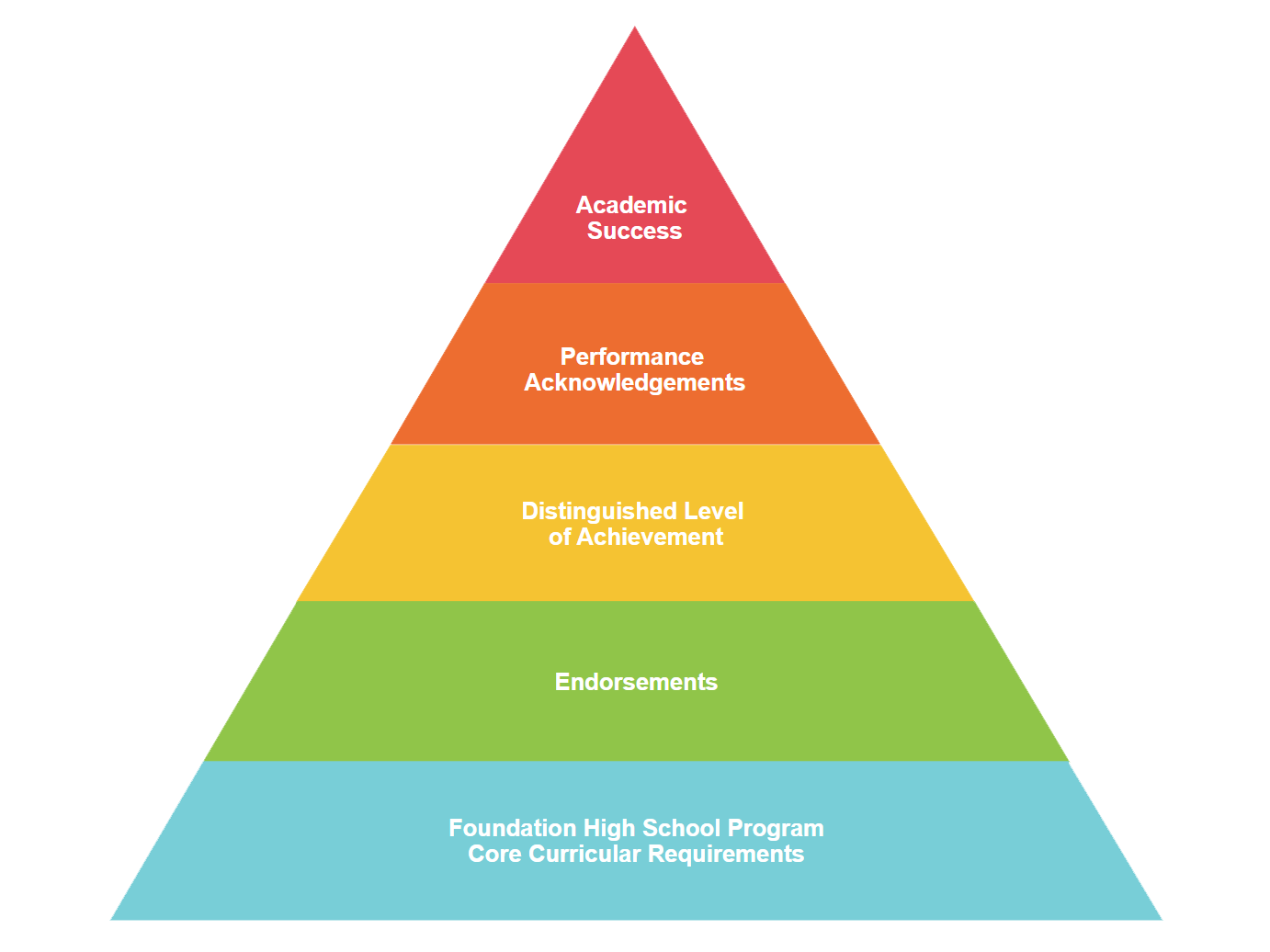
Each endorsement requires an additional 4 credits, structured to deepen knowledge within the chosen field. For example, a STEM endorsement might require advanced science and math courses, while an Arts and Humanities endorsement could involve additional foreign language or fine arts credits.
Navigating the High School Journey: Key Subject Areas and Credits
Understanding the credit requirements is one thing, but knowing what each subject entails and how it contributes to a broader worldview is another. Each course is a building block, not just for graduation, but for developing the skills and perspectives that enhance any travel experience or career path.
Core Subjects: English, Math, Science, and Social Studies
These subjects form the backbone of the Texas high school curriculum, equipping students with essential analytical, critical thinking, and communication skills.
- English Language Arts (4 credits): Beyond grammar and literature, these courses hone critical reading, analytical writing, and effective communication. These skills are invaluable for researching destinations, writing compelling travel reviews, or simply communicating clearly when navigating foreign lands. Whether you’re decoding a menu in London or understanding local customs, strong English skills are your foundation.
- Mathematics (3-4 credits): From Algebra to Calculus, math teaches logical reasoning and problem-solving. This isn’t just for future engineers; it’s for anyone who needs to manage a travel budget, understand exchange rates, or even navigate complex public transportation systems in a city like New York City.
- Science (3-4 credits): Biology, Chemistry, and Physics foster a scientific understanding of the world. This knowledge can enhance appreciation for natural landmarks like the Grand Canyon, understanding climate patterns when planning trips, or even appreciating the technological advancements in modern accommodation options.
- Social Studies (3-4 credits): Courses like U.S. History, World Geography, and Economics provide context for global events and diverse cultures. A strong grasp of history helps you appreciate the significance of sites like the Alamo in San Antonio or the ancient ruins of Machu Picchu (if I were to mention it, but I won’t for now). Geography ignites curiosity about different regions, making you a more informed and engaged traveler.
Electives and Beyond: Personalizing Your Path
The elective credits and endorsement courses are where students truly begin to personalize their high school journey. These choices can significantly influence a student’s future, guiding them towards specific career fields or equipping them with skills that directly support a travel-centric lifestyle.
- Foreign Language (LOTE): As mentioned, taking two credits in the same language like Spanish, French, or German directly prepares students for international travel. Imagine ordering dinner confidently in Barcelona or understanding local conversations in Quebec City.
- Career and Technical Education (CTE): Courses in hospitality, culinary arts, graphic design, or information technology can provide marketable skills for jobs that allow for remote work or positions in the global tourism industry. A student with culinary skills could work as a chef in an international resort, or a graphic designer could design travel brochures from anywhere in the world.
- Fine Arts: Music, theatre, and visual arts cultivate creativity and cultural appreciation, which are invaluable for enjoying museums, local performances, and the artistic expressions found in every corner of the globe.
Beyond the Diploma: How Education Unlocks Travel and Lifestyle Opportunities
A high school diploma from Texas is more than just a piece of paper; it’s a key that unlocks countless doors to future possibilities. For those with a passion for travel and a desire for an enriching lifestyle, this foundational education is indispensable.
The Link Between Education and Global Exploration
A strong educational background enhances travel in numerous ways:
- Informed Travel Experiences: Understanding history, geography, and local culture transforms a simple vacation into a profound learning experience. You move beyond merely seeing sights to truly comprehending their significance. Visiting the Colosseum (if I were to mention it) means more when you know the history of ancient Rome.
- Career Mobility: Many professions that offer flexible hours, remote work options, or international placements require a solid educational foundation. From digital nomads working in Bali to international consultants flying between Dallas and Dubai, education provides the skills and credentials to make such a lifestyle possible.
- Financial Literacy: The math and economics learned in high school are crucial for budgeting for trips, understanding investments, and generally managing the finances required for extensive travel or a chosen lifestyle. Savvy financial planning allows for more frequent and luxurious accommodations, from suite hotels to private villas.
- Personal Growth and Adaptability: High school teaches problem-solving, resilience, and adaptability – qualities essential for navigating unexpected challenges while traveling. Whether it’s a delayed flight or a language barrier, your education equips you to handle it with grace.
Choosing a Path: Higher Education and Career Prospects
Many Texas high school graduates opt for higher education, which can directly lead to globally-oriented careers. Attending institutions like the University of Texas or Texas A&M University can open doors to study abroad programs, international internships, and degrees that are recognized worldwide. Fields such as international relations, hospitality management, environmental science, or foreign languages often involve significant travel and cross-cultural interaction.
Alternatively, some students enter vocational training or directly into the workforce. For example, a student pursuing the Business and Industry endorsement might enter the hospitality industry, working their way up through various hotels and resorts across the United States and beyond. The skills learned in high school are universally applicable, no matter the chosen path.
Embracing the Texas Experience: Local Insights and Post-Graduation Life
While focusing on the academic path, it’s also important to remember that Texas itself offers a rich tapestry of experiences that can inspire and prepare students for future adventures. The diverse landscape and vibrant cities of Texas provide a microcosm of the global travel experience.
Exploring Texas Cities: From Academic Pursuits to Tourist Delights
Graduating high school in Texas means you’ve been educated in a state that is a destination in itself. Post-graduation, many students continue their education or begin their careers in major Texas cities, each offering unique attractions and lifestyle opportunities:
- Houston: Home to Space Center Houston, a major port, and a diverse culinary scene. A graduate here might pursue a career in aerospace, energy, or international trade, often leading to global travel. The city also offers a wide range of accommodations, from luxurious suites to budget-friendly hotels.
- Dallas & Fort Worth: A vibrant economic hub with world-class museums and a rich cowboy heritage. Careers in finance, fashion, and business thrive here, often involving business travel both domestically and internationally.
- Austin: The state capital, known for its live music, tech industry, and outdoor activities. This city fosters a creative and innovative lifestyle, appealing to those who might pursue careers allowing for a flexible, travel-oriented existence.
- San Antonio: Rich in history, featuring the iconic Alamo and the picturesque Riverwalk. A popular tourism destination, it’s a great place for students interested in hospitality or cultural preservation.
- El Paso: On the border with Mexico, offering a unique blend of American and Mexican cultures and a gateway to exploring the Southwest. This city provides a direct experience with cross-border travel and cultural exchange.
Even within Texas, there are incredible natural landmarks and attractions to explore, such as Big Bend National Park, Guadalupe Mountains National Park, and the beautiful beaches of South Padre Island. These local destinations offer opportunities for weekend trips, demonstrating that a travel-rich lifestyle doesn’t always require a passport.
Planning Your Next Chapter: Travel, Work, and Continued Learning
Successfully completing the credit requirements for high school graduation in Texas is a significant achievement. It marks the culmination of one educational chapter and the beginning of another, whether that involves formal higher education, entering the workforce, or embarking on a gap year filled with travel experiences. The structured curriculum, combined with the flexibility of endorsements, ensures that Texas graduates are well-prepared for whatever path they choose.
From understanding the intricate architecture of historical European cities to navigating the bustling modern streets of Asian metropolises, the skills acquired during high school in Texas are directly transferable. Whether you dream of backpacking through Southeast Asia, working remotely from a coastal villa, or simply taking enriching family trips, your high school diploma is your foundational ticket to a world of possibilities. It’s the prerequisite for a life of continuous learning, memorable journeys, and a truly global lifestyle.
LifeOutOfTheBox is a participant in the Amazon Services LLC Associates Program, an affiliate advertising program designed to provide a means for sites to earn advertising fees by advertising and linking to Amazon.com. Amazon, the Amazon logo, AmazonSupply, and the AmazonSupply logo are trademarks of Amazon.com, Inc. or its affiliates. As an Amazon Associate we earn affiliate commissions from qualifying purchases.