
Alaska, a land of dramatic landscapes and breathtaking natural phenomena, famously experiences periods of extended daylight and profound darkness. The question, “How many days of night in Alaska?” doesn’t have a simple, single answer, as the duration of darkness is intricately tied to its geographical location and the Earth’s axial tilt. For travelers and adventurers drawn to the allure of the Last Frontier, understanding these cycles is key to planning an unforgettable trip, whether you’re chasing the ethereal glow of the Northern Lights or the endless sunlit hours of summer.
The state’s vast expanse stretches across multiple latitudes, meaning the experience of day and night varies significantly from the southern tip to the northern reaches. Alaska’s proximity to the Arctic Circle is the primary driver behind these extreme variations, leading to phenomena like the “midnight sun” and the polar night. This article will delve into the specifics of these periods, explore how they impact travel and experiences, and offer insights for planning your Alaskan adventure around these unique celestial events.
Understanding the Arctic Phenomenon: Midnight Sun and Polar Night
Alaska’s unique light cycles are a direct consequence of its high-latitude position. As a planet, Earth orbits the sun, but it also rotates on an axis that is tilted at approximately 23.5 degrees relative to its orbital plane. This tilt is the reason we experience seasons, and it’s also responsible for the extreme variations in daylight hours at latitudes above the Arctic Circle (66.5 degrees North) and below the Antarctic Circle (66.5 degrees South).
The Midnight Sun: Endless Daylight
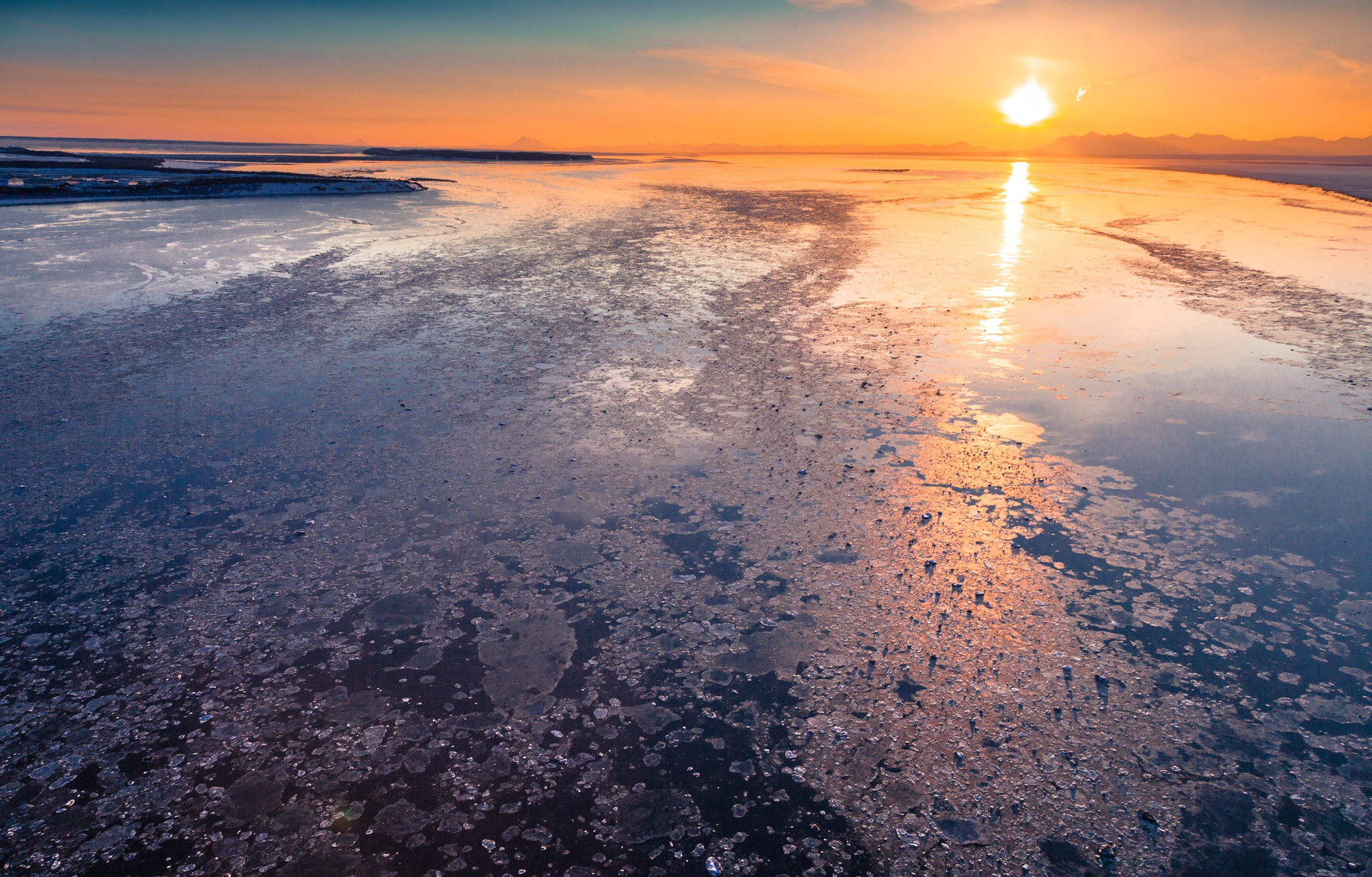
The “midnight sun” is a phenomenon where the sun remains visible at the horizon for 24 consecutive hours. This occurs during the summer solstice, typically around June 20th or 21st, and for a period extending before and after this date. In Alaska, the extent of this phenomenon is directly proportional to how far north you travel.
-
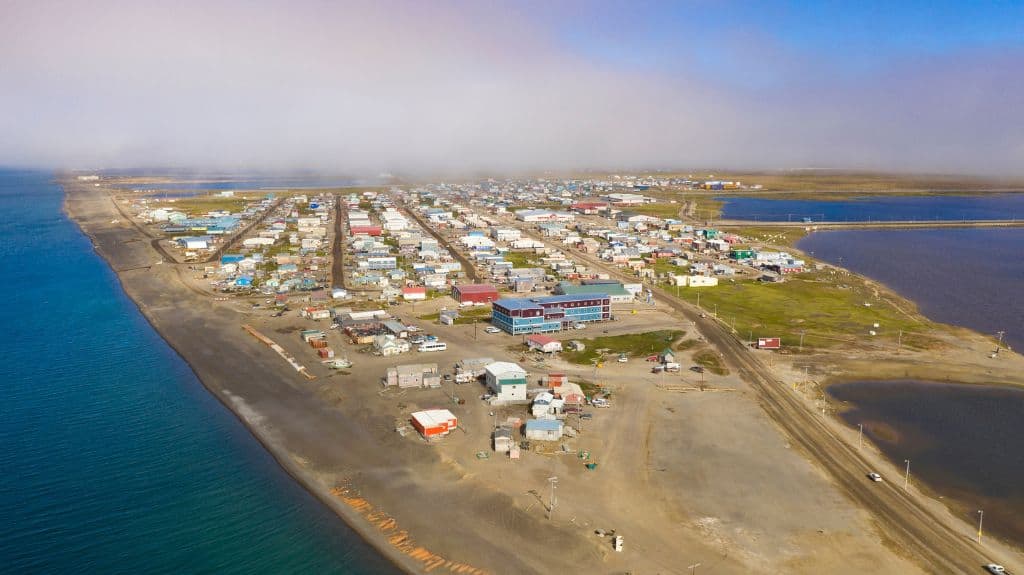
North of the Arctic Circle: Areas such as Barrow (Utqiagvik), Prudhoe Bay, and the North Slope experience the most prolonged periods of the midnight sun. In Utqiagvik, the sun doesn’t set for roughly three months, from May through July. This means a continuous period of daylight, where the sun dips towards the horizon around midnight but never fully disappears. For visitors, this offers ample opportunities for daytime exploration, hiking, wildlife viewing, and enjoying the vast, open landscapes under constant illumination. Activities can extend late into the “night,” blurring the lines between day and evening.
-
South of the Arctic Circle: Even in areas further south, like Fairbanks, the daylight hours during summer are significantly extended. While the sun does set, the twilight can last for a considerable portion of the night, creating a beautiful, soft, and lingering light. Fairbanks experiences nearly 22 hours of daylight around the summer solstice. This extended light makes it an ideal time to explore attractions like Denali National Park and Preserve or take scenic drives along the Parks Highway, with plenty of time for activities and photography.
The Polar Night: The Longest Nights
Conversely, the “polar night” is the period when the sun remains below the horizon for 24 consecutive hours. This occurs during the winter solstice, around December 21st or 22nd, and for a duration before and after this date. While the term “polar night” strictly refers to the complete absence of the sun, in many Alaskan locations, it’s more accurately described as very extended periods of twilight and darkness.
-
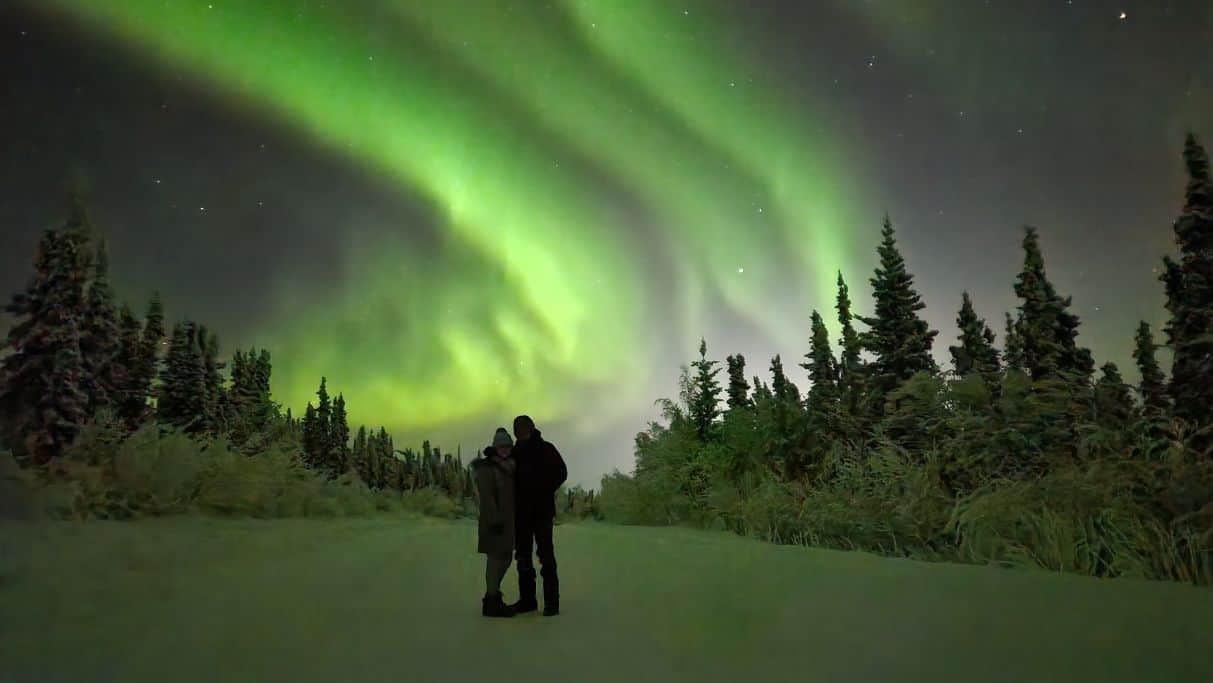
North of the Arctic Circle: Utqiagvik experiences its polar night for about two months, from late November to late January. During this time, the sun does not rise above the horizon. However, this doesn’t mean complete darkness. The sky is often illuminated by a soft, ethereal twilight, especially around midday, and the landscape is bathed in the haunting beauty of moonlight and the glow of the Northern Lights. This is the prime season for aurora viewing, as the extended darkness provides the perfect canvas for this spectacular natural light show.
-
South of the Arctic Circle: Cities like Anchorage and Juneau do not experience a true 24-hour polar night. However, winter days are extremely short. In Anchorage, the sun might only be visible for a few hours a day around the winter solstice, rising late and setting early. This period of limited daylight, coupled with long, dark evenings, is ideal for activities like ice fishing, skiing, and, of course, aurora hunting. The darkness also creates a cozy atmosphere, perfect for enjoying a warm lodge or a comfortable hotel stay.
Planning Your Alaskan Adventure: Maximizing Daylight or Embracing the Dark
The number of days of night in Alaska directly influences the kind of travel experience one can have. Whether you are seeking adventure under the constant glow of the summer sun or hoping to witness the magic of the aurora borealis in the deep winter darkness, understanding these cycles is crucial for planning.
Summer Travel: Embracing the Midnight Sun
Traveling to Alaska during the summer months offers the advantage of almost unlimited daylight, allowing for more flexibility and a packed itinerary.
- Activities: From hiking in Denali National Park and Preserve to kayaking in Kenai Fjords National Park, you can spend your days exploring the diverse landscapes without the pressure of dwindling light. Boat tours to see whales and sea otters in Homer or Seward can extend well into the evening, offering more opportunities for wildlife encounters. Road trips across the state, such as the drive along the Richardson Highway, become more enjoyable with the extended visibility.
- Accommodation: Many hotels and lodges offer special “midnight sun” packages, encouraging guests to take advantage of the long days. For those seeking a unique experience, consider staying in a remote cabin or a glamping tent, allowing you to fully immerse yourself in the extended daylight hours. The Alyeska Resort near Anchorage is a prime example of a luxury resort that offers year-round appeal, but its summer offerings are enhanced by the prolonged daylight.
- Travel Tips: Pack layers of clothing, as even during the summer, Alaskan weather can be unpredictable. Bring an eye mask for sleeping, as adjusting to the constant daylight can be challenging for some. Consider booking popular tours and accommodations in advance, as summer is peak tourist season in Alaska.
Winter Travel: Chasing the Aurora Borealis
The winter months in Alaska, characterized by their long nights, are a prime time for experiencing the magic of the aurora borealis.
- Aurora Viewing: The extended darkness provides the perfect conditions for witnessing the Northern Lights. Locations like Fairbanks are renowned for their aurora viewing opportunities, with many tours and accommodations specializing in this experience. Staying at an aurora lodge, such as the Borealis Basecamp, or participating in an aurora chase tour can significantly increase your chances of seeing this celestial dance.
- Winter Activities: Beyond the aurora, winter in Alaska offers unique activities. Dog sledding tours, ice fishing on frozen lakes, and snowshoeing through snow-covered forests are popular pastimes. Exploring charming towns like Skagway or Juneau during winter offers a different, more serene perspective of Alaskan life, often with a focus on cozy indoor experiences and local culture.
- Accommodation: Winter accommodations often cater to aurora seekers. Many hotels offer wake-up calls when the aurora is visible, and lodges are equipped with viewing platforms or specialized rooms. Consider a stay in a remote wilderness lodge for an even more immersive aurora experience.
The Spectrum of Light: A Geographic Perspective
The number of days of “night” (or complete absence of direct sunlight) is not uniform across Alaska. The state’s vast latitudinal range means that the experience of the polar night, and conversely, the midnight sun, is dramatically different depending on where you are.
Coastal vs. Interior vs. Arctic
- Coastal Regions: Cities like Juneau, Ketchikan, and Sitka experience less extreme variations in daylight compared to the interior or the Arctic. While winter days are short and summer days long, they generally don’t reach the 24-hour extremes seen further north. The maritime climate also means more cloud cover, which can obscure both the midnight sun and the aurora borealis.
- Interior Alaska: Fairbanks sits just south of the Arctic Circle and experiences significant daylight variations. Around the summer solstice, it enjoys nearly 22 hours of daylight. In winter, the days are very short, with only a few hours of twilight. This makes Fairbanks a popular destination for both summer adventures and winter aurora viewing. The Grande Alaska Lodge near Fairbanks is an example of accommodations catering to this unique climate.
- Arctic Alaska: The North Slope, including Utqiagvik (formerly Barrow), is the region that experiences the most dramatic phenomena. Utqiagvik is north of the Arctic Circle and experiences approximately three months of continuous daylight in the summer and two months of complete darkness in the winter. This offers the most intense experience of the midnight sun and polar night, making it a unique destination for those seeking to witness these extreme natural cycles.
Planning Your Visit Based on Light Cycles
When planning a trip to Alaska, consider your primary interests:
- For extended daylight activities: Plan your visit between late May and late July, focusing on the solstice period for the most pronounced midnight sun effects. This is ideal for hiking, fishing, scenic drives, and general exploration.
- For aurora borealis viewing: Aim for the darker months, from late August through April. The peak viewing season is generally considered to be from September to March, when the nights are longest and darkest, especially in interior and northern Alaska.
- For a balance of activities and moderate daylight: Shoulder seasons like September and April can offer a good balance, with reasonable daylight hours and opportunities to see the aurora.
The question of “How many days of night in Alaska?” is a gateway to understanding a truly unique natural phenomenon. It’s a reminder of the Earth’s celestial dance and how our planet’s tilt creates extraordinary experiences. Whether you’re captivated by the sun that never sets or the darkness that hosts a canvas for the Northern Lights, Alaska offers an adventure that is shaped by the very light (or lack thereof) that bathes its stunning landscapes. Understanding these cycles will empower you to plan the most incredible Alaskan journey tailored to your interests, ensuring you experience the magic of this vast and wild state at its most spectacular.
LifeOutOfTheBox is a participant in the Amazon Services LLC Associates Program, an affiliate advertising program designed to provide a means for sites to earn advertising fees by advertising and linking to Amazon.com. Amazon, the Amazon logo, AmazonSupply, and the AmazonSupply logo are trademarks of Amazon.com, Inc. or its affiliates. As an Amazon Associate we earn affiliate commissions from qualifying purchases.