
The Boston Marathon, an iconic event steeped in history and tradition, is a testament to human endurance and spirit. However, the mention of its name often evokes memories of a tragic day in its long history. On April 15, 2013, the finish line area of the race on Boylston Street in Boston’s Copley Square became the scene of a devastating act of terrorism. This horrific event resulted in the deaths of three spectators and inflicted injuries upon hundreds of others. In the immediate aftermath, an MIT police officer, Sean Collier, was also tragically killed by the perpetrators, and another police officer, Dennis Simmonds, died nearly a year later from injuries sustained during the manhunt that followed the bombing.
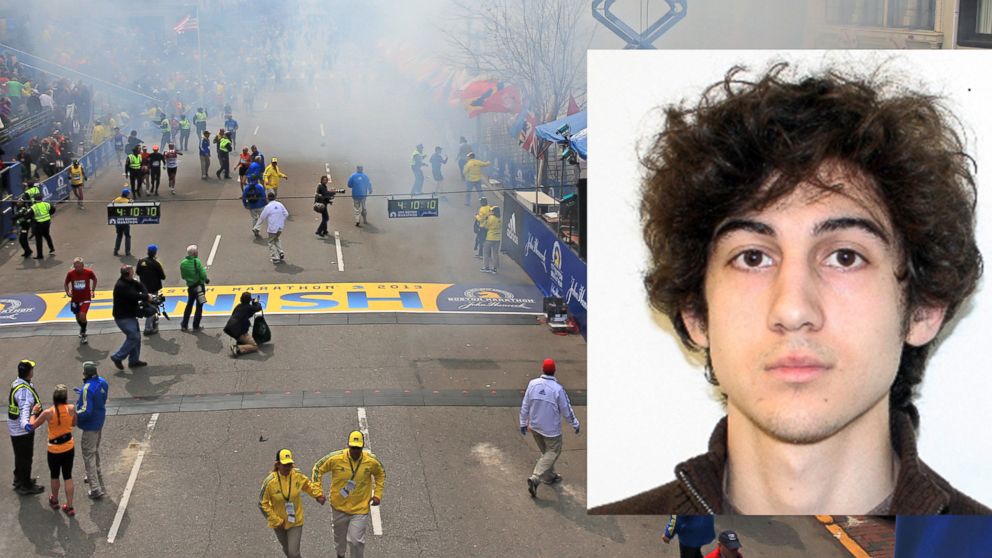
This somber moment in the city’s history forever changed how many view the marathon, yet it also brought forth an overwhelming display of courage, community, and resilience, encapsulated in the rallying cry “Boston Strong.” While the memory of this day remains a poignant part of Boston’s narrative, the city has emerged stronger, continuing to celebrate its rich heritage, vibrant culture, and enduring spirit. For travelers planning a visit, Boston offers a profound experience, blending historical reflection with an abundance of attractions, culinary delights, and diverse accommodation options that showcase its unwavering vitality.
The Boston Marathon Bombing: A Day That Shook the City
The 2013 Boston Marathon bombing was a pivotal moment, etching a painful memory into the heart of a city renowned for its historical significance and communal strength. Understanding the event is crucial not only for historical context but also for appreciating the profound resilience that defines Boston today.
A Tragic Day and Immediate Aftermath
On that fateful Patriot’s Day, as thousands of runners neared the finish line of the 117th Boston Marathon, two homemade pressure-cooker bombs detonated just seconds apart. The explosions occurred at approximately 2:49 PM EDT, targeting crowds of spectators eagerly awaiting the arrival of their loved ones and cheering on participants. The blasts killed three innocent people: Krystle Campbell, Martin Richard, and Lingzi Lu. Over 260 others sustained injuries, many of them severe, including lost limbs. The scene quickly transformed from a celebratory finish line to one of chaos and despair, but it was immediately met with extraordinary acts of heroism from first responders, medical personnel, and ordinary citizens who rushed to aid the wounded.
The days that followed were marked by an intense manhunt for the perpetrators, brothers Dzhokhar and Tamerlan Tsarnaev. This pursuit gripped the entire Boston metropolitan area, leading to an unprecedented lockdown and a widespread display of solidarity. During this period, MIT police officer Sean Collier was ambushed and killed by the suspects. The manhunt culminated in a dramatic confrontation in Watertown, where Tamerlan Tsarnaev was killed, and Dzhokhar Tsarnaev was later captured. The bravery of law enforcement and the unwavering support from the community during these tense days further solidified the “Boston Strong” mantra, a phrase that became synonymous with the city’s spirit in the face of adversity. This period of challenge showcased the deep-rooted community ties and the compassionate nature of its residents, themes that resonate deeply with visitors seeking to understand the soul of Boston.
Honoring the Victims: Memorials and Remembrance
In the years since the bombing, Boston has ensured that the memory of the victims and the resilience of its people are never forgotten. The city unveiled the permanent Boston Marathon Memorial on Boylston Street, near the sites of the explosions. Designed by landscape architect Elizabeth Endo, the memorial comprises two distinct but related installations, each marking the location of one of the bombs. These poignant tributes feature bronze spires, symbolizing the lives lost and the aspirations of those affected, nestled amidst plantings and illuminated at night, inviting quiet contemplation. The memorial serves as a place for reflection, remembrance, and a testament to the city’s unwavering commitment to healing and hope.
Visiting these sites can be a deeply moving experience for travelers, offering a moment to pause and reflect on the tragic events, but also on the strength of the human spirit. It’s a powerful reminder of how historical events, even somber ones, contribute to the unique character and story of a destination. Many visitors also take the time to visit other community spaces and landmarks that played a role in the aftermath, recognizing the collective grief and subsequent resurgence that defined this challenging period for Boston.
Boston’s Enduring Spirit: A City of Resilience and Rich History
Despite the indelible mark left by the 2013 bombing, Boston remains a city brimming with life, history, and an indomitable spirit. Its narrative is one of perseverance, from its revolutionary origins to its modern-day status as a hub of innovation and culture. For travelers, this resilience adds another layer of depth to an already captivating destination.
Experiencing the Marathon Route Today
The Boston Marathon route, stretching 26.2 miles from Hopkinton to Boston’s Copley Square, is more than just a racecourse; it’s a living monument to human achievement and historical significance. Today, the route continues to host the annual marathon, drawing thousands of runners and over a million spectators who line the streets, creating an electrifying atmosphere that celebrates life and community. For visitors, walking or even just observing sections of the route, particularly along Boylston Street, offers a unique perspective. You can witness the iconic finish line, now marked with a renewed sense of purpose, and reflect on the journey that both runners and the city itself have undertaken.
Exploring the route allows you to trace a path through diverse Boston neighborhoods and towns, each with its own character and charm. From the quiet suburbs to the bustling urban core, the marathon path offers a glimpse into the broader fabric of life in and around Boston, showcasing its blend of historic architecture, green spaces, and vibrant community hubs. It’s an experience that transcends mere sightseeing, offering a tangible connection to the city’s narrative of triumph and endurance.

Iconic Landmarks Beyond the Finish Line
Boston is a treasure trove of historical landmarks and cultural attractions, making it an ideal destination for history buffs and curious travelers alike. Beyond the poignant Boston Marathon Memorial, the city invites exploration of its pivotal role in American history. The renowned Freedom Trail, a 2.5-mile walking path, guides visitors through 16 historically significant sites. Starting at the Boston Common, it leads to revolutionary landmarks like the Massachusetts State House, Park Street Church, Granary Burying Ground, Old South Meeting House, the Old State House, and the site of the Boston Massacre. Further along, you’ll discover Faneuil Hall, often called the “Cradle of Liberty,” and the Paul Revere House in the charming North End district. The trail culminates at the Bunker Hill Monument in Charlestown and the USS Constitution.
Beyond these revolutionary sites, Boston offers a wealth of diverse attractions. Sports enthusiasts can catch a game at Fenway Park, America’s oldest baseball stadium and home to the Boston Red Sox. Art and culture lovers can immerse themselves in the collections of the Museum of Fine Arts or the Isabella Stewart Gardner Museum. The New England Aquarium on the Waterfront provides family-friendly exploration of marine life, while a stroll through the picturesque streets of Beacon Hill offers a glimpse into historic Boston elegance. Each of these landmarks tells a piece of Boston’s larger story, enriching the visitor’s experience and providing a multifaceted view of this remarkable city.
A Traveler’s Guide to Boston: Culture, Cuisine, and Accommodation
Boston is not just a city of historical gravitas; it’s a dynamic metropolis that offers a vibrant contemporary experience. From its world-class culinary scene to its diverse neighborhoods and exceptional accommodation options, Boston caters to every type of traveler.
Culinary Journeys and Cultural Immersion
Boston’s food scene is as diverse as its history. A visit would be incomplete without indulging in its renowned seafood, from classic clam chowder to succulent lobster rolls available at numerous eateries along the Waterfront and in the Seaport District. For an authentic taste of Italy, the North End beckons with its labyrinthine streets, lined with trattorias, bakeries, and cafes serving up traditional pasta dishes, cannoli, and espresso. Beyond these staples, Boston boasts an innovative culinary landscape, with award-winning restaurants offering global cuisine, farm-to-table experiences, and a thriving craft beer scene. Food tours are a popular way to explore these gastronomic delights, providing insights into local culture and history alongside delicious samples.
Culturally, Boston is a powerhouse. Home to prestigious institutions like Harvard University in Cambridge and MIT, the city exudes an intellectual vibrancy. Visitors can explore the charming Harvard Yard, browse independent bookstores, or catch a performance at one of the city’s many theaters. The Boston Symphony Orchestra, numerous art galleries, and lively street performances contribute to a rich cultural tapestry. From historic Irish pubs to sophisticated jazz clubs, Boston’s nightlife offers something for every preference, allowing visitors to truly immerse themselves in the local lifestyle.
Finding Your Ideal Stay: Hotels and Neighborhoods
When it comes to accommodation, Boston offers a spectrum of choices, from luxury hotels to boutique hotels and budget-friendly stays, each providing a unique experience. Deciding where to stay often depends on your travel style and the primary focus of your visit.
- Back Bay: Ideal for those seeking elegance, high-end shopping on Newbury Street, and proximity to Copley Square and the Boston Marathon Memorial. Here you’ll find iconic establishments like the Four Seasons Hotel Boston or the Fairmont Copley Plaza.
- Waterfront / Seaport District: Perfect for modern luxury, innovative dining, and easy access to the New England Aquarium and ferry services. The Boston Harbor Hotel offers stunning views and upscale amenities.
- Downtown / Financial District: A central location with excellent access to the Freedom Trail, Faneuil Hall, and various business centers. Hotels like The Langham, Boston provide historical charm with modern comforts.
- North End: For those desiring a more immersive, neighborhood feel and unparalleled access to Italian cuisine. Accommodation here tends to be smaller, boutique options or guesthouses.
- Cambridge: Just across the Charles River, offering a distinct academic vibe with access to Harvard and MIT, along with its own vibrant dining and cultural scene. The Charles Hotel is a notable choice here.
Whether you’re looking for a sprawling resort experience or a quaint guesthouse, Boston’s accommodation landscape is equipped to enhance your visit, offering comfort and convenience that align with your travel preferences and budget.

Navigating Boston: Essential Travel Tips
Getting around Boston is relatively easy, thanks to its compact size and efficient public transportation system, the MBTA (affectionately known as “the T”). The subway and bus lines connect most major attractions and neighborhoods, making it simple to explore without a car. For historical walks, comfortable shoes are a must, especially if you plan to tackle the Freedom Trail.
The best time to visit Boston is typically during the spring (April-May) and fall (September-October), when the weather is pleasant, and the city bursts with either blossoming flowers or stunning autumn foliage. These seasons also host various festivals and events, adding to the city’s lively atmosphere. Summers can be warm and humid, while winters bring cold temperatures and occasional snow, though the city takes on a charming, festive glow during the holiday season. Booking your accommodation and popular tours in advance is highly recommended, especially during peak travel seasons or major events like the Boston Marathon to secure the best rates and availability.
Ultimately, a trip to Boston is an opportunity to engage with a city that profoundly shaped American history and continues to evolve with remarkable strength and spirit. It’s a place where moments of sorrow are remembered, but where the enduring power of community and progress shines brightest.