
The Boston Marathon of 2013 stands as a poignant moment in the history of the United States, forever etched in the collective memory not just for the athletic endeavor it represents, but for the tragic events that unfolded on April 15th of that year. While the immediate question “How many died in Boston Marathon 2013?” demands a direct answer, understanding the full scope of the tragedy and its enduring impact requires a deeper look into the victims, the city’s response, and how Boston has since transformed its grief into resilience.
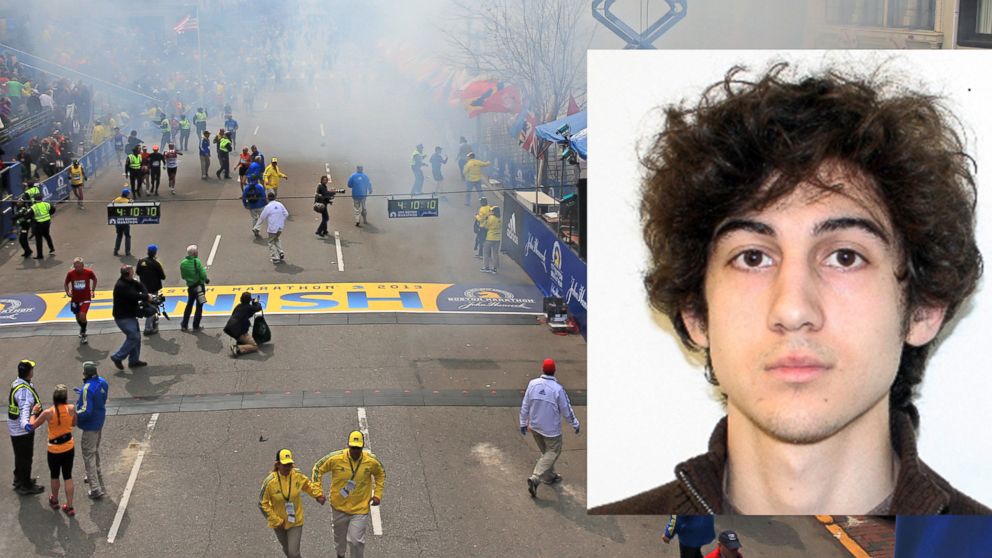
On that fateful Patriots’ Day, two homemade pressure-cooker bombs detonated near the finish line of the iconic race on Boylston Street, claiming the lives of three innocent spectators and injuring hundreds more. In the immediate aftermath and subsequent days, the terror extended its reach, contributing to the deaths of additional individuals connected to the events. This article explores the details of the tragedy, the profound human cost, and how Boston has chosen to remember, rebuild, and continue to inspire as a vibrant travel destination.
The Tragic Day and Its Immediate Aftermath
The afternoon of April 15, 2013, was supposed to be a celebration of human endurance and community spirit, as thousands of runners completed the grueling 26.2-mile course. Instead, it became a scene of chaos and heroism, forever altering the lives of countless individuals.
The Immediate Toll and the Victims
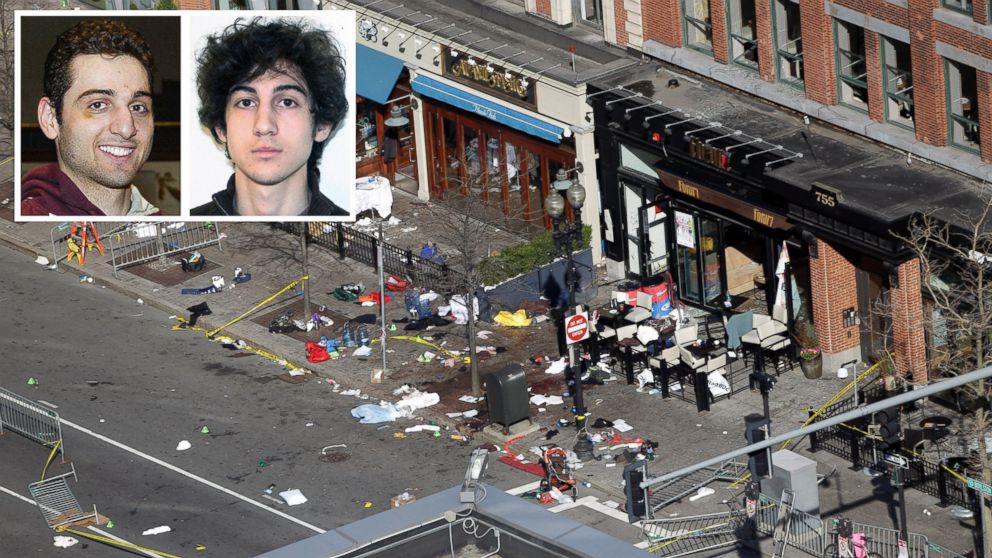
The initial explosions at 2:49 PM ET, just seconds apart, struck near the finish line, a place typically bustling with cheering spectators and exhausted runners. Three people lost their lives that day as a direct result of the bombings:
- Krystle Campbell: A 29-year-old restaurant manager from Arlington, Massachusetts, who was watching the race with a friend.
- Lu Lingzi: A 23-year-old graduate student from China, studying at Boston University, who was watching the race with friends.
- Martin Richard: An 8-year-old boy from Dorchester, Massachusetts, who was with his family cheering on runners. His mother and sister were also severely injured.
In addition to these three fatalities, more than 260 people were injured, many sustaining life-altering wounds, including traumatic amputations, shrapnel injuries, and burns. The bravery of first responders, medical personnel, and even fellow spectators who rushed to aid the injured was immediately evident, showcasing a remarkable human spirit amidst the devastation.
The terror, however, did not end on Boylston Street. The subsequent manhunt for the perpetrators led to further casualties:
- Sean Collier: A 27-year-old police officer with the Massachusetts Institute of Technology (MIT) Police Department, was tragically shot and killed by the bombers on April 18, 2013, in Cambridge, as they attempted to evade capture.
- Richard Heath: A 33-year-old MBTA Transit Police officer, sustained fatal injuries in a shootout with the suspects in Watertown on April 19, 2013. Though he was not a direct victim of the initial bombings, his death was a direct consequence of the events that unfolded in the days following the attack, bringing the total number of lives lost due to the marathon bombing incident to five.
The events of those days shook Boston to its core, but they also unveiled an extraordinary resolve.
The Spirit of “Boston Strong”
In the face of unimaginable horror, Boston responded with an outpouring of unity, courage, and determination that quickly coalesced into the rallying cry, “Boston Strong.” This phrase transcended a mere slogan; it became the embodiment of the city’s resilience, its refusal to be defined by terror, and its unwavering commitment to community.
Within days, the city and surrounding areas witnessed an incredible display of solidarity. From emergency services working tirelessly to care for the injured and pursue the perpetrators, to ordinary citizens offering shelter, food, and support to those stranded or in need, the spirit of mutual aid was palpable. Hospitals, particularly the Massachusetts General Hospital, Brigham and Women’s Hospital, and Beth Israel Deaconess Medical Center, worked around the clock, demonstrating medical excellence under extreme pressure.
The return of the Boston Marathon in 2014, just a year after the attack, was a powerful testament to this spirit. With enhanced security, an even larger field of runners, and unprecedented spectator turnout, the city declared that the marathon would not only continue but thrive. The finish line, once a site of terror, became a beacon of hope and a symbol of triumph over adversity, drawing travelers from across the globe to participate in or witness this renewed declaration of strength. The phrase “Boston Strong” resonated globally, transforming a local tragedy into a universal message of resilience that continues to inspire.
Remembering the Fallen and Honoring Resilience
While the memory of the 2013 Boston Marathon bombings will always carry a profound sadness, Boston has also meticulously crafted spaces and traditions to honor the victims, celebrate the survivors, and reinforce the enduring spirit of the city. For visitors, these memorials offer a chance for quiet reflection and a deeper understanding of Boston’s journey.
Permanent Memorials and Sites of Reflection
The city has ensured that the memory of those lost and injured is preserved through thoughtful and accessible memorials, offering places of solace and remembrance for both residents and travelers.
- Boston Marathon Memorial on Boylston Street: Located near the sites of the explosions, the official Boston Marathon Memorial was unveiled in 2019. Designed by artist Martin Puryear, it features two distinct bronze spires, each representing the location of one of the blasts, flanked by polished stone markers inscribed with the names of the victims and the message “Boston Strong.” Lush plantings and gentle landscaping create a peaceful environment, encouraging visitors to pause, reflect, and remember. It’s a poignant stop for anyone visiting the Back Bay area, particularly near Copley Square.
- Martin Richard Park at Boston Children’s Museum: Dedicated to the youngest victim, the Martin Richard Park, located in the Seaport District, is an interactive space designed for play and inclusion. Its message of “Peace” and “Do not injure with words, acts, or thoughts” reflects the values championed by the Richard family in the wake of their devastating loss. This park serves as a living memorial, symbolizing hope and the importance of community for future generations.
- Copley Square and the Finish Line Area: Even without formal structures, the area around the finish line on Boylston Street and Copley Square serves as an ongoing site of remembrance. During the marathon season, temporary memorials, flowers, and messages of solidarity often appear, demonstrating that the spirit of “Boston Strong” remains vibrant. Visitors often pause here, reflecting on the courage and endurance that define the event.
These sites are not just for solemn reflection; they are also integral parts of Boston’s vibrant urban landscape, accessible to anyone exploring the city. They remind us that even in the face of tragedy, a community can come together to create meaning and hope.
The Enduring Legacy of the Boston Marathon
The Boston Marathon, first run in 1897, holds a revered place in the world of long-distance running. The events of 2013 did not diminish its legacy; rather, they deepened it, infusing the race with an even profounder significance and drawing the world’s attention to its unwavering spirit.
Today, the Boston Marathon is more than just a race; it is a powerful annual reaffirmation of endurance, community, and triumph over adversity. Runners, many of whom run for charitable causes, carry an added sense of purpose as they traverse the iconic course from Hopkinton to Boston. Spectators line the entire route, especially the infamous Heartbreak Hill and the final stretch on Boylston Street, to cheer on participants with unmatched enthusiasm.
For many travelers, attending the Boston Marathon is a bucket-list experience, combining the thrill of elite sports with the deeply moving atmosphere of collective remembrance and celebration. The marathon fosters a unique sense of camaraderie, connecting participants and observers through shared effort and shared history. Its legacy continues to grow, attracting global interest and reminding everyone that even after darkness, the spirit of sport and community can shine brighter than ever.
Experiencing Boston Beyond the Marathon’s Shadow
While the 2013 tragedy is an indelible part of Boston’s modern history, the city offers an incredibly rich and diverse travel experience that extends far beyond this singular event. Boston remains one of the most compelling destinations in the United States, blending revolutionary history with cutting-edge innovation, world-class culture with charming New England character.
Exploring Boston’s Rich History and Culture
Boston is a treasure trove for history buffs and culture enthusiasts alike, offering countless attractions that speak to its pivotal role in American history and its vibrant contemporary scene.
- The Freedom Trail: A 2.5-mile red-lined path through Downtown Boston connecting 16 historically significant sites, including the Paul Revere House, Faneuil Hall, the Old North Church, and the site of the Boston Massacre. Walking the Freedom Trail is a quintessential Boston experience, offering a direct link to the city’s revolutionary past.
- World-Class Museums: Boston boasts an impressive array of museums, catering to all interests. The Museum of Fine Arts (MFA) is one of the largest art museums in the country, while the Isabella Stewart Gardner Museum, a Venetian-style palace, offers a unique and intimate art experience. For those interested in science and innovation, the Museum of Science is a must-visit.
- Iconic Landmarks: Beyond historical sites, Boston is home to many recognizable landmarks. Catch a Boston Red Sox game at historic Fenway Park, stroll through Boston Common and the adjacent Public Garden with its famous swan boats, or explore the charming cobblestone streets of Beacon Hill with its gas lamps and federal-style rowhouses.
- Culinary Scene: Boston’s food scene is vibrant and diverse. Indulge in fresh seafood at the New England Aquarium’s surrounding restaurants, explore the authentic Italian eateries of the North End, or experience the innovative culinary landscape of the Seaport District, home to many of the city’s newest and trendiest dining establishments. Food tours are a fantastic way to savor Boston’s flavors and cultural influences.
From guided tours that delve into its storied past to exploring its burgeoning arts scene and diverse neighborhoods, Boston offers an unparalleled travel experience. Its walkable nature and efficient public transportation (MBTA, or “the T”) make it easy to navigate and discover its hidden gems.
Accommodation and Lifestyle in the Heart of New England
As a major global city and a popular tourist destination, Boston offers a wide array of accommodation options and lifestyle experiences, catering to every type of traveler and budget.
- Luxury Stays: For those seeking opulent comfort, Boston boasts an impressive selection of luxury hotels. The Four Seasons Hotel Boston, located directly opposite the Public Garden, offers impeccable service and stunning views. The Mandarin Oriental, Boston in the Back Bay provides a serene urban oasis with a renowned spa. Other top-tier choices include The Ritz-Carlton, Boston and the Fairmont Copley Plaza, offering classic elegance and prime locations.
- Boutique and Mid-Range Hotels: Boston also shines with its boutique hotel scene, offering unique character and personalized service. Options like the Kimpton Nine Zero Hotel downtown or The Envoy Hotel, Autograph Collection in the Seaport District combine modern design with local flair. Numerous mid-range hotels provide comfortable and convenient stays, particularly around the Waterfront and Theater District, perfect for business travelers or families.
- Budget-Friendly Options and Long-Term Stays: For budget-conscious travelers, hostels, guesthouses, and hotels further from the city center offer more affordable rates. Websites for booking apartments and extended-stay hotels are also available for those planning longer visits or seeking a more home-like experience.
- Neighborhood Charms: Each Boston neighborhood offers a distinct lifestyle and charm. Explore the intellectual vibrancy of Cambridge, home to Harvard University and MIT, just a short ride across the Charles River. Experience the bustling energy of the Seaport District with its modern architecture and waterfront dining, or the historic allure of Beacon Hill.
- Accessibility and Travel Tips: Boston is well-served by Logan International Airport, making it easily accessible for domestic and international travelers. The city’s compact nature means many attractions are within walking distance, and the efficient “T” system connects all major areas. For travelers looking to extend their New England adventure, Boston serves as an ideal base for day trips to destinations like Cape Cod, Martha’s Vineyard, Nantucket, or Provincetown.
In conclusion, while the question of “How many died in Boston Marathon 2013?” brings to light a profound tragedy, Boston’s story is ultimately one of unwavering resilience. The city continues to thrive, welcoming visitors to explore its rich tapestry of history, culture, and innovation. Visiting Boston today offers not just an opportunity to see iconic landmarks, but also to feel the enduring spirit of a community that confronted darkness with extraordinary strength and emerged, truly, “Boston Strong.”