
The question “How Many Died In The Boston Bombing?” immediately brings a somber tone to any conversation, reminding us of a tragic day in modern American history. On April 15, 2013, the vibrant celebration of the Boston Marathon, one of the world’s most iconic road races, turned into a scene of terror and chaos. While the numbers can never fully encapsulate the depth of loss and suffering, it is crucial to remember those whose lives were taken and the profound impact on a city and a nation.
In the immediate aftermath of the terrorist attack, three innocent spectators lost their lives. These individuals were present at the finish line on Boylston Street, eagerly watching or celebrating the runners. Days later, in a related pursuit of the perpetrators, one police officer was tragically killed. Beyond these four deaths, over 260 people were injured, many sustaining life-altering wounds, including amputations. The event left an indelible mark on the city of Boston and resonated globally, prompting an outpouring of grief, solidarity, and defiance that coalesced around the powerful mantra, “Boston Strong.”
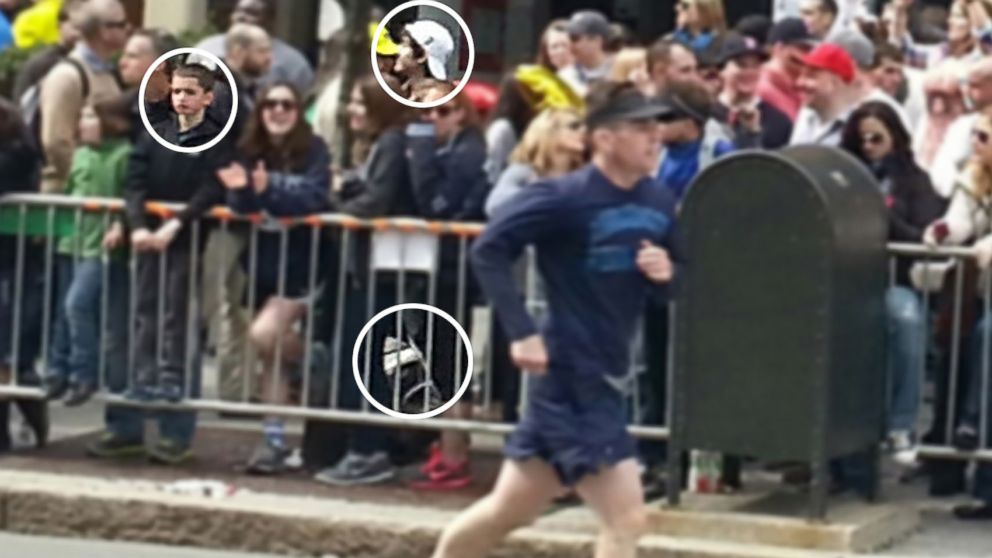
While the tragedy casts a long shadow, understanding the event and its aftermath also provides a unique perspective on Boston’s character, its resilience, and how communities can heal and thrive even in the face of immense adversity. For visitors planning to explore this historic United States city, recognizing the human stories and the memorials that stand today adds another layer of appreciation for Boston’s enduring spirit. This article delves into the specifics of that fateful day, the heroes who emerged, and how Boston has transformed the site of sorrow into a testament to unwavering human strength and an inspiration for travelers seeking destinations rich in history, culture, and profound human narratives.
The Day That Shook a City: Remembering April 15, 2013
Marathon Monday, as it’s affectionately known in Boston, typically ushers in a day of unparalleled excitement and camaraderie. Thousands of runners from across the globe converge on the historic city, culminating their arduous journey at the finish line in Copley Square. Families, friends, and enthusiastic spectators line the streets, creating an electric atmosphere of triumph and shared human endeavor. On April 15, 2013, this joyous tradition was shattered by two homemade pressure cooker bombs detonated seconds apart near the finish line. The explosions ripped through the crowd, instantly changing the lives of hundreds and sending shockwaves around the world.
The Immediate Toll and the Faces Behind the Numbers
The three individuals who died at the scene were:
- Krystle Campbell, a 29-year-old restaurant manager from Medford, Massachusetts. She was at the race with a friend, cheering on a mutual friend running the marathon. Her vibrant life was cut short, leaving behind a grieving family and community.
- Lingzi Lu, a 23-year-old graduate student from China, studying at Boston University. She was an aspiring statistician, enjoying the day with friends, when tragedy struck. Her loss was deeply felt by her family in China and her academic community in Boston.
- Martin Richard, an 8-year-old boy from Dorchester, Massachusetts. He was watching the race with his family. His mother sustained a serious brain injury, and his younger sister lost a leg. Martin’s death, particularly due to his young age, symbolized the horrific innocence shattered by the act of terror and became a poignant emblem of the tragedy.
The immediate aftermath was a scene of pandemonium, quickly transforming into one of heroic selflessness. First responders, medical personnel, runners, and ordinary citizens rushed towards the injured, providing aid, applying tourniquets, and helping to evacuate victims. Hospitals across Boston were overwhelmed but responded with extraordinary coordination and compassion, saving countless lives and performing complex surgeries. The sheer volume of serious injuries, particularly to lower extremities, underscored the brutal nature of the improvised explosives. The physical wounds were profound, but the psychological trauma extended far beyond those directly affected, touching everyone who witnessed or learned of the events.
The Aftermath and the Loss of Sean Collier
In the days that followed, Boston and its surrounding communities were gripped by a massive manhunt for the perpetrators. The city came to a standstill, with residents asked to shelter in place as law enforcement agencies scoured neighborhoods, relying on surveillance footage and tips from the public. This period of intense anxiety and uncertainty culminated in a tragic encounter on April 18, 2013.
During the manhunt, MIT Police Officer Sean Collier, a 27-year-old officer serving at the Massachusetts Institute of Technology in nearby Cambridge, was ambushed and killed by the bombers as they attempted to steal his firearm. Officer Collier’s death, though occurring days after the initial attack, was a direct consequence of the terrorists’ flight and their continued violence. His sacrifice was a stark reminder of the bravery of law enforcement officers and the ongoing threat posed by the attackers. The subsequent pursuit and capture of one of the bombers, and the death of the other, brought a tense closure to an agonizing week. The four lives lost – Krystle Campbell, Lingzi Lu, Martin Richard, and Officer Sean Collier – represent the ultimate cost of that act of terror, and their memory continues to be honored.
Boston Strong: A City’s Unwavering Spirit and Resilience
From the ashes of the attack, a powerful and unifying force emerged: “Boston Strong.” This simple phrase, initially scrawled on signs and t-shirts, quickly became a global rallying cry, embodying the spirit of a city that refused to be defeated by fear. It symbolized the extraordinary resilience, courage, and compassion displayed by countless individuals, solidifying Boston’s image not just as a historical and cultural hub, but as a beacon of human strength.
The Unifying Power of “Boston Strong”

The “Boston Strong” movement was more than just a slogan; it was a demonstration of communal unity and defiance. It manifested in various ways: the lines of blood donors eager to help, the spontaneous memorials adorned with flowers and messages of hope, and the incredible fundraising efforts that swiftly followed. Organizations like One Fund Boston were established to provide financial assistance to victims and their families, collecting millions of dollars through global donations.
The spirit of “Boston Strong” transcended local boundaries, becoming an inspiration for communities worldwide facing adversity. It showcased how collective resolve, empathy, and a refusal to succumb to hatred can empower a population to heal and move forward. For any visitor to Boston, this underlying current of resilience remains palpable. It’s woven into the fabric of the city, influencing its cultural narrative and the way its citizens engage with their shared history and future. This collective spirit defines not only the recovery from a tragedy but also the very essence of the Bostonian lifestyle.
Rebuilding and Remembering: Memorials and Milestones
In the years following the bombing, Boston has diligently worked to honor the victims and to ensure that the memory of that day serves as a lesson in strength and unity. Permanent memorials have been established, transforming sites of sorrow into places of reflection and remembrance.
The most prominent of these is the Boston Marathon Memorial located on Boylston Street, near the actual finish line. Comprising four bronze spires, each representing one of the lives lost, the memorial stands as a dignified and poignant landmark. Adorned with granite stones etched with footprints and quotes, it invites visitors to pause, reflect, and remember the victims and the enduring spirit of Boston. This memorial is not just a tribute; it’s a testament to the city’s commitment to never forget and to continue its journey of healing.
Another significant milestone in the city’s recovery was the resumption of the Boston Marathon in subsequent years. The 2014 marathon, in particular, became a powerful symbol of defiance and triumph, with an unprecedented number of participants and spectators lining the route. The cheers were louder, the emotions more intense, and the collective will to reclaim the event’s joyous spirit was palpable. The Marathon continues to be a major international event, drawing in thousands of participants and spectators, making it a significant annual tourism draw. Its continued success exemplifies Boston’s resilience and its refusal to let terror dictate its traditions.
Visiting Boston: A City of History, Resilience, and Vibrant Life
For travelers, Boston offers an unparalleled blend of historical significance, modern vibrancy, and an inspiring narrative of resilience. While the memory of the bombing remains a part of its recent history, it doesn’t define the entire city. Instead, it adds a layer of depth to understanding the strong, community-focused spirit that makes Boston a truly unique travel destination.
Experiencing Boston Beyond the Headlines
When visiting Boston, tourists can immerse themselves in centuries of American history by walking the Freedom Trail, a 2.5-mile red-lined path that leads to 16 historically significant sites. From the Boston Common, the oldest city park in the United States, to Faneuil Hall, the site of revolutionary speeches, and the Old North Church, from which the famous “one if by land, two if by sea” signal was sent, every corner tells a story. The Paul Revere House in the historic North End offers a glimpse into colonial life, while nearby, the vibrant Italian-American community provides an exceptional culinary scene.
Beyond its revolutionary past, Boston is a hub of intellectual pursuit, home to world-renowned institutions like Harvard University in Cambridge, which beckons visitors to explore its historic campus. The city boasts an impressive array of arts and culture attractions, including the Museum of Fine Arts and the exquisitely curated Isabella Stewart Gardner Museum. For families, the New England Aquarium and the city’s parks along the Charles River offer delightful experiences. Sports enthusiasts can catch a game at Fenway Park, one of the oldest and most beloved ballparks in America, or visit the iconic Cheers Bar for a nostalgic drink. Modern architectural marvels like the John Hancock Tower and the Prudential Center stand proudly alongside historic brownstones in areas like Back Bay and Beacon Hill.
Even the Boston Marathon route itself, which winds through several towns including the infamous Heartbreak Hill in Newton, connects visitors to the city’s enduring spirit of perseverance. It’s an experience that highlights not just a race, but a community’s journey through challenge and triumph.

Staying in Boston: Accommodation and Planning Your Visit
Planning your trip to Boston means considering its diverse accommodation options, ranging from luxurious hotels to charming boutique stays and convenient apartments. The city caters to all preferences and budgets, ensuring a comfortable base for exploring its many wonders.
For those seeking luxury and prime locations, areas like Back Bay and the Seaport District offer renowned establishments such as The Lenox Hotel, the Mandarin Oriental, Boston, and The Ritz-Carlton, Boston. These provide opulent suites, top-tier amenities, and often breathtaking views of the city skyline or the Charles River. Business travelers might prefer the convenience of the Financial District, while those looking for a vibrant cultural experience might enjoy the unique charm of the South End. Options like the Hyatt Regency Boston or the Kimpton Marlowe Hotel (in Cambridge) offer excellent service and accessibility to various attractions.
It’s wise to plan your visit, especially if traveling during major events. The Boston Marathon in April, for instance, draws immense crowds, making hotel bookings competitive and prices higher. Similarly, summer and fall foliage seasons are popular, attracting many visitors eager to explore the city and perhaps take day trips to nearby destinations like Cape Cod, Martha’s Vineyard, or Nantucket. Major transportation hubs like Logan International Airport connect Boston to domestic cities like New York City, Washington D.C., and Philadelphia, as well as international destinations in Canada, Europe, and Asia, making it an accessible destination for global tourism.
In conclusion, while the question “How Many Died In The Boston Bombing?” elicits a profound sense of sadness, the answer—three civilians and one police officer—serves as a reminder of the fragility of life and the immense human cost of such acts. Yet, more than a decade later, Boston stands not as a city defined by tragedy, but as one celebrated for its extraordinary resilience. It is a place where history, innovation, and an unbreakable community spirit converge. When you visit Boston, you’re not just exploring a collection of historic sites; you’re experiencing the heartbeat of a city that transformed adversity into an enduring testament to strength, a living monument to human courage, and an inspiring destination for travelers seeking depth and meaning in their journeys.
LifeOutOfTheBox is a participant in the Amazon Services LLC Associates Program, an affiliate advertising program designed to provide a means for sites to earn advertising fees by advertising and linking to Amazon.com. Amazon, the Amazon logo, AmazonSupply, and the AmazonSupply logo are trademarks of Amazon.com, Inc. or its affiliates. As an Amazon Associate we earn affiliate commissions from qualifying purchases.