
The question “How many districts are in California?” might seem straightforward, but its answer is as multifaceted and dynamic as the Golden State itself. Depending on whether you’re referring to political divisions, administrative zones, or culturally significant neighborhoods, the number and nature of these districts vary dramatically. For travelers, understanding these distinctions offers a profound insight into the diverse landscapes, vibrant cultures, and unique experiences that define California. From the bustling metropolises of Los Angeles and San Francisco to the serene beauty of its national parks and the historic charm of its smaller towns, California’s districts — in all their forms — shape the essence of its appeal as a premier travel destination.
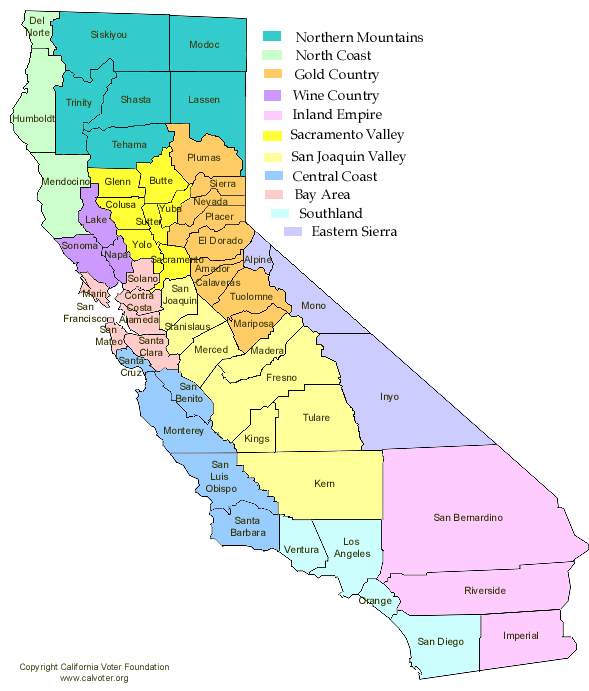
This exploration will delve into the various types of districts that comprise California, illustrating how each layer contributes to the state’s rich tapestry, influencing everything from local governance to the array of travel and accommodation options available. Whether you’re seeking luxury resorts, exploring historical landmarks, or immersing yourself in local culture and food, understanding the district framework will enhance your journey through this magnificent state.
Understanding California’s Diverse Electoral and Administrative Landscape
California, being the most populous state in the United States, necessitates a complex system of electoral and administrative districts to ensure fair representation and efficient governance. These divisions, while primarily political, have profound implications for the travel and tourism industry, shaping local policies, preserving natural attractions, and fostering unique community identities that draw visitors from around the globe. Delving into these structures helps travelers appreciate the underlying organization that supports the state’s diverse offerings.
Congressional Districts: A National Perspective within the Golden State
At the federal level, California is divided into 52 Congressional Districts, the largest number of any state due to its vast population. Each district elects a representative to the U.S. House of Representatives. These districts are meticulously drawn to ensure proportional representation, and their boundaries often encompass wildly different demographic, economic, and geographic landscapes. For instance, one congressional district might include the sprawling urban core of Los Angeles, home to iconic attractions like Universal Studios Hollywood and countless luxury hotels, reflecting a vibrant, cosmopolitan lifestyle. Another might stretch across vast agricultural lands in the Central Valley, offering a glimpse into California’s agricultural backbone and rural heritage, potentially featuring farm stays or agritourism experiences.
The diverse nature of these congressional districts means that local issues and priorities vary significantly. A district encompassing a portion of Silicon Valley might focus on tech innovation and business travel, leading to modern accommodations and sophisticated dining scenes. In contrast, a district along the Pacific Coast Highway could prioritize environmental conservation and scenic tourism, offering quaint beachfront hotels, hiking trails, and eco-friendly activities. Travelers keen on experiencing the full spectrum of California’s offerings can use these broad regional distinctions as a guide to discover varied attractions, local cultures, and unique travel experiences, understanding that each district, while part of the larger state, possesses its own distinct character and appeal.
State Legislative Districts: Shaping Local Policy and Identity
Beyond federal representation, California also maintains a robust system of state legislative districts. The state is divided into 80 State Assembly Districts and 40 State Senate Districts. These districts are responsible for electing representatives to the California State Legislature, which enacts laws and policies directly impacting the lives of Californians and, by extension, the state’s tourism sector. The policies decided within these districts can significantly influence the travel landscape, from regulations concerning environmental protection for state parks to licensing for hotels and restaurants, and even funding for local transportation infrastructure that facilitates access to attractions.
For travelers, the impact of these legislative districts can be subtle yet profound. For example, a State Senate district encompassing the Napa Valley might prioritize legislation supporting the wine industry, leading to a flourishing ecosystem of vineyards, gourmet restaurants, and high-end resorts that cater to wine tourism. Conversely, a district bordering Yosemite National Park might focus on conservation efforts, influencing the availability of certain types of accommodation (e.g., rustic cabins vs. sprawling resorts) and promoting outdoor activities. These districts also play a critical role in fostering local identities and cultural preservation. Many districts work to protect historical landmarks, support local arts scenes, and promote unique cultural festivals, all of which contribute to the rich tapestry of experiences available to tourists. Understanding these state-level divisions helps travelers appreciate the localized efforts that shape the distinct character of California’s regions, encouraging deeper engagement with specific communities and their unique offerings.
Beyond Electoral Maps: Districts of Cultural and Economic Significance
While political districts provide a structural framework, the concept of “districts” in California extends far beyond electoral boundaries. The state is also characterized by numerous special districts and, perhaps more importantly for travelers, by countless culturally and economically defined districts or neighborhoods. These areas, often developed organically or through specific planning, are the vibrant hubs where tourism truly flourishes, offering concentrated experiences related to local culture, cuisine, entertainment, and accommodation.
Special Districts: The Unsung Heroes of Local Services and Attractions

In addition to congressional and state legislative districts, California is home to thousands of Special Districts. These are independent government agencies formed to perform specific functions within defined boundaries, often providing a single type of public service. Examples include water districts, park districts, fire districts, school districts, transit districts, and hospital districts. While not typically on a tourist’s radar, these special districts play an indispensable, often unseen, role in supporting the infrastructure and amenities that make travel enjoyable and safe.
Consider the Golden Gate Bridge Highway and Transportation District, which oversees the operation and maintenance of the iconic Golden Gate Bridge itself, a global landmark. Without such a district, the structural integrity and accessibility of this major tourist attraction, along with the ferry services it provides, would be compromised. Similarly, local park districts manage countless urban and regional parks, providing green spaces, recreational facilities, and natural attractions that contribute significantly to a city’s appeal and offer budget-friendly activities for families. Transit districts, such as the Bay Area Rapid Transit (BART)) system, ensure convenient access to major attractions, hotels, and business centers in regions like the San Francisco Bay Area. These special districts, by ensuring the provision of essential services and the maintenance of critical infrastructure, indirectly enhance the overall travel experience, allowing visitors to seamlessly enjoy California’s diverse offerings, from its world-class landmarks to its local community treasures.
Tourist Districts and Neighborhoods: Where Travel Experiences Flourish
Perhaps the most immediately relevant “districts” for travelers are the renowned tourist districts and neighborhoods that pepper California’s cities and towns. These are not defined by political boundaries but by their concentration of attractions, unique cultural identities, and specialized offerings. These districts are the epicenters of tourism, where local culture is often most palpable, and where visitors can find a curated experience reflecting a specific aspect of California life.
In San Diego, the historic Gaslamp Quarter stands out with its Victorian architecture, vibrant nightlife, diverse culinary scene, and boutique hotels, offering a lively urban experience. A short drive away, Balboa Park forms its own distinct district of museums, gardens, and cultural institutions. Up the coast, Los Angeles boasts iconic areas like Hollywood, synonymous with entertainment, movie studios, and celebrity culture, where travelers can walk the Walk of Fame, visit the Chinese Theatre, and stay in luxurious accommodation. The glitzy streets of Beverly Hills form another distinct district, offering high-end shopping on Rodeo Drive and exclusive resorts.
San Francisco is famous for its distinct neighborhoods, each functioning as a de facto district with its own charm. Fisherman’s Wharf offers fresh seafood, sea lion sightings, and views of Alcatraz Island. The colorful houses and bohemian spirit of the Haight-Ashbury district transport visitors back to the 1960s, while Chinatown pulses with rich cultural heritage and delectable cuisine. Even smaller cities like Sacramento have their own gems, such as Old Sacramento, a preserved historic district that evokes the Gold Rush era with its wooden sidewalks and horse-drawn carriages. These tourist districts are crucial for providing diverse accommodation options, from luxury suites in high-rise hotels to charming bed and breakfasts, and for curating specific travel experiences tailored to different interests, showcasing the best of California’s local culture, food, and landmarks.
Planning Your California Adventure: Navigating Districts for Optimal Travel
For any traveler embarking on a California adventure, understanding the concept of districts – whether political or cultural – is not merely an academic exercise; it’s a practical tool for planning an optimal and enriching journey. Each district, with its unique characteristics, offers a different array of experiences, accommodations, and amenities. Strategic planning that considers these distinctions can transform a generic trip into a deeply personalized exploration of the Golden State’s diverse offerings. From selecting the perfect hotel to immersing oneself in a specific lifestyle, districts serve as invaluable guides.
Accommodations and Accessibility Across Diverse Districts
When it comes to accommodation, the district you choose can profoundly impact your entire travel experience. California’s diverse districts offer a spectrum of lodging options, catering to every preference and budget. In the bustling heart of Downtown Los Angeles, for instance, you’ll find a concentration of high-rise business hotels, luxury suites, and boutique establishments perfect for urban explorers or business stays, often with excellent access to public transportation and cultural venues like the Walt Disney Concert Hall. Conversely, a district bordering a national forest might predominantly feature rustic cabins, campgrounds, or small, family-run motels, ideal for those seeking nature and budget-friendly options.
Consider the allure of Anaheim, home to Disneyland Resort. This area functions as its own specialized tourist district, with numerous family-friendly hotels and resorts located within walking distance or a short shuttle ride to the theme parks. The accommodation here is specifically designed to cater to families, offering amenities like pools, kid-friendly dining, and often package deals. In stark contrast, the beachfront districts of Santa Monica or Laguna Beach boast luxurious resorts and charming oceanfront villas, prioritizing scenic views, beach access, and a more relaxed, upscale lifestyle. Researching district-specific amenities, transport links, and proximity to desired attractions is crucial. Booking platforms and reviews often categorize hotels by neighborhood or district, making it easier to compare and select the ideal base for your California adventure, ensuring that your chosen accommodation aligns perfectly with your travel itinerary and lifestyle preferences.

Experiencing California’s Lifestyle Through its Distinct Regions
California’s districts are not just geographical divisions; they are gateways to distinct lifestyles and cultural experiences. Understanding these regional identities allows travelers to tailor their trips to align with specific interests, whether it’s indulging in luxury travel, embarking on a budget-friendly adventure, planning a memorable family trip, or navigating a business stay. For example, the desert oasis of Palm Springs and its surrounding Coachella Valley is a renowned district for luxury travel, offering opulent resorts, championship golf courses, and a thriving arts scene, appealing to those seeking relaxation and high-end leisure. The architectural style, the culinary scene, and even the local fashion in this district reflect a laid-back, yet sophisticated, desert chic.
On the other hand, a district encompassing areas near the Redwood National Park or the Sierra Nevada mountains caters to an adventurous, nature-loving lifestyle. Here, the emphasis is on outdoor activities like hiking, camping, and mountain biking, with accommodations often being eco-lodges, cabins, or campsites. The local culture prioritizes conservation and a connection with nature. For family trips, districts surrounding major theme parks, such as those near Knott’s Berry Farm in Buena Park or LEGOLAND California in Carlsbad, offer a high concentration of kid-friendly attractions, restaurants, and hotels. Business travelers might gravitate towards financial districts in major cities like San Francisco or Sacramento, where modern hotels, conference facilities, and efficient public transport are paramount. By recognizing the distinct lifestyle offerings of California’s myriad districts, travelers can craft an itinerary that not only visits famous places but truly immerses them in the unique spirit and character of each region, making for a richer and more memorable journey.
In conclusion, the question of “How many districts are in California?” reveals a complex and fascinating organizational structure that underpins the state’s diverse appeal. From the precisely drawn lines of its 52 Congressional Districts and 80 State Assembly/40 State Senate Districts that govern its political landscape, to the thousands of crucial Special Districts that maintain its infrastructure and services, and finally, to the countless tourist districts and vibrant neighborhoods that define its cultural and economic heart, each layer contributes to the Golden State’s unique identity. For travelers, this intricate web of districts is more than just administrative jargon; it’s a navigational guide to unlocking the full potential of a California adventure. By understanding the distinct character, attractions, accommodation options, and lifestyle offerings inherent in each type of district, visitors can strategically plan their journey, ensuring they discover the specific local cultures, historical landmarks, culinary delights, and recreational activities that resonate most deeply with their travel aspirations. Whether seeking the bustling energy of an urban hub, the serene beauty of a natural preserve, or the specialized charm of a historic quarter, California’s districts are the fundamental building blocks of an unforgettable travel experience.