
California, a land of breathtaking landscapes and vibrant cities, is also a land of seismic activity. The very forces that shaped its dramatic coastline and towering mountains are also responsible for the frequent tremors that characterize the Golden State. For many, especially those planning a visit or considering a new home, understanding the frequency and intensity of earthquakes in California is crucial. This article delves into the seismic reality of California, exploring the numbers, the reasons behind the activity, and what it means for travelers and residents alike.
The Seismic Tapestry of California
California’s reputation as an earthquake-prone region is well-earned. The state sits atop a complex network of tectonic plates, primarily the San Andreas Fault, a transform boundary where the Pacific Plate grinds past the North American Plate. This constant geological ballet results in millions of years of built-up stress, which is periodically released in the form of earthquakes.
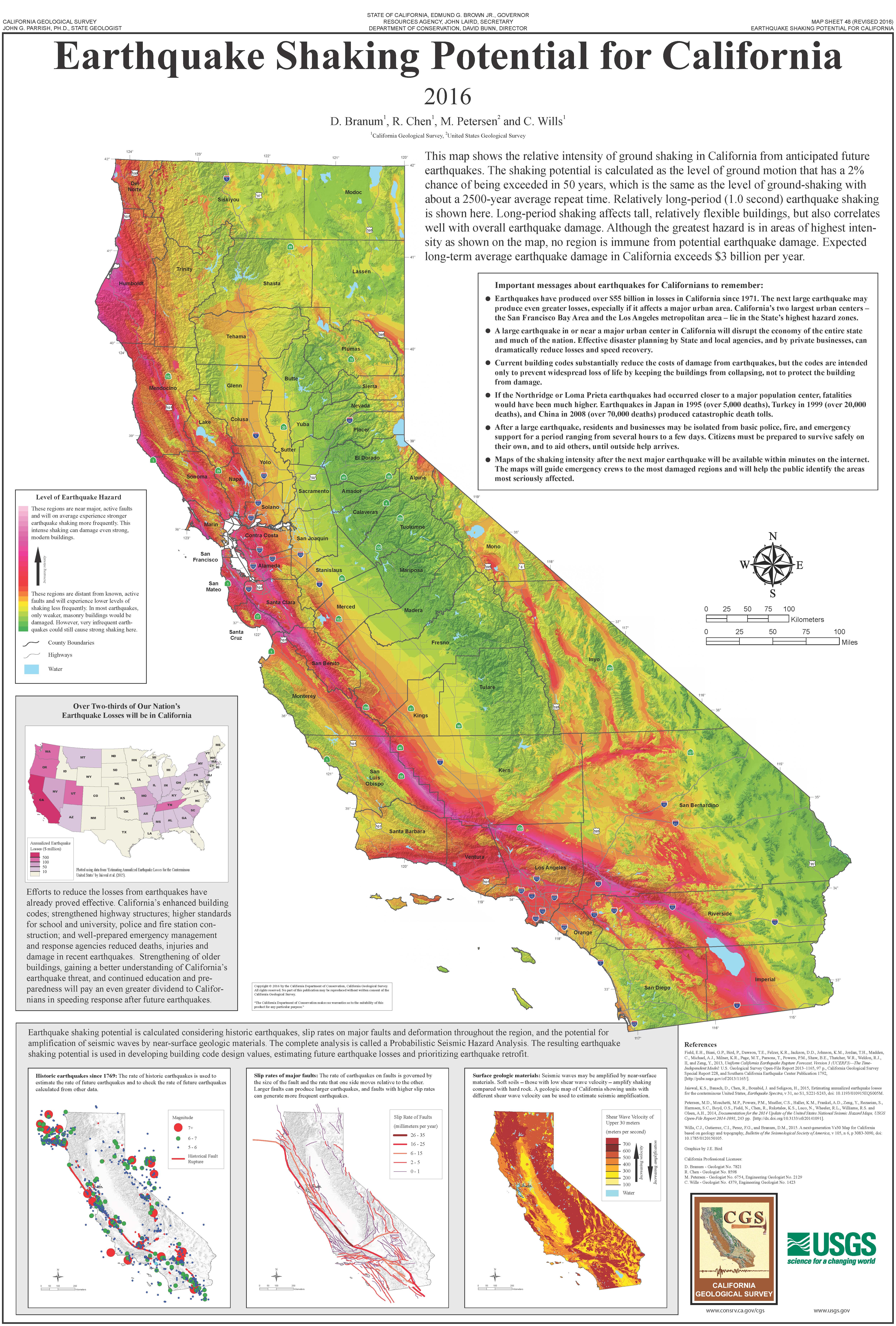
While sensational headlines often focus on major, devastating quakes, the reality is that California experiences a vast number of seismic events on a daily basis. Most of these are minor tremors, imperceptible to humans, and only detectable by sensitive instruments. However, the sheer volume of these small events underscores the dynamic nature of California’s geology.
Understanding the Numbers: Frequency and Magnitude
Pinpointing an exact number of earthquakes in California is a complex task, as the definition of an “earthquake” can vary. Seismologists typically consider events above a certain magnitude to be significant enough for reporting. The U.S. Geological Survey (USGS) is the primary authority for tracking seismic activity in the United States. According to their data, California experiences:
- Thousands of earthquakes annually: The vast majority of these are too small to be felt. The USGS typically registers hundreds of thousands of earthquakes worldwide each year, with California accounting for a significant portion of these.
- Hundreds of earthquakes strong enough to be felt: While not all are reported widely, a noticeable number of these events can be felt by residents across the state.
- Tens of significant earthquakes each year: These are earthquakes with magnitudes that can cause moderate damage, rattling objects, and causing alarm.
- An average of one to two major earthquakes (magnitude 6.7 or greater) every few years: While infrequent, these are the events that can cause widespread damage and disruption. Major earthquakes of magnitude 7.0 or higher are even rarer, but the potential for such an event is a constant consideration in earthquake preparedness.
It’s important to differentiate between magnitude and intensity. Magnitude measures the energy released at the earthquake’s source, while intensity describes the shaking and damage experienced at a particular location. A large magnitude earthquake can cause less damage if it occurs in a sparsely populated area or at a great depth, while a smaller magnitude quake closer to a densely populated urban center can be far more destructive.
The type of fault also plays a role. The San Andreas Fault is a strike-slip fault, meaning the plates move horizontally past each other. Other fault systems in California, like the Hayward Fault in the San Francisco Bay Area, are also significant sources of seismic risk.
California’s Major Fault Systems and Their Activity
California’s seismic activity is intrinsically linked to its prominent fault lines. Understanding these systems provides a clearer picture of where and why earthquakes occur.
The San Andreas Fault: The Great California Divide
The San Andreas Fault is the most famous and arguably the most significant fault system in California. Stretching over 370 miles from near Cape Mendocino in the north to the Salton Sea in the south, it marks the boundary between the Pacific Plate and the North American Plate. The fault is responsible for some of California’s most powerful earthquakes in history, including the devastating 1906 San Francisco earthquake and the 1989 Loma Prieta earthquake.
The San Andreas Fault is not a single, continuous rupture but a complex system of interconnected faults. Different segments of the fault move at different rates, contributing to varying levels of seismic hazard. Some sections creep slowly, releasing stress gradually, while others are locked, accumulating significant strain that could lead to a major rupture. Scientists closely monitor these segments for signs of impending seismic activity.
Beyond the San Andreas: A Network of Tremors

While the San Andreas Fault garners the most attention, it’s crucial to recognize that California has an extensive network of other active faults. These include:
- The Hayward Fault: This fault runs through densely populated areas of the East Bay in the San Francisco Bay Area, including cities like Oakland and Berkeley. It is considered one of the most dangerous faults in the United States due to its proximity to millions of people.
- The Garlock Fault: Located in southern California, this fault runs east-west and is a significant feature in the Mojave Desert.
- The Sierra Madre Fault Zone: This complex system of faults lies north of the Los Angeles Basin and is responsible for many earthquakes in the Los Angeles metropolitan area.
- The Big Pine Fault and the White Wolf Fault: These are also significant fault systems in the southern part of the state.
Each of these fault systems contributes to California’s overall seismic profile, generating earthquakes of varying magnitudes and frequencies. The interplay between these faults creates a complex seismic landscape that requires constant monitoring and understanding.
Navigating California: Travel, Tourism, and Seismic Preparedness
For visitors and residents alike, California’s seismic activity is an inherent part of its identity. While the thought of earthquakes can be unnerving, understanding the realities and adopting preparedness measures can allow for a safe and enjoyable experience.
Planning Your California Adventure
California offers an unparalleled range of travel experiences, from the bustling streets of Los Angeles and the iconic Golden Gate Bridge in San Francisco to the serene beauty of Yosemite National Park and the desert allure of Joshua Tree National Park. The state’s diverse attractions, including world-class resorts like the Ritz-Carlton Bacara, Santa Barbara and charming boutique hotels, cater to every traveler’s needs.
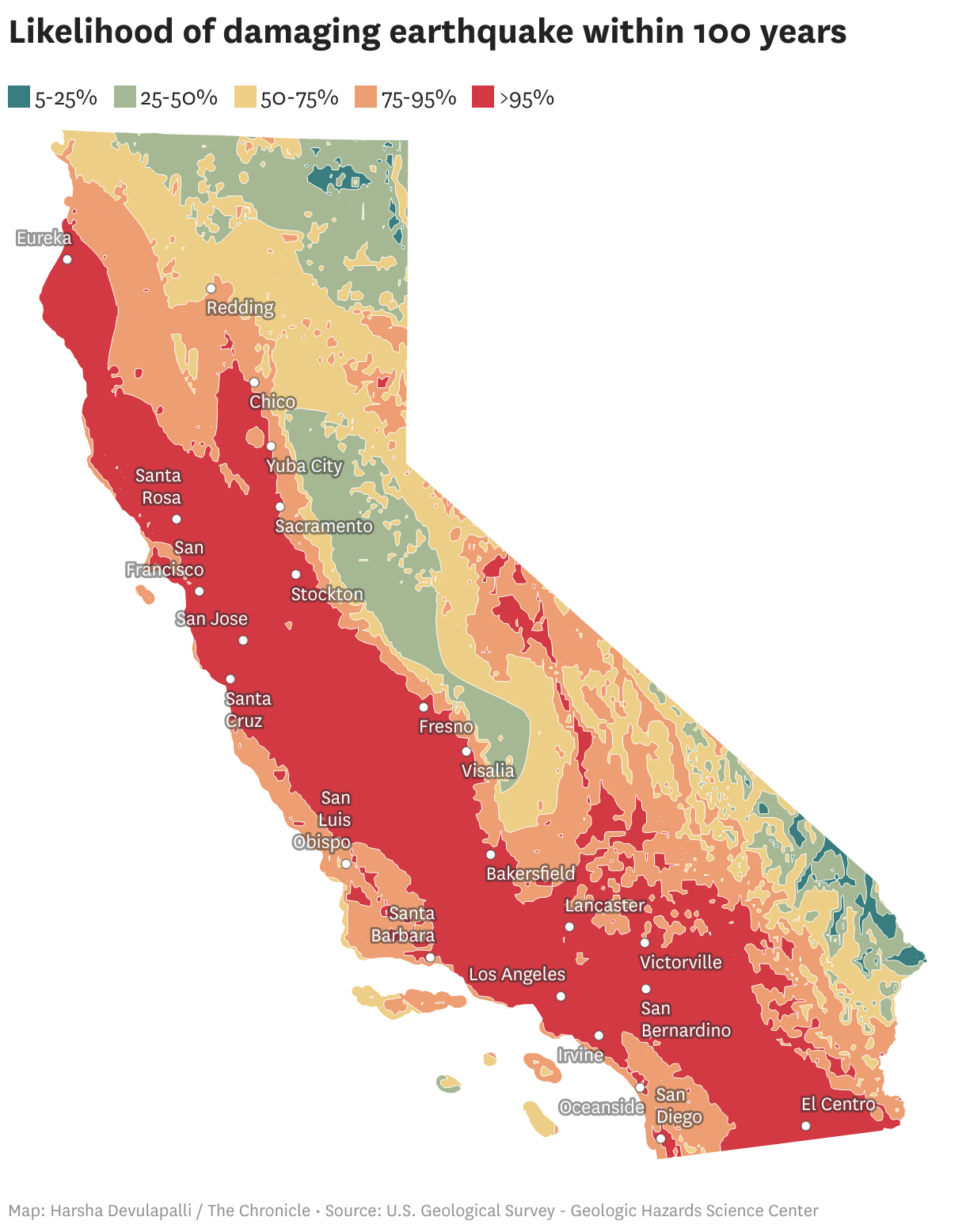
When planning a trip to California, it’s wise to be aware of the general seismic risk. However, it’s important to remember that major, damaging earthquakes are infrequent. The vast majority of seismic events are minor and do not impact travel plans. Most modern buildings in California are constructed to strict seismic codes, offering a high degree of safety.
Staying Safe During an Earthquake
Preparedness is key to mitigating any risks associated with earthquakes. Both travelers and residents should familiarize themselves with the “Drop, Cover, and Hold On” procedure.
- Drop: Drop down onto your hands and knees. This position prevents you from being knocked down and allows you to move if necessary.
- Cover: Cover your head and neck with your arms. If possible, crawl under a sturdy table or desk. If not, move to an interior wall and cover your head and neck.
- Hold On: Hold on to your shelter (e.g., the table leg) until the shaking stops.
When staying in hotels, such as the Marriott Marquis San Diego Marina or a luxury villa in Napa Valley, inquire about the hotel’s earthquake safety procedures and locate the nearest emergency exits. Many hotels provide earthquake preparedness information in their rooms.
For those considering long-term stays or accommodation in California, understanding local building codes and geological surveys of the area can provide valuable insight. Websites like the California Earthquake Authority offer comprehensive resources on earthquake preparedness and safety.
Embracing the Lifestyle
California’s lifestyle is as diverse as its geography, encompassing everything from high-end luxury travel and budget-friendly adventures to family trips and business stays. The state’s rich local culture, renowned culinary scene, and endless array of activities, from hiking in the Sierra Nevada Mountains to exploring the art and architecture of Santa Barbara, make it a perennially popular destination.
While earthquakes are a part of life in California, they should not deter anyone from experiencing all that this incredible state has to offer. With a little knowledge and preparation, visitors and residents can confidently explore California’s wonders, embracing its unique character and resilient spirit. The seismic narrative of California is not one of constant danger, but rather one of dynamic geological forces shaping a vibrant and extraordinary place.