
While the allure of California often conjures images of sun-drenched beaches, iconic theme parks, and Hollywood glamour, the Golden State is also undeniably a land of geological dynamism. The very forces that shaped its dramatic landscapes also contribute to its seismic activity. For travelers, residents, and anyone with an interest in the state’s natural phenomena, understanding the frequency and intensity of earthquakes is a pertinent topic. This article delves into the reality of seismic events in California, addressing the question of “How Many Earthquakes In California Today?” by exploring the science behind them, providing context for their occurrence, and offering practical advice for those planning a visit or residing in this fascinating region.
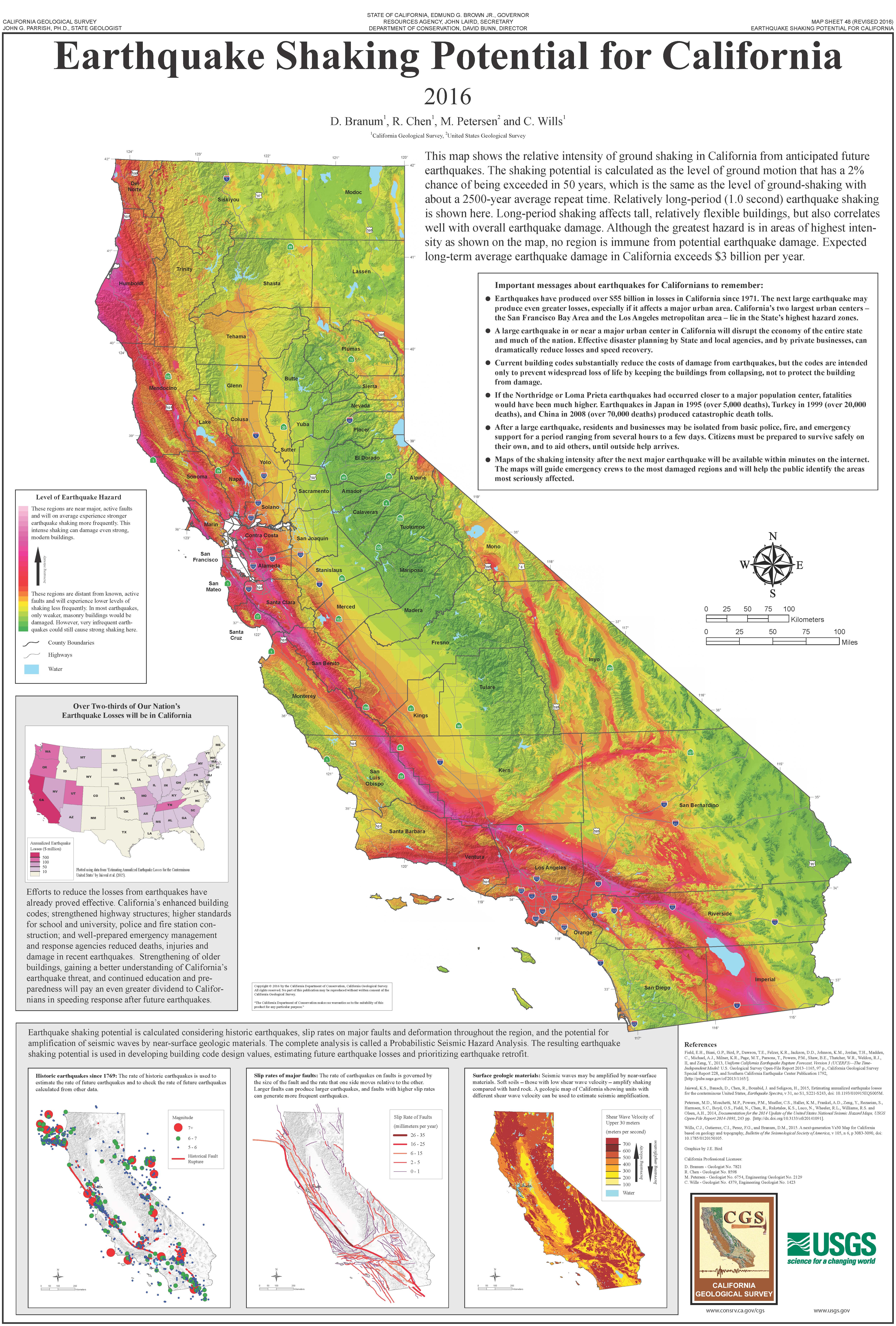
The primary concern when discussing earthquakes isn’t necessarily the sheer number of minor tremors, but rather the potential for significant seismic events and the preparedness of the state and its inhabitants. California, situated along the San Andreas Fault, a major boundary between the Pacific Plate and the North American Plate, is a veritable hotspot for seismic activity. This tectonic dance is a constant, albeit often imperceptible, process.
Understanding California’s Seismic Landscape
California experiences thousands of earthquakes each year. The vast majority of these are minor, often too small to be felt by humans. These micro-earthquakes are a natural release of built-up stress along the fault lines, akin to tiny pops and creaks in a stressed structure. The United States Geological Survey (USGS) is the primary authority tracking and reporting seismic activity across the nation, and their data provides crucial insights into California’s earthquake patterns. They meticulously record every detectable tremor, categorizing them by magnitude, depth, and location.
The question of “how many” is therefore a bit misleading if one is focused solely on felt events. If the question implies significant, destructive earthquakes, then the answer is thankfully much lower. However, even a magnitude 5 or 6 earthquake, while not necessarily catastrophic, can cause considerable damage and disruption, especially in densely populated areas. The Southern California Earthquake Center (SCEC) and the California Geological Survey (CGS) are also instrumental in research and education regarding seismic hazards in the state.
The Science Behind the Shakes
Earthquakes are caused by the sudden release of energy in the Earth’s crust, which creates seismic waves. In California, this energy release is predominantly driven by the movement of tectonic plates. The Pacific Plate is moving northwest relative to the North American Plate. This movement is not smooth; the plates often get stuck, building up immense pressure. When this pressure exceeds the strength of the rocks, the fault ruptines, and the stored energy is released in the form of an earthquake.
The San Andreas Fault is the most famous and significant of California’s fault systems, running for over 800 miles. However, it is not the only one. Numerous other smaller faults crisscross the state, contributing to its overall seismic activity. These include the Hayward Fault, the Garlock Fault, and the Elsinore Fault, among many others. Understanding these fault systems is crucial for seismic hazard assessment and for urban planning in areas prone to earthquakes.
The magnitude of an earthquake is measured on the Richter scale or the Moment Magnitude scale, with the latter being the more modern and accurate measure. The Richter scale is logarithmic, meaning that each whole number increase in magnitude represents a tenfold increase in the amplitude of seismic waves and about 32 times more energy released. So, a magnitude 6 earthquake is significantly more powerful than a magnitude 5.
Types of California Earthquakes
California earthquakes can be broadly categorized by their location and the type of faulting:
- Strike-slip earthquakes: These occur along transform faults, like the San Andreas Fault, where two plates slide past each other horizontally.
- Thrust earthquakes: These happen when one tectonic plate is forced beneath another (subduction) or when one block of the Earth’s crust is pushed up and over another. While California doesn’t have a major active subduction zone directly offshore like Chile or Japan, some fault zones can experience thrust-like motion.
- Normal earthquakes: These occur when the Earth’s crust is being pulled apart, causing one block to drop down relative to another. This is more common in areas of crustal extension.
The depth of an earthquake also plays a role in its impact. Shallow earthquakes (less than 70 km deep) tend to cause more intense shaking at the surface than deeper ones, given the same magnitude.
What to Expect When Visiting or Living in California
For visitors planning a trip to California, it’s important to understand that earthquakes are a part of the state’s natural environment. While the thought of an earthquake can be unnerving, the reality for most tourists is that they will likely never experience a significant tremor during their visit. The chances of encountering a strong earthquake are statistically low for any given short trip. However, preparedness is always wise.

Major tourist destinations in California, such as Los Angeles, San Francisco, San Diego, and Lake Tahoe, are all located in seismically active regions. This means that while you’re enjoying the Golden Gate Bridge, exploring Disneyland, or relaxing on the beaches of Santa Monica, you are in an area where earthquakes can occur.
Travel and Accommodation Considerations
When booking accommodation in California, whether it’s a luxury resort in Palm Springs, a boutique hotel in Napa Valley, or an apartment rental in Santa Barbara, most establishments adhere to strict building codes designed to withstand seismic activity. Modern buildings in California are constructed with earthquake resistance in mind. Older buildings, while charming, may pose a greater risk, and it’s worth considering their location and construction if you have concerns.
It’s always a good idea to familiarize yourself with your accommodation’s emergency procedures. Most hotels will have information available regarding earthquake safety. For those seeking longer-term stays or vacation rentals, understanding the local seismic hazard is part of being an informed resident or visitor. Websites like the California Earthquake Authority (CEA) offer valuable resources for preparedness.
Tourist Attractions and Safety
Famous landmarks and attractions across the state, from Yosemite National Park‘s granite cliffs to the historic missions scattered along the coast, are situated within earthquake zones. While the natural landscapes themselves are shaped by geological forces, the infrastructure supporting tourism is built with safety in mind.
When exploring, remember that aftershocks can occur following a larger earthquake. These are smaller tremors that follow the main shock and can continue for days, weeks, or even months. While generally less intense, they can still cause damage to already weakened structures.
Preparedness and Peace of Mind
The best approach to California’s seismic activity is one of informed preparedness rather than alarm. Understanding the likelihood of events and knowing how to respond can significantly mitigate risk and provide peace of mind.
What to Do During an Earthquake
The universal advice for earthquake safety is “Drop, Cover, and Hold On.”
- Drop to your hands and knees.
- Cover your head and neck with your arms. If a sturdy table or desk is nearby, crawl underneath it for additional protection.
- Hold On to your shelter until the shaking stops.
If you are outdoors, move to an open area away from buildings, streetlights, and utility wires. If you are in bed, stay there, turn on your flashlight, and cover your head with a pillow. If you are in a high-rise building, do not use elevators; use stairs only if there is an emergency exit.
Staying Informed
For those who want to track real-time earthquake activity, several resources are available:
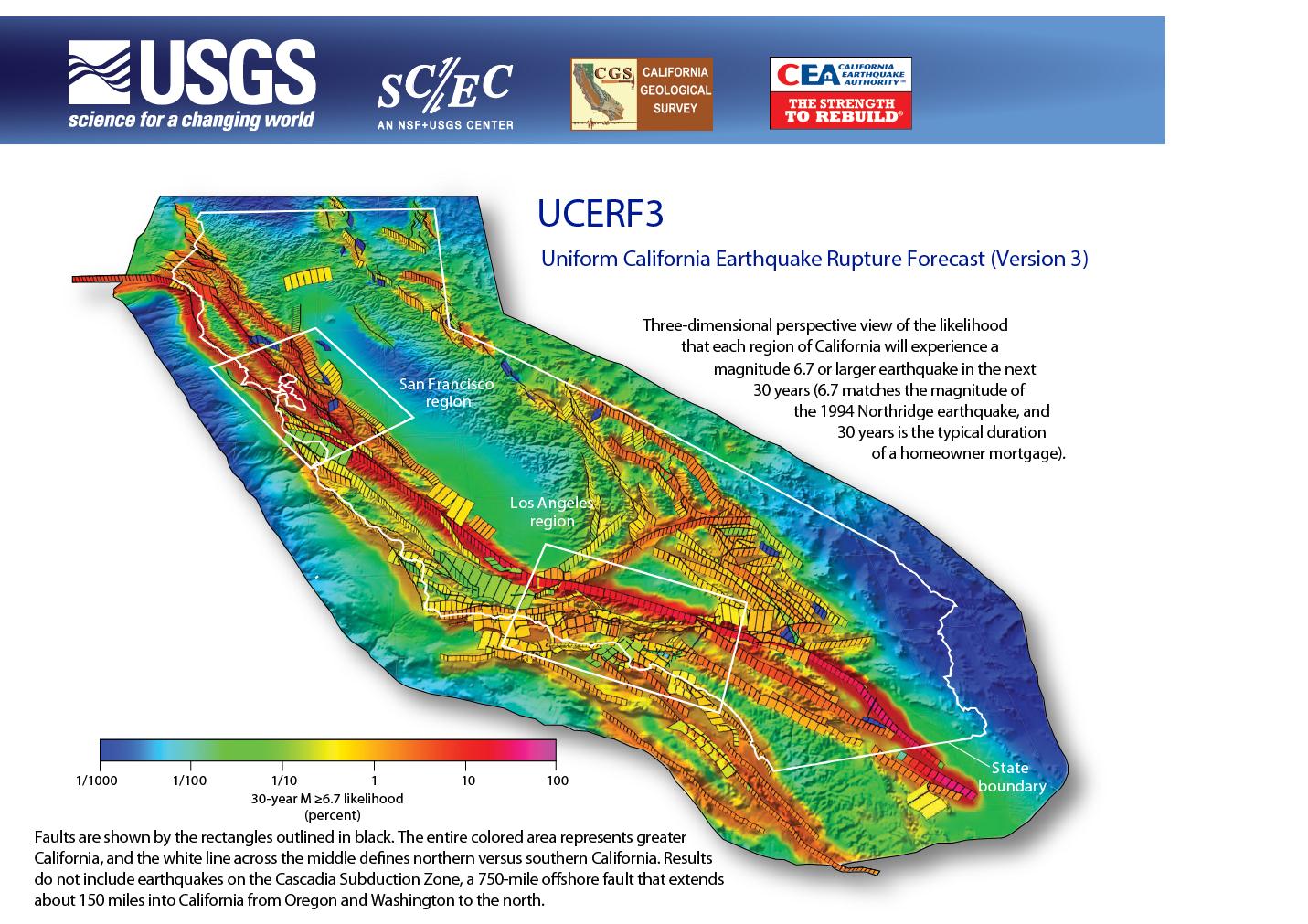
- USGS Earthquake Hazards Program: Their website provides a real-time map of earthquakes occurring worldwide, with specific filters for California. You can see the exact number of recent seismic events, their magnitudes, and locations. This is the most direct answer to “How Many Earthquakes In California Today?” – you can check it live.
- Earthquake Alert System: California has an early warning system that can provide seconds to minutes of advance notice before strong shaking arrives. This is a critical tool for allowing people to take protective action.
While the number of earthquakes in California today might be high if you count every minor tremor, the focus for safety and travel planning should be on understanding the risks, respecting the natural power of the earth, and being prepared. California’s vibrant lifestyle, its incredible landmarks, and its diverse travel experiences are all part of a dynamic environment, and understanding its seismic nature is an integral part of appreciating it fully. Whether you’re a thrill-seeker looking for adventure in Big Sur, a foodie exploring the culinary scene in San Francisco, or a family enjoying the attractions of Southern California, a little knowledge about earthquakes can enhance your experience and ensure your safety in the Golden State.
LifeOutOfTheBox is a participant in the Amazon Services LLC Associates Program, an affiliate advertising program designed to provide a means for sites to earn advertising fees by advertising and linking to Amazon.com. Amazon, the Amazon logo, AmazonSupply, and the AmazonSupply logo are trademarks of Amazon.com, Inc. or its affiliates. As an Amazon Associate we earn affiliate commissions from qualifying purchases.