
While the vibrant spirit of the Hawaiian Islands is deeply connected to its breathtaking landscapes, rich cultural heritage, and world-class tourism, the state’s role in the American presidential election is determined by a different kind of count: its electoral votes. As the United States gears up for the 2024 presidential election, many are curious about the allocation of these crucial votes for each state, including the Aloha State. Understanding how electoral votes are determined is key to grasping the broader dynamics of American democracy, and for Hawaii, this count is a testament to its population and its place within the larger electoral college system.
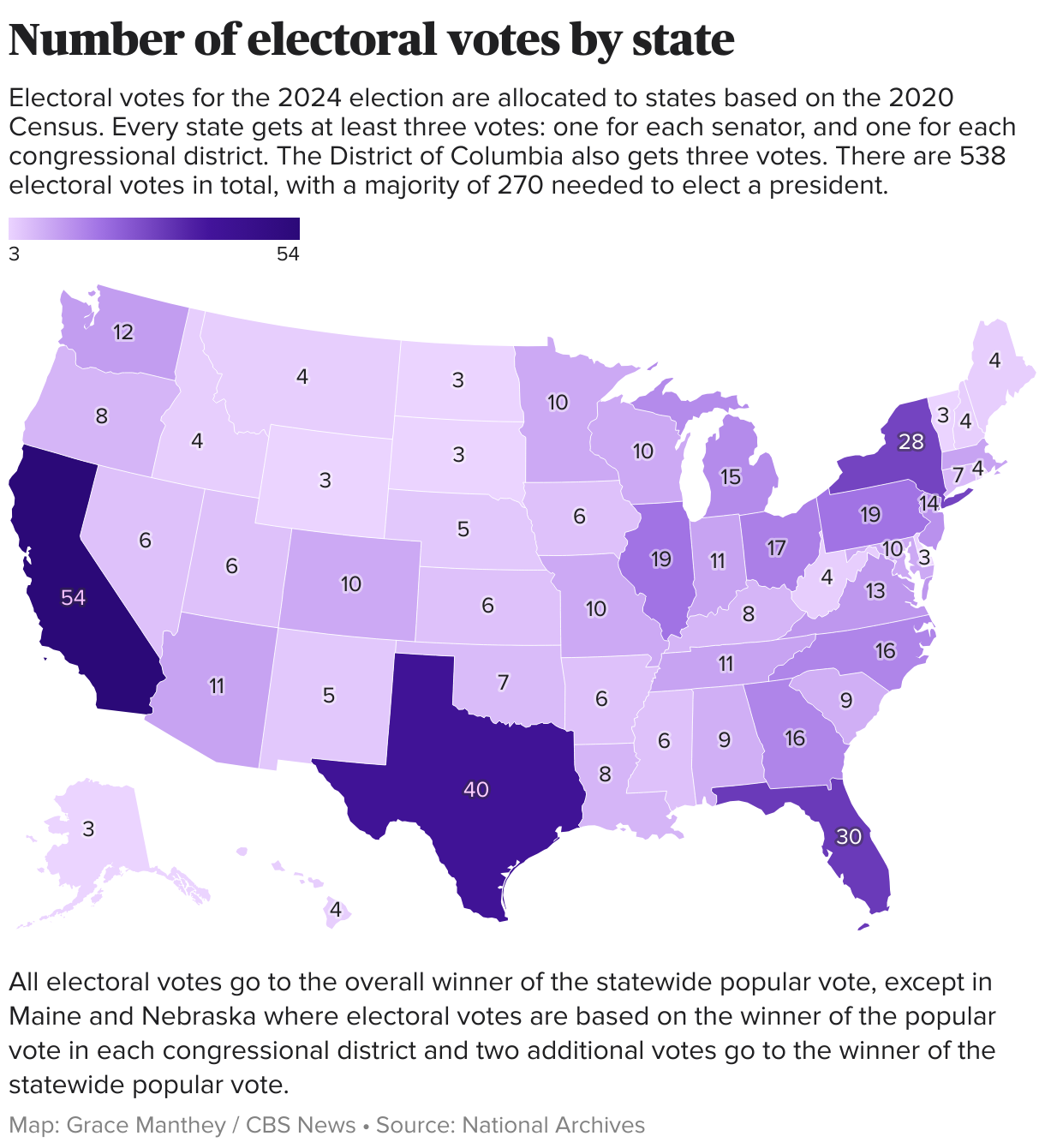
The number of electoral votes a state receives is not static; it is reapportioned every ten years following the United States Census. This process ensures that representation in the Electoral College reflects the current population distribution across the nation. Hawaii, with its unique geographic location and diverse population, has consistently played a role in these presidential elections, and its electoral vote count for 2024 is a direct result of the 2020 census.
Understanding the Electoral College and Hawaii’s Representation
The Electoral College is the mechanism by which the United States elects its president and vice president. When Americans vote in a presidential election, they are technically voting for a slate of electors who have pledged to support a particular candidate. Each state is allocated a number of electors equal to the sum of its representation in Congress: its two senators plus its number of representatives in the House of Representatives.
The Census and Reapportionment
The foundation of electoral vote allocation lies in the decennial U.S. Census. The data collected in the census provides an accurate snapshot of the nation’s population, which is then used to determine the number of congressional districts, and therefore, the number of representatives each state will have in the House of Representatives. This reapportionment is a significant event, as it can shift political power among states.
For Hawaii, like all other states, the 2020 Census data was crucial for determining its congressional delegation and, consequently, its electoral votes for the upcoming presidential elections, including 2024. The state’s population growth or decline directly impacts its number of representatives.
Hawaii’s Congressional Delegation
Hawaii currently has two senators in the U.S. Senate, representing all the citizens of the state. In the House of Representatives, the number of representatives is based on population. Following the 2020 Census, Hawaii maintains its existing number of representatives. This means that for the 2024 election cycle, Hawaii’s congressional delegation remains consistent.
Hawaii’s Electoral Votes in 2024
Taking into account the U.S. Census data and the subsequent reapportionment, Hawaii’s representation in Congress dictates its electoral vote count. Each state receives electors equal to its total number of senators and representatives. Since Hawaii has two senators and two representatives in the House of Representatives, its total number of electoral votes is the sum of these numbers.
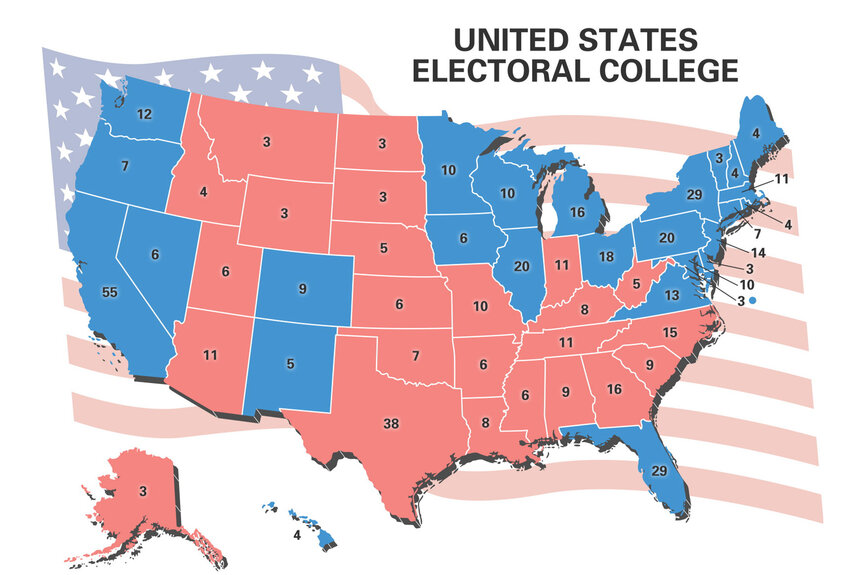
Therefore, in the 2024 presidential election, Hawaii has 4 electoral votes. This number has remained consistent following the 2020 Census, reflecting a stable population distribution relative to other states. While this might seem like a small number compared to highly populous states like California or Texas, every electoral vote is significant in the path to winning the presidency.
The Significance of Each Electoral Vote
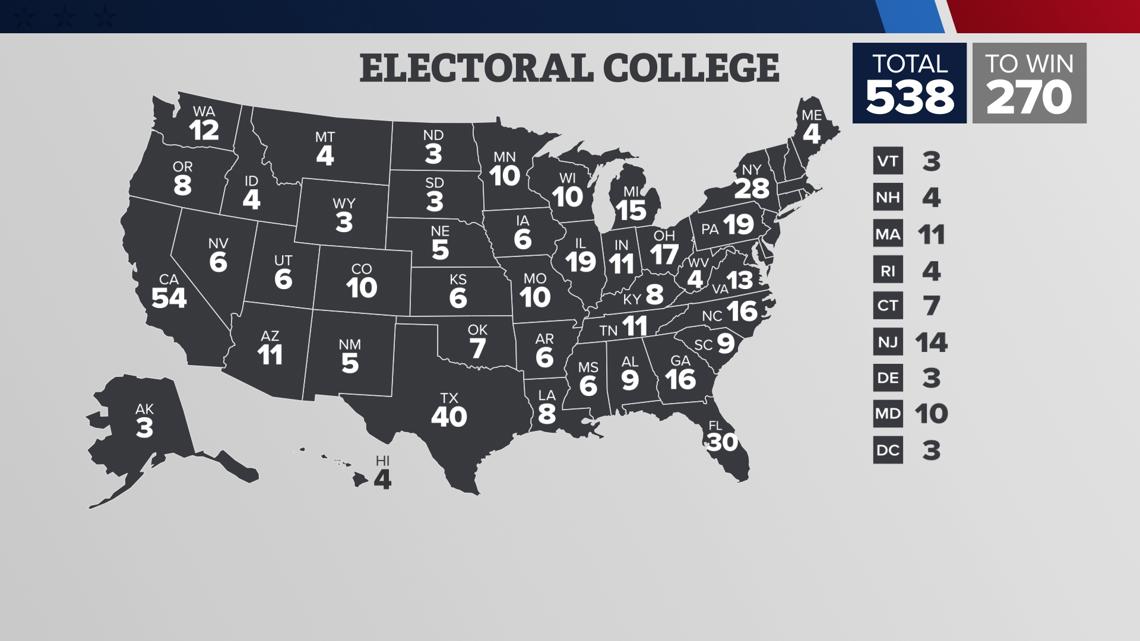
In the intricate landscape of the Electoral College, even a single electoral vote can be decisive. Presidential candidates strategize to win states, and the winner-take-all system in most states means that securing a plurality of the popular vote in a state delivers all of its electoral votes to that candidate. For a state like Hawaii, which reliably votes for one particular party in recent presidential elections, its four electoral votes are a predictable, yet essential, component of a candidate’s overall electoral strategy.
The outcome in Hawaii, while not typically a swing state that flips between parties frequently, contributes to the national total, and candidates and their campaigns do invest resources in mobilizing voters and engaging with the local community. The unique culture and priorities of Hawaii’s residents are considered by candidates as they craft their messages.
What This Means for the 2024 Election
For the 2024 election, Hawaii’s four electoral votes will be cast by its slate of electors. These electors will be chosen based on the outcome of the popular vote within the state. While the focus is often on the swing states that have the potential to change party control, understanding the electoral vote count for all states, including Hawaii, provides a comprehensive view of the presidential election process.
The candidates will need to secure at least 270 out of the total 538 electoral votes to win the presidency. Hawaii’s contribution, while modest, is part of this larger national effort. The state’s voters, like those across the nation, will have their say through their participation in casting ballots that ultimately determine the electors who will cast the official votes for president and vice president.
Beyond the Vote: Hawaii’s Broader Influence
While the electoral vote count is a specific electoral metric, it’s important to remember that Hawaii’s significance extends far beyond its four electoral votes. As a popular travel destination, it draws millions of visitors annually, contributing significantly to the global tourism industry. Its stunning natural beauty, from the volcanic landscapes of the Big Island to the iconic surf breaks of Oahu, makes it a sought-after location for experiences and adventures.
Travel and Tourism Hub
Hawaii’s appeal as a travel destination is undeniable. Visitors flock to its shores to experience its unique culture, pristine beaches like Waikiki Beach, and a plethora of outdoor activities. The islands offer a diverse range of attractions, from historical landmarks like Pearl Harbor to the natural wonders of Haleakala National Park. The hospitality sector thrives on this influx, with a wide array of hotels, resorts, and accommodation options catering to every type of traveler, from luxury seekers to budget-conscious families.
The lifestyle associated with Hawaii also draws people in. Whether it’s the allure of luxury resorts, the practicality of apartment rentals for longer stays, or the immersive cultural experiences that tourism promotes, the state offers a distinct way of life that resonates with many. The culinary scene, deeply rooted in local traditions and influenced by various cultures, is another major draw, offering unique gastronomic adventures.
Cultural Richness and Lifestyle
The cultural fabric of Hawaii is woven with ancient traditions, vibrant festivals, and a deep connection to the land and sea. This richness is an integral part of the tourism experience, offering visitors a glimpse into the authentic Hawaiian culture. Activities like attending a luau, learning to hula, or exploring the historical sites provide a deeper understanding and appreciation for the islands’ heritage.
The state’s natural beauty also serves as a backdrop for a lifestyle that emphasizes outdoor living and a connection to nature. From surfing legendary waves to hiking through lush rainforests, the opportunities for exploration are endless. This lifestyle is a significant part of Hawaii’s allure, drawing not only tourists but also those seeking to relocate and embrace island living.
In conclusion, while the number of electoral votes Hawaii holds in 2024—four—is a concrete figure relevant to the presidential election, the state’s influence and appeal are far broader. Its role in American democracy is measured by these votes, but its impact on the lives of millions through travel, culture, and lifestyle is immeasurable. The Aloha State continues to capture hearts and minds, both politically and culturally, solidifying its unique place in the United States.
LifeOutOfTheBox is a participant in the Amazon Services LLC Associates Program, an affiliate advertising program designed to provide a means for sites to earn advertising fees by advertising and linking to Amazon.com. Amazon, the Amazon logo, AmazonSupply, and the AmazonSupply logo are trademarks of Amazon.com, Inc. or its affiliates. As an Amazon Associate we earn affiliate commissions from qualifying purchases.