
The intricate tapestry of American democracy is woven with many threads, and one of the most fascinating, yet often misunderstood, is the Electoral College. While the popular vote garnishes headlines, it’s the electoral votes that ultimately decide the presidency. For many, especially those planning a trip or exploring the unique charm of a particular state, understanding its electoral significance can add a layer of depth to their travel experience. This exploration delves into the electoral landscape of Maine, a state renowned for its rugged coastline, vibrant culture, and, of course, its role in presidential elections.
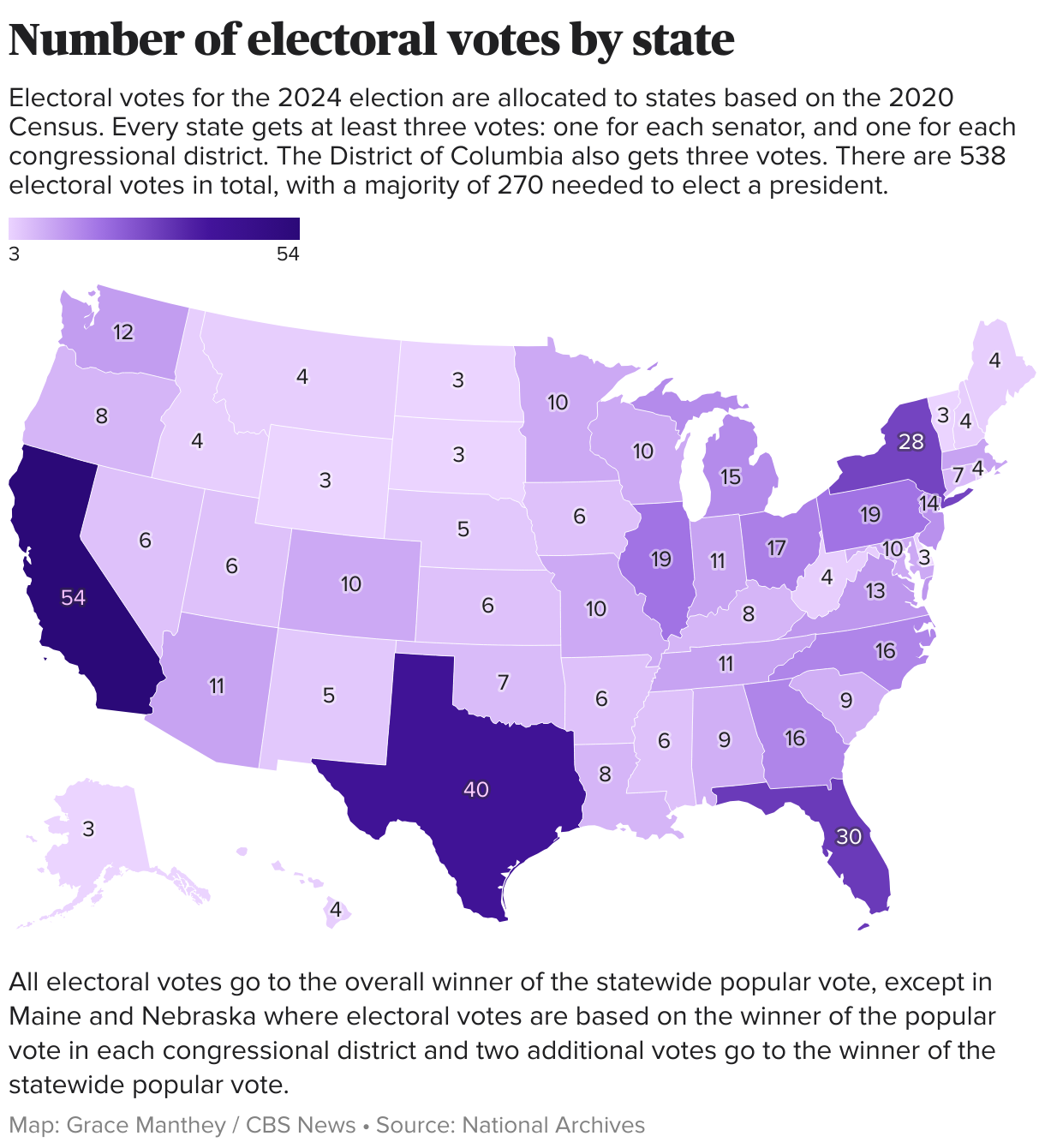
Maine, the northeasternmost state of the United States, holds a distinct position not only geographically but also politically. Its allocation of electoral votes, while seemingly modest compared to larger states, has a unique characteristic that sets it apart. This distinction is particularly relevant for travelers who find themselves drawn to the state’s picturesque lighthouses, historic towns, and the breathtaking beauty of Acadia National Park. Understanding Maine’s electoral vote count can offer a glimpse into the state’s political engagement and its contribution to the national dialogue.
Maine’s Electoral Vote Breakdown: A Unique Approach
Unlike most states that award all their electoral votes to the candidate who wins the statewide popular vote, Maine employs a different system. This system is a crucial piece of information for anyone interested in Maine’s political climate, whether they are a local resident, a voter from afar, or simply a curious traveler exploring the state’s democratic identity.
The District Method: A Closer Look
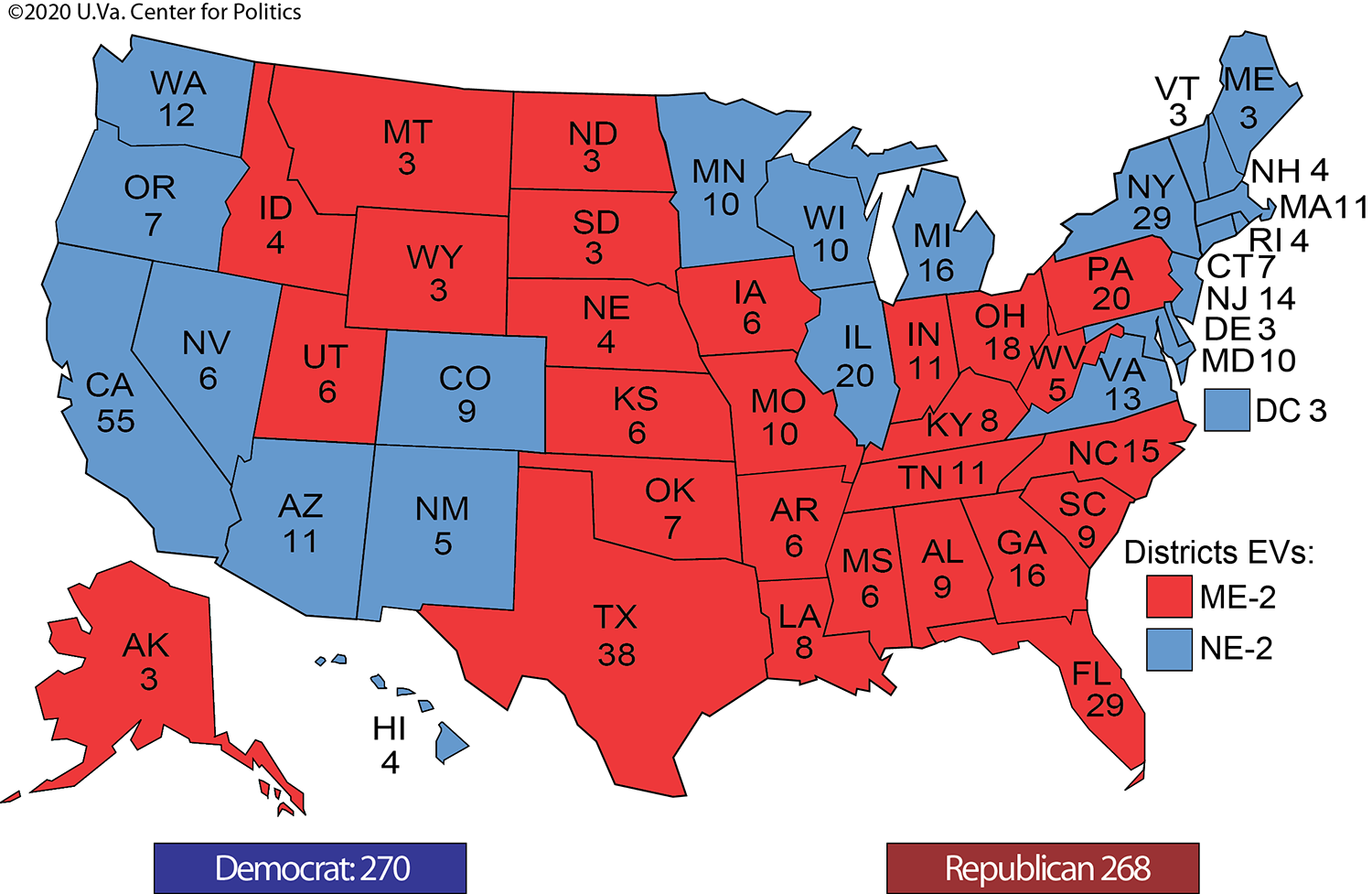
Maine is one of only two states in the United States (the other being Nebraska) that utilizes a district-based allocation for its electoral votes. This means that Maine’s four electoral votes are not a monolithic bloc but are divided based on the outcome of each of the state’s two congressional districts and the statewide popular vote.
- Congressional District 1: The winner of the popular vote in Maine’s First Congressional District receives one electoral vote. This district encompasses a significant portion of Maine’s population, including the vibrant city of Portland. Travelers visiting Portland often immerse themselves in its thriving culinary scene, historic waterfront, and artistic communities, unaware of the political weight of their choices in local elections.
- Congressional District 2: Similarly, the winner of the popular vote in Maine’s Second Congressional District receives another electoral vote. This district is geographically vast, covering a large portion of northern and western Maine, an area characterized by its sprawling forests, numerous lakes, and outdoor recreational opportunities. Tourists seeking adventure in these regions, perhaps exploring destinations like Bangor or the Allagash Wilderness Waterway, are participating in a political contest that also carries electoral significance.
- Statewide Popular Vote: The remaining two electoral votes are awarded to the candidate who wins the statewide popular vote. This element of the system ensures that the overall sentiment of Maine’s voters is still directly reflected in the presidential election outcome.
This district-based allocation means that it’s possible for a presidential candidate to win electoral votes in Maine even if they do not win the overall statewide vote. This nuanced approach adds an extra layer of strategic importance to campaigning within the state, as candidates must pay attention to the specific dynamics of each congressional district. For a traveler exploring Maine, from the charming coastal villages to the rugged inland territories, this understanding can illuminate the state’s role in shaping national elections.
Exploring Maine’s Electoral Significance Through Its Landmarks and Tourism
Maine’s unique electoral system is not the only thing that makes it a compelling destination. The state’s rich history, diverse geography, and thriving tourism industry offer countless opportunities for exploration, each with its own subtle connection to the broader democratic process.
Landmarks That Tell a Story
Maine’s landmarks are more than just picturesque backdrops; they are often steeped in history that mirrors the evolution of the nation. Consider the iconic Pemaquid Point Lighthouse, a beacon on the Atlantic Ocean that has guided mariners for centuries. Its enduring presence speaks to Maine’s maritime heritage, a heritage that has historically contributed to the state’s economic and political identity. When visiting such historic sites, one can’t help but ponder the generations of Mainers who have shaped the state’s destiny, both on the ballot box and in their daily lives.
Another significant area for travelers interested in history is Acadia National Park. This jewel of the National Park Service offers breathtaking vistas, hiking trails, and a chance to connect with Maine’s natural beauty. The park’s establishment and preservation are testaments to the collective will and vision of its advocates, echoing the democratic ideals that underpin the electoral system. Tourists exploring Bar Harbor, the gateway to Acadia, often engage with the local culture and history, perhaps visiting the Abbe Museum to learn about the Wabanaki people, the original inhabitants of this land, whose own histories are intertwined with the evolving American narrative.
Tourism and Local Culture: A Deeper Dive
Maine’s tourism sector is a significant economic driver, and the experiences it offers are as varied as the state’s electoral vote allocation. From the bustling city life of Portland, with its acclaimed restaurants and breweries, to the serene beauty of the Kennebec Valley, travelers encounter a mosaic of Maine life.
The culinary scene, for instance, is a point of pride for Mainers. Fresh seafood, particularly lobster, is a staple, and enjoying a lobster roll by the sea is an quintessential Maine experience. This local pride and distinct identity are often reflected in the political leanings of different regions. Understanding the economic drivers like tourism and fishing can provide context for the political sentiments expressed in various Maine communities.
When exploring the small, charming towns that dot the Maine coast, such as Kennebunkport or Rockland, travelers can witness firsthand the local engagement with community issues and political discourse. These towns, often picturesque and idyllic, are home to active citizens who participate in local governance and, by extension, the broader national elections. The discussions one might overhear in a local diner or general store can offer a unique perspective on the political currents flowing through Maine.
The Lifestyle of Maine and Its Electoral Impact
The lifestyle in Maine is a blend of rustic charm and modern sophistication, catering to a wide range of travelers, from budget-conscious adventurers to those seeking luxury escapes. This diversity in lifestyle choices also contributes to the varied political perspectives found across the state.
From Luxury Resorts to Budget Adventures
Maine offers a spectrum of accommodation options. For those seeking a luxurious getaway, resorts like the Kennebunkport Resort Collection provide an upscale experience. On the other hand, numerous campgrounds and budget-friendly inns cater to travelers exploring Maine on a tighter budget, perhaps embarking on a road trip through the state’s scenic byways.
This range of experiences reflects the diverse demographics and economic backgrounds of Mainers and visitors alike. The concerns and priorities of individuals choosing a luxurious resort might differ from those of a family camping near the coast. These differing perspectives can influence voting patterns and contribute to the nuanced electoral outcomes observed in Maine’s districts.

Family Trips and Business Stays
Maine is a popular destination for family vacations, with attractions like amusement parks, nature centers, and beaches offering something for all ages. Similarly, the state also hosts business travelers, particularly in its larger cities like Portland.
The differing needs and interests of families on vacation versus professionals on a business trip can shape their engagement with the local community and their awareness of political matters. For instance, families might be more focused on local recreational amenities, while business travelers might be more attuned to economic policies and their impact on commerce. These varied engagements can subtly influence their understanding and participation in the electoral process.
Ultimately, understanding Maine’s electoral vote count is more than just a political exercise; it’s an invitation to explore the state’s multifaceted identity. From its historic lighthouses to its vibrant cities, from its natural wonders to its diverse lifestyle offerings, Maine presents a compelling case study in how geography, culture, and individual experiences converge to shape the democratic landscape of the United States. For any traveler, gaining insight into Maine’s electoral system adds a unique and enriching dimension to their journey through the Pine Tree State.