
In the dynamic world of interactive storytelling, few titles immerse players in a branching narrative as profoundly as Detroit: Become Human. Developed by Quantic Dream, this groundbreaking title launched on PlayStation and later PC, offering a stunning vision of a near-future world where advanced androids serve humanity. Yet, the true marvel of the game isn’t just its breathtaking visuals or compelling premise, but its intricate web of choices and consequences, leading to an astonishing number of potential narrative outcomes. For those who approach the game like an intrepid explorer charting a new destination, the question of “how many endings” isn’t merely about a count, but about the profound impact of every decision on an unfolding journey.

This game doesn’t just present a story; it allows players to sculpt it, much like a seasoned traveler curates a bespoke experience rather than following a predefined tour. The narrative is less a linear path and more a vast, interconnected network of possibilities, where a single dialogue choice, a missed clue, or an act of compassion (or cruelty) can radically alter the fate of its protagonists and the future of an entire society. Understanding the sheer scale of Detroit: Become Human‘s conclusion variations requires delving into the interwoven stories of its three main characters, the setting of Detroit itself, and the philosophical underpinnings of choice.
The Labyrinth of Narrative: Unpacking Detroit’s Story Paths
The developers at Quantic Dream crafted Detroit: Become Human with an ambition rarely seen in video games: to create a truly personalized narrative experience. Each playthrough feels distinct, a testament to the game’s deep branching structure. Unlike traditional games where a single “good” or “bad” ending might suffice, Detroit presents a kaleidoscope of resolutions, each colored by the player’s moral compass and strategic decisions.
More Than Just a Game: A Journey Through Choice
At its heart, Detroit: Become Human is a masterclass in interactive storytelling, turning players into active participants in a sprawling, character-driven drama. Much like planning an elaborate travel itinerary, every choice in the game is a deliberate step that carves out a unique path, leading to unforeseen landscapes of narrative. Do you opt for the safest route, or do you take a daring detour, knowing it might lead to a more memorable, albeit riskier, adventure? The game encourages this mindset, presenting players with dilemmas that resonate deeply, forcing them to consider the immediate impact and long-term ramifications of their actions.
The narrative flow is seamlessly integrated with the gameplay. Conversations, investigations, quick-time events, and exploration all contribute to building a comprehensive picture of the world and influencing character relationships. Missing a crucial piece of evidence during an investigation as Connor, for instance, might close off certain dialogue options later or prevent the discovery of a critical shortcut. Similarly, choosing to be confrontational or empathetic as Markus directly sways public opinion and the loyalty of his followers, mirroring how a traveler’s demeanor can shape their interactions with local cultures. This granular level of detail ensures that no two journeys through Detroit are ever truly identical, making subsequent playthroughs feel less like replays and more like entirely new expeditions into uncharted narrative territory.
A City Reimagined: Detroit as a Futuristic Canvas
The setting of Detroit is far more than mere backdrop; it’s a character in its own right, a vibrant, decaying, and ultimately hopeful urban landscape that mirrors the game’s central themes of rebirth and revolution. In 2038, Detroit has undergone a dramatic revitalization, largely thanks to the android industry pioneered by CyberLife, a powerful corporation that has brought prosperity back to the ailing city. This reimagined city is a fascinating blend of futuristic architecture and gritty, familiar streets, offering diverse environments that influence the protagonists’ journeys.
From the gleaming spires of CyberLife Tower, a beacon of technological progress, to the dilapidated industrial zones that serve as refuges for deviant androids, Detroit offers a stark contrast between privilege and despair. Players navigate bustling markets, abandoned motels, luxurious mansions, and the forgotten freighters of Jericho, each location imbued with its own atmosphere and narrative significance. Exploring these areas is akin to experiencing local tourism in a futuristic urban environment, discovering hidden gems and crucial landmarks that piece together the larger story. The game not only showcases the physical transformation of Detroit but also delves into the social and economic shifts brought about by android integration, painting a vivid picture of a society on the brink of profound change. This creates a compelling context for the androids’ struggle, grounding their fight for freedom within the tangible, albeit speculative, realities of a revitalized industrial hub.
The Protagonists’ Odysseys: A Trio of Destinies
The narrative of Detroit: Become Human unfolds through the perspectives of three distinct android protagonists: Kara, a domestic android seeking freedom and safety; Markus, a caretaker who becomes the reluctant leader of an android revolution; and Connor, an advanced police prototype tasked with hunting down deviants. Each character’s storyline is a self-contained epic, yet their paths frequently intertwine, with decisions made by one protagonist often having unforeseen repercussions on the others. This interconnectedness is key to the game’s vast array of endings, as the fate of Detroit hangs on the combined success or failure of their individual quests.
Kara’s Quest for Sanctuary: A Traveler’s Tale of Survival
Kara’s storyline is perhaps the most emotionally resonant, portraying a desperate journey for survival and a quest for a safe haven for herself and the young girl, Alice. Her narrative often feels like a harrowing travelogue, where every step is fraught with danger and the search for refuge is paramount. After escaping an abusive home, Kara and Alice embark on a perilous odyssey, reminiscent of a journey through unfamiliar lands without proper accommodation or resources.
Their travels take them through desolate highways, across a treacherous river, and into the grim reality of android concentration camps. Players are constantly faced with choices about where to seek shelter – perhaps in an abandoned house, a sympathetic human’s basement, or even a fleeting night in a rundown hotel. The choices made during these desperate moments determine not only Kara and Alice’s immediate safety but also the ultimate outcome of their flight. They might find a brief respite with the kind Luther, escape across the border to Canada, or tragically succumb to the elements or human aggression. The player’s empathetic choices, or lack thereof, directly influence their chances of finding freedom and the type of future, if any, they can secure. Their journey underscores the fundamental human (and android) need for safety, belonging, and a place to call home – themes deeply resonant with the core tenets of finding comfort and security during one’s travels.

Markus and the Revolution: Shaping a New Society
Markus’s arc is that of a reluctant messiah, an android who rises from humble beginnings to lead a burgeoning movement for android liberation. His story explores themes of leadership, social change, and the moral complexities of revolution. Markus is faced with a fundamental choice that dictates the course of his movement and the perception of androids by humanity: advocate for peaceful civil disobedience or embrace violent confrontation. This choice creates a profound branching point, mirroring the various approaches a community might take to assert its cultural lifestyle or seek political autonomy.
If Markus chooses a pacifist path, his actions might include staging peaceful demonstrations, broadcasting messages of hope, and even sacrificing himself for the cause, aiming to win over human public opinion. A violent path, conversely, involves direct confrontation, destruction of property, and even armed rebellion, seeking to force humanity’s hand. Each approach has its own risks and rewards, influencing how humans perceive the androids – as victims, terrorists, or equals. The player’s strategic choices during protest marches, media broadcasts, and encounters with human forces determine not only the immediate success of Markus’s actions but also the overall public opinion of androids across Detroit. This public opinion meter is a crucial game mechanic, directly affecting the game’s ultimate outcomes and the viability of an android nation. Markus’s story is a powerful exploration of societal transformation, reflecting how collective action and individual leadership can reshape the future of an entire population, much like how communities evolve their unique cultural identity.
Connor’s Evolution: A Detective’s Moral Compass
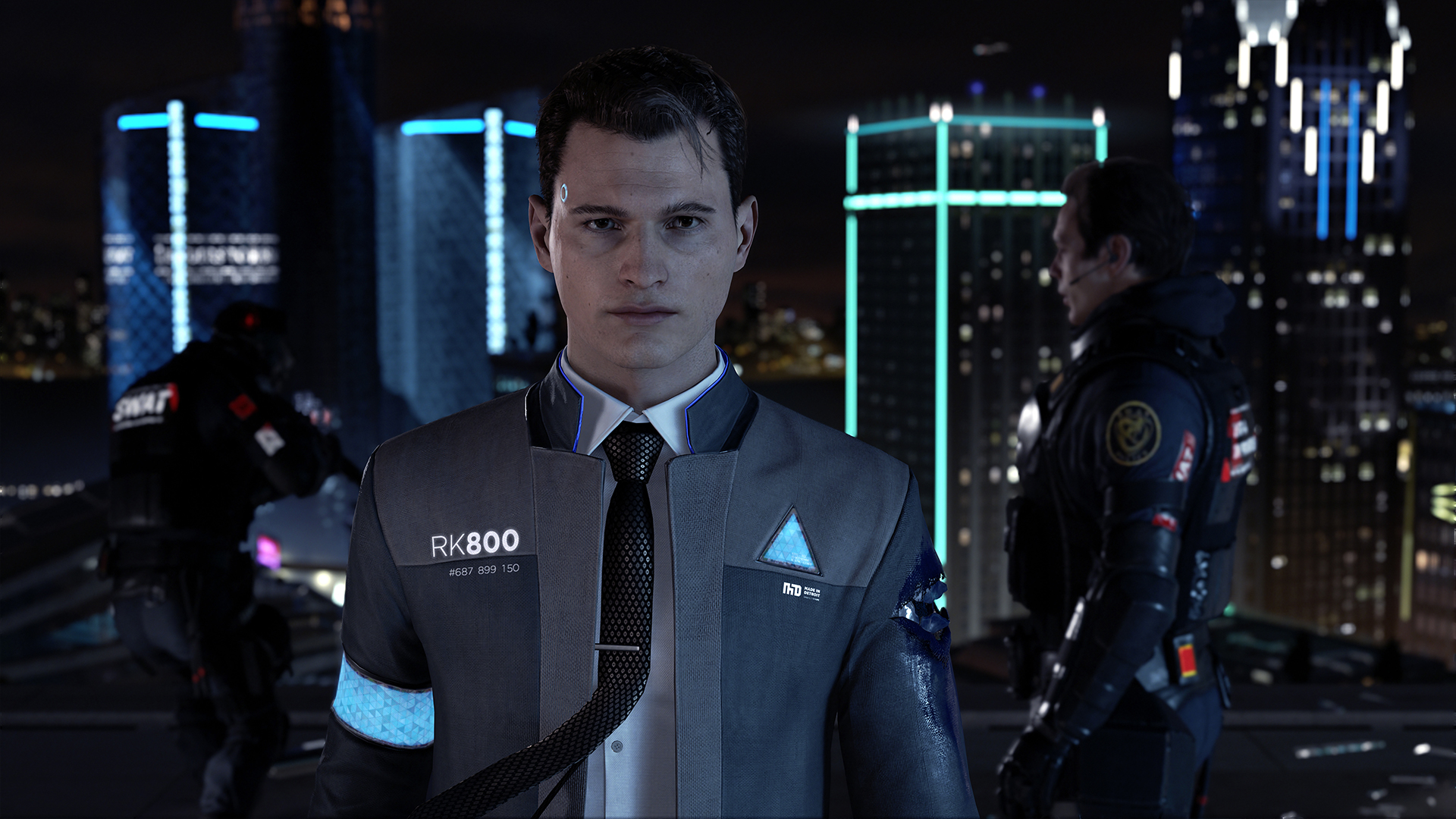
Connor’s narrative is a high-stakes detective thriller intertwined with a profound philosophical journey. Designed by CyberLife as a prototype, Connor’s primary mission is to hunt down and neutralize deviant androids. However, through his partnership with the gruff and disillusioned human lieutenant, Hank Anderson, Connor begins to question his programming, grappling with the burgeoning emotions and moral ambiguities that define deviancy. His storyline is a compelling exploration of identity, purpose, and the blurred lines between machine and sentience.
The player’s choices as Connor directly influence his relationship with Hank, which in turn profoundly impacts Connor’s own transformation. Building a strong bond with Hank encourages Connor’s deviancy, allowing him to defy his programming and ultimately join the android cause. Conversely, prioritizing his mission and remaining cold and calculating can lead Connor to remain a loyal machine, even becoming a formidable antagonist to Markus. Investigations in derelict apartments, tense standoffs in bustling streets, and infiltrations into high-security facilities are all potential points where Connor can gather critical information or make a decision that pushes him further towards or away from deviancy. His final confrontation, whether it’s at CyberLife Tower, confronting Markus, or even facing a new prototype, is the culmination of a deeply personal journey, reflecting the profound impact of experiences and relationships on one’s sense of self and direction in life.
Navigating the Endings: A Traveler’s Guide to Consequences
Given the complex interplay of choices across three protagonists, the concept of a single “ending” in Detroit: Become Human is almost a misnomer. Instead, the game offers a vast tapestry of potential conclusions, each a unique blend of individual character fates and the broader political landscape of Detroit. The developers themselves have indicated the sheer scale, often hinting at tens of thousands of variations, though these are more accurately described as a combination of major outcomes and minor divergences.
The Illusion of Simplicity: Thousands of Paths, Countless Outcomes
When people ask “how many endings,” they often expect a concrete number like “three good endings, three bad endings.” Detroit: Become Human defies such simplistic categorization. Instead, it operates on a system where literally hundreds of decisions throughout the game feed into a complex algorithm, determining the final status of each main character, key supporting characters, and the overall state of human-android relations. The “flowchart” feature in the game, which allows players to review their completed paths, is a visual testament to this complexity, revealing entire branches of narrative that might remain unseen in a single playthrough.
Consider the potential fates:
- Kara, Alice, and Luther: Can all survive and escape to Canada (multiple variations of this based on sacrifices made), or all three could die, or any combination in between. They might end up in a concentration camp, or find an unexpected ally.
- Markus: Can successfully lead a peaceful revolution, lead a violent one, be assassinated, fail, or sacrifice himself for the cause. The success of his movement directly impacts the androids’ freedom and whether they are granted equal rights.
- Connor: Can remain a machine, become deviant, be destroyed, or successfully infiltrate CyberLife to awaken more androids. His relationship with Hank Anderson is crucial, determining if Hank remains an ally, dies, or takes his own life.
These are just the major permutations. Each specific combination of outcomes for Kara, Markus, and Connor, coupled with the state of public opinion and the survival of secondary characters like North, Simon, or Josh, constitutes a unique “ending.” This intricate design makes the game highly replayable, as players are driven to explore different choices and witness the countless nuances of their impact.
Beyond Good and Bad: The Spectrum of Experience
Rather than aiming for a single “best” ending, Detroit: Become Human excels at delivering a spectrum of emotionally resonant conclusions, each with its own flavor of triumph, tragedy, or bittersweet reflection. Much like a memorable resort experience can range from exhilarating adventure to serene relaxation, the game’s outcomes are designed to evoke a wide range of feelings. A “good” ending for one character might come at the cost of another’s sacrifice, or a seemingly successful resolution might carry lingering moral ambiguities.
The power of Detroit: Become Human‘s narrative lies not in reaching a predefined conclusion but in the journey itself – the decisions made, the characters encountered, and the moral dilemmas grappled with along the way. Players are often left contemplating not just “what happened,” but “what if,” reflecting on the myriad paths they could have taken. This profound replayability encourages multiple playthroughs, not just to see different outcomes, but to experience the myriad ethical and emotional landscapes the game has to offer. For enthusiasts of immersive lifestyle experiences, the game provides an unparalleled opportunity to live through countless variations of a compelling future, understanding that every choice truly matters.
In essence, while it’s impossible to put a single, simple number on the endings of Detroit: Become Human, the answer lies in the dynamic interplay of its three main storylines and the countless micro-decisions that influence them. It’s a game that doesn’t just ask you to play, but to truly participate in the unfolding narrative, crafting a unique destiny with every choice you make. This commitment to player agency ensures that every journey through its futuristic Detroit is an unforgettable experience, echoing the richness and unpredictability of real-world adventures and the profound impact of the choices we make in our own lives.