
California, a land of unparalleled natural beauty, iconic landmarks, and vibrant cities, draws millions of visitors each year. From the majestic redwoods of the north to the sun-drenched beaches of the south, and from the bustling streets of Los Angeles to the charming vineyards of Napa Valley, the Golden State offers an endless array of travel experiences. However, California is also a state intimately familiar with the challenge of wildfires. These natural events, while a part of the ecosystem’s cycle, have intensified in recent decades, raising concerns for residents and prospective travelers alike. Understanding the prevalence and impact of these fires is crucial for anyone planning a visit or simply interested in the state’s environmental dynamics. This article aims to shed light on the complex reality of wildfires in California, their implications for tourism, and how visitors can navigate their travel plans safely and responsibly.
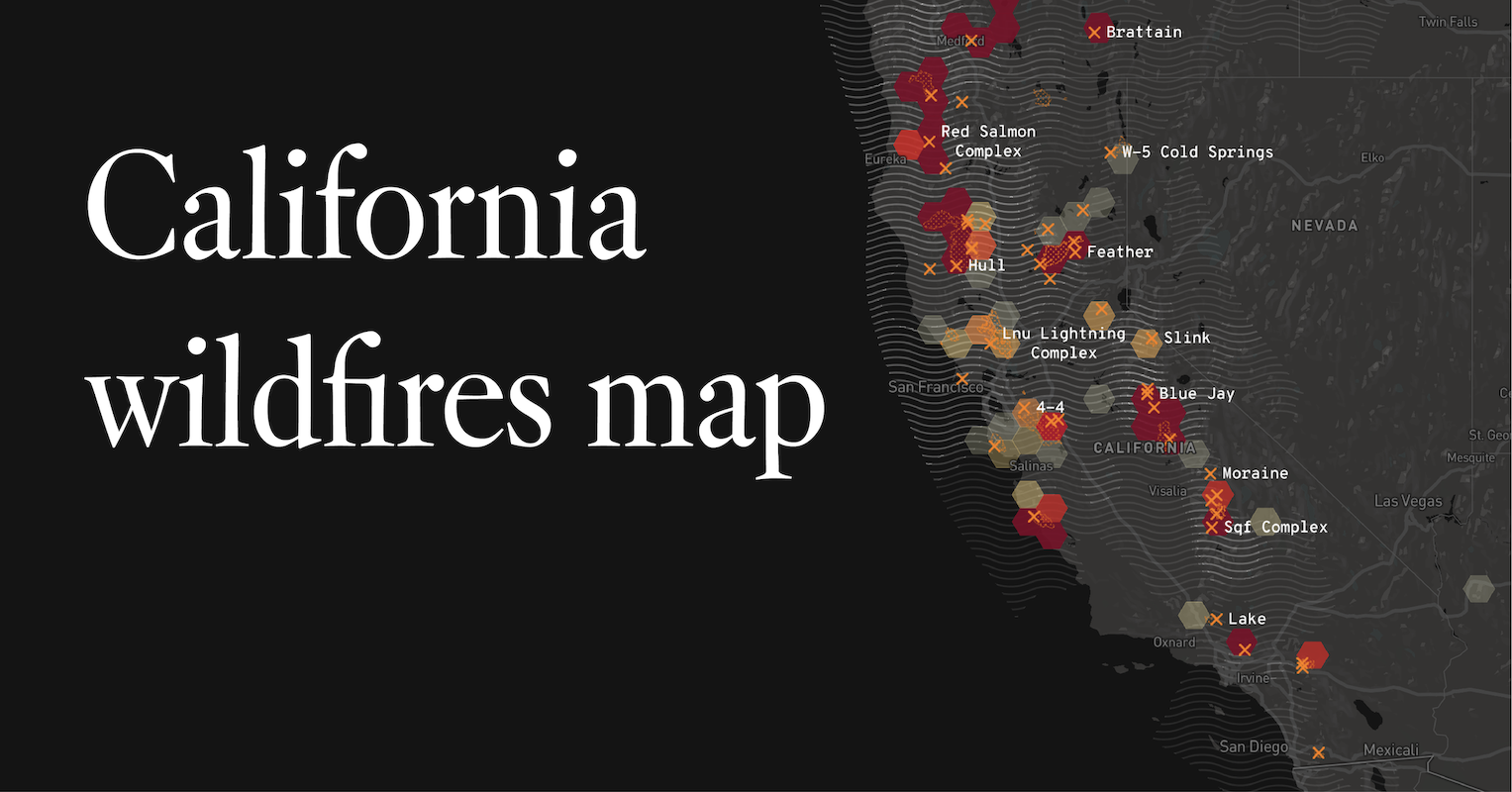
Understanding California’s Wildfire Landscape
The narrative of wildfires in California is not a simple one. It’s a story shaped by geography, climate, human activity, and a changing global environment. The state’s diverse topography, ranging from arid deserts and chaparral-covered hillsides to dense forests in the Sierra Nevada Mountains, creates a mosaic of conditions ripe for fire. While fire has historically played a role in California’s ecosystems, clearing underbrush and promoting new growth, the scale and intensity of recent fires have become unprecedented, transforming landscapes and challenging communities.
The Annual Cycle of Wildfires
Wildfires in California typically follow a seasonal pattern, often referred to as “fire season.” This period traditionally begins in late spring, escalates through the hot, dry summer months, and peaks in the fall. The peak season is frequently exacerbated by the infamous Santa Ana winds in Southern California and Diablo winds in Northern California. These powerful, dry winds fan flames, carrying embers over long distances and contributing to rapid fire spread, making containment incredibly challenging. However, in recent years, fire season has become less predictable, often extending earlier into the spring and later into the winter, effectively becoming a year-round concern in some regions. This extended season impacts everything from agricultural cycles in places like Sonoma County to winter sports in destinations such as Mammoth Lakes and Lake Tahoe, where smoke can obscure views and affect air quality. The shift in duration means that travelers need to remain vigilant and informed regardless of the time of year, especially when planning adventures in national forests like the Angeles National Forest or exploring the wilderness areas of Yosemite National Park.
Key Factors Contributing to Wildfires
Several interconnected factors contribute to the escalating wildfire problem in California. Prolonged droughts, a recurring feature of the state’s climate, dry out vegetation, turning forests and brush into highly combustible fuel. Climate change plays a significant role, leading to hotter temperatures and reduced snowpack, which further exacerbates drought conditions and creates an environment where fires can ignite and spread more easily. Furthermore, decades of fire suppression policies, while intended to protect communities, have led to an accumulation of dense undergrowth and dead vegetation that acts as super-fuel for larger, more intense fires when they do occur. Human activity is another critical factor; a significant percentage of wildfires are ignited by human causes, whether accidentally through downed power lines, discarded cigarettes, campfires, or arson. The expanding wildland-urban interface, where homes and communities are built closer to natural landscapes, also increases the risk of ignitions and places more lives and properties in harm’s way, from the foothills of the San Bernardino National Forest to the coastal hills of Malibu. Understanding these contributing factors is the first step toward appreciating the complexity of fire management and the importance of responsible behavior, particularly for those visiting areas prone to ignition, such as during camping trips in Anza-Borrego Desert State Park or hiking trails near Mount Shasta.
The Tangible Impact on Travel and Tourism
For a state that heavily relies on its natural beauty and outdoor attractions to draw tourists, wildfires pose a significant challenge. The impact extends beyond the immediate danger zones, affecting air quality, changing landscapes, and influencing travel decisions across the state. The tourism sector, encompassing everything from luxury resorts in Palm Springs to charming bed and breakfasts on the Mendocino Coast, is particularly vulnerable to the ripple effects of these events.
Direct Effects on Destinations and Attractions
When fires occur, their direct impact on specific destinations can be devastating. Iconic natural landmarks, such as parts of Yosemite National Park, Sequoia National Park, and Kings Canyon National Park, have seen closures or reduced access due to active fires or lingering smoke. These closures not only prevent visitors from experiencing world-renowned sights but also impact the local economies that depend on park tourism. Towns like Oakhurst or Three Rivers, gateways to these parks, face significant economic downturns when visitor numbers drop. Similarly, regions known for their scenic beauty, like Big Sur along the Pacific Coast Highway, have experienced road closures and evacuations, temporarily severing access to some of California’s most celebrated coastal drives and cliffside resorts. Even urban areas can feel the effects. For instance, when fires rage near Los Angeles or San Francisco, air quality can deteriorate significantly, impacting outdoor activities from strolling through Golden Gate Park to visiting the Hollywood Sign. Resorts and hotels in affected areas might face cancellations, impacting their booking rates and the livelihoods of their staff. While popular attractions like Disneyland Resort or Universal Studios Hollywood might be geographically distant from active fires, the widespread perception of a “fire crisis” can deter potential visitors from booking trips to the state entirely, even if their intended destination is unaffected.
Navigating Travel During Fire Season

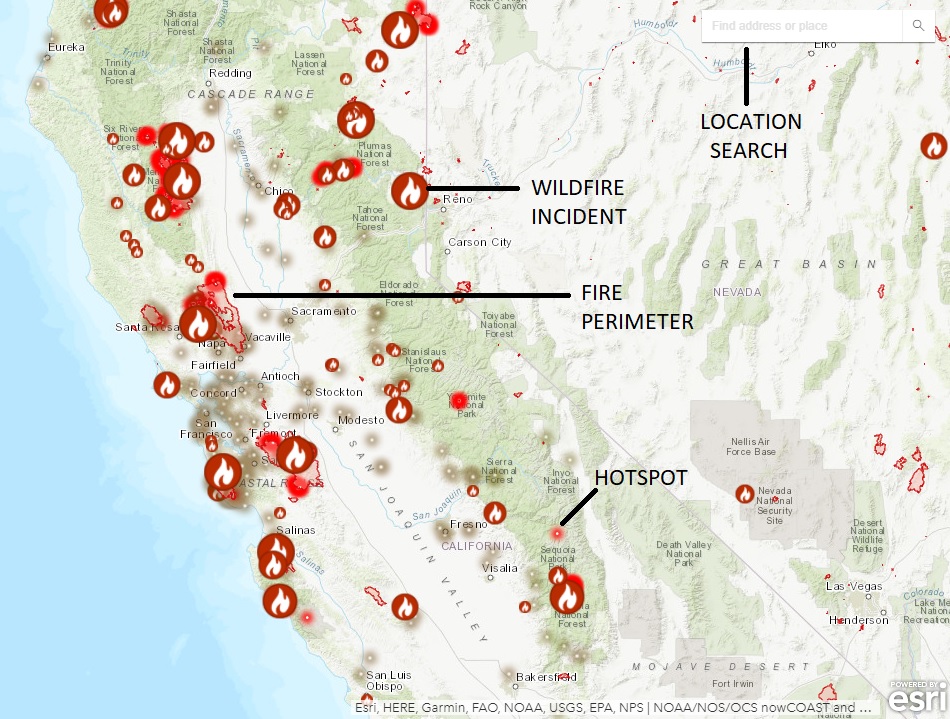
Traveling during California’s fire season requires diligence and flexibility. The primary concern is safety. Travelers should always check local conditions before and during their trip. Websites like CalFire and the National Park Service provide real-time updates on active fires, containment levels, and park closures. Air quality can be monitored through resources like AirNow.gov, which offers vital information for those with respiratory sensitivities or anyone planning outdoor activities. Flexibility is key; having alternative plans or being prepared to adjust itineraries can make a significant difference. If your planned route along the Pacific Coast Highway is closed, perhaps exploring the vibrant culture of Monterey or the artistic charm of Carmel-by-the-Sea could be an excellent alternative. Always be aware of evacuation orders or advisories. If an area is under an evacuation order, it means immediate departure is necessary. Reputable tour operators and accommodation providers, from boutique hotels in Santa Barbara to family-friendly resorts near San Diego, are generally proactive in communicating risks and offering assistance to guests. It’s also wise to have travel insurance that covers potential disruptions due to natural disasters, providing peace of mind amidst unforeseen circumstances. Choosing accommodations with flexible cancellation policies can also be a prudent decision during peak fire season.
Protecting California’s Natural Wonders and Communities
The recurring threat of wildfires has spurred significant efforts in California to enhance fire management, prevention, and recovery. These initiatives are not just about protecting homes and lives; they are also about preserving the state’s invaluable natural landscapes and ensuring that its tourism sector remains vibrant and sustainable for future generations.
Fire Management and Prevention Efforts
California’s approach to wildfire management is multi-faceted, involving state agencies like CalFire, federal partners such as the U.S. Forest Service, and local fire departments. Prevention is a cornerstone of this strategy. This includes public awareness campaigns, which educate residents and visitors on fire safety, such as proper campfire etiquette, safe use of outdoor equipment, and careful disposal of cigarettes. Fuel reduction efforts are also critical, involving prescribed burns (controlled fires that clear undergrowth), mechanical thinning of forests, and creating defensible space around homes and communities. These measures aim to reduce the amount of combustible material that can fuel large fires, making them easier to control. Early detection systems, including aerial surveillance and sophisticated sensor networks, allow for quicker responses to new ignitions, often containing small fires before they can escalate. Investments in advanced firefighting technologies, such as supertankers and enhanced communication systems, also boost suppression capabilities. For instance, the protection of historical assets in places like Pasadena or the natural beauty surrounding Lake Tahoe relies heavily on these coordinated efforts. These ongoing actions highlight the state’s commitment to mitigating fire risks, making areas safer for both residents and visitors exploring destinations like Joshua Tree National Park or the redwood forests.
Supporting Recovery and Sustainable Tourism
After a wildfire, the path to recovery is often long and complex, but it also presents opportunities for rebuilding stronger, more resilient communities and ecosystems. For travelers, supporting areas in recovery can be a meaningful way to contribute. Many communities, once impacted by fires, rebuild and reopen, eager to welcome visitors back. This might involve visiting local businesses, staying in hotels that have reopened, or participating in volunteer efforts if available and appropriate. For instance, towns like Paradise, which suffered devastating losses, are slowly but steadily rebuilding, and tourism will play a role in their economic revitalization. Beyond immediate recovery, there’s a growing emphasis on sustainable tourism practices that consider the environmental impact. This includes promoting responsible outdoor recreation, minimizing waste, and supporting eco-friendly accommodations. When visiting burned areas, understanding ecological recovery processes is important; what might look like devastation is often the beginning of a natural regeneration cycle. Agencies work to restore watersheds, replant trees, and stabilize landscapes to prevent erosion, particularly in areas critical for water supply, like those near Sacramento or Fresno. Choosing to visit less impacted but equally beautiful areas, or engaging in agritourism in regions like Mendocino, can also help distribute tourist traffic and support diverse local economies. Ultimately, the goal is to ensure that California’s stunning landmarks and vibrant cultures can be enjoyed responsibly for generations to come.
Planning Your California Adventure Safely
Despite the challenges posed by wildfires, California remains an extraordinary travel destination, offering an unmatched diversity of experiences. With thoughtful planning and a commitment to safety, travelers can still enjoy the Golden State’s renowned attractions, from the urban marvels of San Francisco to the serene landscapes of its national parks.
Essential Tips for Travelers
For those planning a trip to California, a few essential tips can help ensure a safe and enjoyable journey. First, stay informed. Regularly check official sources like CalFire, the National Weather Service, and park websites for the latest fire conditions, air quality alerts, and road closures in your intended travel areas. Flexibility is also vital; have backup plans for your itinerary, especially if visiting areas known for fire activity or during peak fire season. Consider travel insurance that covers disruptions due to natural disasters. Pack appropriate gear, including comfortable walking shoes, layers of clothing, and, if sensitive to smoke, perhaps an N95 mask, though this is usually only necessary in immediate vicinity of fires. Always adhere to local regulations regarding campfires and barbecues, and be mindful of any fire restrictions in place. Remember, many fires are human-caused, so responsible behavior can prevent untold damage. Support local businesses and communities, especially those that have faced challenges. By being a conscious and prepared traveler, you not only protect yourself but also contribute to the safety and resilience of the destinations you visit. Whether you’re planning a thrilling visit to Santa Monica Pier, exploring the art scene at the Getty Center, or embarking on a scenic drive through Death Valley National Park, informed decision-making is your best tool.
Exploring Beyond the Burn Scars
One of the remarkable aspects of California is its sheer size and diversity. Even when certain areas are affected by fires, vast expanses of the state remain untouched and ready for exploration. For instance, if the Sierra Nevada Mountains are experiencing fire activity, you might pivot to the coastal charms of Laguna Beach, the historic beauty of San Diego, or the unique island adventures of Catalina Island. Urban centers like Oakland, San Jose, or Long Beach typically remain open and vibrant, offering world-class dining, cultural attractions, and entertainment regardless of distant wildfires. National Parks like Lassen Volcanic National Park in the far north or Channel Islands National Park off the coast offer unique and often less crowded alternatives. Additionally, many areas recover quickly, showcasing the resilience of California’s ecosystems. Visiting vineyards in Temecula, enjoying the lakeside serenity of Big Bear Lake, or exploring the historic gold rush towns in the foothills are all excellent ways to experience the state without directly encountering fire-related disruptions. The message is clear: California is immense, and its spirit of adventure and beauty endures. By being flexible and open to exploring different regions, travelers can discover the endless magic the state has to offer, from the iconic Golden Gate Bridge to the ancient forests of Redwood National Park.
In conclusion, while the question “How many fires are in California?” points to a serious and ongoing challenge, it’s also a testament to a state actively engaged in understanding, mitigating, and adapting to these environmental realities. Wildfires are an intrinsic, albeit increasingly complex, part of California’s landscape. However, they do not diminish its allure as a premier global travel destination. By embracing informed travel practices, supporting local communities, and appreciating the state’s monumental efforts in conservation and recovery, visitors can continue to experience the diverse, vibrant, and incredibly resilient spirit of California. The Golden State eagerly awaits those ready to explore its wonders responsibly.