
The question “How many Hawaii islands are there?” might seem straightforward, but its answer is far more intricate and fascinating than many imagine. While most people envision the eight major, inhabited islands, the full scope of the Hawaiian Archipelago encompasses a vast chain of more than 130 islands, islets, and atolls stretching over 1,500 miles across the central Pacific Ocean. This incredible string of volcanic formations, each with its own unique history, ecology, and allure, offers a diverse tapestry of travel experiences, from bustling city life and luxurious resorts to untouched wilderness and profound cultural sanctuaries.
Understanding the true number of Hawaiian Islands is essential for anyone planning a visit or simply curious about this iconic destination. Beyond the well-trodden paths of Oahu or Maui, lies a world of pristine natural beauty, ancient traditions, and opportunities for both invigorating adventure and serene relaxation. This article will delve into the distinction between the main islands and the extensive Northwestern Hawaiian Islands, offering a comprehensive guide to their unique characteristics, attractions, and how they contribute to Hawaii’s reputation as a premier travel destination. Whether you’re seeking a family-friendly getaway, a luxurious escape, an adrenaline-fueled adventure, or a deep dive into local culture, the diverse islands of Hawaii promise an unforgettable journey tailored to every lifestyle and interest.
Unraveling the Hawaiian Archipelago: More Than Meets the Eye
The geological story of the Hawaiian Islands is one of constant creation and erosion, a testament to the powerful forces beneath the Pacific Ocean. All of the islands are born from a volcanic “hotspot” deep within the Earth’s mantle, which continuously spews magma, forming new land as the Pacific Plate slowly drifts northwestward. The newest and largest island, Hawaii Island, is still actively growing, while the older islands further up the chain have undergone significant erosion, transforming into smaller islets, atolls, and submerged seamounts. This ongoing geological process is why the archipelago extends so far and why its composition changes dramatically from southeast to northwest.
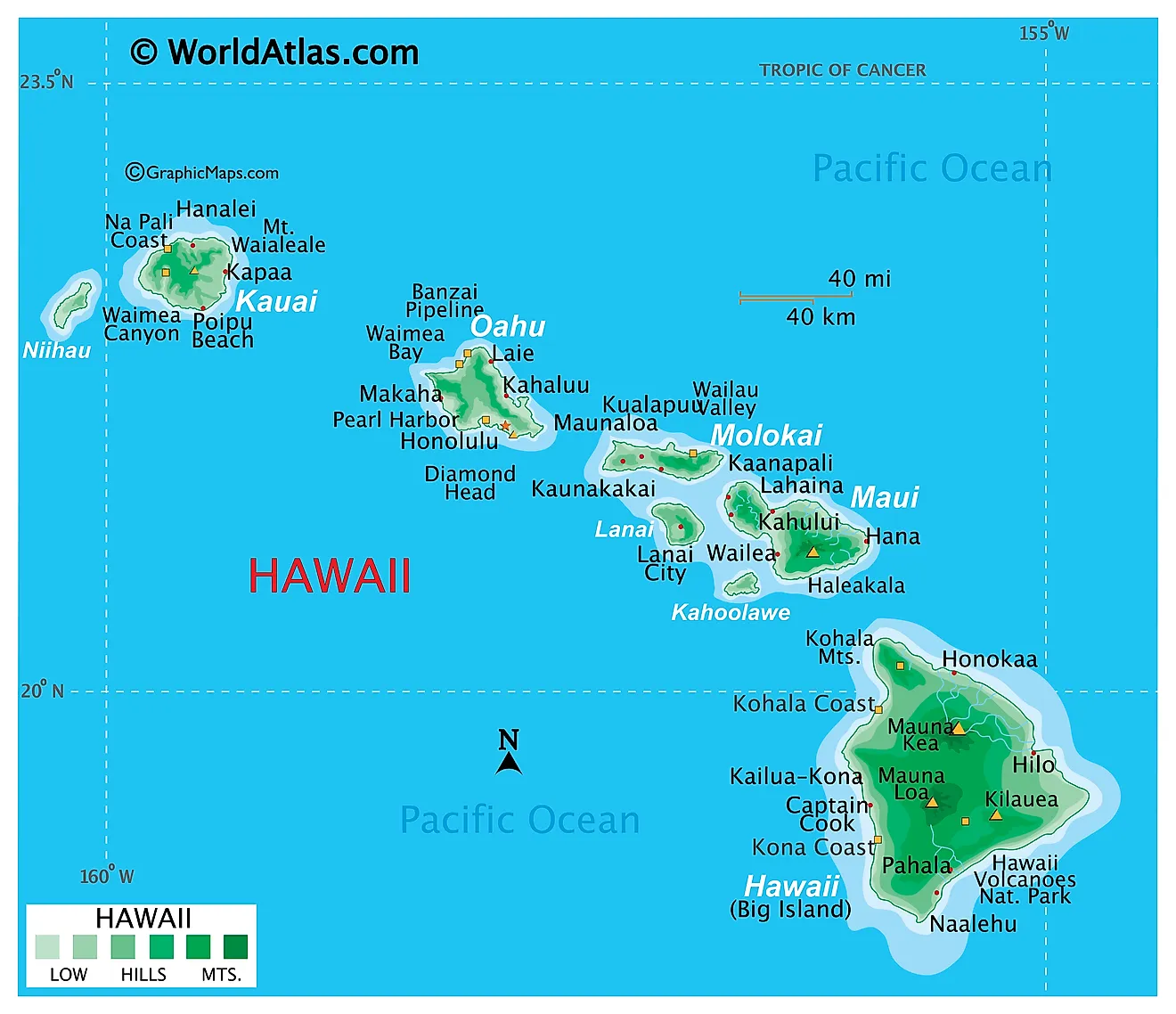
When people ask about the number of Hawaii islands, they typically refer to the eight main, high islands that are most visible on maps and frequently visited by tourists. These are Hawaii Island (commonly known as the Big Island), Maui, Oahu, Kauai, Molokai, Lanai, Niihau, and Kahoolawe. However, beyond these eight, lies the extensive stretch of the Northwestern Hawaiian Islands, also known as the Leeward Islands. This chain comprises numerous smaller islands, atolls, and shoals, most of which are uninhabited by humans and form critical wildlife refuges and marine national monuments, such as the Papahānaumokuākea Marine National Monument. So, while the immediate answer might be “eight,” the comprehensive truth is that the Hawaiian Archipelago is a sprawling collection of geological wonders, numbering well over a hundred distinct landforms, each playing a role in the natural and cultural heritage of this extraordinary state.
The Eight Major Hawaiian Islands: A Closer Look
Each of the eight principal Hawaiian Islands offers a distinct identity, contributing to Hawaii’s multifaceted appeal as a travel destination. From volcanic landscapes to bustling metropolises, here’s an overview:
-
Hawaii Island (The Big Island): As its name suggests, the Big Island is the largest of the chain, boasting an incredible diversity of landscapes and climates. It’s famously home to Kilauea, one of the world’s most active volcanoes, located within Hawaii Volcanoes National Park, where visitors can witness the raw power of creation. Beyond molten lava, the island features snow-capped peaks like Mauna Kea (a premier stargazing destination), lush rainforests, and stunning black sand beaches. The Kona side offers sunny weather, excellent snorkeling, and world-renowned Kona Coffee plantations, while the Hilo side is known for its waterfalls and botanical gardens. Accommodation ranges from luxury resorts along the Kona-Kohala Coast to charming bed and breakfasts, catering to every lifestyle from adventurous explorers to those seeking tranquil retreats.
-
Maui (The Valley Isle): Renowned for its breathtaking beauty and vibrant atmosphere, Maui strikes a perfect balance between adventure and luxury. It’s famous for the sunrise views from the summit of Haleakala, a massive dormant volcano, and the exhilarating journey along the Road to Hana, a winding coastal route revealing countless waterfalls, lush jungles, and stunning vistas. Maui is also a premier destination for whale watching during winter months and offers world-class windsurfing and kitesurfing. The island boasts an array of luxurious hotels and resorts, particularly in areas like Wailea and Ka’anapali, such as the Four Seasons Resort Maui at Wailea, making it ideal for those seeking a high-end travel experience, romantic getaways, or family trips with abundant amenities.
-
Oahu (The Gathering Place): Home to the state capital, Honolulu, and the iconic Waikiki Beach, Oahu is the most populated and bustling of the islands. It’s a melting pot of cultures, offering a dynamic blend of urban excitement and natural wonders. Visitors can explore historical landmarks like Pearl Harbor and the USS Arizona Memorial, surf legendary waves on the North Shore, or hike to the summit of Diamond Head for panoramic views. Oahu provides an extensive range of accommodation, from budget-friendly hotels and vacation rentals to upscale establishments like The Royal Hawaiian, catering to all budgets and lifestyles, from family vacations to business stays and solo adventures. Its vibrant food scene and lively nightlife also contribute to its reputation as a hub for tourism and local culture.
-
Kauai (The Garden Isle): Famous for its dramatic cliffs, lush rainforests, and cascading waterfalls, Kauai is a paradise for nature lovers and adventure seekers. The awe-inspiring Na Pali Coast, accessible by helicopter, boat, or challenging hikes, is a truly iconic landmark. The island also boasts the magnificent Waimea Canyon, often called the “Grand Canyon of the Pacific.” Kauai offers abundant opportunities for hiking, kayaking, zip-lining, and exploring its pristine beaches. Hotels range from charming boutiques to luxurious resorts like the Grand Hyatt Kauai Resort & Spa, providing a serene escape where natural beauty takes center stage.
-
Molokai (The Friendly Isle): For those seeking an authentic glimpse into traditional Hawaii, Molokai offers a tranquil, unspoiled experience. With a strong emphasis on preserving its Hawaiian heritage and local culture, Molokai avoids the commercialism of its larger neighbors. It’s home to the highest sea cliffs in the world, pristine Kalaupapa National Historical Park (accessible via a strenuous hike or mule ride), and a slower pace of life. Accommodation options are limited, focusing on local guesthouses and a few small hotels, appealing to travelers looking for quiet contemplation and genuine connection with the island’s spirit.
-
Lanai (The Pineapple Isle): Once a vast pineapple plantation, Lanai has transformed into a luxurious, exclusive retreat. Primarily owned by Larry Ellison, the island offers upscale experiences focused on golf, fine dining, and pristine natural beauty. Guests can explore Shipwreck Beach, venture to Garden of the Gods (Keahiakawelo) with its otherworldly rock formations, or enjoy world-class amenities at its two Four Seasons resorts: Four Seasons Resort Lanai and the former Four Seasons Hotel Lanai at Manele Bay. It’s the perfect destination for a quiet, indulgent escape or romantic honeymoon, emphasizing luxury travel and privacy.
-
Niihau (The Forbidden Isle): Niihau stands apart as a privately-owned island where traditional Hawaiian culture and language are meticulously preserved. Access is strictly limited, primarily to invited guests, native residents, and authorized personnel. This policy helps maintain its untouched environment and unique way of life, earning it the moniker “The Forbidden Isle.” For the adventurous, there are limited opportunities for guided hunting safaris or exclusive helicopter tours from Kauai that allow a glimpse of its remote beauty. Its restricted nature makes it a fascinating, albeit largely inaccessible, part of the Hawaiian Archipelago.
-
Kahoolawe (The Target Isle): The smallest of the eight main islands, Kahoolawe is uninhabited and has a tumultuous history. It was used as a bombing range by the U.S. military for decades, leaving it scarred and unexploded ordnance. Today, it is undergoing extensive restoration efforts, managed by the Kahoolawe Island Reserve Commission, with a focus on environmental and cultural revitalization. Access is highly restricted, primarily for volunteers involved in restoration projects or those participating in cultural practices, making it a powerful symbol of environmental recovery and cultural resilience rather than a tourist destination.
Planning Your Hawaiian Escape: Choosing Your Perfect Island
With such diverse options, deciding which island, or combination of islands, to visit is a key part of planning your Hawaiian travel experience. Each island caters to different preferences and lifestyles, ensuring there’s a perfect match for every type of traveler.
Lifestyle and Activities: Tailoring Your Travel Experience
Your ideal Hawaiian vacation will heavily depend on your interests:
- For the Adventurer: If you thrive on outdoor activities, Kauai with its epic hikes and water sports, and the Big Island with its volcano explorations, diverse hiking trails, and stargazing opportunities, are prime choices. Think snorkeling, surfing, kayaking, ziplining, and exploring vast natural landmarks.
- For the Relaxer and Luxury Seeker: Maui and Lanai offer an abundance of high-end resorts, pristine beaches perfect for sunbathing, world-class spas, and championship golf courses. These islands are perfect for romantic getaways, honeymoons, or simply unwinding in style with exceptional amenities and service.
- For the Culture Enthusiast: Oahu provides a rich blend of history and contemporary Hawaiian culture, from museums and historical sites to vibrant local festivals and diverse culinary experiences. Molokai offers an unparalleled opportunity for a deep dive into traditional Hawaiian life and values, away from commercial tourism.
- For Families: Oahu and Maui are generally excellent choices for family trips, offering a wide array of kid-friendly attractions, gentle beaches, and resorts with extensive family programs and pools.
- For Budget Travelers: While Hawaii can be an expensive destination, Oahu often provides more budget-friendly accommodation and dining options due to its larger population and infrastructure. Opting for vacation rentals, cooking some of your meals, and utilizing public transportation or ride-sharing can help manage costs on any island.
Accommodation Choices: From Resorts to Rentals
The Hawaiian Islands offer a broad spectrum of accommodation options to suit every preference and budget.
- Luxury Resorts and Hotels: Found predominantly on Maui, Oahu, and Lanai, these establishments offer world-class service, gourmet dining, lavish spas, and direct beach access. Brands like Four Seasons, Grand Hyatt, and Ritz-Carlton provide unparalleled comfort and amenities, perfect for those seeking a pampered, stress-free vacation.
- Boutique Hotels and Guesthouses: Scattered across all the islands, these offer a more intimate and personalized experience, often reflecting local culture and charm. They can be a fantastic way to support local businesses and gain unique insights into the community.
- Vacation Rentals and Apartments: Options like Airbnb and VRBO are popular, especially for families or groups, providing more space, kitchens for self-catering, and a sense of “living like a local.” These are available on most islands and can often be a cost-effective choice for longer stays.
- Budget-Friendly Stays: Hostels, smaller hotels, and campgrounds (on islands like the Big Island and Maui with proper permits) offer more economical choices for travelers on a tighter budget. It’s always wise to check reviews and compare prices across different booking platforms to find the best deals.
When booking your stay, consider the location relative to the attractions you wish to visit and the type of experience you desire. Early booking, especially for peak seasons, is highly recommended to secure your preferred accommodation and potentially better rates.
Beyond the Main Eight: The Lesser-Known Hawaiian Gems
While the eight main islands captivate the vast majority of tourists, it’s important to remember that the Hawaiian Archipelago extends far beyond them, encompassing a fascinating stretch of landforms known as the Northwestern Hawaiian Islands. These mostly uninhabited islands, atolls, and shoals are significantly older and smaller than their southeastern counterparts, having undergone extensive erosion over millions of years.
These remote islands, including places like Kaula, Nihoa, Necker Island, French Frigate Shoals, Gardner Pinnacles, Maro Reef, Laysan Island, Lisianski Island, Pearl and Hermes Atoll, Kure Atoll, and Midway Atoll, are not tourist destinations in the traditional sense. Instead, they form a critical natural and cultural marine monument, the Papahānaumokuākea Marine National Monument, a UNESCO World Heritage site. This monument is one of the largest marine conservation areas in the world, serving as a sanctuary for millions of seabirds, endangered Hawaiian monk seals, green sea turtles, and a diverse array of coral reef ecosystems.
Access to these “lesser-known gems” is extremely restricted, primarily limited to scientific researchers, conservationists, and Native Hawaiian cultural practitioners with special permits. This strict protection ensures the preservation of their fragile ecosystems and their profound cultural significance to the Hawaiian people. While not places you can book a hotel or tour, their existence is a powerful reminder of the incredible biodiversity and vastness of Hawaii’s natural heritage, extending far beyond the familiar shores of the main islands. They are true landmarks of nature and history, vital for the health of the planet and the perpetuation of Hawaiian culture.
In conclusion, the question “How many Hawaii islands are there?” reveals a nuanced truth: eight major islands for incredible travel, tourism, and lifestyle experiences, alongside over a hundred additional islets and atolls that constitute a crucial marine and ecological preserve. From the volcanic drama of the Big Island to the bustling energy of Oahu and the serene luxury of Lanai, the Hawaiian Islands offer a spectrum of unique environments and activities. Whether you seek adventure, relaxation, cultural immersion, or simply breathtaking natural beauty, choosing your perfect island is the first step towards an unforgettable Hawaiian escape. Remember to travel responsibly, respecting the local culture and pristine environment, to ensure these islands remain a paradise for generations to come.