
California, a state synonymous with innovation, stunning natural beauty, and vibrant cultural hubs, attracts millions of visitors each year. From the sun-drenched beaches of Southern California to the majestic redwoods of the north, and from the bustling urban landscapes of Los Angeles and San Francisco to the serene vineyards of Napa Valley, the Golden State offers an unparalleled array of travel experiences. Yet, beneath this glittering facade lies a profound and persistent challenge: a significant homelessness crisis. While travellers often focus on world-class attractions, luxurious accommodations, and unique local experiences, the visible presence of homelessness is an undeniable part of the urban fabric in many of California’s most popular destinations. Understanding the scope and complexities of this issue provides a more complete picture of the state and offers insights into the broader societal challenges that impact communities, residents, and visitors alike.
The question of “how many homeless are in California?” is not merely a statistical inquiry; it delves into the heart of a humanitarian crisis that affects the quality of life, the economic landscape, and even the perception of some of the United States‘ most iconic cities. For those exploring California, whether for leisure, business, or seeking new horizons, encountering individuals experiencing homelessness can be a stark reminder of the disparities that exist even in regions of immense prosperity. This article aims to explore the scale of homelessness in California, delve into its underlying causes, discuss its impact on the state’s vibrant cities and tourism, and highlight ongoing efforts to address this critical issue, offering a more nuanced perspective for anyone engaging with this diverse and dynamic state.
Understanding the Scope of Homelessness in California
California consistently reports the highest number of homeless individuals of any state in the United States, making it a focal point for discussions about housing insecurity and social welfare. The sheer scale of the problem is staggering, encompassing a diverse population affected by various economic, social, and personal challenges. Getting an accurate count is a complex undertaking, typically conducted through “Point-in-Time” (PIT) counts, which are mandated by the U.S. Department of Housing and Urban Development (HUD) and involve volunteers surveying sheltered and unsheltered individuals on a single night.
The Latest Figures and Trends
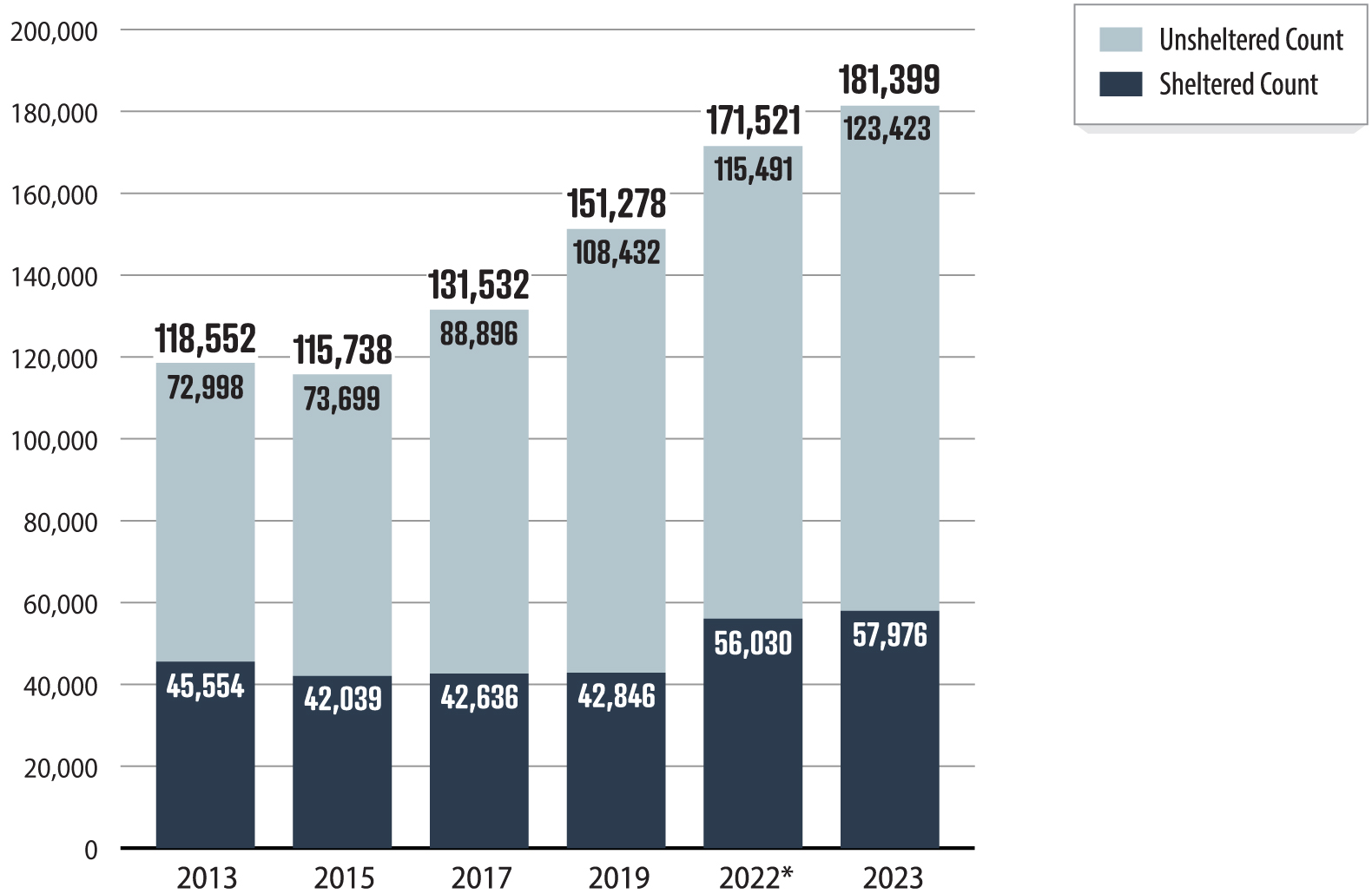
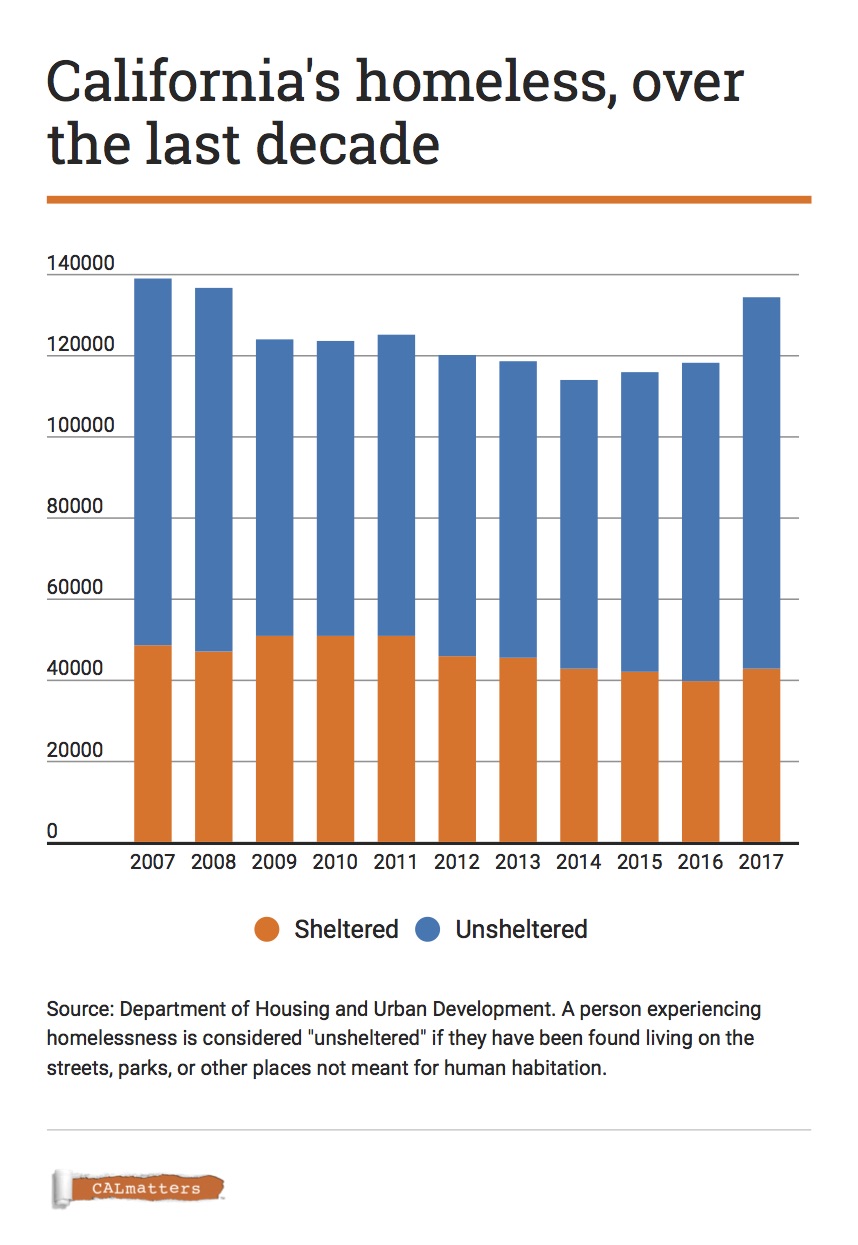
Recent data indicates that California accounts for a disproportionate share of the nation’s homeless population. While figures fluctuate annually, reports have consistently placed the number well over 160,000 individuals, often approaching or exceeding 170,000 in recent years. This represents roughly 30% of the entire homeless population in the United States, despite California having about 12% of the national population. A particularly concerning aspect is the high percentage of unsheltered individuals. Unlike many other states where a majority of homeless people can access emergency shelters or transitional housing, a significant portion in California live on the streets, in vehicles, or in other places not meant for human habitation. This visible homelessness is most concentrated in major metropolitan areas, particularly in Los Angeles County, which often reports the largest homeless population of any single county in the nation. Other significant concentrations are found in the San Francisco Bay Area, including San Francisco, Oakland, and San Jose, as well as in San Diego and Sacramento. These trends highlight a persistent and growing challenge, driven by a confluence of factors that make it difficult for many to secure stable housing.
Contributing Factors: A Multifaceted Challenge
The root causes of homelessness in California are complex and interconnected, extending beyond simple economic hardship. One of the most significant factors is the exorbitant cost of housing. California boasts some of the highest housing costs in the world, with rental prices and home values far exceeding the national average. A minimum wage earner often cannot afford even a modest one-bedroom apartment in many parts of the state. This housing crisis affects not only low-income residents but also creates a ripple effect, pushing more people into precarious living situations, where a single job loss, medical emergency, or unexpected expense can lead to eviction and homelessness. The demand for housing far outstrips supply, exacerbated by restrictive zoning laws and a slow pace of new construction, especially for affordable housing units.
Beyond housing costs, economic disparities play a crucial role. While California is home to immense wealth and technological innovation, the benefits are not evenly distributed. Many individuals struggle with low wages, underemployment, and job instability, making it impossible to keep pace with the rising cost of living. Mental health issues and substance abuse disorders are also pervasive among the homeless population. These conditions often prevent individuals from maintaining stable employment, managing personal finances, or accessing social services, creating a cyclical trap. Lack of access to adequate healthcare and support systems exacerbates these challenges. Other contributing factors include a shortage of accessible social services, a fragmented support system for those transitioning out of incarceration or foster care, and the impacts of domestic violence. These factors combine to create a deeply entrenched problem that requires multifaceted and sustained solutions.
The Impact on California’s Cities and Tourist Destinations
The presence of homelessness in California’s urban centers has a tangible impact, not only on the residents experiencing it but also on the overall character and perception of these vibrant cities. For visitors drawn to the state’s iconic attractions, luxurious resorts, and diverse experiences, the visibility of homelessness can be a challenging aspect of their journey.
Perceptions and Realities for Visitors
California’s major cities like Los Angeles, San Francisco, and San Diego are global tourism magnets, celebrated for their landmarks, culture, and lifestyle. Tourists flock to Hollywood for its glamour, Santa Monica for its pier and beaches, and San Francisco for the Golden Gate Bridge and historic neighborhoods. However, in many downtown areas, near public parks, and even close to some major attractions, the sight of encampments, individuals sleeping on sidewalks, and people openly struggling with addiction or mental illness is common. This reality can significantly shape a visitor’s experience and perception of these destinations.
While most tourists do not face direct threats, the visible presence of homelessness can lead to feelings of discomfort, sadness, or concern. It often prompts questions about safety, sanitation, and the social fabric of the city. For some, it might temper the idyllic image they held of California, leading to a more nuanced, albeit perhaps less purely enjoyable, understanding of the destination. Tour operators, hotels, and local businesses in affected areas frequently grapple with how to manage this issue, from providing security to engaging in community clean-up efforts and supporting local outreach programs. The challenge lies in balancing the desire to present a welcoming and pristine environment for tourism with the inescapable reality of the state’s social challenges. Responsible travel often involves acknowledging these realities, fostering empathy, and understanding the efforts being made by local communities.
Local Initiatives and Community Responses
Faced with the profound humanitarian and economic implications of homelessness, communities across California are implementing a wide array of initiatives to address the crisis. These efforts involve city governments, non-profit organizations, faith-based groups, and concerned citizens, often working in collaboration to provide immediate relief and long-term solutions.
One primary approach involves emergency shelters and temporary housing. Cities like Los Angeles and San Francisco continually work to expand shelter capacity, offering safe places to sleep, meals, and access to basic services. These shelters are crucial for vulnerable populations, especially during inclement weather. Beyond immediate shelter, efforts are focused on rapid re-housing programs, which help individuals and families quickly move from homelessness into permanent housing with short-term rental assistance and supportive services. Permanent supportive housing is another critical strategy, providing long-term affordable housing combined with comprehensive services for individuals experiencing chronic homelessness, particularly those with mental health issues or substance abuse disorders.
Many cities are also investing in outreach teams that connect directly with unsheltered individuals on the streets, building trust and offering pathways to services, shelter, and housing. These teams often include mental health professionals and social workers. Furthermore, housing-first models are gaining traction, prioritizing getting people into stable housing first, without preconditions, and then providing the necessary support services. California’s state government has also allocated significant funding towards addressing the crisis, pushing local jurisdictions to develop comprehensive plans and invest in housing production. These collective efforts demonstrate a growing recognition of the need for coordinated, compassionate, and effective responses to homelessness, impacting not just the individuals experiencing it but the broader community and its perception, including for tourism.
Exploring Solutions and the Path Forward
Addressing homelessness in California is an immense undertaking that requires sustained political will, innovative strategies, and substantial financial investment. The path forward involves a multi-pronged approach that tackles the root causes, provides immediate relief, and builds sustainable pathways to permanent housing and stability. The ongoing challenge is to scale these solutions to match the enormity of the problem, ensuring that every individual has access to safe and dignified accommodation.
Policy Approaches and Housing Solutions
At the state level, California has committed billions of dollars through various initiatives, such as the Homelessness, Housing, and Prevention Program (HHAPP), to support local governments in their efforts. These funds are used for a variety of purposes, including emergency shelters, rental assistance, permanent supportive housing, and services. There’s a strong push from the California State Legislature to streamline housing production, reduce regulatory barriers, and incentivize the construction of affordable units across the state. This includes exploring policies that allow for denser housing in urban areas, converting underutilized commercial spaces into residential units, and investing in modular or prefabricated housing solutions to expedite construction.
Many policy discussions revolve around strengthening tenant protections, preventing evictions, and expanding rental assistance programs to keep people housed. Furthermore, integrating health and housing services is seen as critical. This means expanding access to mental health treatment, substance abuse programs, and healthcare for homeless individuals, understanding that these services are often prerequisites for long-term housing stability. Cities are also exploring innovative public-private partnerships, leveraging private sector investment and expertise to accelerate housing solutions. The long-term vision involves not just housing, but also job training, educational opportunities, and community reintegration programs that help individuals rebuild their lives and maintain self-sufficiency.
How Visitors Can Engage Responsibly
For visitors traveling to California, understanding the homelessness crisis can enrich their experience by providing a deeper connection to the local community. While it’s a complex issue, there are ways to engage responsibly and contribute positively, aligning with principles of conscious travel and local tourism.
Firstly, educate yourself. Learn about the specific challenges and initiatives in the cities you visit. Many local non-profits have websites detailing their work and ways to help. Secondly, consider supporting local businesses that have initiatives to address homelessness. Some businesses employ individuals transitioning out of homelessness, contribute a portion of their profits to relevant charities, or participate in community support programs. Opting for these businesses over large chains can be a small but meaningful way to contribute directly to the local economy and social well-being. Thirdly, if you wish to help directly, consider donating to reputable local charities and non-profits that are effectively addressing homelessness. Organizations like the Los Angeles Coalition for the Economy & Jobs, San Francisco’s Coalition on Homelessness, or local chapters of national organizations are often good starting points. These groups are on the front lines, providing vital services and advocating for systemic change.
Finally, and perhaps most importantly, approach individuals experiencing homelessness with respect and empathy. While direct interaction is a personal choice, a simple acknowledgement, or a respectful refusal if approached, can make a difference. Avoid judgment and recognize the humanity in every individual. Being aware of the local context allows for a more informed and compassionate travel experience, reinforcing the idea that visiting a destination involves more than just seeing its landmarks; it also means engaging with its people and its challenges.

Conclusion
The question “How many homeless are in California?” opens a window into one of the most pressing social issues facing the Golden State. With figures consistently among the highest in the nation, the scale of homelessness reflects a complex interplay of soaring housing costs, economic disparities, and inadequate social support systems. This challenge is not confined to obscure corners; it is visible in the very cities that draw millions of tourists each year, from the vibrant streets of Los Angeles and San Francisco to the coastal charm of San Diego.
For travelers, understanding this reality adds a layer of depth to their California experience. It highlights the importance of responsible tourism, encouraging visitors to look beyond the brochure and acknowledge the multifaceted communities they engage with. While the state continues to be a premier destination for travel, accommodation, and lifestyle experiences, its journey toward addressing homelessness is an ongoing narrative of resilience, innovation, and compassion. Through sustained policy efforts, community-led initiatives, and a collective commitment to creating more equitable housing solutions, California strives to ensure that its prosperity is shared more broadly, allowing all residents, regardless of their circumstances, to find a place they can call home. As California continues to evolve, so too will its efforts to confront and ultimately overcome this profound humanitarian challenge, offering a testament to its enduring spirit.
LifeOutOfTheBox is a participant in the Amazon Services LLC Associates Program, an affiliate advertising program designed to provide a means for sites to earn advertising fees by advertising and linking to Amazon.com. Amazon, the Amazon logo, AmazonSupply, and the AmazonSupply logo are trademarks of Amazon.com, Inc. or its affiliates. As an Amazon Associate we earn affiliate commissions from qualifying purchases.