
New York City, a global beacon of culture, commerce, and innovation, draws millions of visitors annually, captivated by its vibrant energy, iconic landmarks, and endless opportunities. Yet, beneath the dazzling lights and bustling streets lies a complex social challenge that often confronts both residents and travelers: homelessness. The question, “How many homeless in New York?”, is more than a simple numerical query; it’s an entry point into understanding the intricate socio-economic fabric of one of the world’s most dynamic urban centers. For those exploring the city’s rich tapestry of experiences, from luxury suites in Midtown Manhattan to budget-friendly stays in Brooklyn, encountering individuals experiencing homelessness is an unavoidable part of the urban landscape. This reality shapes perceptions, impacts public spaces, and underscores the profound disparities that can exist even in the most prosperous of places.
Unlike many other cities, New York operates under a unique “right to shelter” mandate, ensuring that virtually anyone experiencing homelessness is entitled to a bed. This policy profoundly influences how homelessness is managed and counted, offering both a safety net and a continuous challenge for municipal resources. Delving into the statistics, the underlying causes, and the societal implications of homelessness in New York offers a more complete picture of this incredible, yet challenging, destination. It encourages a deeper look into the infrastructure of accommodation, the nuances of local culture, and the lifestyle variations that coexist within the five boroughs, prompting visitors to consider the full spectrum of urban life beyond the typical tourist attractions.
Unpacking the Numbers: The Reality of Homelessness in New York
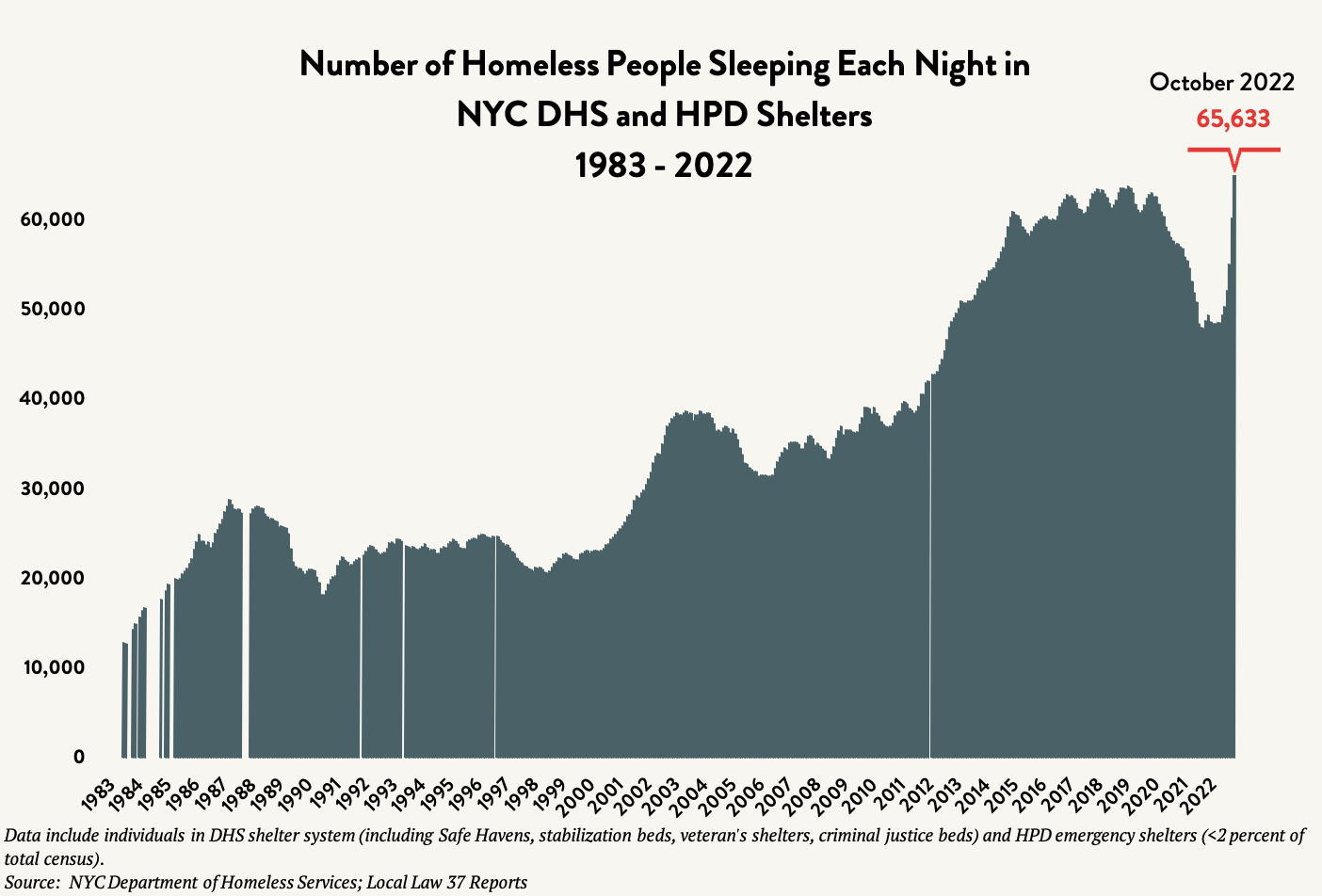
Understanding the scale of homelessness in New York requires navigating a landscape of data that, while comprehensive, is also subject to various interpretations and methodologies. The city’s “right to shelter” mandate means that a significant portion of the homeless population is accommodated within a vast shelter system, distinguishing New York from other major cities in the United States. This unique approach, deeply embedded in local policy, profoundly impacts how homelessness is measured and addressed, making simple comparisons with other cities challenging. For visitors, recognizing this context adds a layer of understanding to the city’s approach to social welfare and its intricate urban fabric.
Understanding the Data: Point-in-Time Counts and Shelter Statistics
The primary source of official data comes from the city’s shelter system, managed by agencies like the Department of Homeless Services (DHS), and the annual Point-in-Time (PIT) Count conducted by the U.S. Department of Housing and Urban Development (HUD). The PIT Count aims to capture both sheltered and unsheltered homeless individuals on a single night in January. However, in New York City, the vast majority of those experiencing homelessness are within the shelter system due to the “right to shelter” law, which guarantees a bed to anyone who needs one.
In early 2023, official figures indicated that over 80,000 individuals were experiencing homelessness on an average night in New York City. This number predominantly reflects those residing in emergency shelters, including a significant portion of families with children. By early 2024, this figure showed a concerning increase, with estimates fluctuating but consistently remaining at over 88,000 people, often peaking above 90,000. These numbers represent record highs for the city, driven by a confluence of factors, including the ongoing housing affordability crisis, economic pressures, and more recently, the influx of asylum seekers who, by law, are also entitled to shelter.
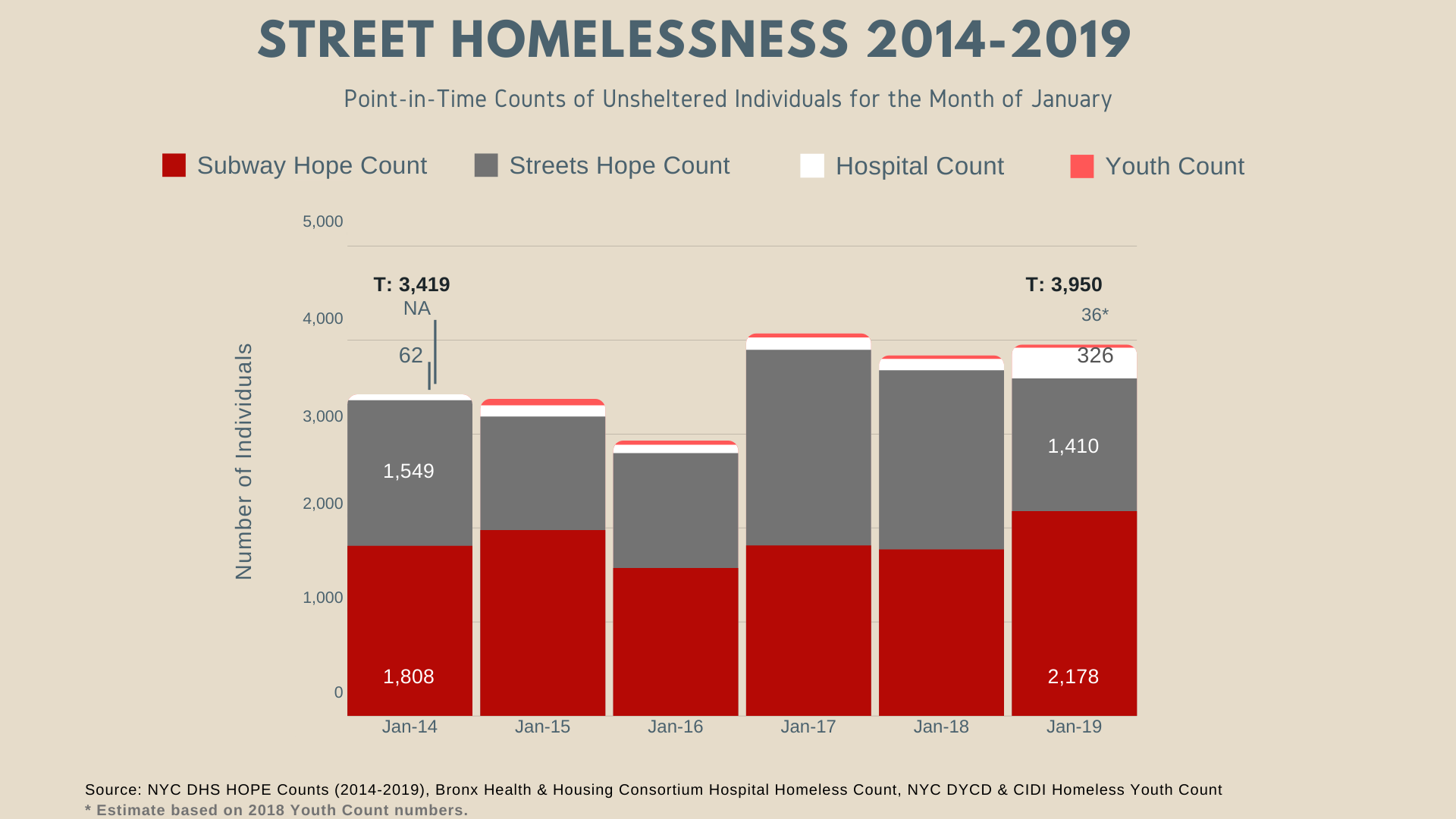
The unsheltered population – those living on the streets, in subways, or other public spaces – is harder to quantify precisely. While the PIT count attempts to capture this, it’s widely acknowledged to be an underestimate due to the challenges of locating every individual. Estimates for the unsheltered population typically range from 3,000 to 5,000 individuals on any given night, a stark contrast to the tens of thousands in shelters, but still a deeply visible and concerning aspect of the urban experience. The sheer scale of homelessness in New York, whether sheltered or unsheltered, underscores the immense pressure on the city’s resources and social safety nets, impacting everything from public health to the management of its iconic landmarks.
Who is Affected? Demographics of Homelessness
Homelessness in New York is not a monolithic issue; it affects diverse groups, each with unique needs and pathways into housing instability. Understanding these demographics is crucial for crafting effective solutions and for appreciating the human stories behind the statistics. It highlights the complex social fabric that coexists with the glamorous image of New York, prompting visitors and residents alike to consider the diverse lifestyles within the city.
- Families with Children: Alarmingly, families with children constitute the largest segment of the homeless population in New York City shelters. Often fleeing domestic violence, facing eviction due to rising rents, or struggling with low wages, these families represent a significant portion of the shelter residents, impacting the lives and education of tens of thousands of children. Their need for stable accommodation is paramount.
- Single Adults: A substantial number of homeless individuals are single adults, often grappling with complex challenges such as mental health issues, substance use disorders, chronic illnesses, or histories of incarceration. This demographic is more likely to be found unsheltered on the streets compared to families, making their presence more visible in public spaces and around tourist attractions.
- Veterans: While specific programs exist to support homeless veterans, a segment of those who have served the United States still find themselves without stable housing, often struggling with PTSD and other service-related conditions that require specialized care and support.
- Youth and LGBTQ+ Individuals: Young people, especially those from the LGBTQ+ community, are disproportionately affected by homelessness, often due to family rejection, abuse, or aging out of foster care systems. Many end up in precarious situations, making them vulnerable to exploitation and highlighting the need for safe, inclusive accommodation.
- Asylum Seekers: In recent years, the city has seen a significant increase in asylum seekers and migrants, who, under the “right to shelter” mandate, also seek refuge in the city’s shelter system, further stretching resources and contributing to the record-high numbers. Their arrival has added new dimensions to the city’s already complex housing and social service landscape.
These diverse demographics highlight that homelessness is a multifaceted problem, requiring tailored interventions and a compassionate approach that recognizes the varied experiences and vulnerabilities of each individual and family.
Beyond Statistics: Root Causes and Systemic Challenges
While the numbers provide a snapshot of the crisis, a deeper understanding requires examining the underlying causes that push individuals and families into homelessness. In a city as economically vibrant as New York, these causes are often systemic, highlighting profound inequalities that contrast sharply with the city’s image of luxury travel and boundless opportunities. Understanding these root causes is vital for any comprehensive guide to the city’s complex social landscape, beyond just its tourist attractions.
The Housing Crisis and Economic Disparities
At the core of New York’s homelessness crisis is an acute lack of affordable housing. The city boasts some of the highest rental prices in the world, far outstripping wage growth for many working-class families and individuals. The median rent for an apartment in Manhattan, for example, can be astronomical, making it impossible for those earning minimum wage or even slightly above to secure stable housing without spending an unsustainable portion of their income. This affordability gap creates a precarious situation where a single missed paycheck, a medical emergency, or an unexpected expense can lead to eviction and, ultimately, homelessness. The cost of living in New York City is a constant challenge, forcing many to consider budget travel options even for daily living, let alone leisure.
Economic inequality further exacerbates the problem. While New York City is home to immense wealth, it also grapples with significant poverty. Many residents work multiple jobs, often in the service sector that caters to the city’s tourism and luxury industries, yet still struggle to make ends meet. The precarious nature of these jobs, combined with insufficient social safety nets and a competitive job market, leaves many vulnerable to economic shocks that quickly translate into housing insecurity. The stark contrast between the city’s glittering hotel suites and the desperate need for basic accommodation highlights the depth of these disparities.
Compounding Factors: Mental Health, Substance Abuse, and Domestic Violence
Beyond economic hardship, a range of complex social and health issues often intersect with and accelerate the path to homelessness. These factors underscore the need for comprehensive support systems that extend beyond just providing a roof over one’s head, touching upon public health, social services, and community well-being—all integral aspects of a city’s “lifestyle” offerings.
- Mental Health Challenges: A significant portion of the unsheltered homeless population, and many within the shelter system, suffer from severe mental illnesses. Untreated or poorly managed conditions can make it incredibly difficult to maintain employment, manage finances, and navigate the bureaucratic processes required to secure housing. The lack of accessible and comprehensive mental healthcare services contributes significantly to this cycle.
- Substance Use Disorders: Co-occurring with mental health issues, substance abuse is another pervasive factor. Addiction can erode an individual’s support network, deplete financial resources, and create barriers to stable living environments. Without adequate treatment and rehabilitation programs, individuals often find themselves trapped in a cycle of homelessness and addiction, further complicating their search for stable accommodation.
- Domestic Violence: For many women and children, domestic violence is a leading cause of homelessness. Fleeing abusive situations often means leaving behind all possessions, income, and a stable home environment, forcing them into shelters or other emergency accommodations. This highlights the critical role of safe housing as a fundamental necessity.
- Other Factors: Systemic issues like a history of incarceration, limited educational opportunities, and discrimination also play a role, creating barriers to employment and housing that are incredibly difficult to overcome. These structural challenges are deeply woven into the city’s social fabric, impacting the very opportunities it prides itself on offering.
These compounding factors illustrate that homelessness is rarely a singular issue but rather a symptom of deeper, interconnected societal problems that require holistic and multi-faceted solutions, reflecting the complex human stories behind the city’s bustling facade.
Homelessness and the Urban Landscape: A Tourist’s Perspective
For visitors exploring the vibrant tapestry of New York City, the visible presence of homelessness can be a stark reminder of the city’s complexities. While tourists come to experience iconic landmarks, world-class dining, and unparalleled entertainment, they also inevitably encounter individuals experiencing homelessness, particularly in high-traffic areas. This interaction forms a part of the “local culture” and “experiences” that define a trip to New York, prompting reflections beyond mere sightseeing.
Impact on Public Spaces and Visitor Experience
Public spaces are the arteries of urban tourism, from the bustling plazas of Times Square to the tranquil paths of Central Park, or the awe-inspiring presence of the Statue of Liberty and the architectural marvel of the Empire State Building. When these areas are visibly populated by people experiencing homelessness, it can subtly, or sometimes overtly, alter a visitor’s experience. Concerns about personal safety, particularly for first-time visitors or families, can arise, even though crime statistics often show these fears to be disproportionate to the actual risk. The sight of makeshift shelters, individuals soliciting for money, or people struggling with visible mental health issues can evoke feelings of discomfort, sadness, or even unease, clashing with the idealized image of a glamorous tourist destination.
This impact is not just aesthetic; it influences the perception of the city’s overall cleanliness, safety, and quality of life. For travel websites focusing on destinations and experiences, understanding this dynamic is crucial. Visitors seeking accommodation might consider neighborhoods based on perceived safety and cleanliness, which can sometimes be linked to the visible presence of homelessness. While New York remains overwhelmingly safe for tourists, the persistent visibility of homelessness can color the narrative for some, impacting their overall impression of their trip and potentially influencing future travel decisions. It adds a layer of complexity to the city’s overall “lifestyle” offering, prompting a consideration of its true daily realities.
Balancing Compassion with Urban Enjoyment
The challenge for both the city and its visitors is to balance the desire for a pristine tourist experience with the reality of a complex social issue. Responsible tourism encourages awareness and empathy. Rather than ignoring or avoiding the issue, understanding its roots and the efforts being made to address it can deepen a visitor’s appreciation for the city and its resilience. It transforms a superficial visit into a more engaged and meaningful travel experience.
Many visitors choose to engage with the issue through donations to local charities, supporting businesses that employ individuals transitioning out of homelessness, or simply by treating everyone they encounter with dignity and respect. While the city strives to maintain its iconic landmarks and public spaces, the omnipresent nature of homelessness serves as a potent reminder that a city’s vibrancy is not solely defined by its skyscrapers and entertainment, but also by how it cares for its most vulnerable residents. Recognizing this adds a layer of depth to the travel experience, moving beyond superficial attractions to a more profound engagement with the destination’s social fabric and its unique blend of local culture and challenges.
Addressing the Crisis: Efforts and Initiatives
New York City’s commitment to the “right to shelter” places it in a unique position, requiring extensive efforts to manage and mitigate homelessness. While the numbers remain high, the city and numerous non-profit organizations continuously implement a range of programs and strategies aimed at providing immediate relief and seeking long-term solutions. These initiatives are a testament to the city’s commitment to social welfare, reflecting a different facet of its “lifestyle” and “tourism” offerings – one focused on community and support.
The Role of Shelters and Supportive Housing
The cornerstone of New York’s response is its expansive shelter system. Operated by the Department of Homeless Services and its partners, this system provides emergency accommodation, often including meals, medical care, and social services, to tens of thousands of individuals and families every night across all five boroughs—Manhattan, Brooklyn, Queens, the Bronx, and Staten Island. While vital, the shelter system is designed as a temporary solution, and its immense size and logistical challenges are a constant strain on city resources, impacting both budget and operations for other civic services.
Beyond emergency shelters, supportive housing is a critical long-term solution. These programs combine affordable housing with on-site support services, including mental health counseling, substance abuse treatment, job training, and case management. Supportive housing has proven highly effective in helping individuals with chronic homelessness maintain stability and reintegrate into the community, addressing the root causes that might otherwise lead them back to the streets. The city consistently invests in creating more supportive housing units, recognizing their cost-effectiveness and positive impact on individuals’ lives, ultimately enhancing the overall quality of life and social stability.
Towards Long-Term Solutions
Addressing homelessness comprehensively requires a multi-pronged approach that extends beyond just shelter provision. It demands sustained policy changes, community engagement, and a commitment to equitable development – factors that contribute to the underlying stability and appeal of a global destination like New York.
- Rental Assistance Programs: These programs help individuals and families struggling with rent by providing subsidies, preventing evictions, and allowing people to remain in their homes or secure new ones. Such assistance is crucial in a city where the cost of accommodation can be prohibitively high.
- Outreach and Engagement: Teams of social workers and outreach specialists actively engage with unsheltered individuals, building trust, offering services, and encouraging them to enter the shelter system or access other forms of care. This proactive approach aims to connect the most vulnerable with much-needed support.
- Mental Health and Substance Use Services: Increased funding and accessibility for these services are crucial to address the underlying health issues that contribute to homelessness. Comprehensive care pathways are essential for long-term recovery and housing stability.
- Legal Aid and Advocacy: Organizations provide legal assistance to prevent unlawful evictions, help individuals navigate public benefits, and advocate for policy changes that protect tenants’ rights and increase housing affordability. These efforts are vital for systemic change and protecting vulnerable populations.
- Affordable Housing Development: The most fundamental solution is the creation of more deeply affordable housing units across the city, ensuring that housing costs do not perpetually outpace wages. This addresses the core economic disparity that pushes many into homelessness.
The ongoing efforts by the city, coupled with the tireless work of non-profits and community advocates, represent a continuous struggle to provide dignity and stability for all residents. While the challenge is immense, the commitment to finding sustainable solutions remains a defining characteristic of New York’s social landscape, reflecting its complex but resilient spirit.

Conclusion
The question, “How many homeless in New York?”, opens a window into the complex interplay of economic forces, social policies, and human vulnerability that defines life in a global metropolis. The numbers, fluctuating around the 90,000 mark in recent times, are not just statistics but represent tens of thousands of individual stories and families striving for stability in the face of immense challenges. For travelers, understanding this aspect of New York City enriches the experience, moving beyond the superficial glitz to a deeper appreciation of its social fabric. The city’s unique “right to shelter” mandate, while providing a crucial safety net, also highlights the immense scale of the housing crisis.
Addressing homelessness requires more than just emergency beds; it demands systemic changes: increased affordable housing, robust mental health and substance abuse services, equitable economic opportunities, and compassionate community support. As visitors marvel at the architectural grandeur of Grand Central Terminal, explore the world-class museums, or enjoy vibrant dining, acknowledging the visible and invisible struggles of its most vulnerable residents fosters a more conscious and empathetic engagement with this extraordinary city. Ultimately, a truly thriving New York is one where the promise of opportunity and a stable home is within reach for everyone, ensuring that its reputation as a premier travel destination is matched by its commitment to a dignified life for all its inhabitants.
LifeOutOfTheBox is a participant in the Amazon Services LLC Associates Program, an affiliate advertising program designed to provide a means for sites to earn advertising fees by advertising and linking to Amazon.com. Amazon, the Amazon logo, AmazonSupply, and the AmazonSupply logo are trademarks of Amazon.com, Inc. or its affiliates. As an Amazon Associate we earn affiliate commissions from qualifying purchases.